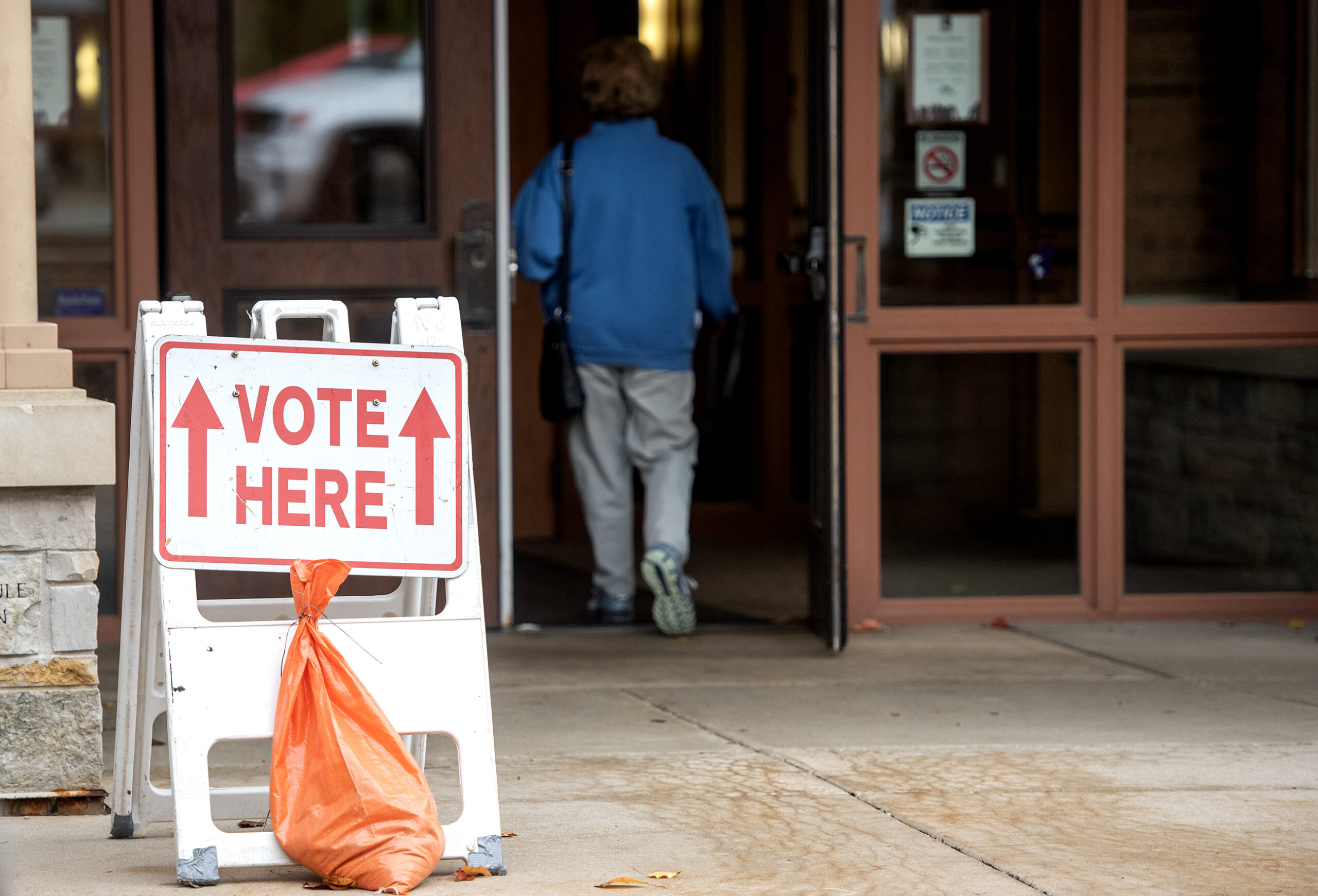
Wisconsin Republicans have added two proposed constitutional amendments to November’s midterm ballot with a third amendment well on the way.
The state Senate gave its final OK to two of the proposals Wednesday, leaving both in the hands of voters. One would revive a debate over the state ban on public gatherings during the COVID-19 pandemic. The other would ban diversity, equity and inclusion initiatives in state and local governments.
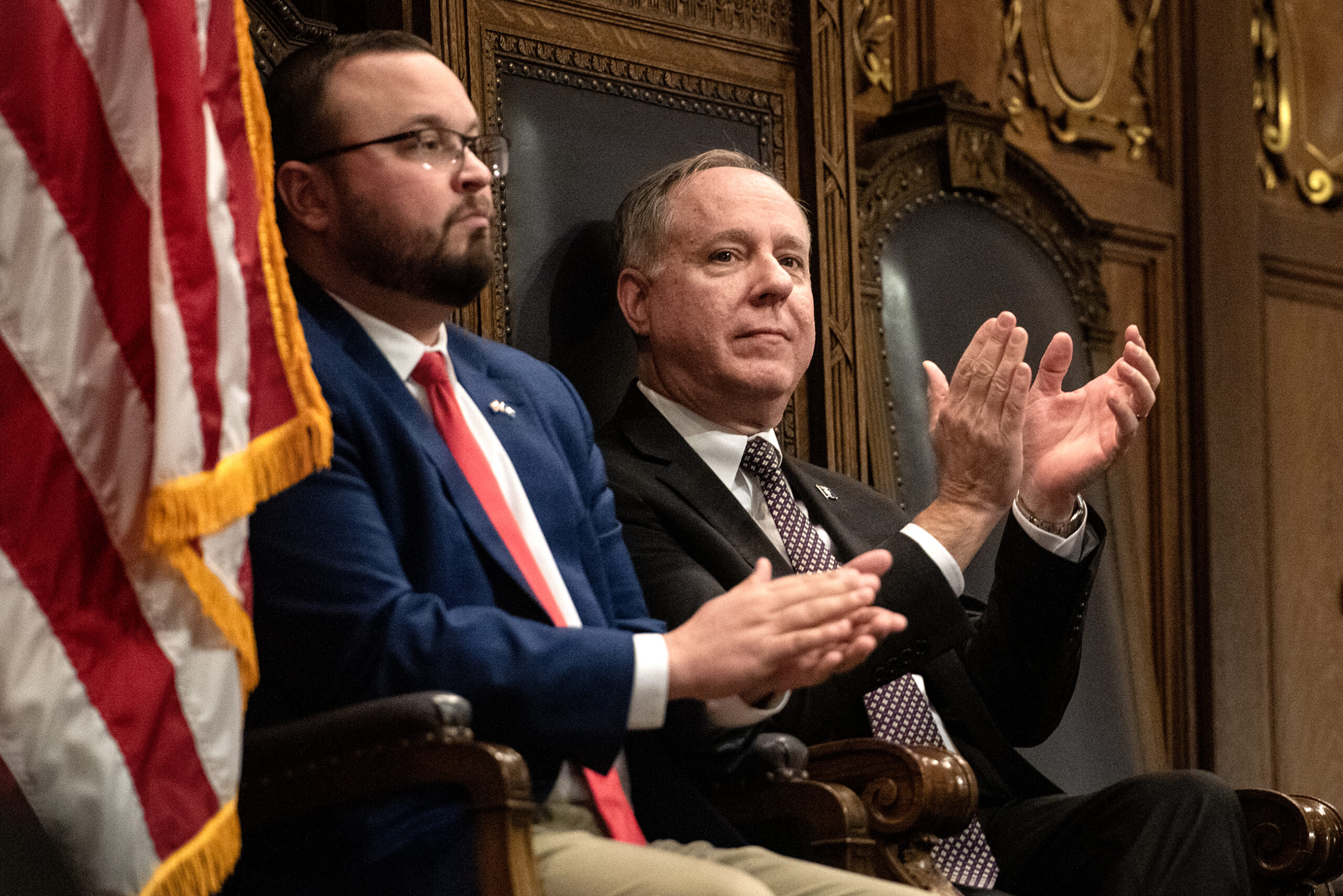
A third proposed amendment, which would restrict a governor’s veto power, also passed the Senate Wednesday. It’s likely to receive final passage in the Assembly soon, which would place it alongside the other questions on statewide ballots this year.
News with a little more humanity
WPR’s “Wisconsin Today” newsletter keeps you connected to the state you love without feeling overwhelmed. No paywall. No agenda. No corporate filter.
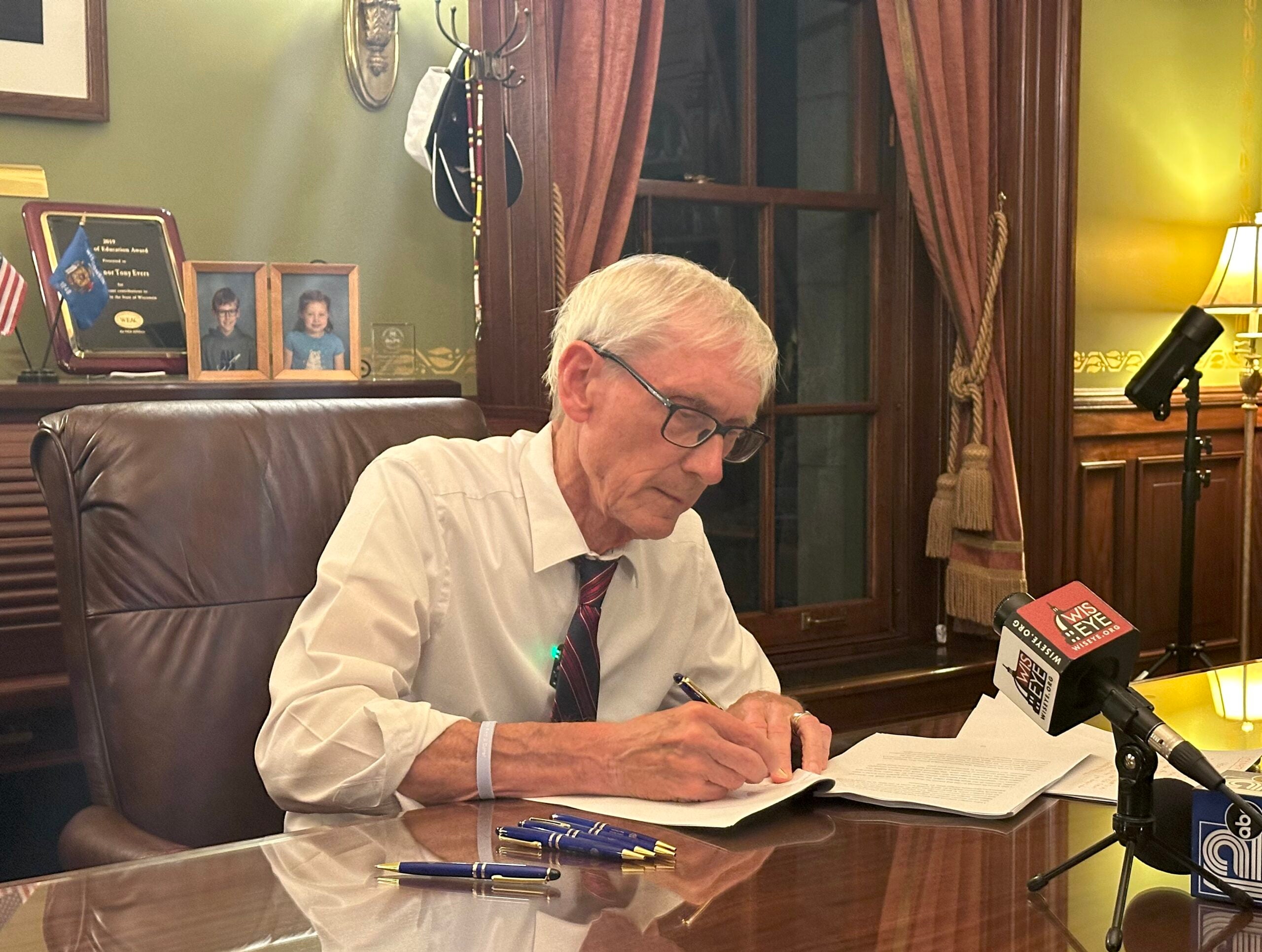
All three represent an escalation of a tactic Republicans who run the Legislature have turned to repeatedly since the election of Democratic Gov. Tony Evers in 2018. While Evers has vetoed record numbers of GOP bills, the process for constitutional amendments sidesteps a governor entirely.
The proposed amendment on DEI would prohibit “governmental entities in the state from discriminating against, or granting preferential treatment to, any individual or group on the basis of race, sex, color, ethnicity, or national origin in public employment, public education, public contracting, or public administration,” according to an analysis by the nonpartisan Legislative Reference Bureau.
It comes at a time when Republicans in both the state and federal governments have launched a full scale attack on DEI, arguing the efforts enable discrimination rather than fighting it.
“Preferential treatment to any individual or group is wrong, no matter who it targets or what the reason,” said Sen. Steve Nass, R-Whitewater. “Past discrimination, however wrong, cannot be corrected with more discrimination. Old wounds cannot be healed by inflicting new ones.”
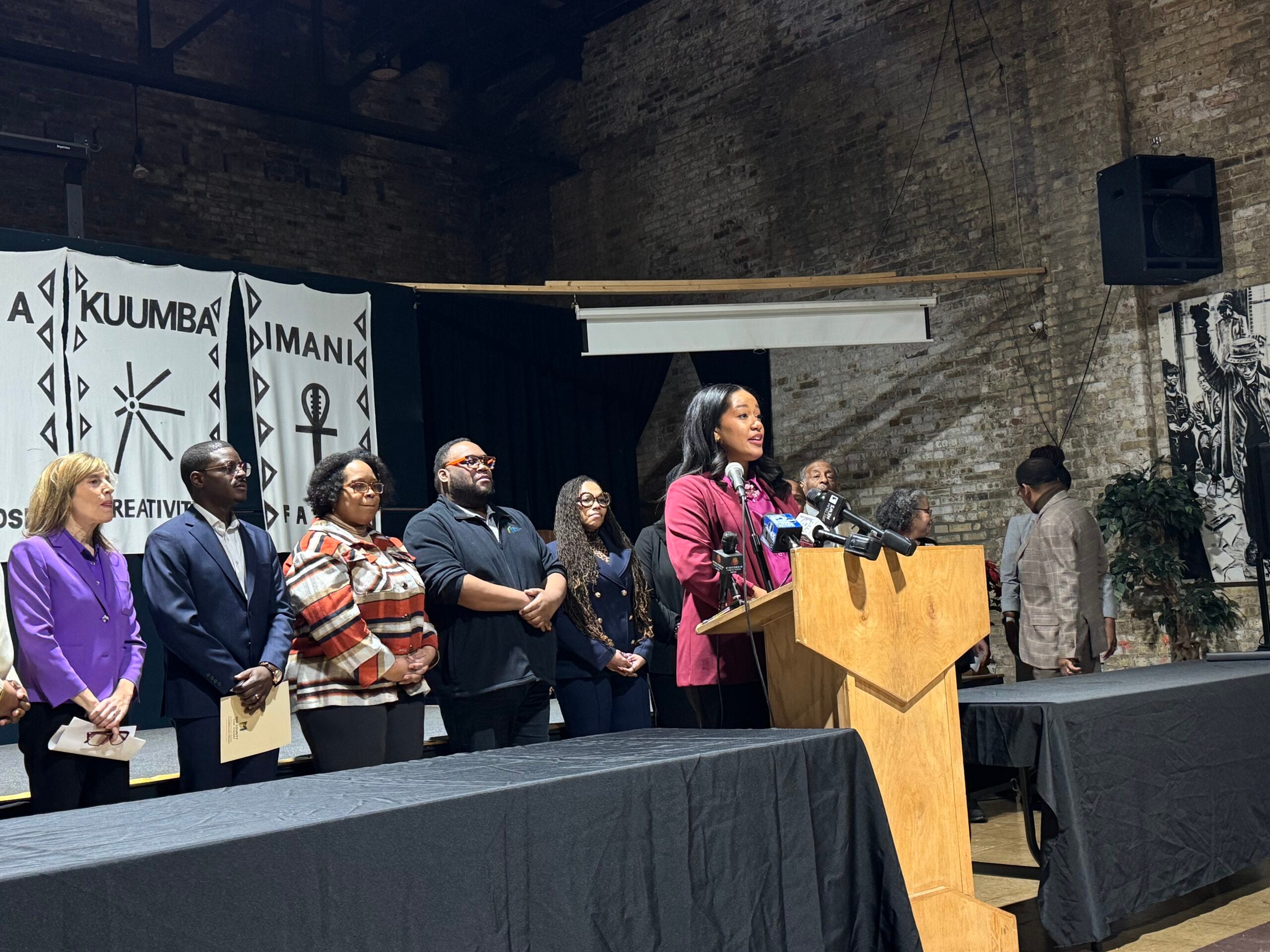
Democrats oppose the plan, arguing it would effectively lock into place a system of inequality that continues to harm both minority groups and women.
“It limits our own ability to help you — the public — and will make things worse,” said Sen. Dora Drake, a Democrat from Milwaukee who is Black. “Republicans will send us back to a pre-Civil Rights Era, possibly further.”
Constitutional amendments need to pass two consecutive sessions of the Legislature before they’re put on the ballot. The DEI resolution passed the Senate on an 18-15 party-line vote and cleared the Assembly earlier this month. It previously passed both chambers two years ago.
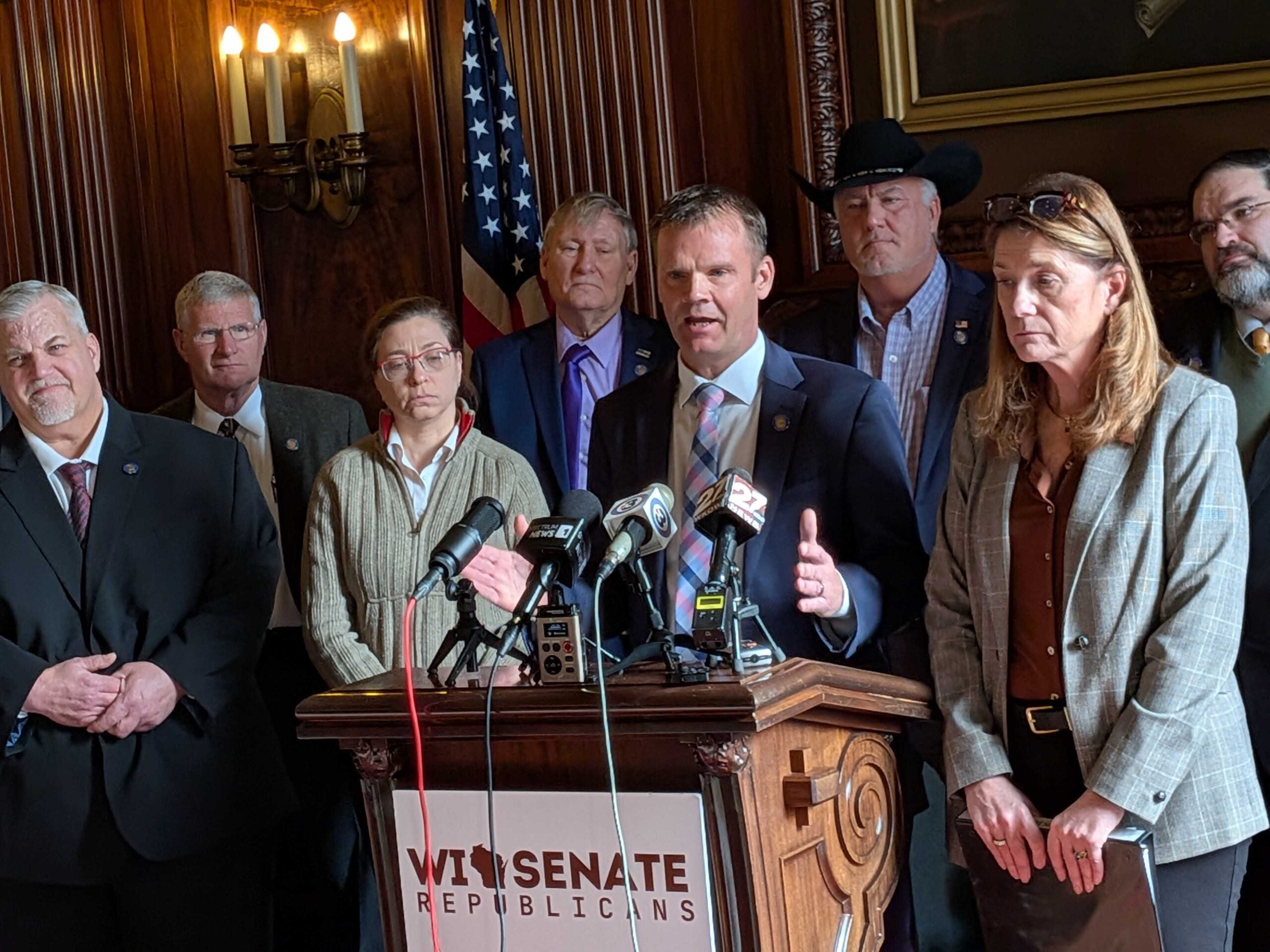
The proposed amendment on public health orders similarly passed on an 18-15 vote after passing the Assembly earlier this month and the full Legislature last session.
That measure would declare that state and local governments “may not order the closure of or forbid gatherings in places of worship in response to a state of emergency at the national, state, or local level, including an emergency related to public health.”
It’s a response to the Evers administration’s response to the COVID-19 pandemic, when sweeping public health orders banned large gatherings at places of worship, citing concerns that it could cause the virus to spread and lead to more deaths.
While no lawmakers debated the plan on the Senate floor, GOP sponsors have said that peoples’ right to practice religion should never be infringed by the government, particularly during an unsettling time like the early days of the pandemic.
The third proposed amendment would ban Wisconsin governors from using their powerful partial veto to create or increase any tax or fee. It comes after Evers used his veto to change what was supposed to be a two-year increase in school revenue limits into a 400-year increase, a move that was upheld by the Wisconsin Supreme Court.
Like the other resolutions, Evers can’t veto this plan, which passed last session and will head to voters once it clears the Assembly.
That would put three constitutional amendments on the ballot this November during an election cycle when Republicans could face significant political headwinds.
Sen. Tim Carpenter, D-Milwaukee, accused Republicans of pushing the amendments to drive up turnout for their candidates. He said it was reminiscent of the 2006 election, when the GOP added a proposed gay marriage ban to the statewide ballot, only to see it drive up turnout in student-heavy Democratic wards.
“I hope this backfires on you again, just like it did with the same sex constitutional amendment,” Carpenter said.
Senators pass dozens of bills, including new version of ‘no tax on tips’
In addition to the proposed amendments, GOP senators passed several high profile bills Wednesday as lawmakers look to adjourn their session for good some time in March.
Among those plans was the Senate’s version of a bill that would exempt cash tips from the income tax, which is different from one that passed the Assembly. Both houses would need to pass the identical bill before it can head to the governor’s desk.
The Senate bill would provide an annual exclusion not to exceed $25,000 for qualified tips that are reported by a worker on their federal income tax form. It would be based on a similar tax break in President Donald Trump’s sweeping One Big Beautiful Bill Act.
The tax break would be in effect for three years. The Legislature’s nonpartisan budget office estimates it would reduce state tax collections by about $97 million in the first year, $49 million in the second year and $48 million in the third.
It passed 21-12 with support from all Republicans along with three Democrats: Sens. Sarah Keyeski of Lodi, Brad Pfaff of Onalaska and Jamie Wall of Green Bay. All three represent competitive districts.
Other measures that passed the Senate Wednesday include:
- A bill to ban “foreign adversaries” from acquiring agricultural or forestry land in the state. All Democrats voted against the plan, arguing it could end up targeting historic allies of the U.S. due to the whims of Trump’s administration.
- A measure that would require schools to explain pregnancy, prenatal development and childbirth as part of a human growth and development class. Republican backers said it would give young people more information about pregnancy. Democrats called it “anti-choice propaganda.”
- A bill that would make it harder to pass local wheel taxes, which are in place in 14 counties and 54 municipalities across Wisconsin.
- A proposal to change certain race-based programs in higher education so that they apply to disadvantaged students rather than minority students.
- A GOP plan to clamp down on credit card campaign contributions, which is part of a growing right-wing push to go after the Democratic fundraising juggernaut ActBlue.

Wisconsin Public Radio, © Copyright 2026, Board of Regents of the University of Wisconsin System and Wisconsin Educational Communications Board.