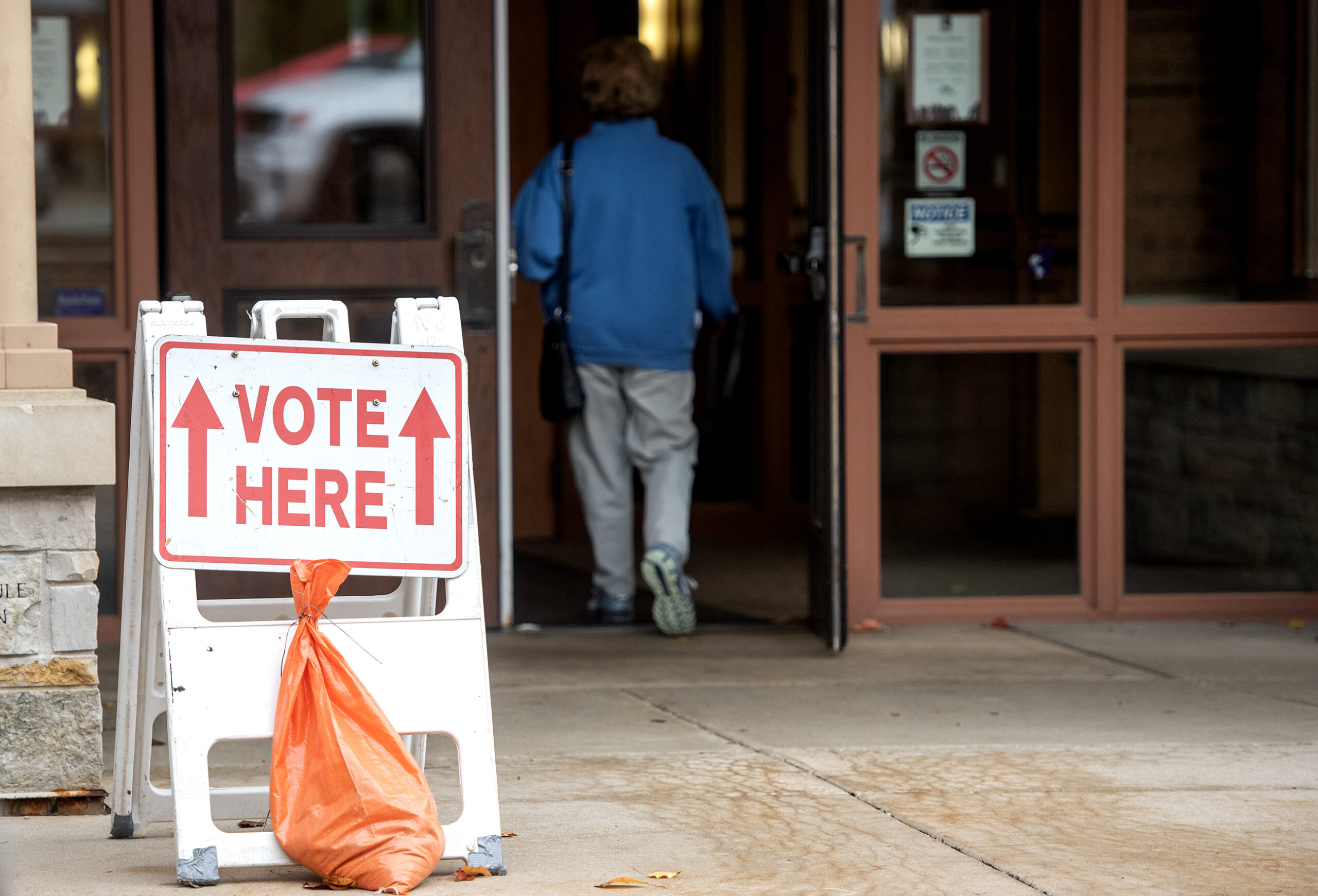
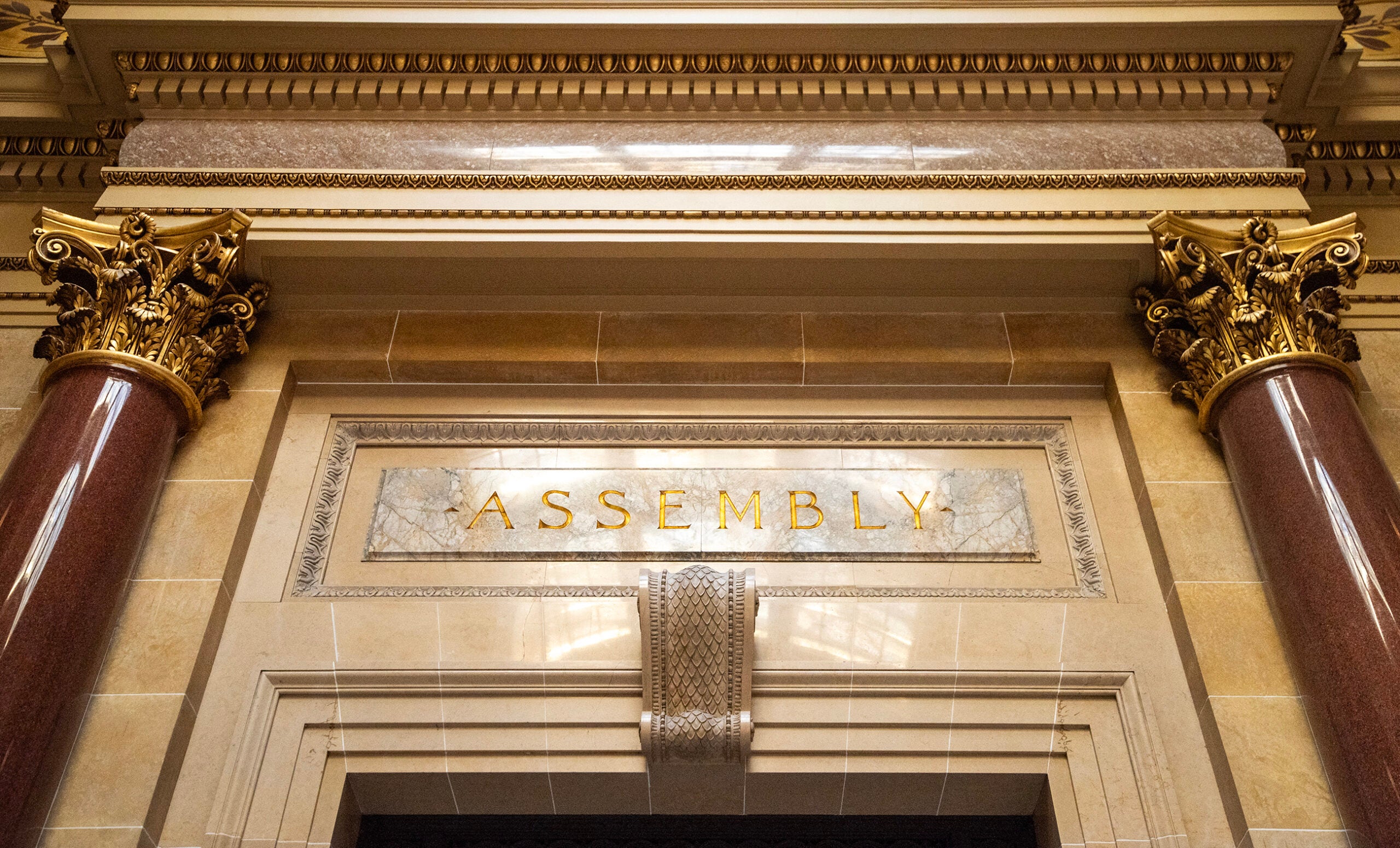
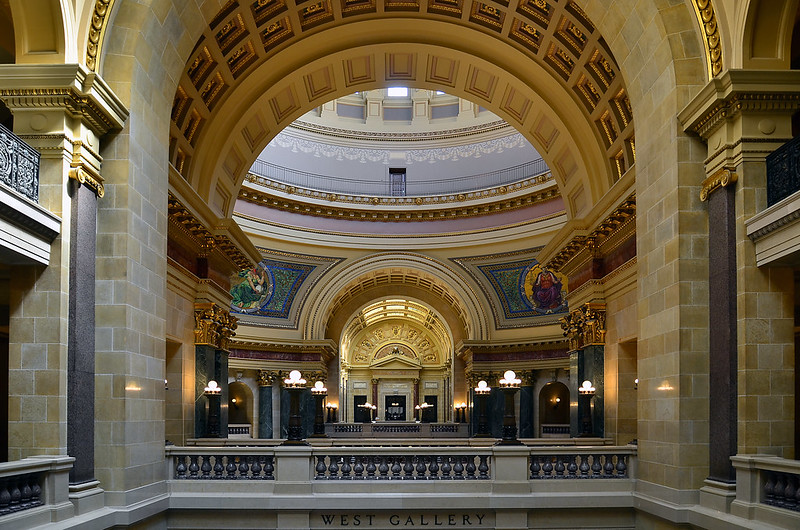
Two proposed changes to the state constitution could be heading to voters for a final say in November, after they passed out of the Wisconsin Assembly on Tuesday.
One proposal would ban governmental bodies from “discriminating against, or granting preferential treatment” in matters of public education or employment, while the other would bar the government from closing houses of worship during times of emergency.
Also on Tuesday, lawmakers moved forward a bill to define grooming in law and make it a felony. And the Assembly passed a bill that directly responds to the recent trial against Milwaukee Judge Hannah Dugan.
News with a little more humanity
WPR’s “Wisconsin Today” newsletter keeps you connected to the state you love without feeling overwhelmed. No paywall. No agenda. No corporate filter.
The first proposed constitutional amendment passed with only Republican support, with supporters saying it will improve fairness. During committee debate about the proposal, supporters pointed to a civil rights investigation into Green Bay public schools for allegedly denying resources to a student with special needs because he is white.
Democrats who opposed the motion said that it would make it harder to improve outcomes among people from marginalized backgrounds.
“The sense of ‘preferential treatment’ will be used to further target any assistance that might be helpful, particularly, to students of color,” said Rep. Margaret Arney, D-Wauwatosa. “We need to do more to have Black and brown kids succeed in Wisconsin, not less.”
Wisconsin already has several anti-discrimination laws on the books, including barring discrimination in hiring and when accessing spaces and services. The proposal’s author, Rep. David Murphy, R- Hortonville, said enshrining the ban into the state constitution would allow people who feel wronged to seek justice in state courts.
The proposal is also part of a years-long effort on the part of legislative Republicans to erode DEI practices, which Assembly Speaker Robin Vos has described as “cancerous.”
The houses of worship proposal is a response to actions that Gov. Tony Evers’ administration took during the early months of the COVID-19 pandemic, prohibiting gatherings of more than 10 people. Supporters described it as a move to separate church from state, stating that First Amendment religious freedom supersedes things like severe weather, political unrest or a pandemic.
“Our founders promised people of faith that government would never — N-E-V-E-R — never take the right to assemble away from them,” said Rep. Ron Tusler, R-Harrison, who co-authored the proposal.
Although no Democrats spoke against the resolution on Tuesday, critics say the change would impede efforts to halt the spread of disease. It passed with all Republican in support, joined by two Democrats: Rep. Sylvia Ortiz-Velez, D-Milwaukee, and Rep. Russell Goodwin, D-Milwaukee.
If the proposals pass out of the Senate this session, both will have to be approved by voters, and could appear on statewide ballots as soon as November. Constitutional amendments are not subject to a governor’s veto.
Defining and criminalizing ‘grooming’
The problem of educators engaging students in ongoing inappropriate and sexual conversation or contact sprung to public attention in October, after reporting from the Cap Times indicated that the Department of Public Instruction had investigated hundreds of such incidents without disclosing that to parents.
But Rep. Amanda Nedweski, R-Pleasant Prairie, who authored a bill to define and criminalize grooming, said she’d been working on the issue for a year-and-a-half, since she learned about a Kenosha teacher who exchanged hundreds of sexually suggestive texts with a student, beginning when the student was 12 years old.
The bill “criminalizes patterned and intentional conduct that predators use to entice a child for further abuse,” Nedweski told reporters ahead of the vote. “This is not about vague feelings or misunderstandings. There needs to be a pattern of predatory behavior with the intent to have sexual contact with the victim.”
The bill makes such behavior a felony, with increased penalties if the convicted person is in a position of power over the child, if the child has a disability or if two or more children were targeted.
The bill passed 93-6, with only Democrats opposed and now heads to the Senate.
Responding to the Hannah Dugan case
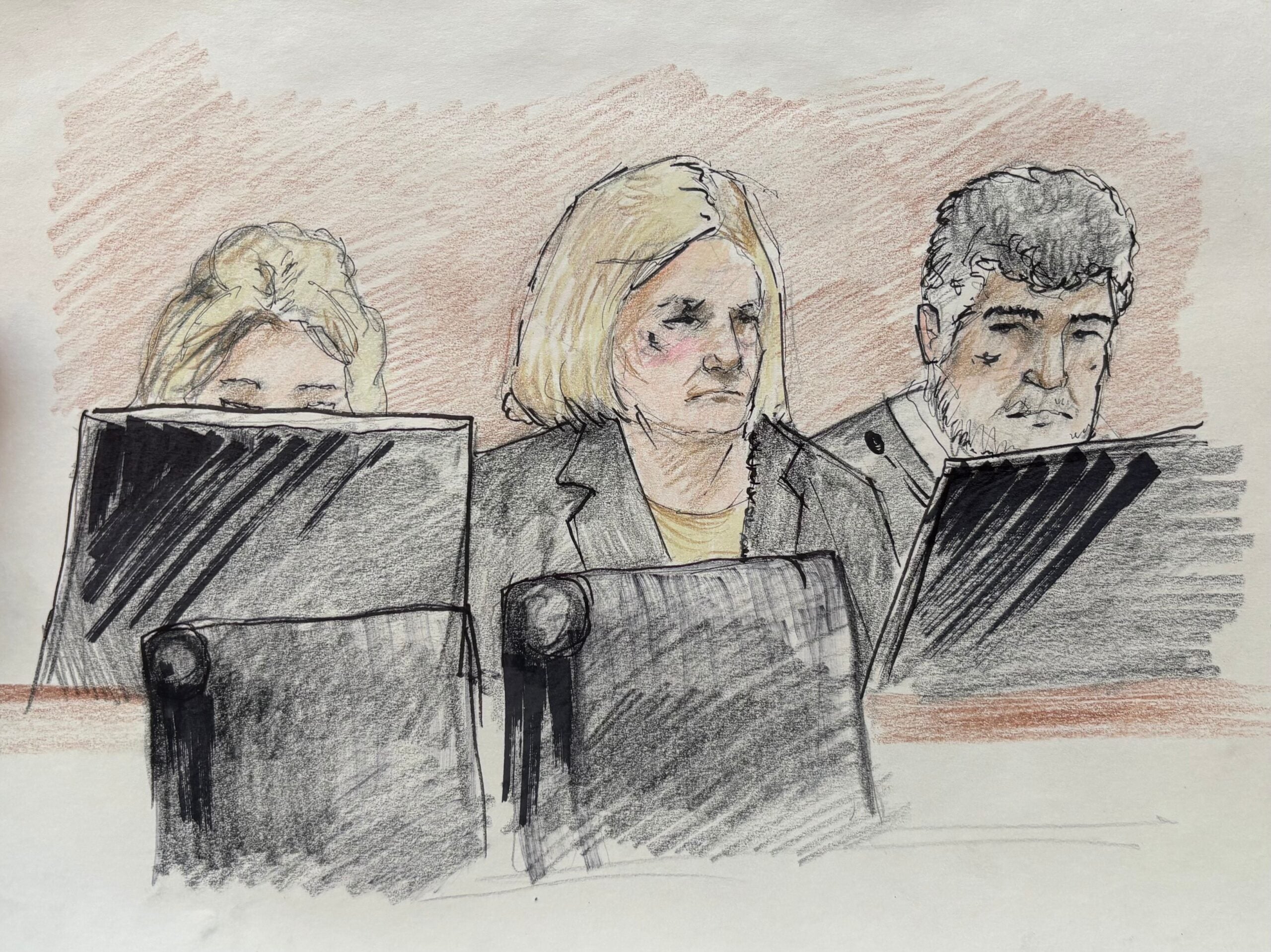
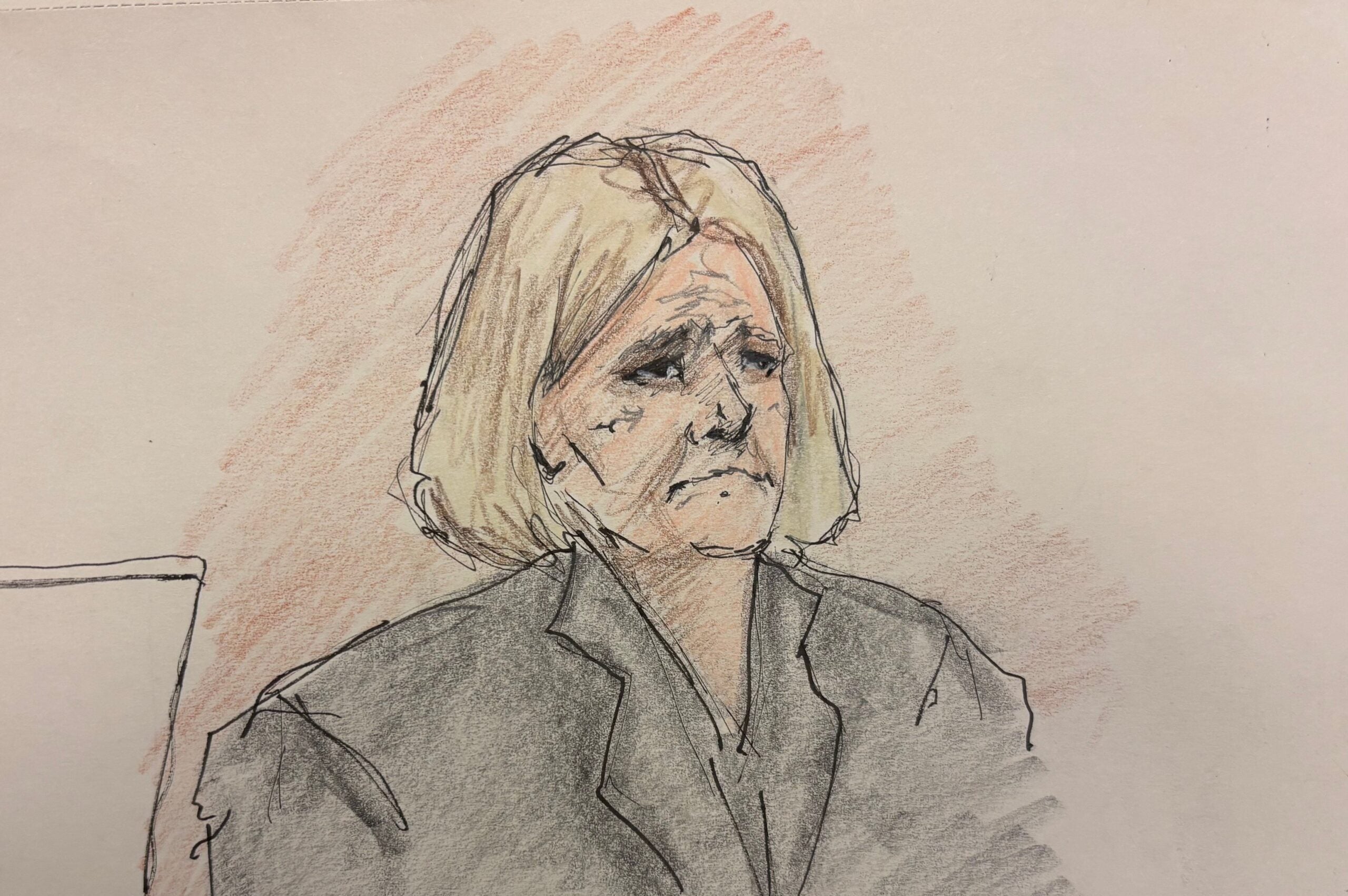
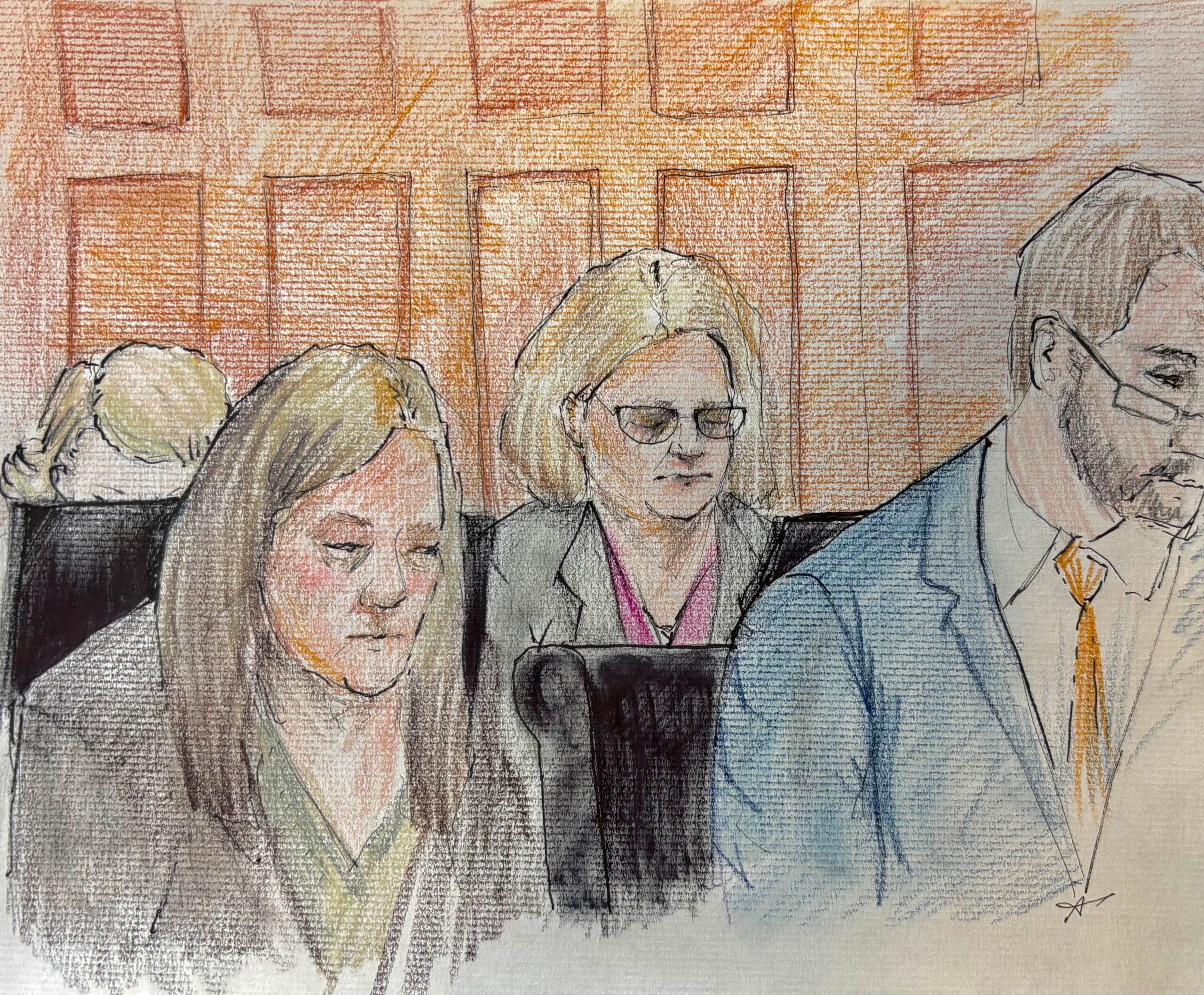
Lawmakers also approved a bill that would pause a judge’s paychecks while they’re suspended by the state Supreme Court for a criminal allegation. It’s a direct response to the Dugan case, in which the Milwaukee judge led a man through a side door of her courtroom last April, after federal immigration agents entered the building to arrest him.
Dugan was suspended from the bench shortly thereafter, with the Wisconsin Supreme Court saying it would be in the public interest while Dugan was under investigation. She was found guilty of felony obstruction in late December, and resigned in early January. During the eight months between her suspension and her resignation, Dugan continued to collect her salary of $179,774, according to information provided by a state court spokesperson in late 2025.
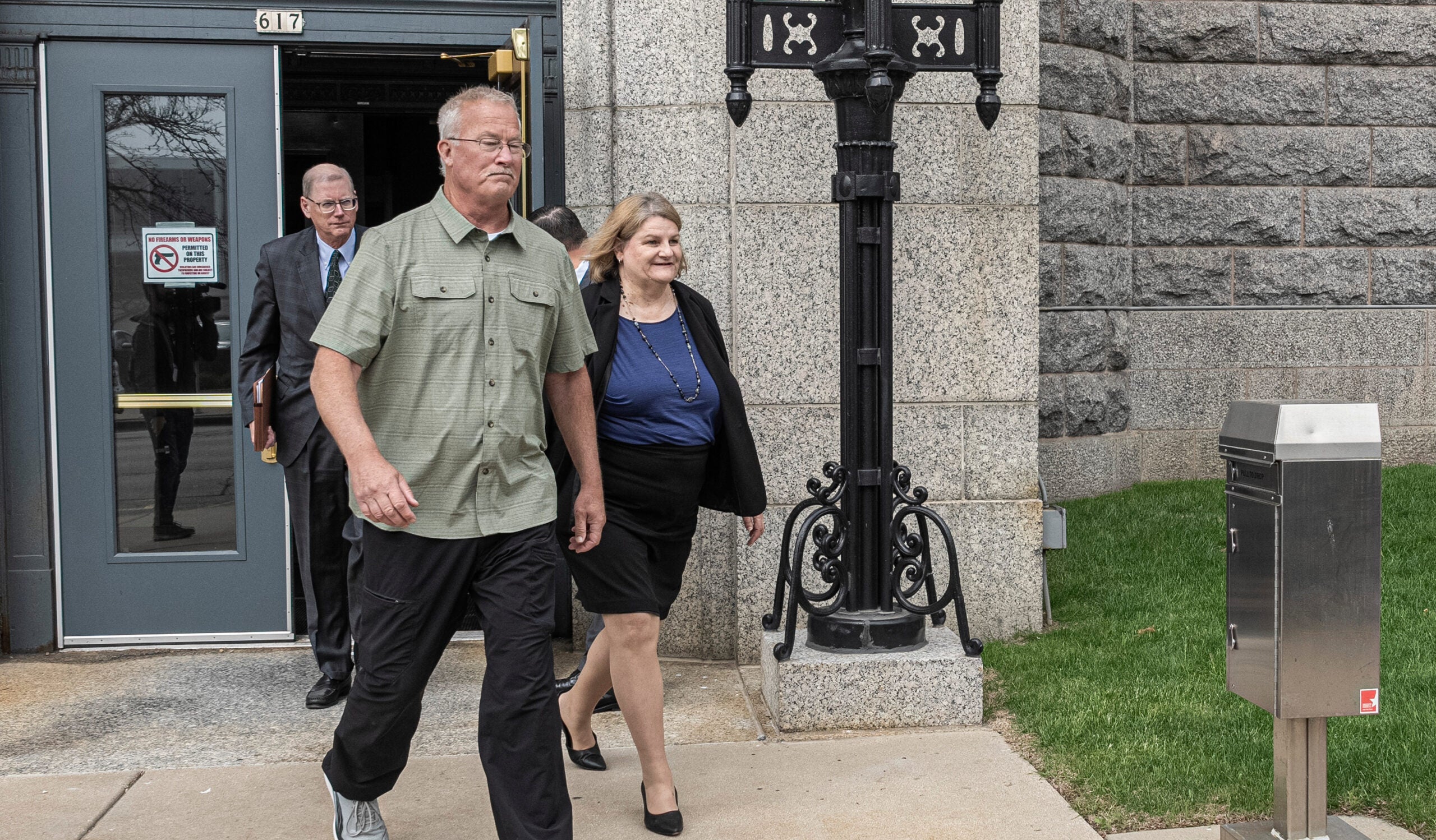
The bill’s co-author, Rep. Shae Sortwell, R-Two Rivers, said that, if a similar case unfolds in which the accused judge is found innocent, the judge would receive back pay.
“And good riddance to her,” he said of Dugan.
Rep. Andrew Hysell, D-Sun Prairie, pointed out that Dugan had been suspended by the Wisconsin Supreme Court under their authority to determine how to uphold public confidence in the courts — not under statute.
“So in other words, this bill, had it been enacted in a law, it would have saved exactly zero dollars for the taxpayer,” he said. “So let’s just call this bill what it is: an exercise in messaging.”

Wisconsin Public Radio, © Copyright 2026, Board of Regents of the University of Wisconsin System and Wisconsin Educational Communications Board.