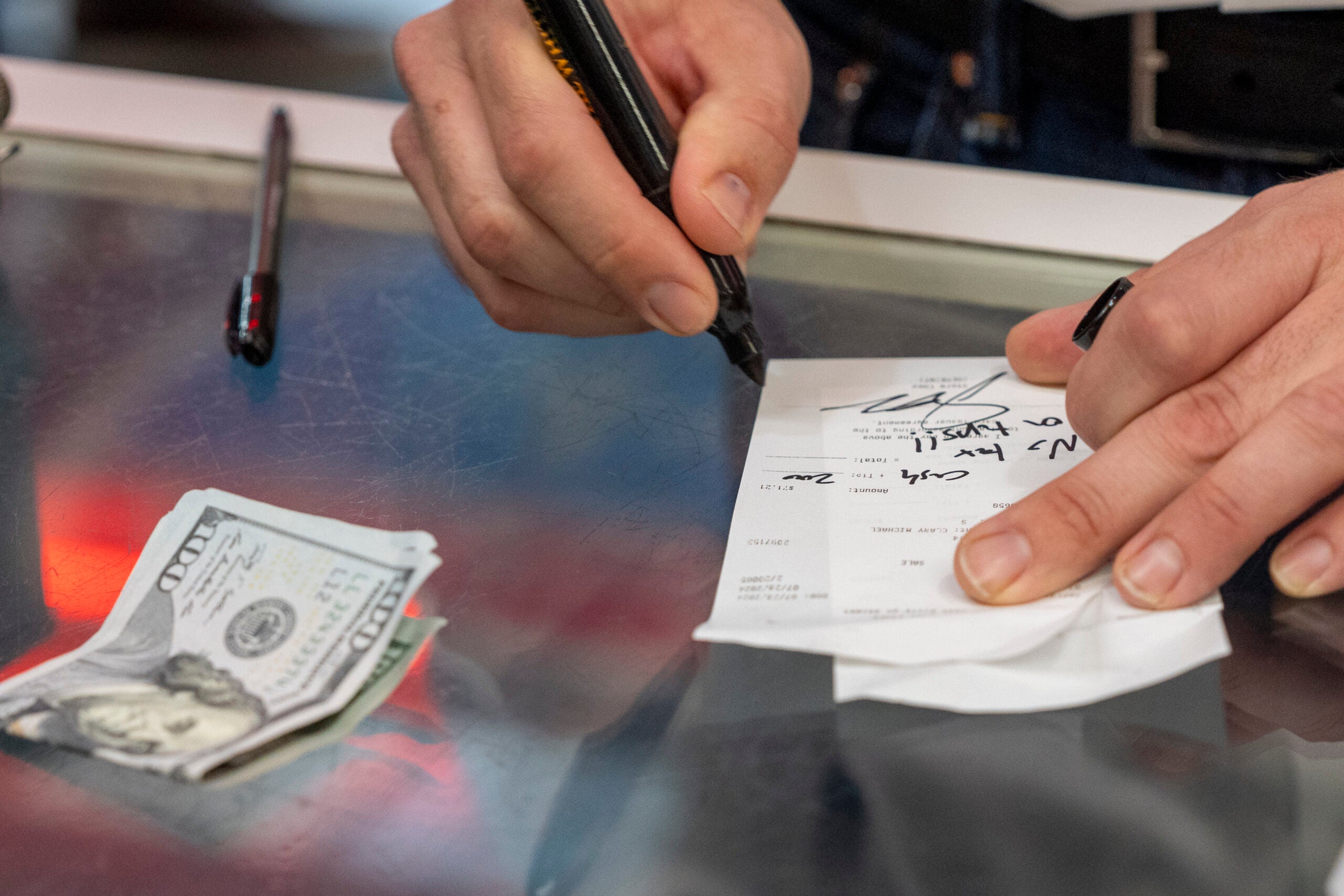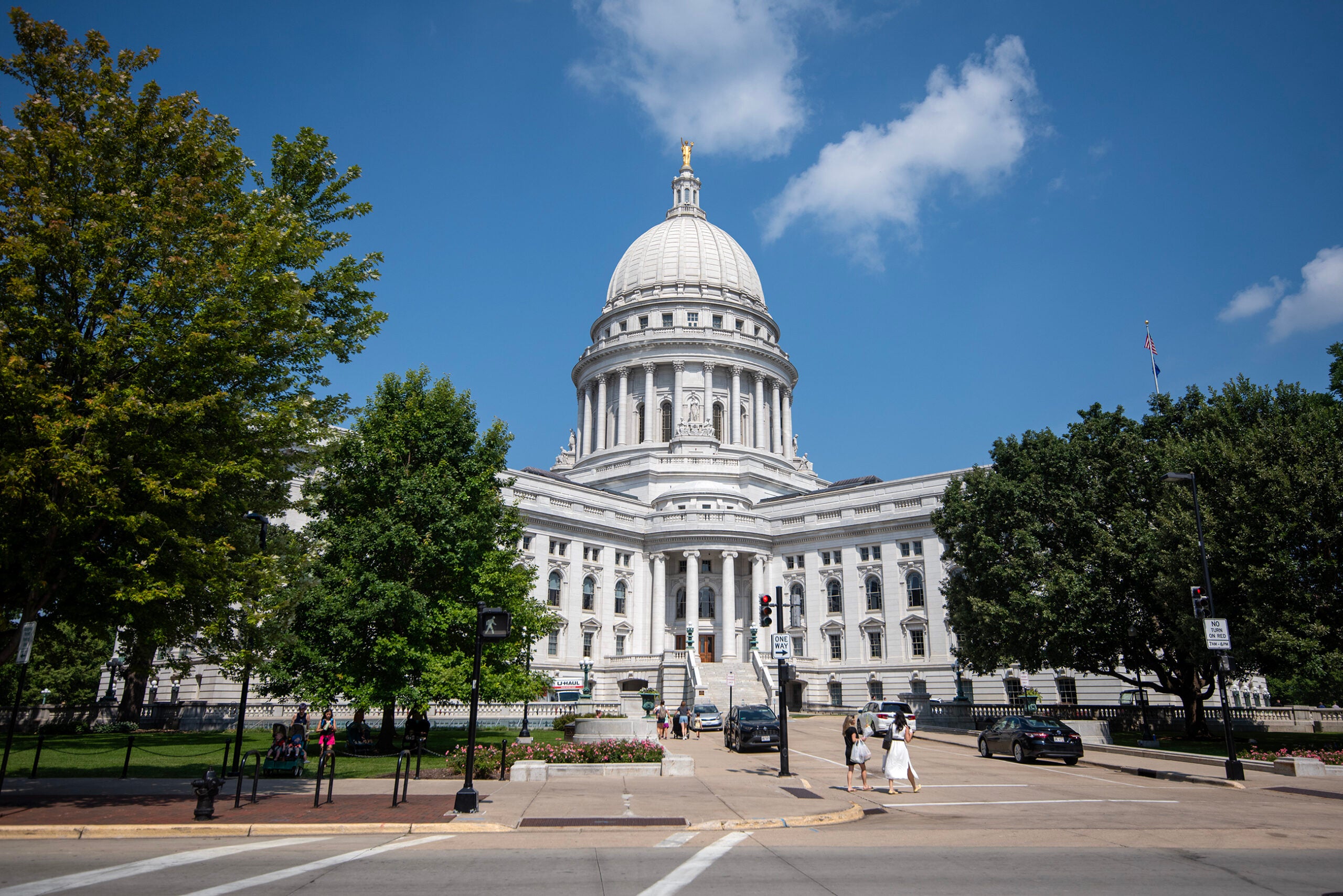

Assembly lawmakers approved a bill Thursday to eliminate income taxes on cash tips and some overtime work, reflecting provisions established nationally by President Donald Trump’s administration and embraced by lawmakers from both parties.
But some Democrats in opposition described these as gimmicks that help higher earners more than working- and middle-class people.
During debate on the “no tax on tips” bill, supporters argued it supports service industry workers, who tend to be lower wage.
News with a little more humanity
WPR’s “Wisconsin Today” newsletter keeps you connected to the state you love without feeling overwhelmed. No paywall. No agenda. No corporate filter.
“No-tax-on-tips is a tax cut for the working- and middle-class,” said Rep. Ron Tusler, R-Harrison, who co-authored the bill. “A tip isn’t mandatory. A tip is a way that we say thank you to someone who served you. If a server doesn’t get tipped, they can claim you stole their service in the same way that a restaurant could claim you stole their meal. Gifts should not be taxable income.”
As written, the bill would allow tipped workers to subtract those earned tips from what they file in their state income taxes. It would be capped at $25,000 and phased out for higher-earning households, through the year 2028.
Opponents took issue with the implementation mechanism, which would require people to file amended returns.
And some Democrats, like Rep. Ryan Clancy, D-Milwaukee, said there are more holistic ways of supporting low-wage workers, like eliminating the tipped minimum wage entirely, which is less than the standard minimum wage.
“Changing that will do far, far more to help workers, especially at the low end of wages, than eliminating taxes on declared tips,” he said.
The bill passed 61-33, with all Republicans and some Democrats in support. A Democratic amendment to eliminate the tipped minimum wage, which is significantly lower than the state minimum wage, failed.
The legislation is similar to a proposal Gov. Tony Evers included in his state budget last year, and which Republicans nixed. And it mirrors federal policy that President Trump campaigned on and later enacted through his signature tax and immigration bill, known as the One Big Beautiful Bill Act.
The measure would still need to pass the Senate. If Evers signs the bill, tipped workers in Wisconsin would be able to subtract those from both federal and state income taxes. Speaking to reporters on Monday, Evers kept his options open.
“I’m willing to take a look at that,” he said.
Separately, lawmakers also advanced a proposal to allow exempt overtime pay from income tax. That would be capped at $12,500 worth of income for individual filers, or $25,000 for married filers, and people earning more than $250,000 as an individual, or $500,000 as a family, would not be eligible.
That bill passed 61-35.

Wisconsin Public Radio, © Copyright 2026, Board of Regents of the University of Wisconsin System and Wisconsin Educational Communications Board.