Research
-
Can fruit flies lead to new treatments for incurable childhood brain cancer?
Using fruit flies, researchers at UW-Madison are uncovering a new way to think about treating an aggressive and deadly form of childhood brain cancer.

-
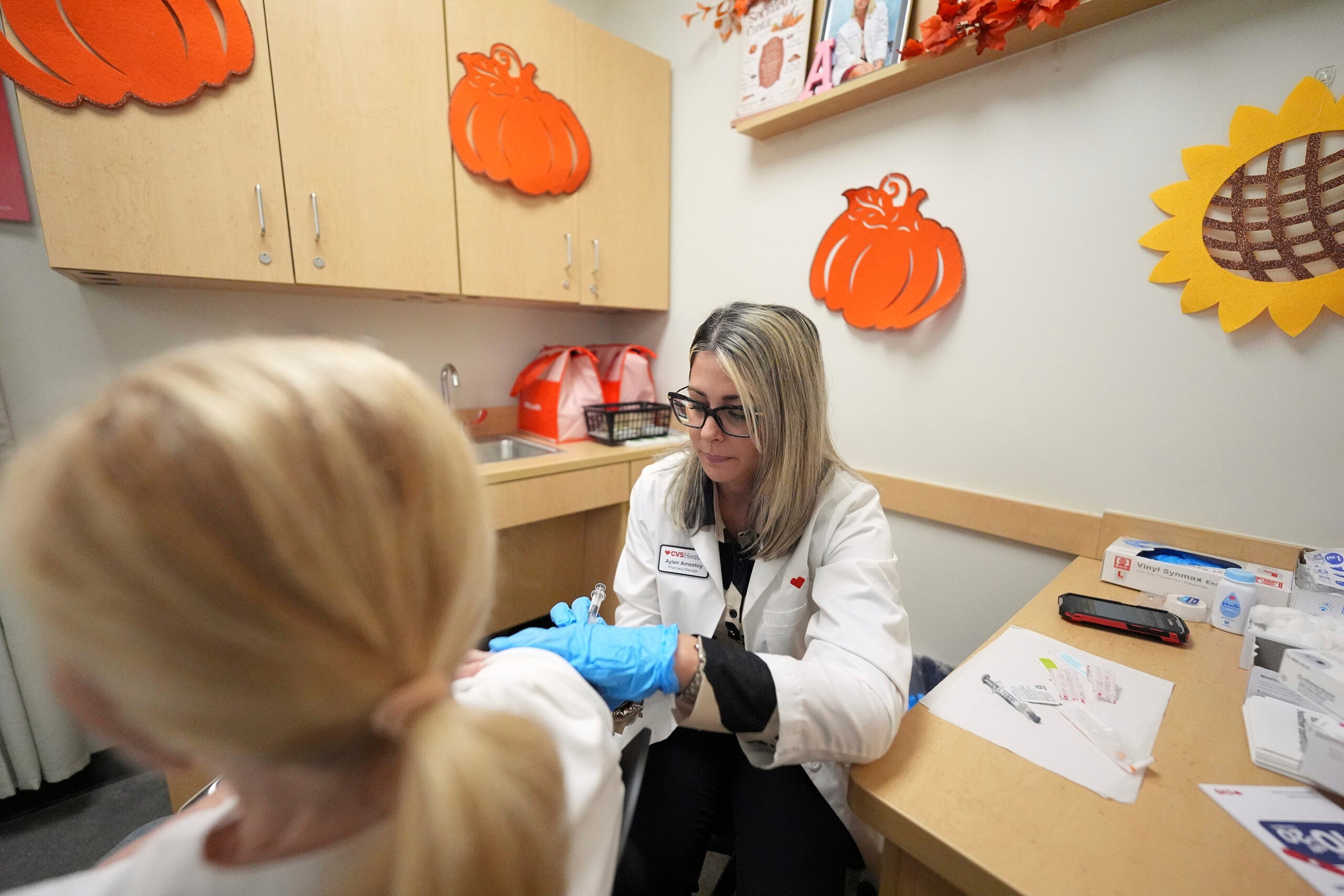
Wisconsin researcher finds COVID-19 vaccine offers stronger protection than once thought
Researchers have long known that the COVID-19 vaccine protects individuals against severe illness. But a study analyzing data from the pandemic finds that the vaccine actually reduces the spread of the disease between vaccinated people and their close contacts.
-
UW-Madison seeks additional $13.5M for planned cancer research, treatment facility
A University of Wisconsin Board of Regents committee has signed off on a $13.5 million expansion of a planned cyclotron particle accelerator research facility that will create radioactive isotopes used in cancer research, detection and treatment.

-
Wisconsin researchers sound alarm after US Supreme Court upholds DEI-related research cuts
A week before students return to campus, a UW-Milwaukee neuroscientist said she has to call the students back “and tell them, ‘Oh, sorry, this is actually now not happening.’”
-
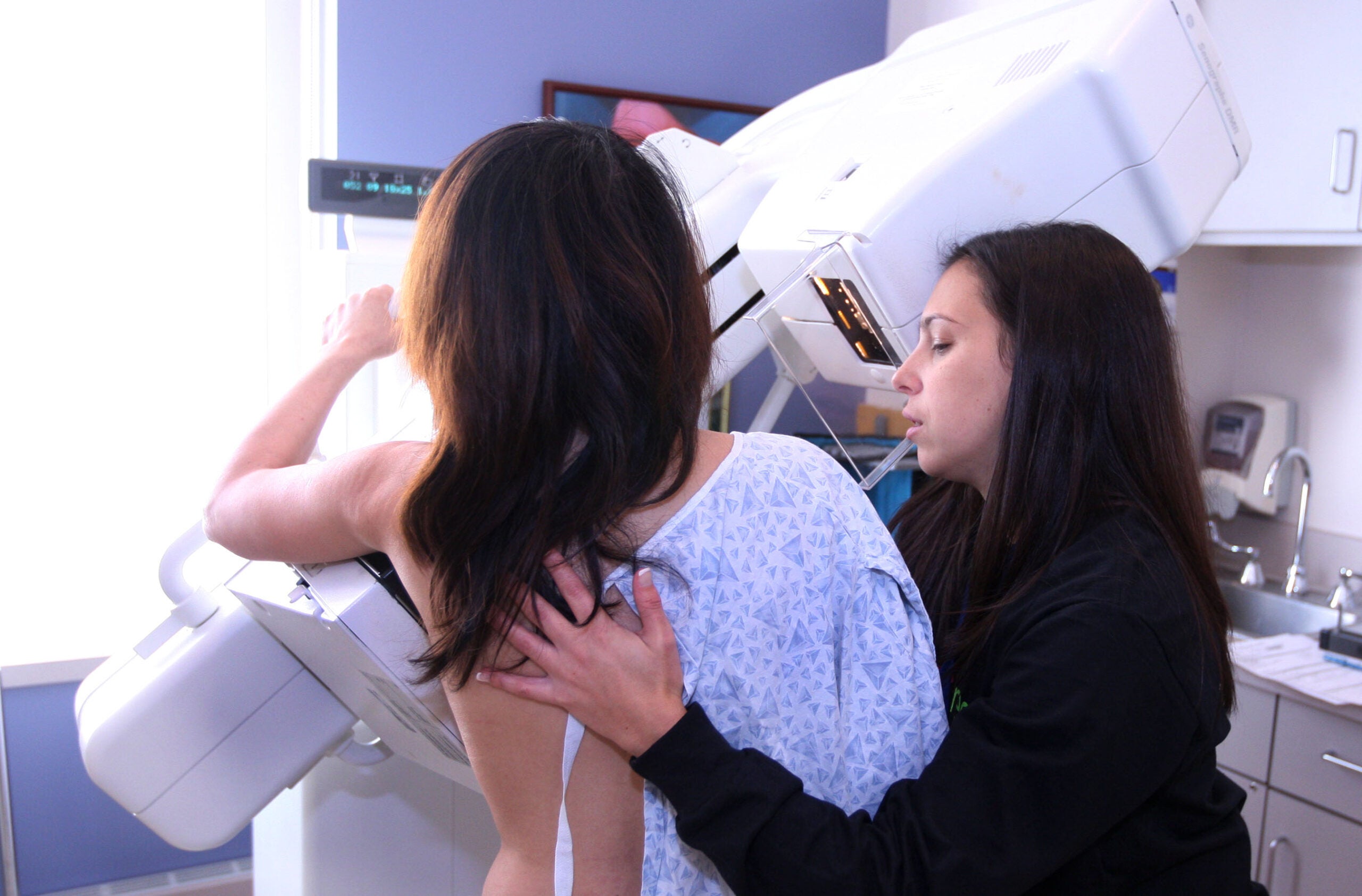
Wisconsin scientists highlight work on breast cancer research
A pair of UW researchers spoke with WPR’s “Wisconsin Today” about the latest in treatment, prevention and early detection of breast cancer.
-
New study finds wake boats should stay in deeper waters while wake surfing
In a new study, researchers at the University of Minnesota are recommending that wake boats stay in deeper waters when wake surfing to avoid any harm to the lake bottom and water quality.

-
Epilepsy treatment research could bring patients closer to a ‘seizure-free’ life, says Wisconsin doctor
According to a Wisconsin clinical pharmacist, advancements in epilepsy treatment research include genetics, medical devices and prescription CBD.
-
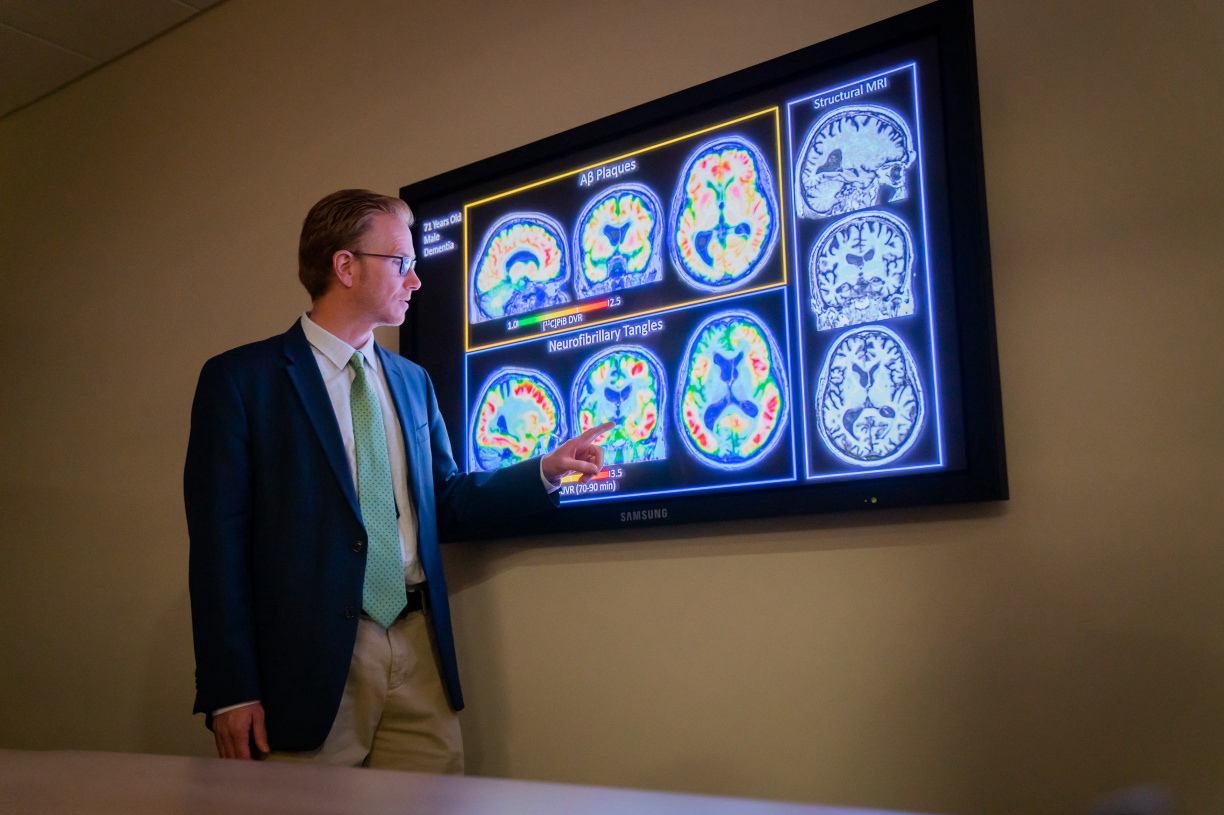
Proposed federal cuts could jeopardize Wisconsin Alzheimer’s research
Alzheimer’s disease studies at UW-Madison rely on university buildings and services funded by threatened NIH “indirect cost” awards, researchers said.
-
Wisconsin scientists say research could suffer as funding uncertainty shrinks grad student enrollment
Wisconsin researchers said federal funding delays have lingering effects, including fewer graduate trainees arriving on campus this fall.
-
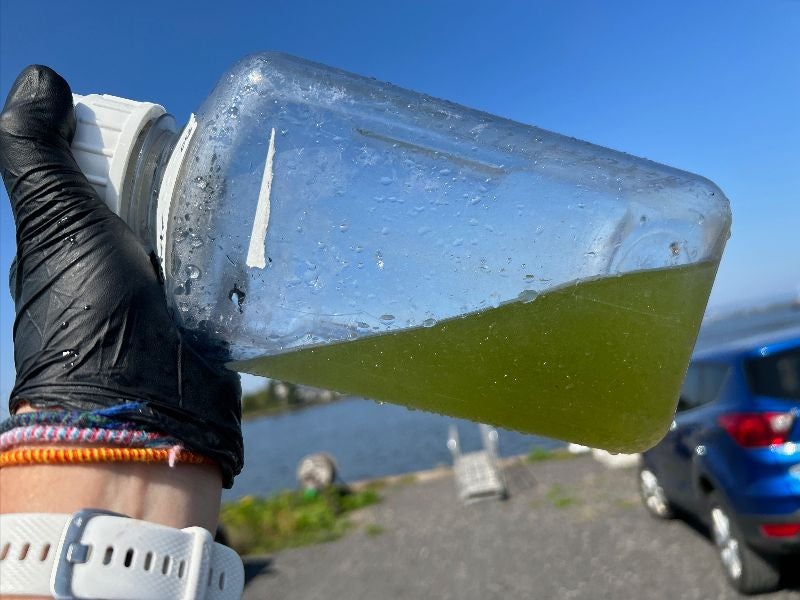
Research pinpoints type of blue-green algae that may produce toxins in Lake Superior estuary
Researchers have identified a species of cyanobacteria in the Duluth-Superior harbor that’s capable of producing harmful algal blooms, which may lead to better monitoring or management.