One in eight women will be diagnosed with breast cancer during their lifetime, according to the American Cancer Society. And, fortunately, research into breast cancer treatment, prevention and detection has come a long way over the years.
Dr. Kari Wisinski, oncologist and co-leader for the Breast Cancer Disease-Oriented Team at the University of Wisconsin-Madison Carbone Cancer Center, said breast cancer treatments have developed significantly over her 17-year career.
Wisinski recently talked with WPR’s “Wisconsin Today” highlighting the growing use of various therapies, including immunotherapies, and their growing success in breast cancer treatments.
News with a little more humanity
WPR’s “Wisconsin Today” newsletter keeps you connected to the state you love without feeling overwhelmed. No paywall. No agenda. No corporate filter.
“The way I think about it is our body’s immune systems really should have some ability to identify cancer cells and help target them, but unfortunately, our many cancers have figured out ways to tell the immune system not to recognize it,” she said. “Immunotherapies have figured out a strategy to overcome that, to allow our own body’s immune systems to recognize and target cancer cells.”
Last year, the American Cancer Society funded $81 million in grants for breast cancer research, including work on immunotherapies.
The Trump administration is proposing cuts to research grants through the National Institutes of Health that would affect work on breast cancer. Wisinski said that the proposed cuts would have “significant impacts” on breast cancer research moving forward, especially when it comes to clinical trials of new treatments at cancer centers around the country.
“If we do not in the future have that type of support for those clinical trials, it’s hard not to imagine that it will slow the progress of what we are doing,” she said.
Wisinski said there are many different types of breast cancer, and which cancers develop can depend on a variety of factors. That, combined with an individual’s medical history and what stage of cancer they have, can make treatment unique for every person, she said.
“I think we see a future where we’re going to do (individualized treatments) even more and more,” Wisinski said. “I think that has been an evolution in even just the 17 years that I’ve been in practice, and we’re seeing that continue to grow.”
Prevention and early detection of breast cancer
Dr. Amy Trentham-Dietz is a cancer epidemiologist at the Carbone Cancer Center. Her work focuses on research into treatment and early detection.
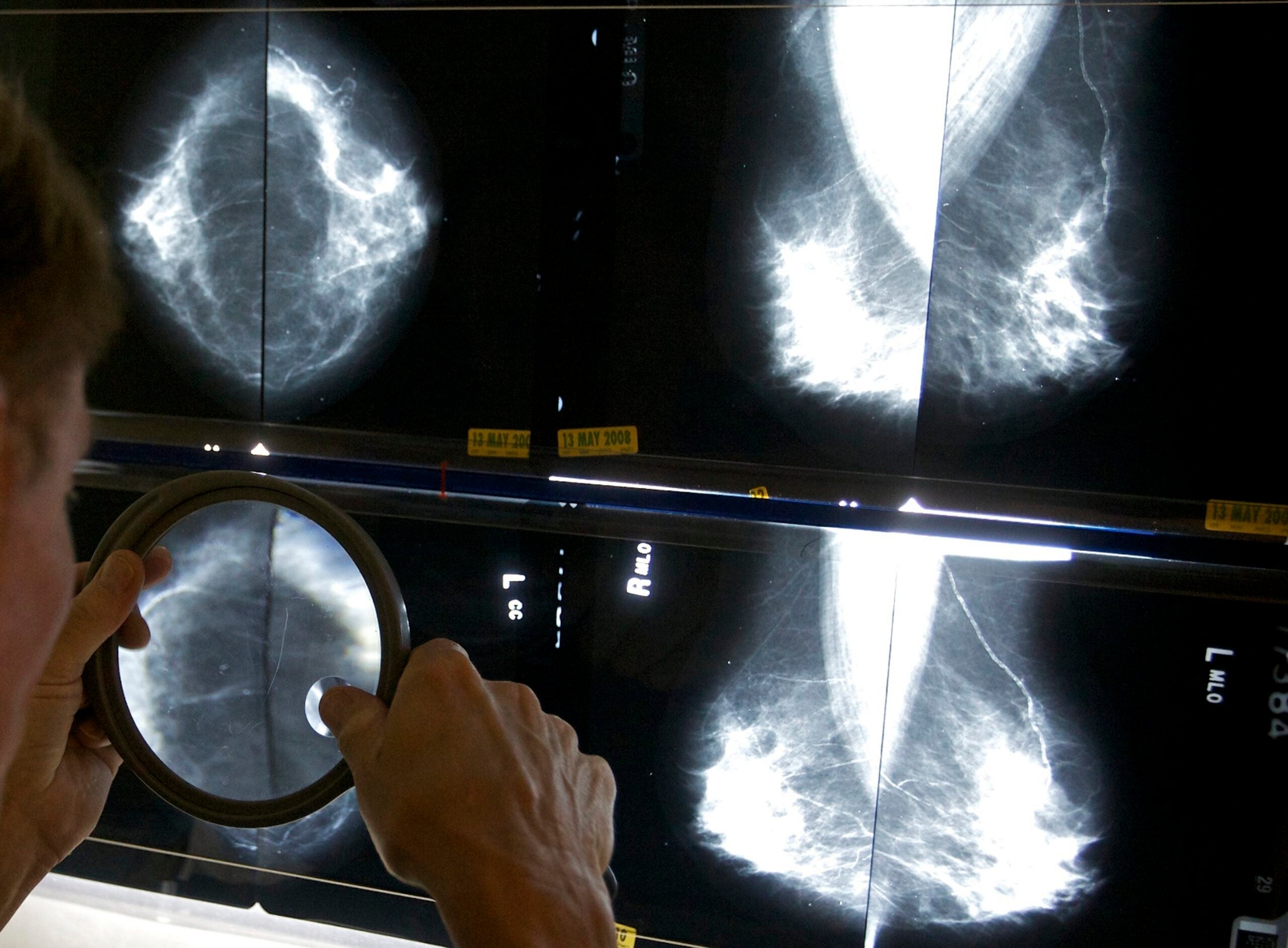
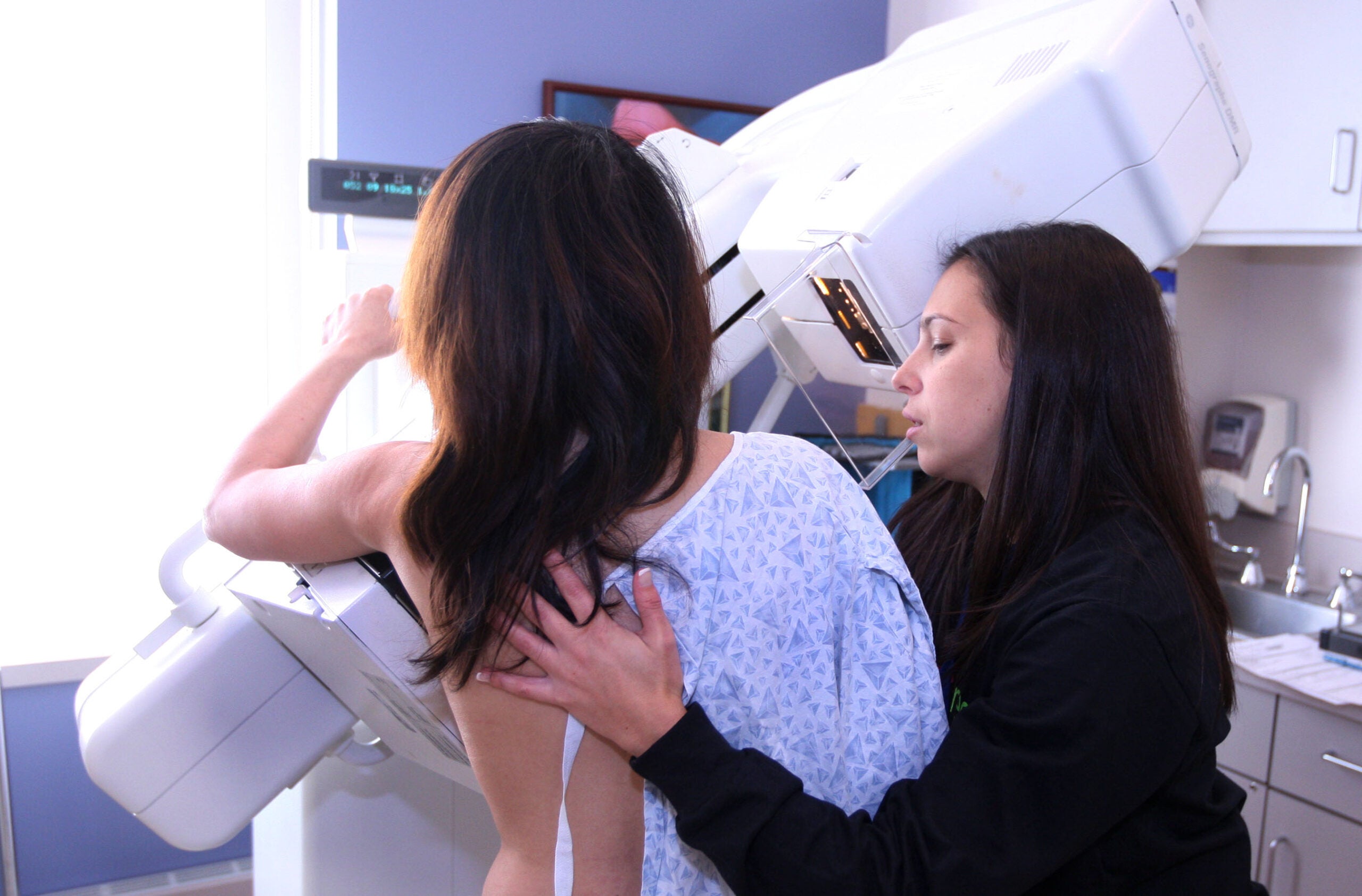
She told “Wisconsin Today” that all major breast cancer organizations now recommend women get mammogram screenings starting at age 40.
“Catching breast cancer early compared to later is so essential, because when breast cancer is detected at a later stage, the treatments are just not as effective,” she said. “That’s why mammography is so important, because earlier on, the treatments are more effective and they also might be less aggressive. Women may be able to avoid certain chemotherapies or medicines that may make them not feel very good.”
Dr. Trentham-Dietz said women who regularly get screened should be aware that false positives can happen. She said a woman getting screened every year likely could expect to receive a false positive at some point in their lifetime and should be prepared for additional tests in those cases to double check.
But as technology for mammograms has evolved to more accurate 3D models, Trentham-Dietz said false positives are becoming less frequent. That, she said, is partly why women are now recommended to start mammograms at age 40 rather than 50.
When it comes to prevention, Trentham-Dietz said most of the things people can do to better prevent breast cancer are following general health practices, like infrequently drinking alcohol — if at all, remaining physically active and eating a healthy diet.
“It may not feel particularly satisfying to have this general advice and not have something that’s very directed to breast cancer, but it is true that these other general health factors do play a role in breast cancer,” Trentham-Dietz said. “Factors that prevent breast cancer also help to prevent heart disease and other things, too.
Trentham-Dietz said breastfeeding a child could also help reduce the risk of breast cancer. But she acknowledged that the risk of breast cancer is typically not the top priority when women are making the decision to breastfeed.