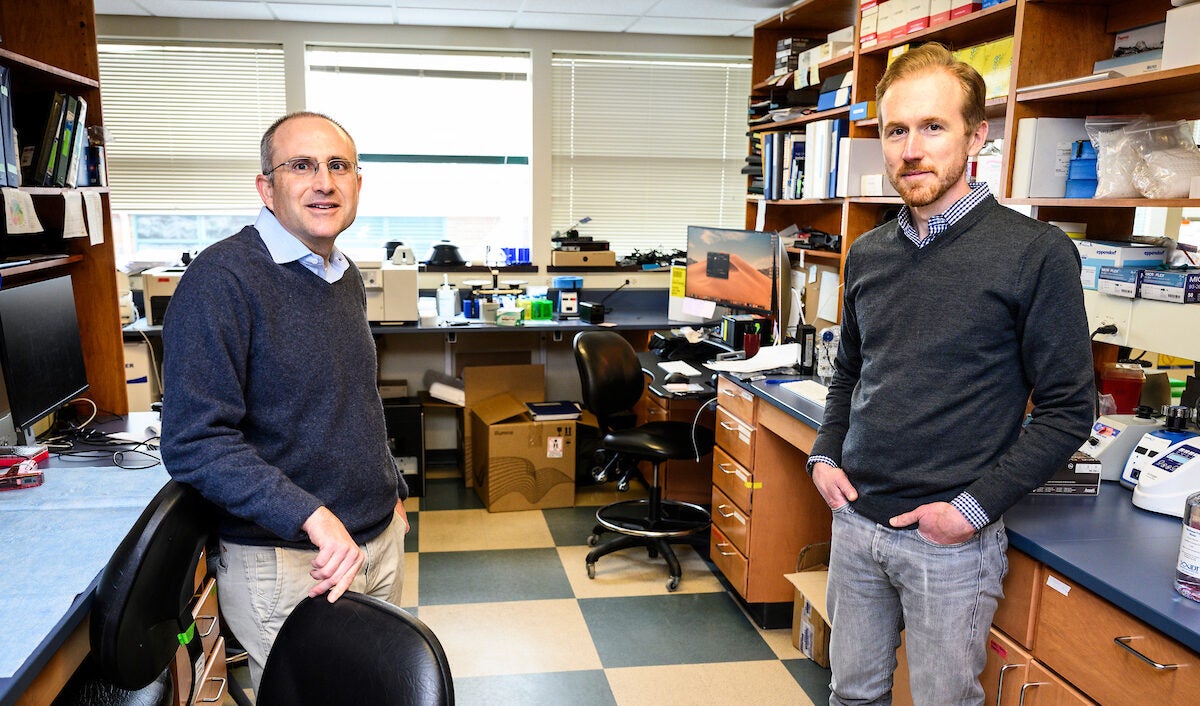
This winter’s admission process for incoming graduate students was unlike anything David Brow had seen in his 35 years of teaching.
Brow serves as the director of a biochemistry graduate program at the University of Wisconsin-Madison, one of over 100 Ph.D. programs on campus.
“What we did was something we’ve never done before in this program,” Brow said. “We ranked those students that we’d already made offers to.”
News with a little more humanity
WPR’s “Wisconsin Today” newsletter keeps you connected to the state you love without feeling overwhelmed. No paywall. No agenda. No corporate filter.
That’s because, Brow said, his team wasn’t confident the program would be able to fully fund these students — the student researchers who make university labs work, conducting studies that help science advance.
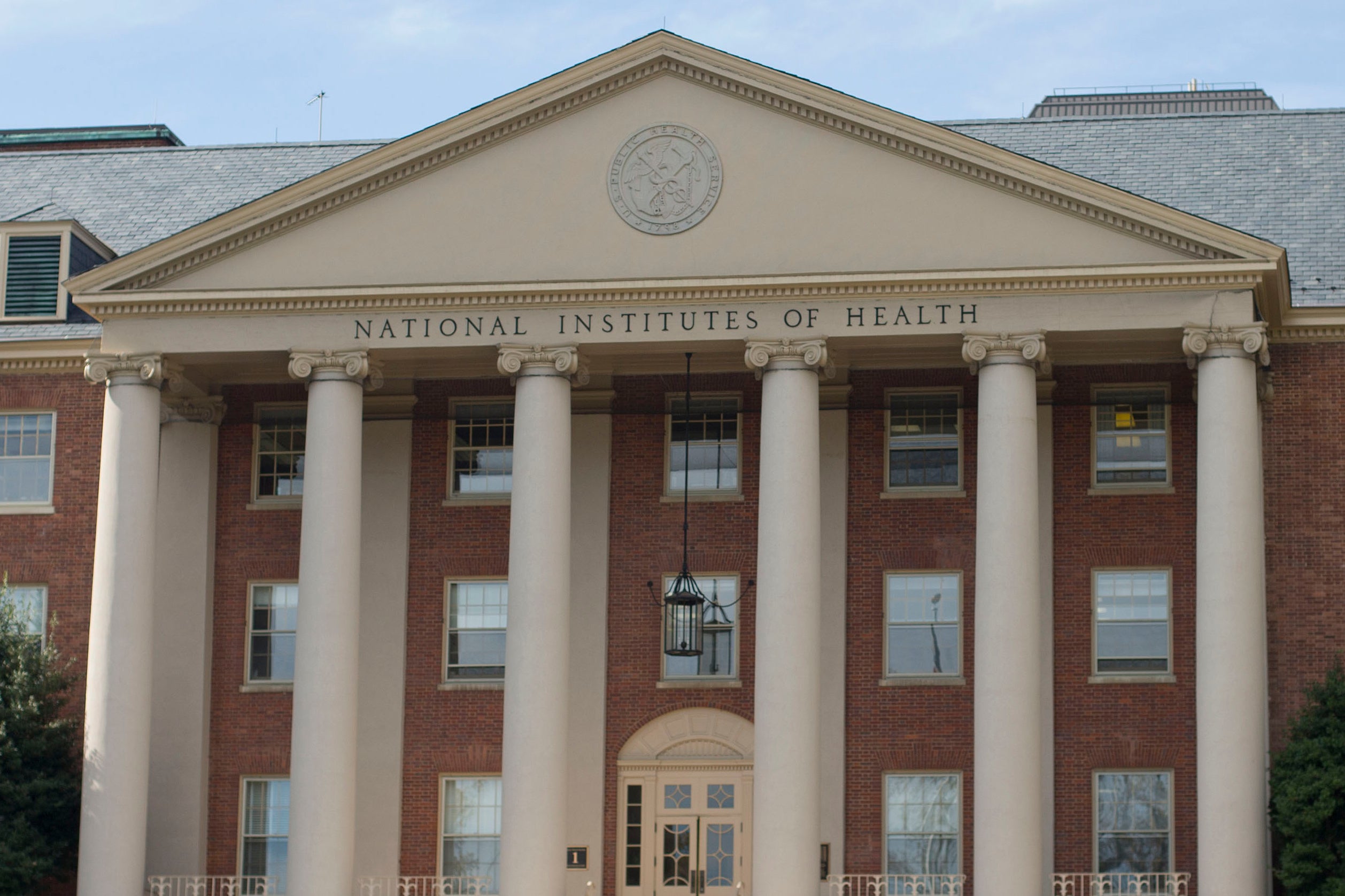
Earlier this year, the Trump administration had delayed grant review meetings at the National Institutes of Health and was calling for sweeping cuts to university research dollars. This left faculty scientists with limited funds to offer students.
Even though many of the review meetings are proceeding again, Wisconsin researchers said those delays have lingering effects. One of these is that fewer graduate trainees will be arriving on campus this fall.
In addition to conducting research in labs across campus, these students serve as teaching assistants in undergraduate classes.
A UW-Madison spokesperson said the university won’t have official enrollment numbers until September.
But multiple researchers told WPR their incoming cohorts will be smaller. Brow said following his program’s revised admissions process, which included a ranked waitlist, the team admitted 11 students instead of their normal size of about 20.
Brow said Ph.D. students are necessary for research efforts at UW-Madison and across the Midwest.
“If you look at any lab, most of the science is being done by graduate students,” he said. “They’re really essential to our scientific progress, which, of course, is essential to maintaining the grant funding. So it’s a big concern.”
And continued uncertainty, including an attempt to slash universities’ NIH indirect costs to 15 percent, could jeopardize the whole system, Brow added. Indirect costs are the cost of things like equipment upkeep and biosafety programs — things that are required for a lab to function, but which aren’t considered direct lab work.
“If everybody’s indirect costs go from 55 percent to 15 percent, we’re going to have to get rid of people somehow,” Brow said. “No one really knows what exactly is going to happen.”
He’s nearing retirement, so Brow is not taking on new Ph.D. students himself. But he hopes continued cuts don’t push him to retire early.
“I’d like to keep doing this for awhile,” he said.
Thomas Friedrich is a virology professor at UW-Madison’s School of Veterinary Medicine. He has three Ph.D. students in his lab and trains others from at least five programs at the university.
“It takes four years, at least, to complete a Ph.D.,” Friedrich said. “So, to accept a new student in my lab … I want to have a project that is going to be funded for at least three years.”
His students help conduct research with the goal of fighting viruses such as influenza, HIV, Zika and the virus that causes COVID. He says their work is valuable to science and to their careers.
“Not only does the research get done … but they also are essentially doing apprenticeships where they are paid to learn how to do science by actually doing it,” Friedrich said.
Continued federal research cuts could mean fewer trainees entering the science field over time, he added.
“A lot of people are going to think twice about entering that field if universities can’t commit to having a position for them,” Friedrich said.

Wisconsin Public Radio, © Copyright 2026, Board of Regents of the University of Wisconsin System and Wisconsin Educational Communications Board.