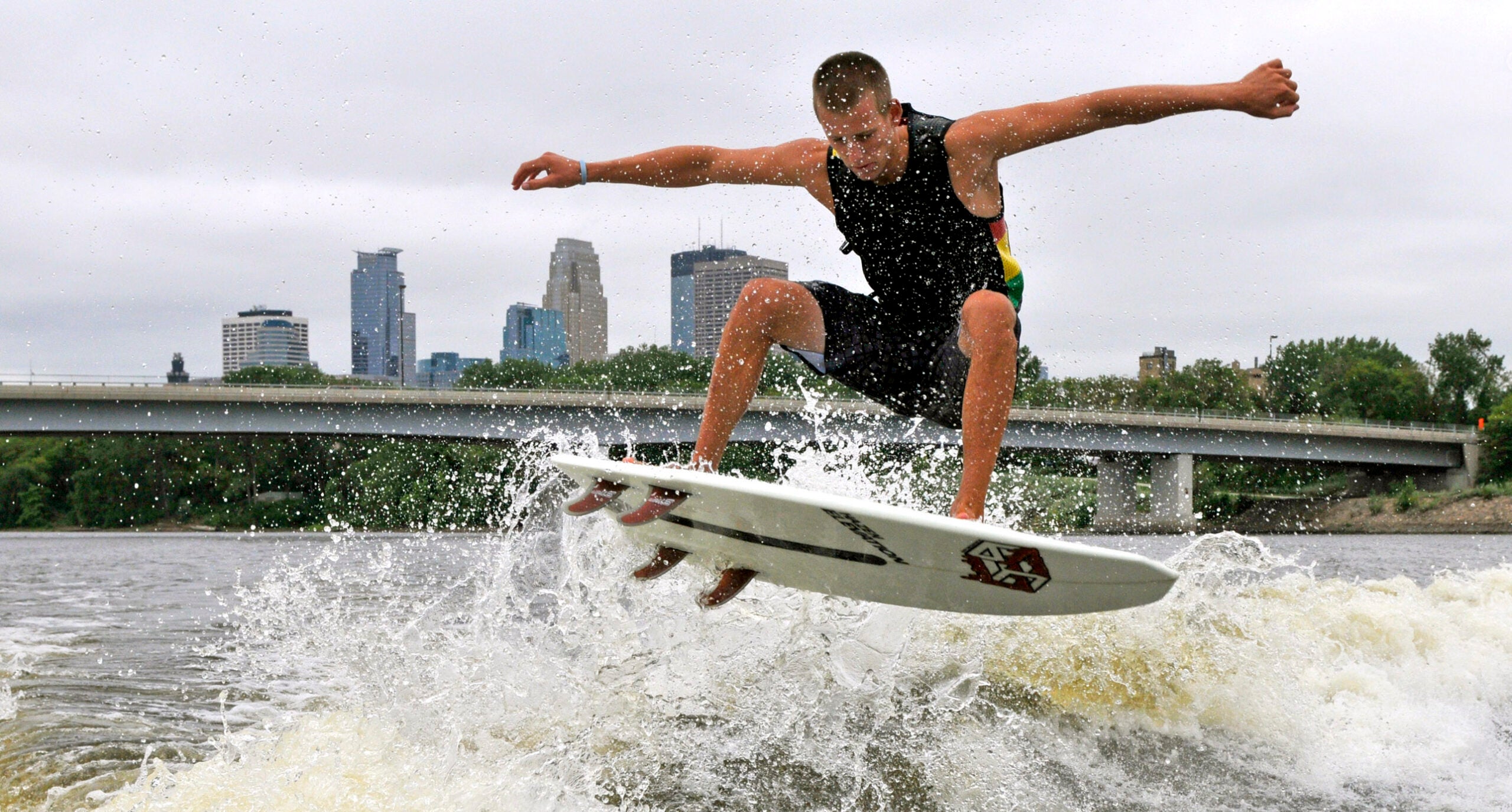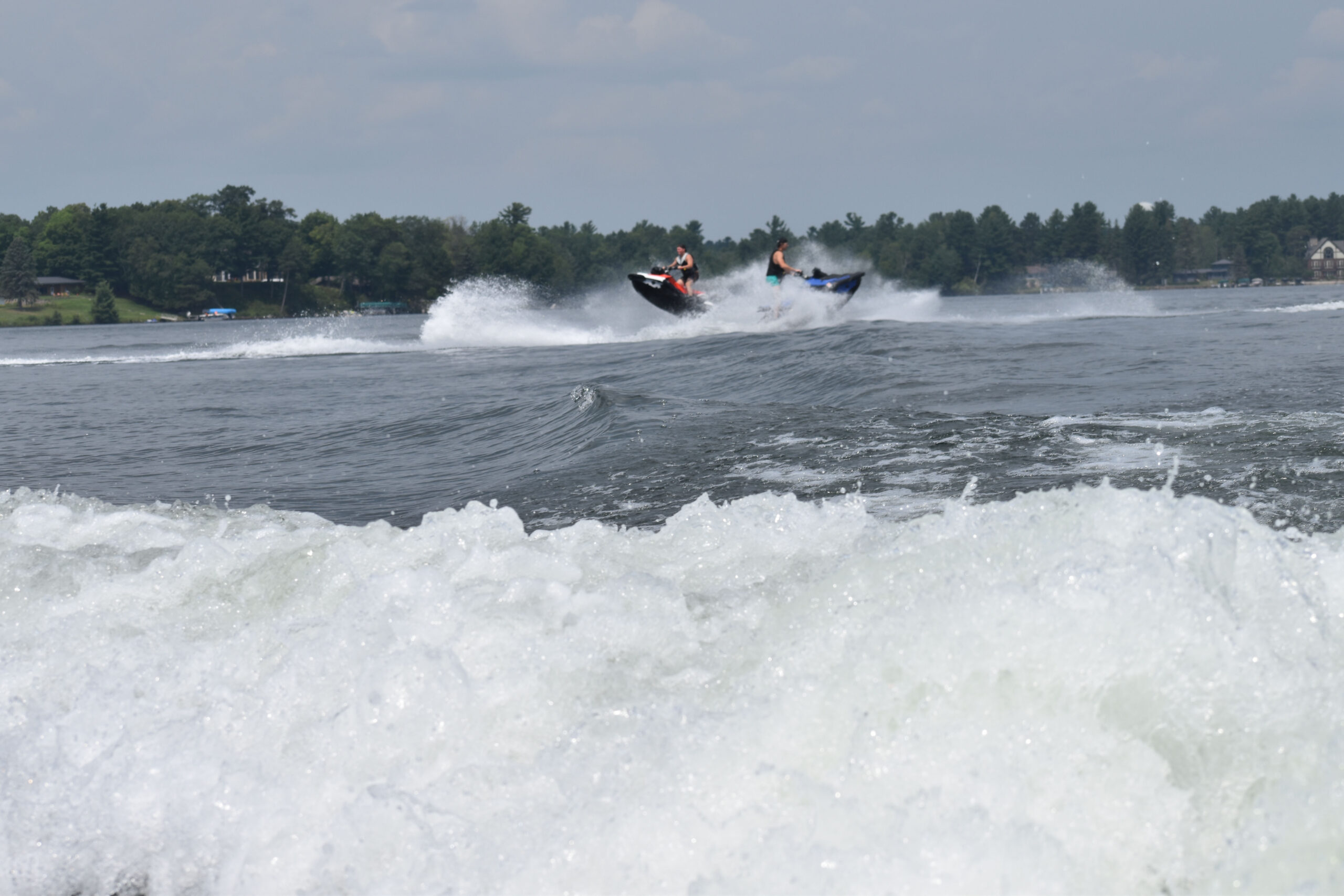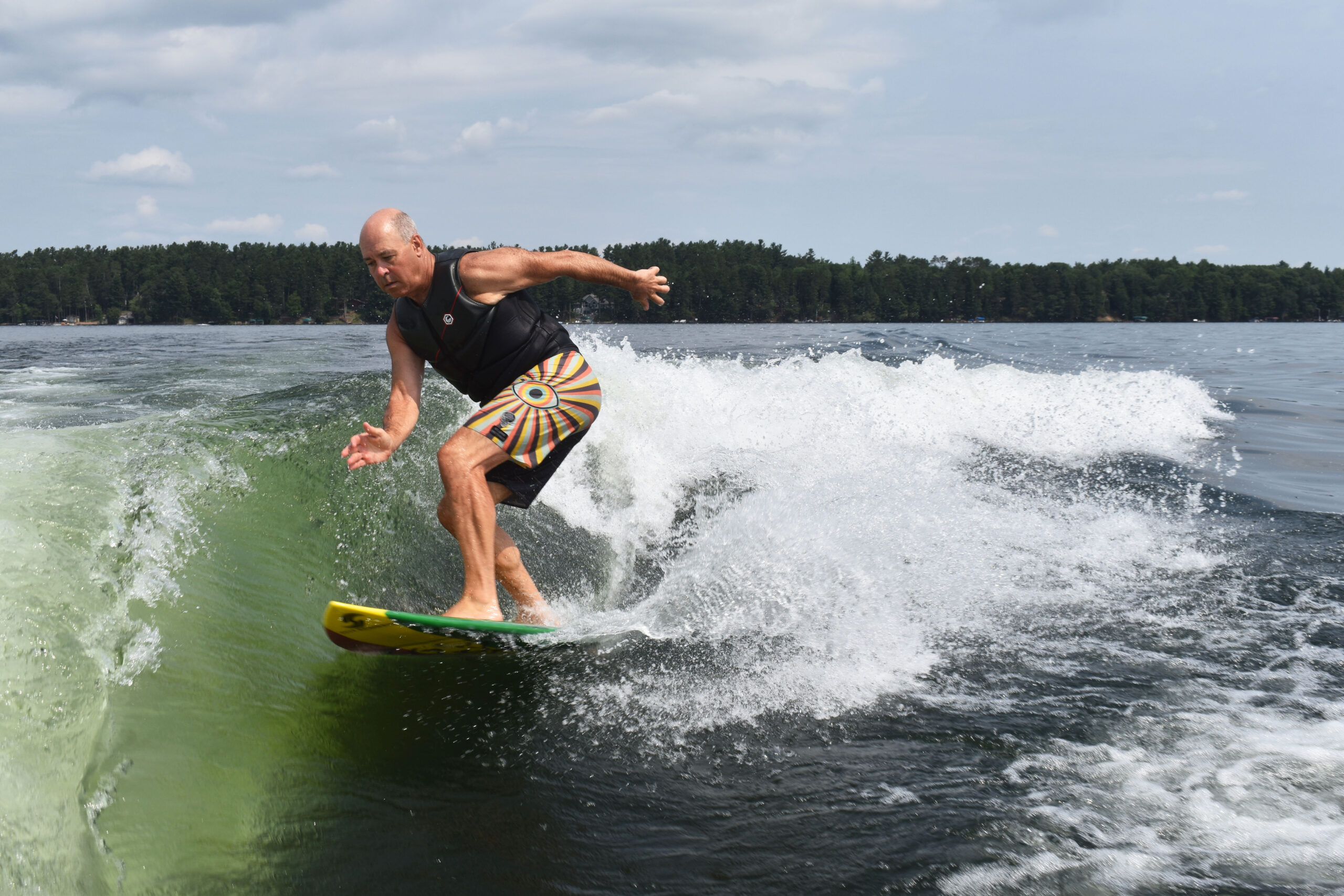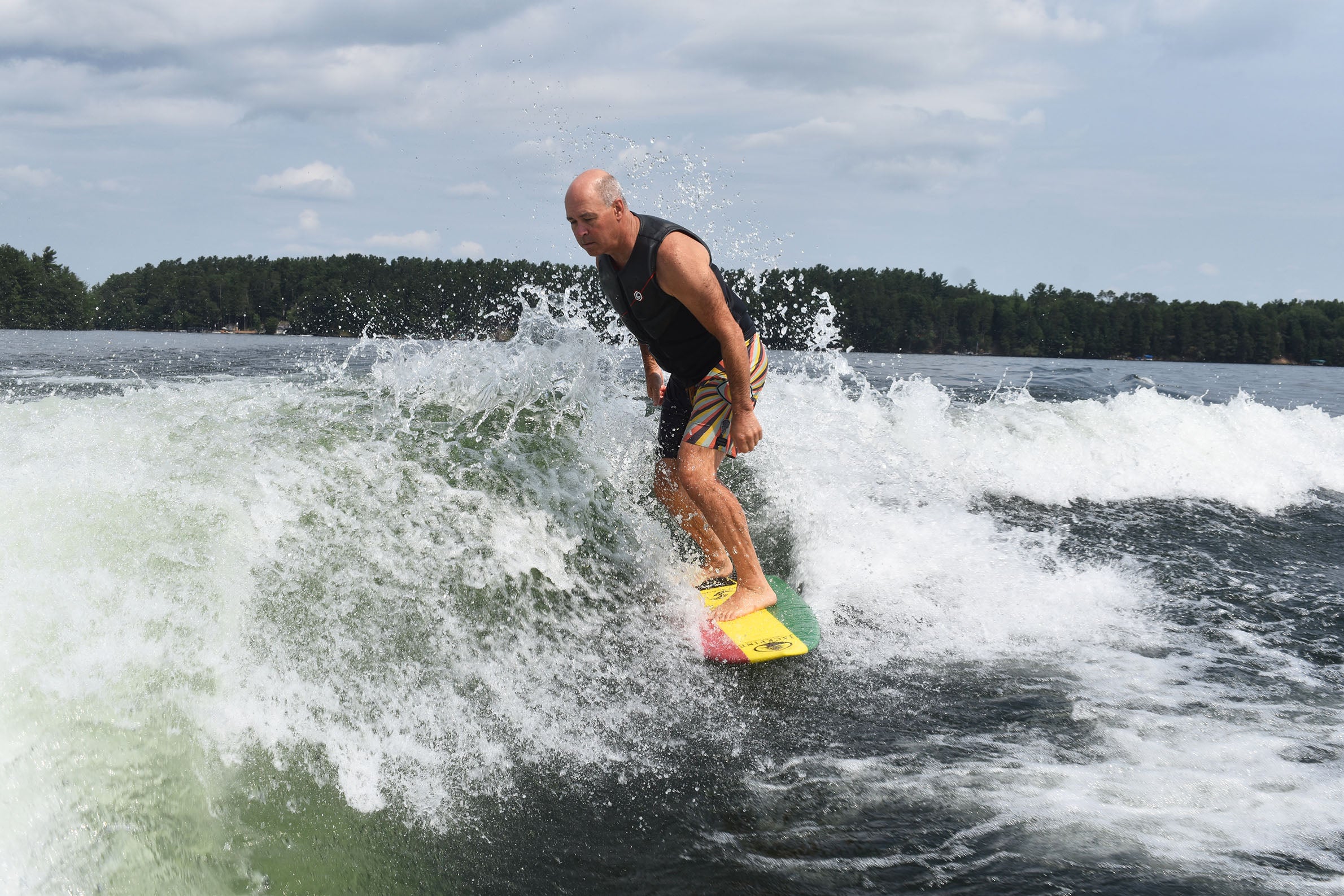
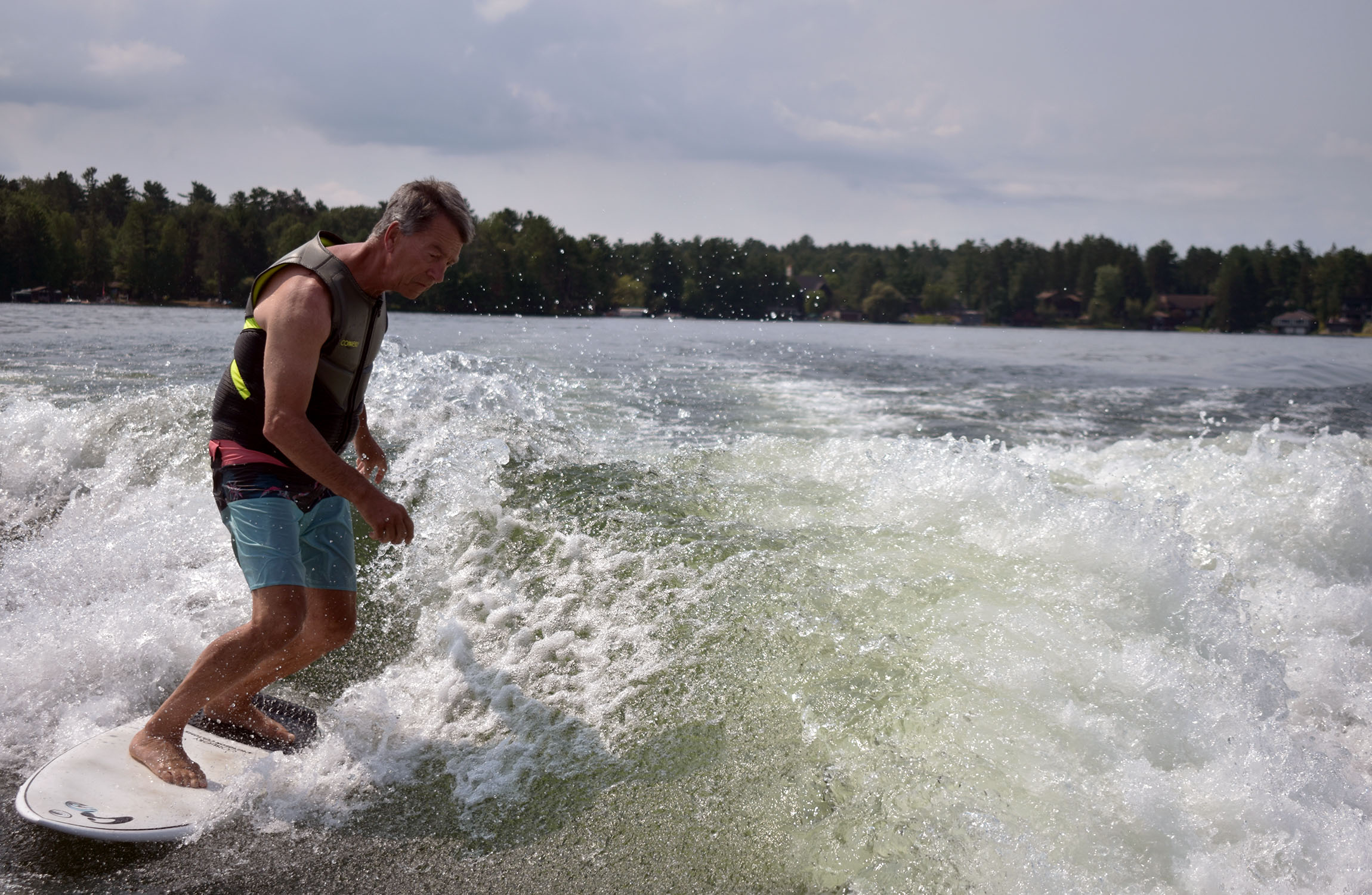
In a new study, researchers at the University of Minnesota are recommending wake boats stay in deeper waters when wake surfing to avoid any harm to lake bottoms and water quality.
The findings are part of a three-phase study by researchers at the university’s St. Anthony Falls Lab. The second phase of the study examined what happened to the lake bed when recreational powerboats operated at varying speeds and depths in two bays of Lake Minnetonka during 2022 and 2023.
The study tested seven boat models that included five typical recreational boats and two wake boats in common modes of operation at four different depths. For typical recreational boats, researchers tested models at slower cruising speeds and faster planing speeds. They tested the wake boats at faster planing speeds and slower speeds at 10-12 miles per hour that are ideal for creating large waves for surfing.
News with a little more humanity
WPR’s “Wisconsin Today” newsletter keeps you connected to the state you love without feeling overwhelmed. No paywall. No agenda. No corporate filter.
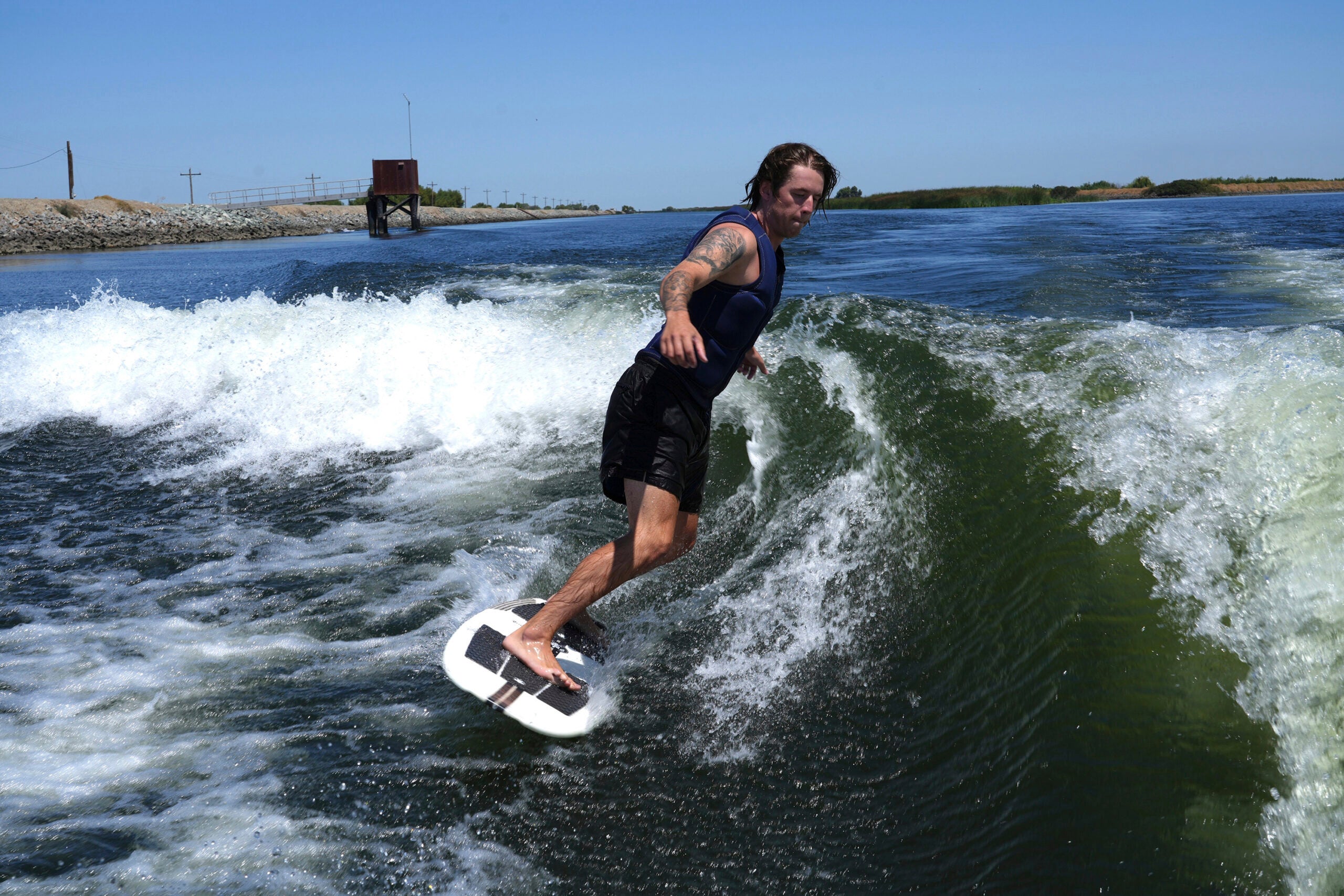
The study found all boats could disturb the lake bed at shallower depths. Even so, the study’s co-author and researcher, Andy Riesgraf, found wake boats operating in surfing mode caused significant disturbance to the lake bottom at 9 and 14 feet.
“We’re finding you need to be in deeper water to minimize impacts to the lake bottom, which is 20 feet or more,” Riesgraf said.
For other recreational powerboats, the study recommended they should stay in 10 feet of water or more when operating at slower or faster speeds to reduce impacts to the lake bed. In shallow waters at docks or boat landings, Riesgraf said they should go as slow as possible.
Wake boats are designed to enhance a boat’s wake through the use of ballast tanks or other design features, creating large waves that people can surf. As they’ve grown in popularity, supporters have promoted wake surfing as fun and not as harsh on the body as other water sports like skiing. But opponents say the boats interfere with other lake users and cause environmental harm.
Jeff Meessmann, a director with the Last Wilderness Alliance, called the study’s findings credible and pointed to underwater footage collected by researchers that shows the boats are essentially “blowing up the bottom of the lake.”
“It’s very concerning to me and to everybody that wants to protect our lakes,” Meessmann said. “These boats are damaging our lakes, period.”
Lee Gatts, vice president of government affairs for the Water Sports Industry Association, downplayed the study’s findings in a statement.
“The science has consistently shown that impacts on shorelines is minimal when done at least 200 feet from shore and 10 feet deep, and because this years-delayed report relies on outdated data that fails to account for modern technology that reduces disruption from wake boats on shorelines and lake beds, we encourage policymakers to review the full body of science, which supports both environmental stewardship and recreational access for Wisconsin families,” Gatts wrote.
Riesgraf said researchers stand by their findings.
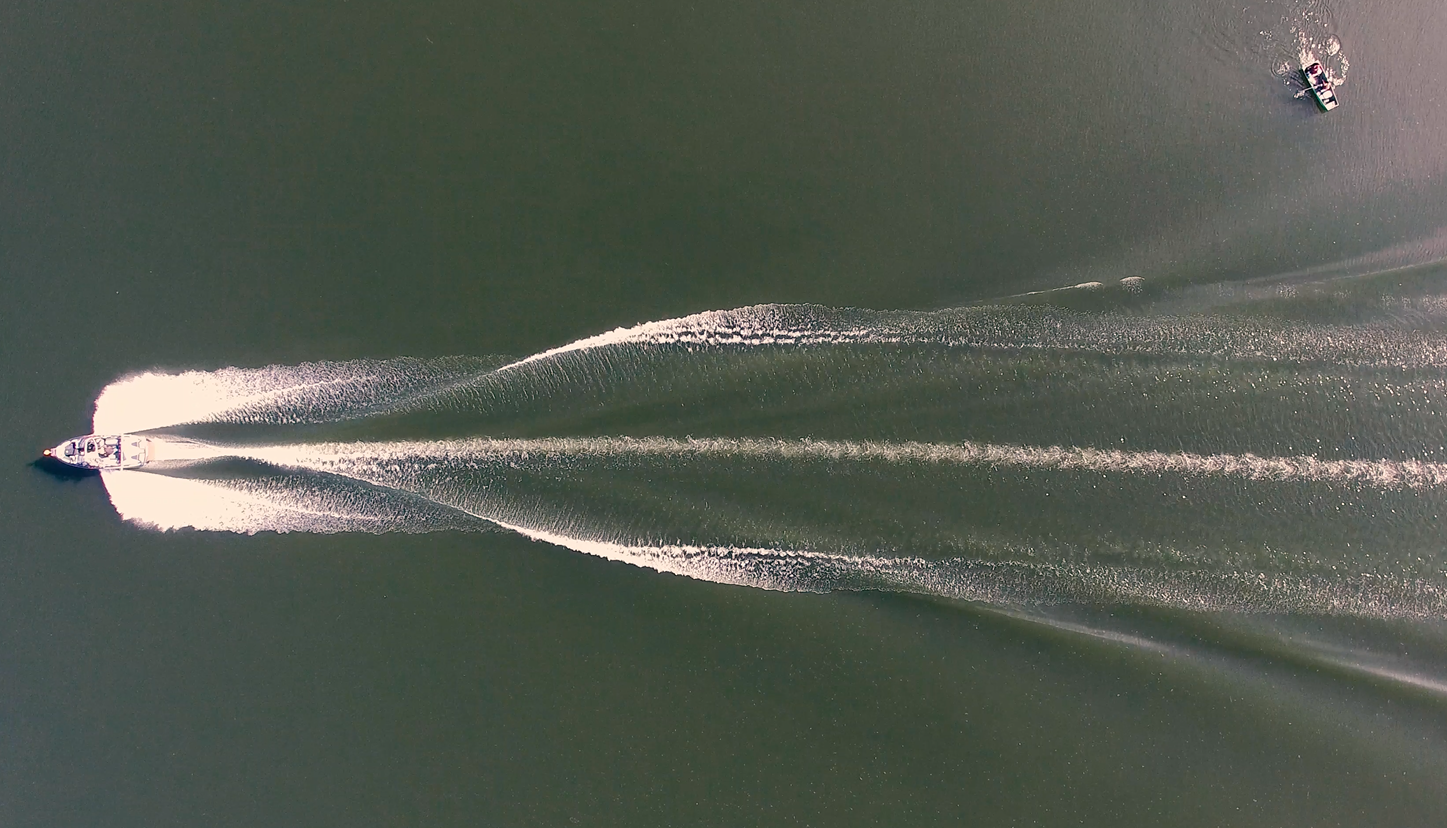
Researchers used sensors, cameras and drones to examine effects
The study arrived at its findings by measuring the effects of each boat as they drove over underwater velocity sensors. Researchers examined the pressure waves, transverse waves and propeller wash created by all boats.
The pressure waves are created by the bow and stern as boats move through the water. Transverse waves are orbital waves that penetrate deep into the water column, and they only occur at slower speeds. The prop wash is a rotating, chaotic jet of water thrusted down by the propeller.
All boats created bow and stern waves that can disturb sediments on the lake bottom. But Riesgraf said wake boats in surfing mode are unique in that they create transverse waves and prop wash that are significant enough to lift fine sediments up into the water column, potentially suspending them there for minutes to an hour or more.
“They can take a long time to settle back down to the lake bed,” Riesgraf said. “So what can happen is, if you have a lot of the sediment in suspension, your water quality and clarity decrease.”
Riesgraf said that’s a concern because cloudy water could affect environmental processes in the lake and fish feeding behavior. He added that stirring up nutrients like phosphorus on the lake bottom could potentially lead to algal blooms.
In the second year of the project, researchers used underwater cameras and drones to show the effects of boats on the lake bottom.
At depths of 9 and 14 feet, video shows fragments of vegetation, rootballs and fine silt floating in the water after wake boats passed in surfing mode. Aerial footage from drones also showed more sediment getting stirred up with every pass in the same part of the lake.
As the science evolves on the effects of wake boats, Meessmann said he hopes lawmakers will introduce legislation to regulate their operation on Wisconsin lakes.
“I think you shouldn’t wake surf on any lakes that don’t have substantial areas 20 feet deep,” Meessmann said. “To me, you should be disqualifying lakes from wake surfing.”
As wake boats have grown in popularity, they’ve stirred increasing controversy in Wisconsin. Olson said 59 communities have passed local ordinances to restrict their operation on more than 300 lakes.
A coalition of 80 groups has been pushing for statewide regulation of wake boats. Meessmann said they would like to restrict their operations to 700 feet from the shore in waters at least 30 feet deep.
In 2023, Republican lawmakers introduced a bill supported by the boating industry that would’ve prevented wake surfing within 200 feet of the shore, but it failed to advance. While discussions have taken place, lawmakers have taken no steps since to regulate wake boats.
In April, the Wisconsin Department of Natural Resources also denied a petition submitted by more than 200 residents last year who requested the agency enact regulations requiring decontamination of all wake boats over concerns they may spread invasive species.

Wisconsin Public Radio, © Copyright 2026, Board of Regents of the University of Wisconsin System and Wisconsin Educational Communications Board.