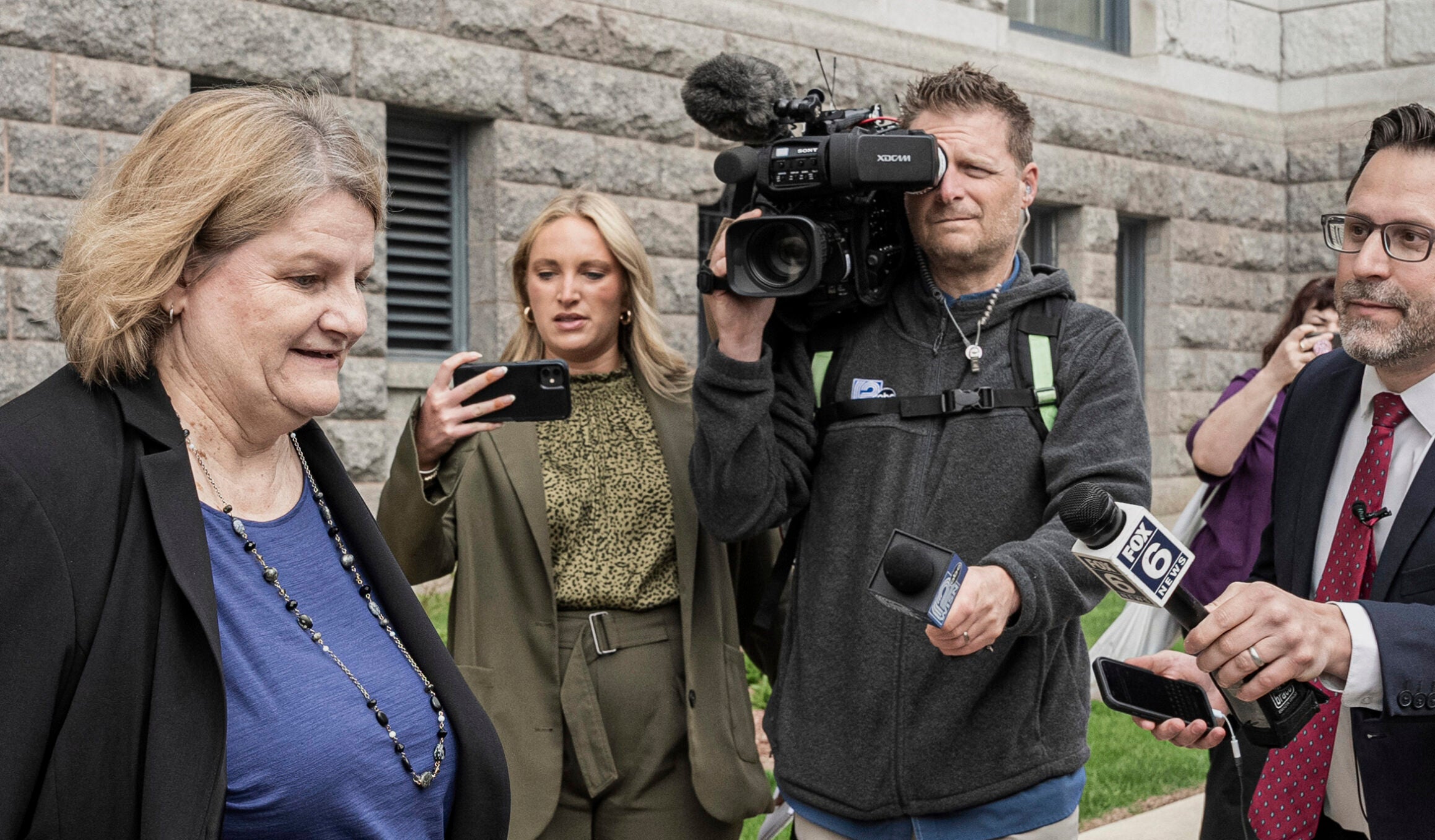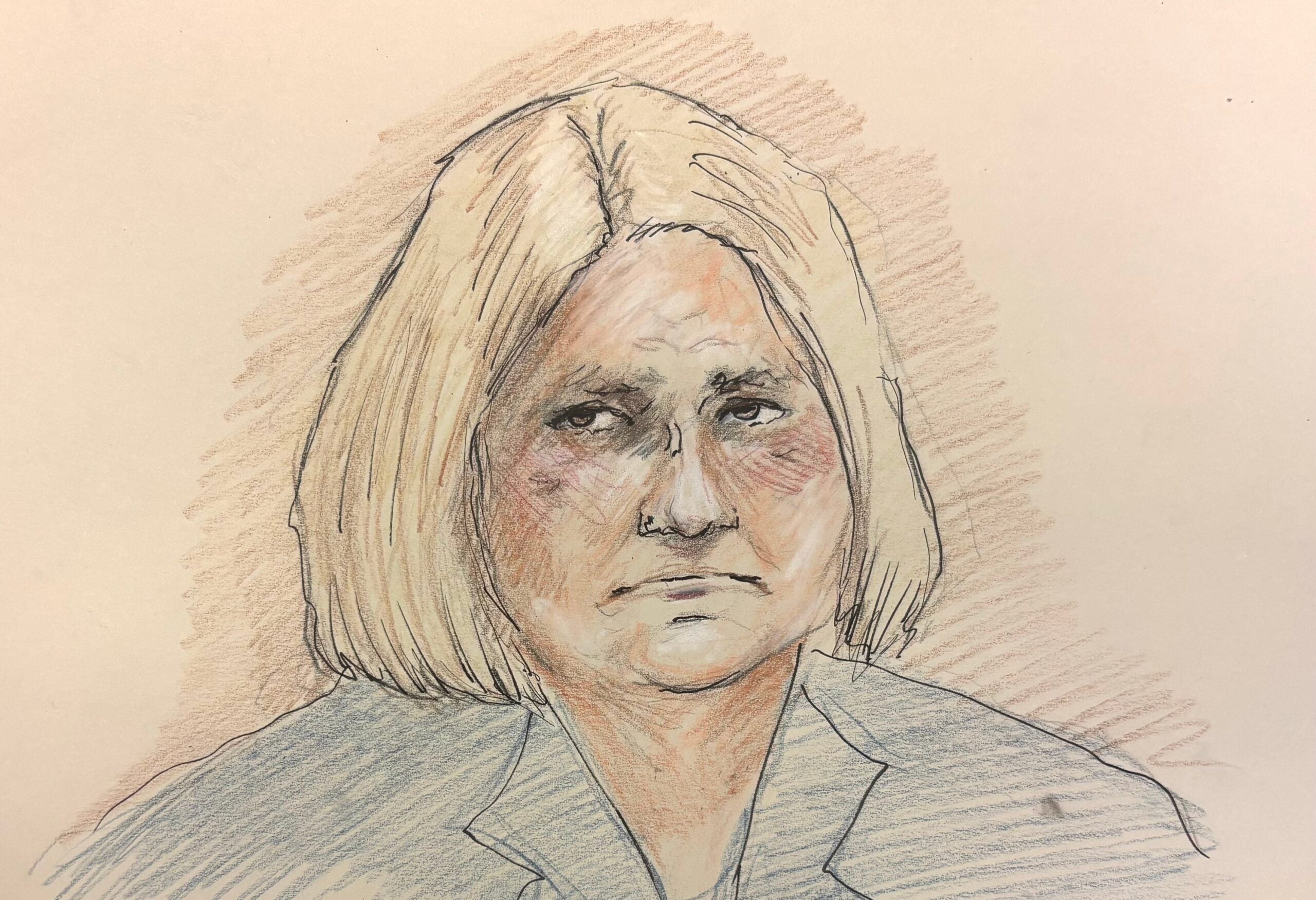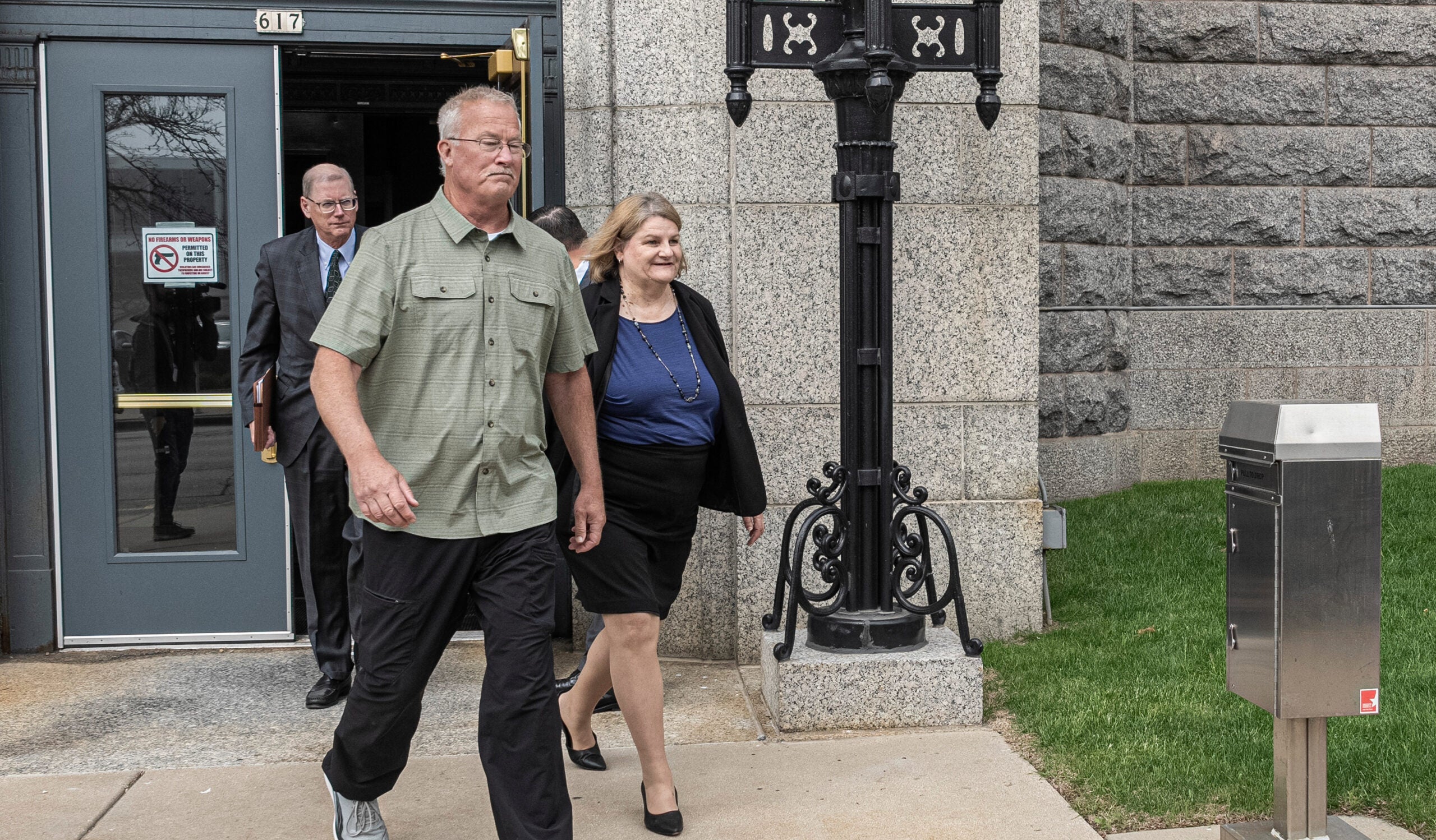
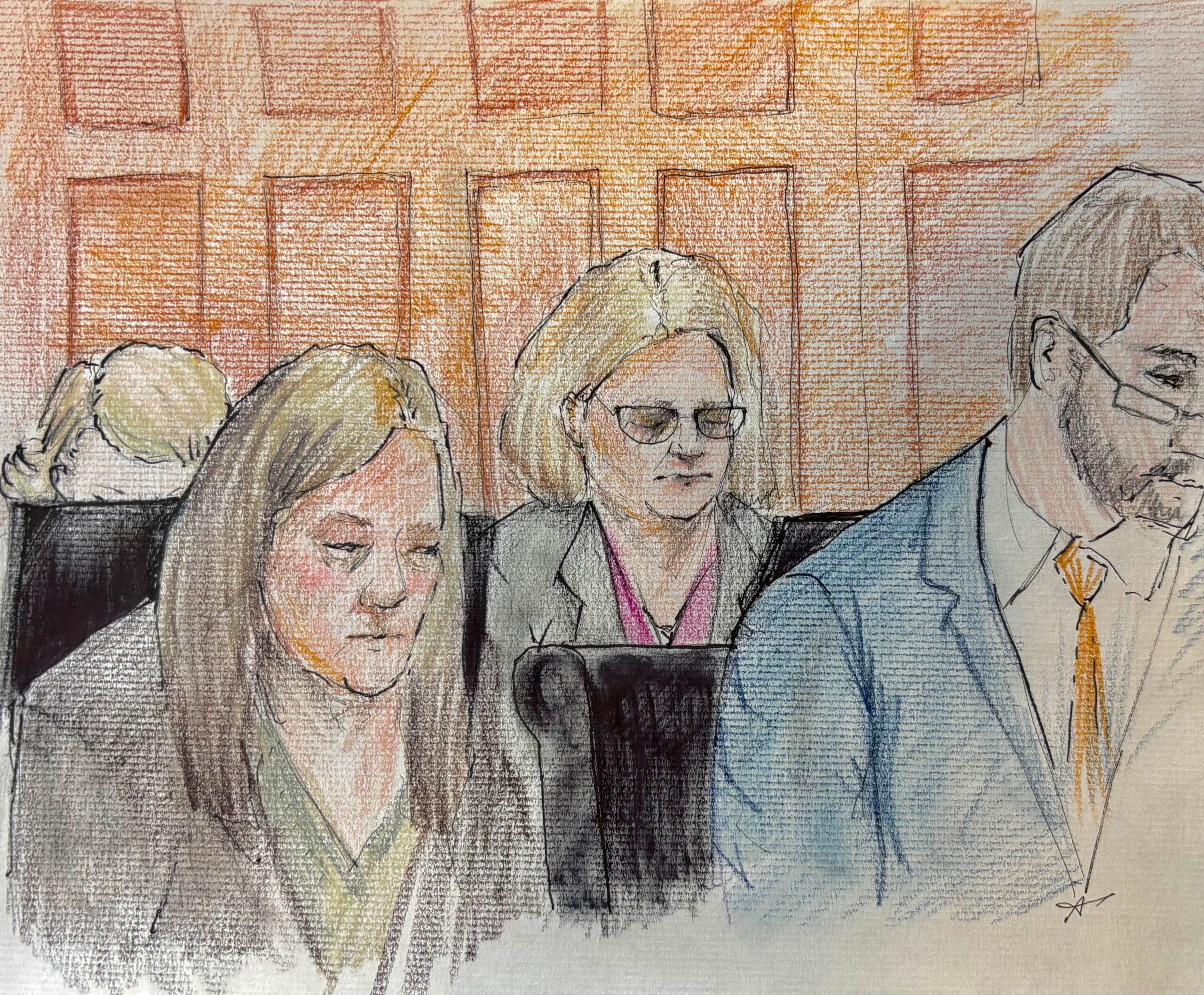
The national spotlight will be trained on Milwaukee this week for a federal trial that has pitted the authority of a local judge against the Trump administration’s immigration crackdown.
Milwaukee County Judge Hannah Dugan faces federal charges of obstructing or impeding a proceeding and concealing an individual to prevent his discovery and arrest.
Jurors have been chosen last week for a trial that begins Monday.
News with a little more humanity
WPR’s “Wisconsin Today” newsletter keeps you connected to the state you love without feeling overwhelmed. No paywall. No agenda. No corporate filter.
What events led to the charges against Dugan?
Prosecutors with the U.S. Department of Justice filed charges against Dugan this spring because of an April 18 incident in Dugan’s courtroom.
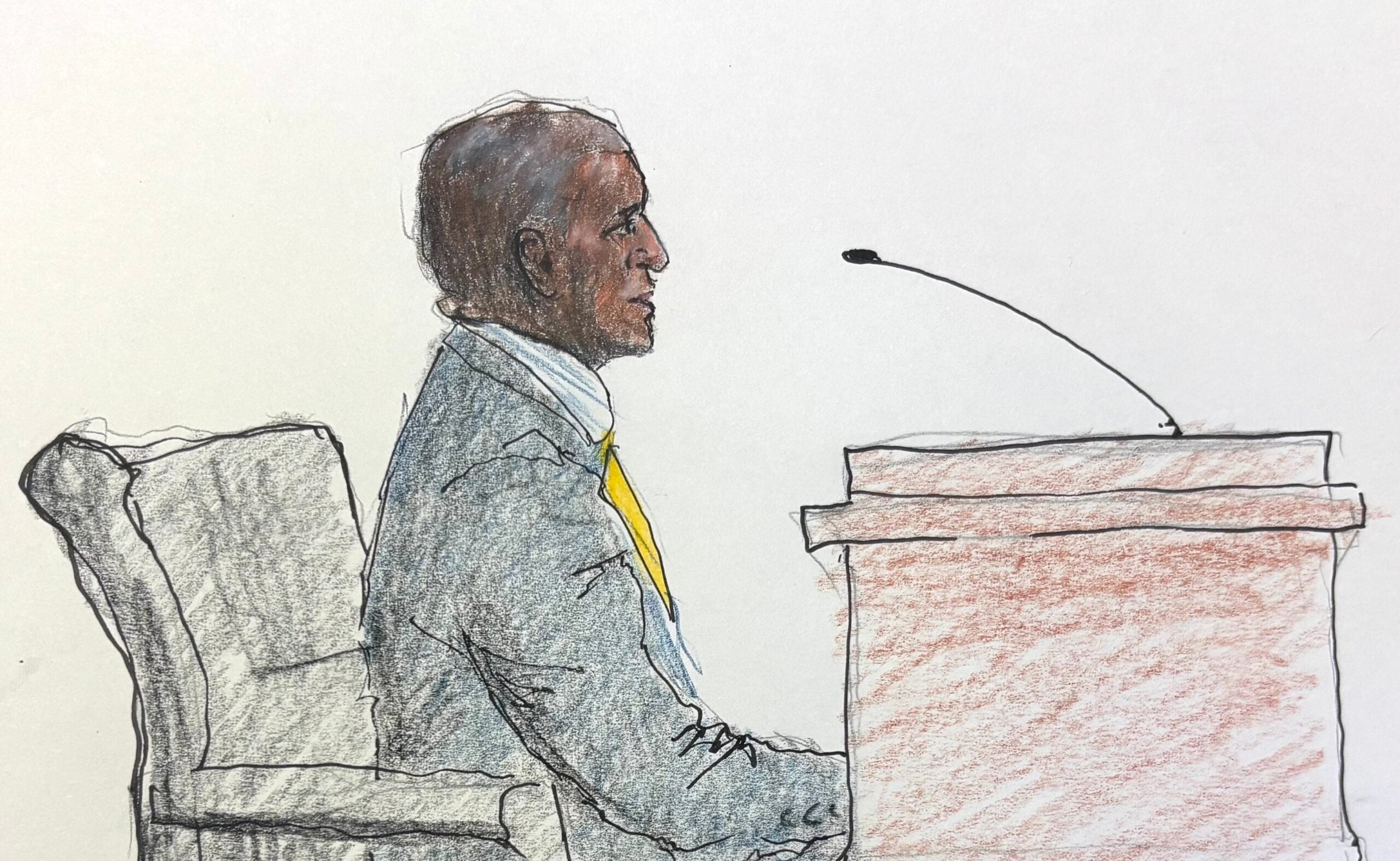
A team of federal agents showed up at the Milwaukee County courthouse with an administrative warrant to arrest Eduardo Flores-Ruiz for being in the country illegally. Flores-Ruiz had been scheduled to appear in Dugan’s courtroom that day for a hearing on misdemeanor domestic battery charges.
According to court documents, Dugan became visibly upset at the presence of immigration agents, and eventually told the officers to talk to Milwaukee County’s Chief Judge Carl Ashley.
Those federal agents came from multiple agencies including the Federal Bureau of Investigation, the U.S. Drug Enforcement Administration and U.S. Immigration and Customs Enforcement. Those agents “were generally dressed in plain clothes and intended to effectuate the arrest in as low-key and safe of a manner as possible,” according to a criminal complaint filed by prosecutors.
After several agents left for the chief judge’s office, at least one DEA agent stayed behind, watching what unfolded from just outside Dugan’s courtroom. That agent was “not recognized” by Dugan as being part of the team that had arrived to arrest Flores-Ruiz, according to the criminal complaint.
During that time, Dugan ushered Flores-Ruiz and his attorney out of the courtroom through a side door that’s normally used by jurors. Dugan also told Flores-Ruiz’s attorney that his hearing would be scheduled to take place at a later date over Zoom, court documents say. Agents arrested Flores-Ruiz outside the courthouse shortly thereafter after chasing him on foot. The Mexican national was deported in November after pleading to no-contest to battery charges in Milwaukee County Circuit Court.
Why has ICE’s presence at the courthouse been controversial?
Since President Donald Trump took office again, there have been multiple immigration arrests at the Milwaukee County courthouse.
That’s in contrast to a Biden-era directive, which largely prohibited immigration enforcement from happening in or near courthouses.
In an interview with ABC News on the day of Dugan’s arrest, U.S. Attorney General Pam Bondi called Dugan’s actions “appalling” and said Dugan had disrespected victims of domestic violence.
Bondi said courthouses are one of the safest places for carrying out immigration enforcement.
“Executing a warrant is one of the most dangerous things law enforcement officers can do,” Bondi told the TV station. “The safest place to do it is if you know they’re going to be in a courthouse, because they’ve gone through security. You know a defendant isn’t armed. It’s a sterile daytime situation.”
But even before Dugan’s arrest, the presence of ICE at the courthouse had drawn condemnation from local elected officials and community leaders in Milwaukee.
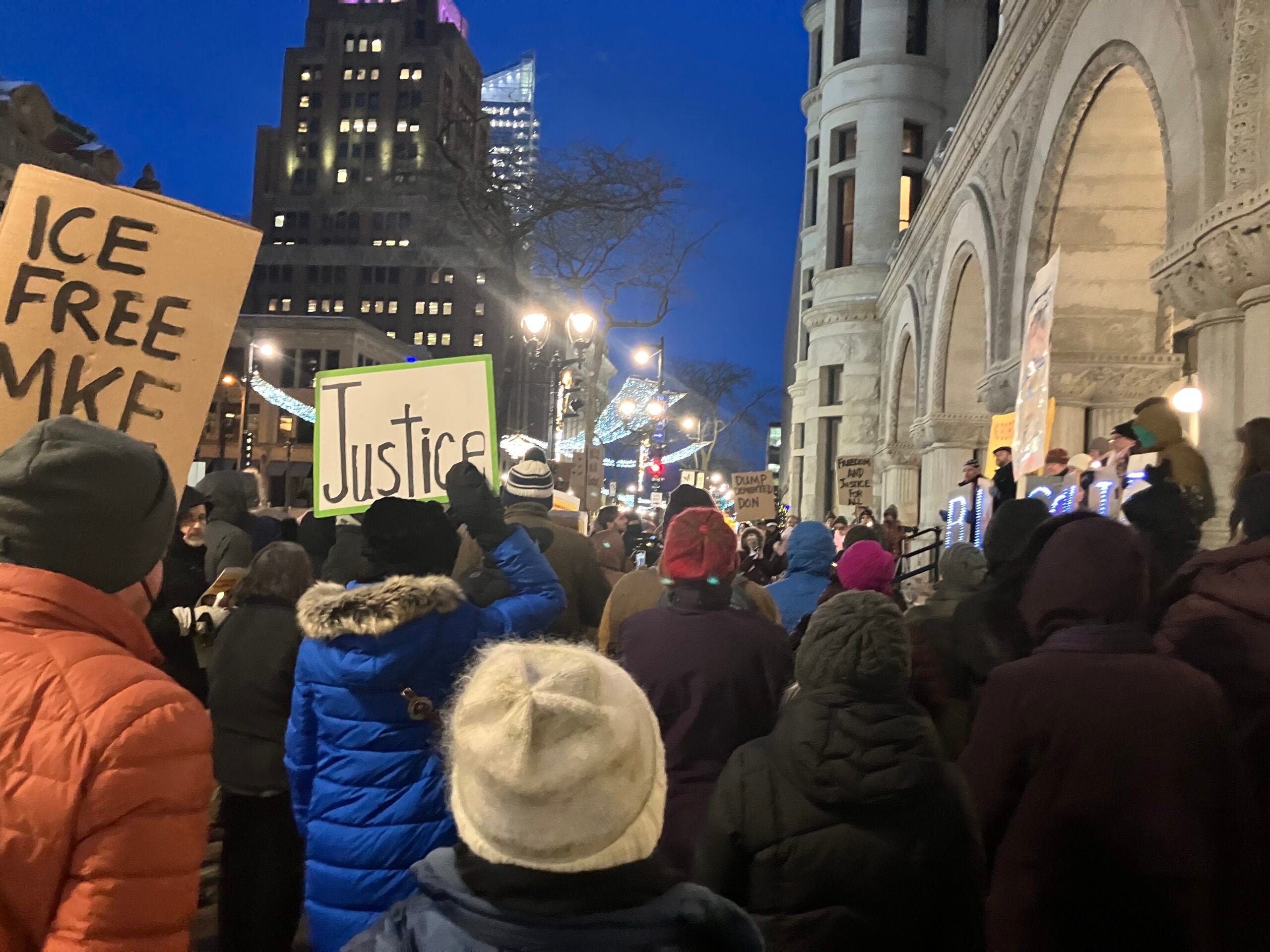
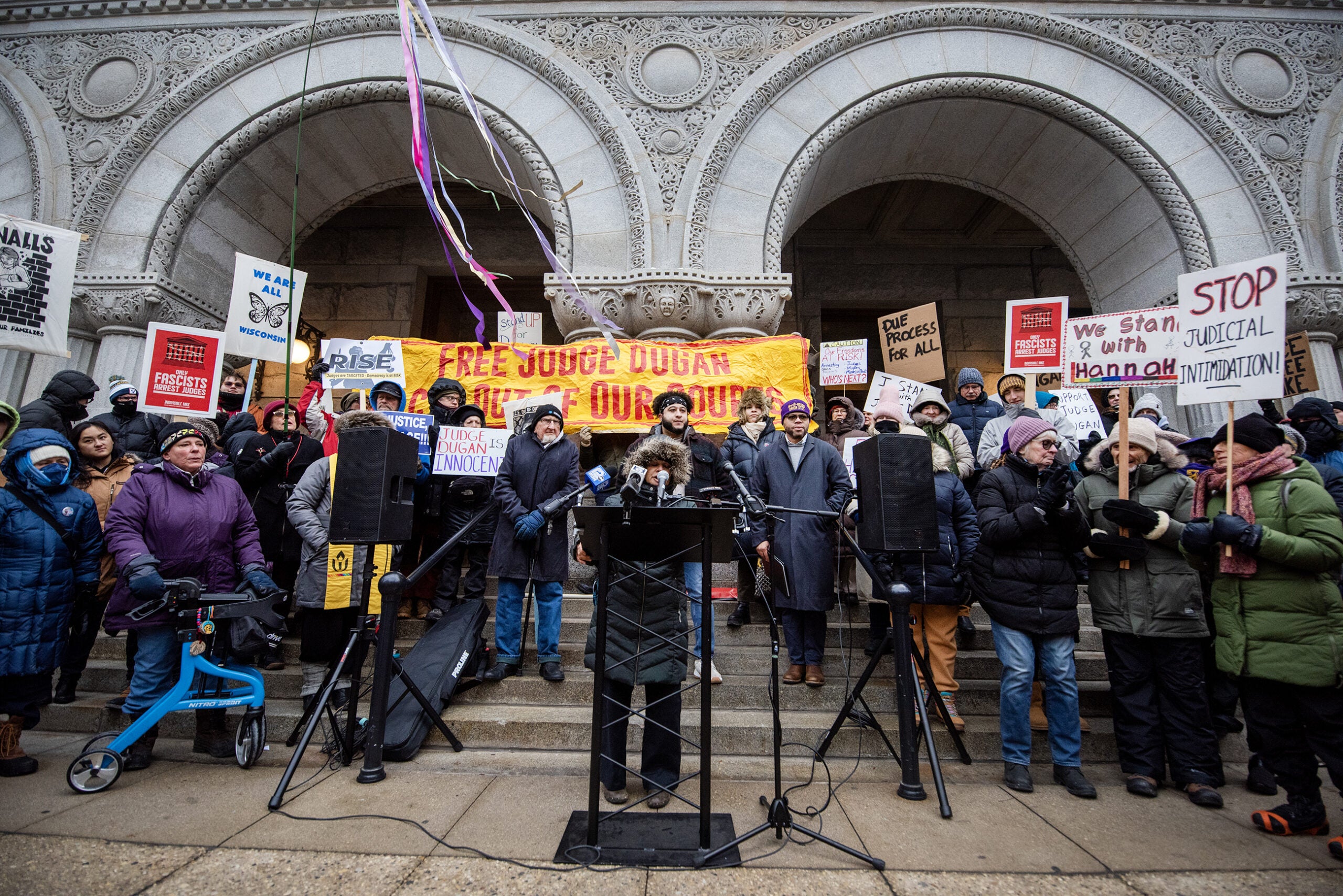
After jury selection wrapped up on Thursday, Milwaukee resident Patty Berg was among the people who gathered on the federal courthouse steps in freezing weather for a vigil in support of Dugan.
“I’m here today because I believe that people who are trying to further their immigration process need to be able to go to court without being afraid that they’re going to get hauled off in handcuffs,” Berg said.
Berg also said she disagrees with the practice of having agents carry out immigration enforcement while in plainclothes.
“If they’re doing a job, they should be proud to display their identification and their uniform,” she said.
What can we expect from the trial?
Last week, 14 Wisconsinites — 12 jurors and two alternates — took an oath at the federal courthouse in Milwaukee, promising to uphold justice.
It took one day to choose those jurors after attorneys for both sides grilled them about their personal beliefs and whether those beliefs would affect their ability to decide the case impartially. That included questions about how prospective jurors felt about immigration policy, whether they trust law enforcement officers and what type of news media they’d already consumed about the case.
The trial is being overseen by U.S. District Court Judge Lynn Adelman, a former Democratic state senator who was appointed to the federal bench in 1997 by then-President Bill Clinton.
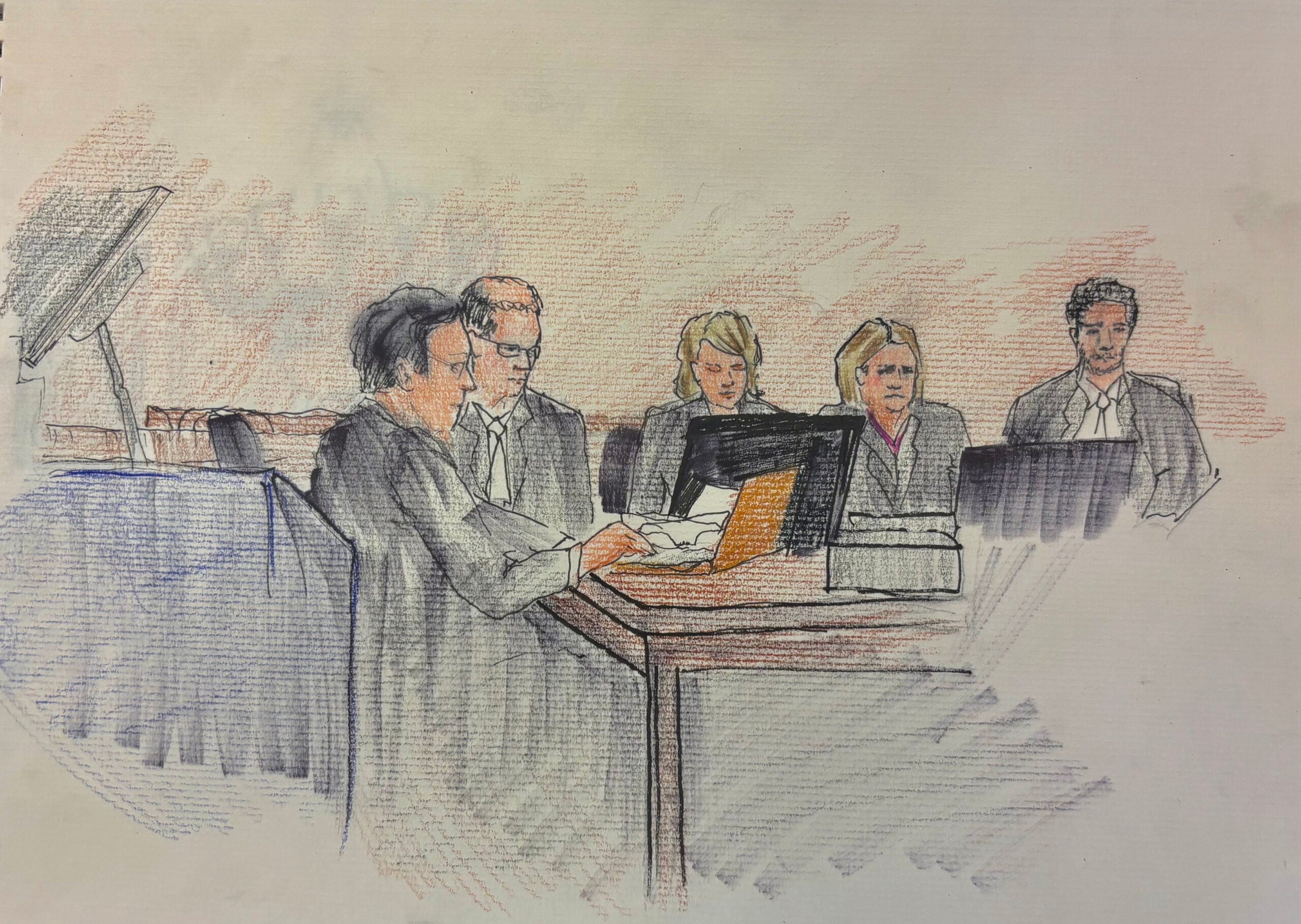
During a pretrial hearing, federal prosecutors indicated they planned to call up to 28 witnesses.
Prosecutors contend that Dugan abused her power by interfering with federal agents. They say Dugan broke federal laws and argue that no one — not even a judge — is above those laws.
In pre-trial filings, Dugan’s attorneys have accused the Trump administration of overstepping its powers by interfering with the authority of a state-level judge. They say a judge has the ability to run her own courtroom, and that includes rescheduling hearings and having certain proceedings take place remotely.
The defense has also asked to call Milwaukee-based immigration attorney Theodore Chadwick as a witness. The plan is for Chadwick to argue that Dugan cannot be guilty of impeding a federal proceeding because, according to the defense, no official immigration proceeding involving Flores-Ruiz was ongoing at the time of his arrest on April 18, court documents indicate.

Wisconsin Public Radio, © Copyright 2026, Board of Regents of the University of Wisconsin System and Wisconsin Educational Communications Board.