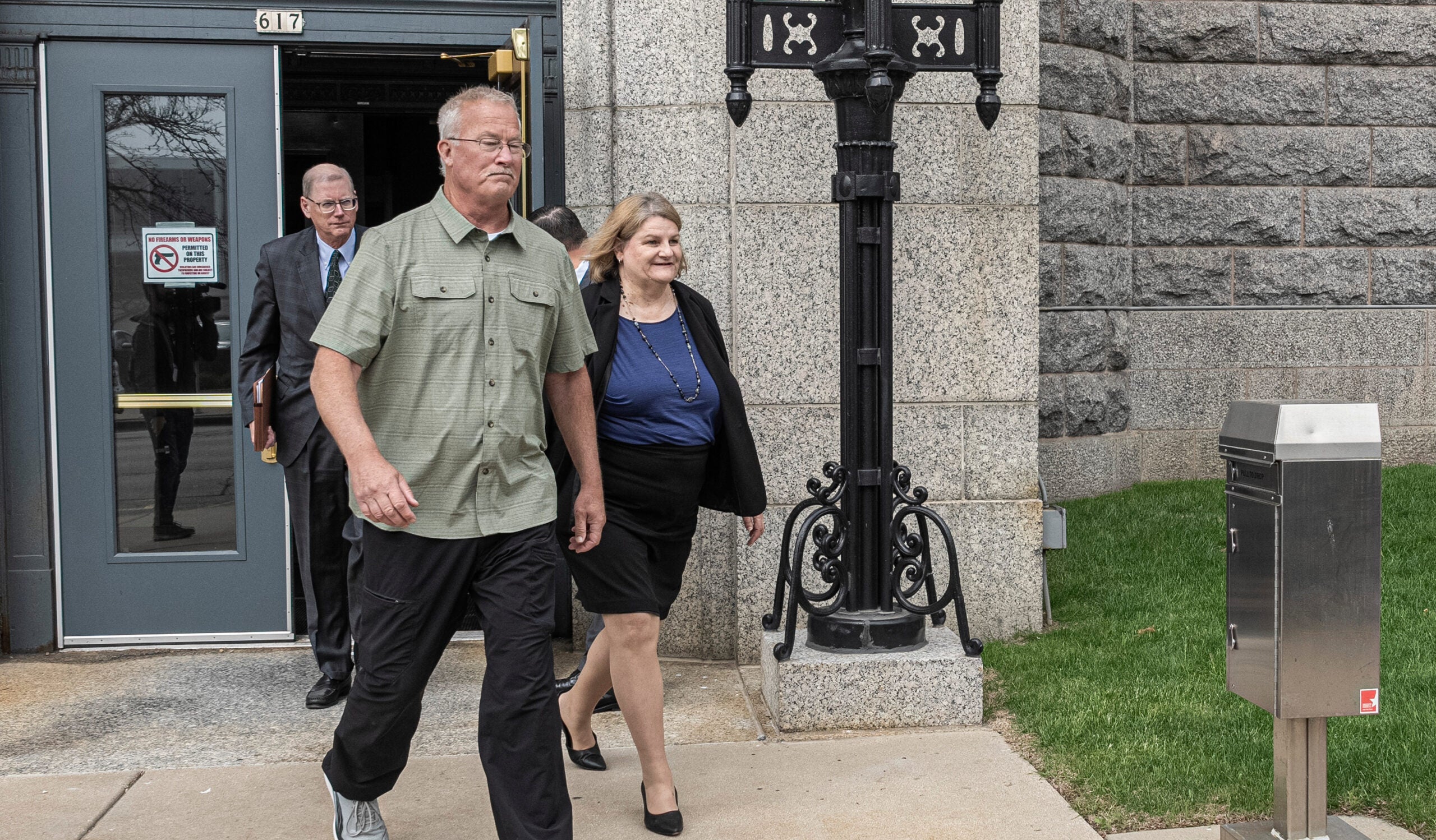
Twelve jurors and two alternates have been chosen to hear the case against a Milwaukee County judge who’s accused of helping a man evade U.S. Immigration and Customs Enforcement.
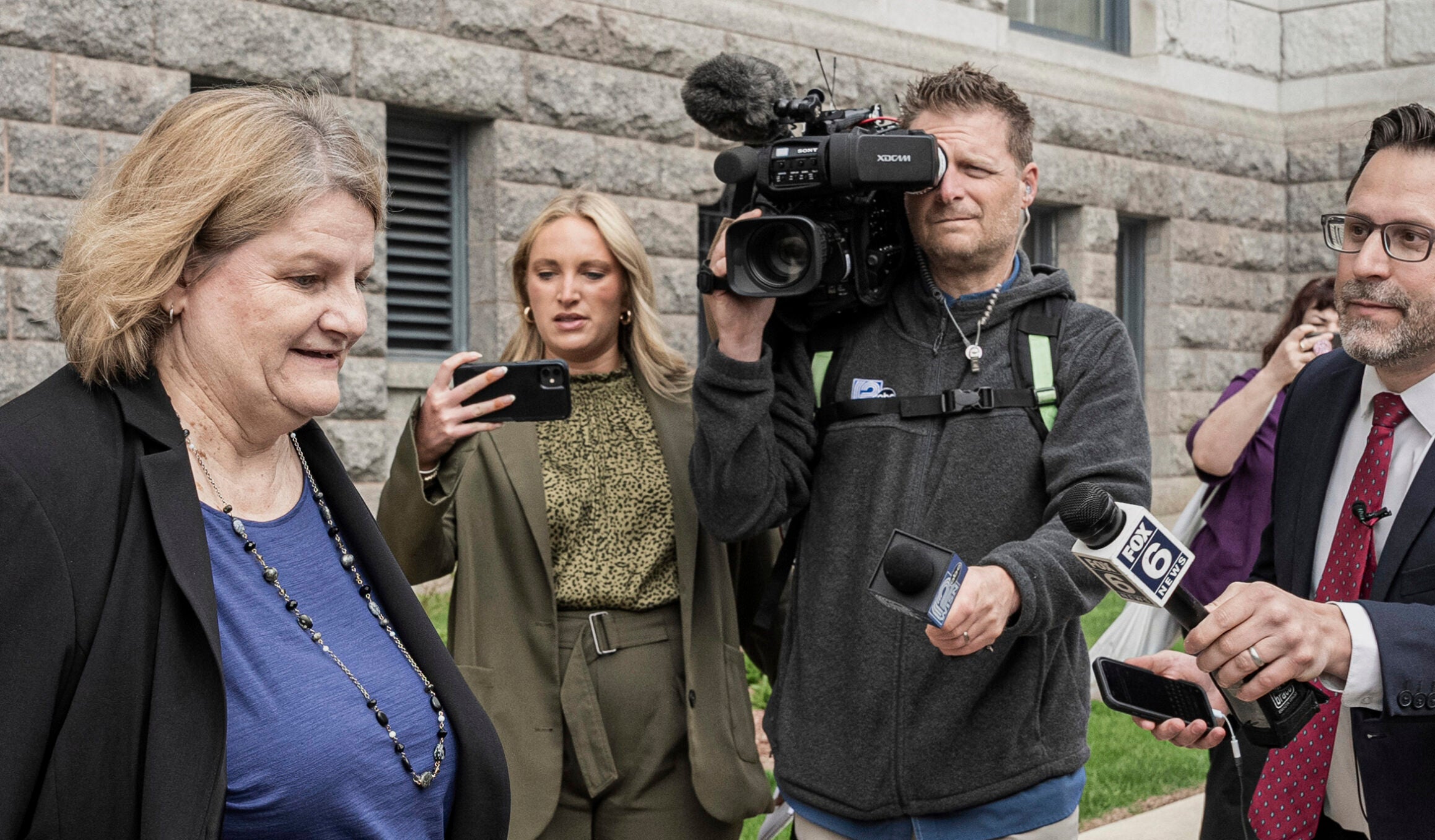
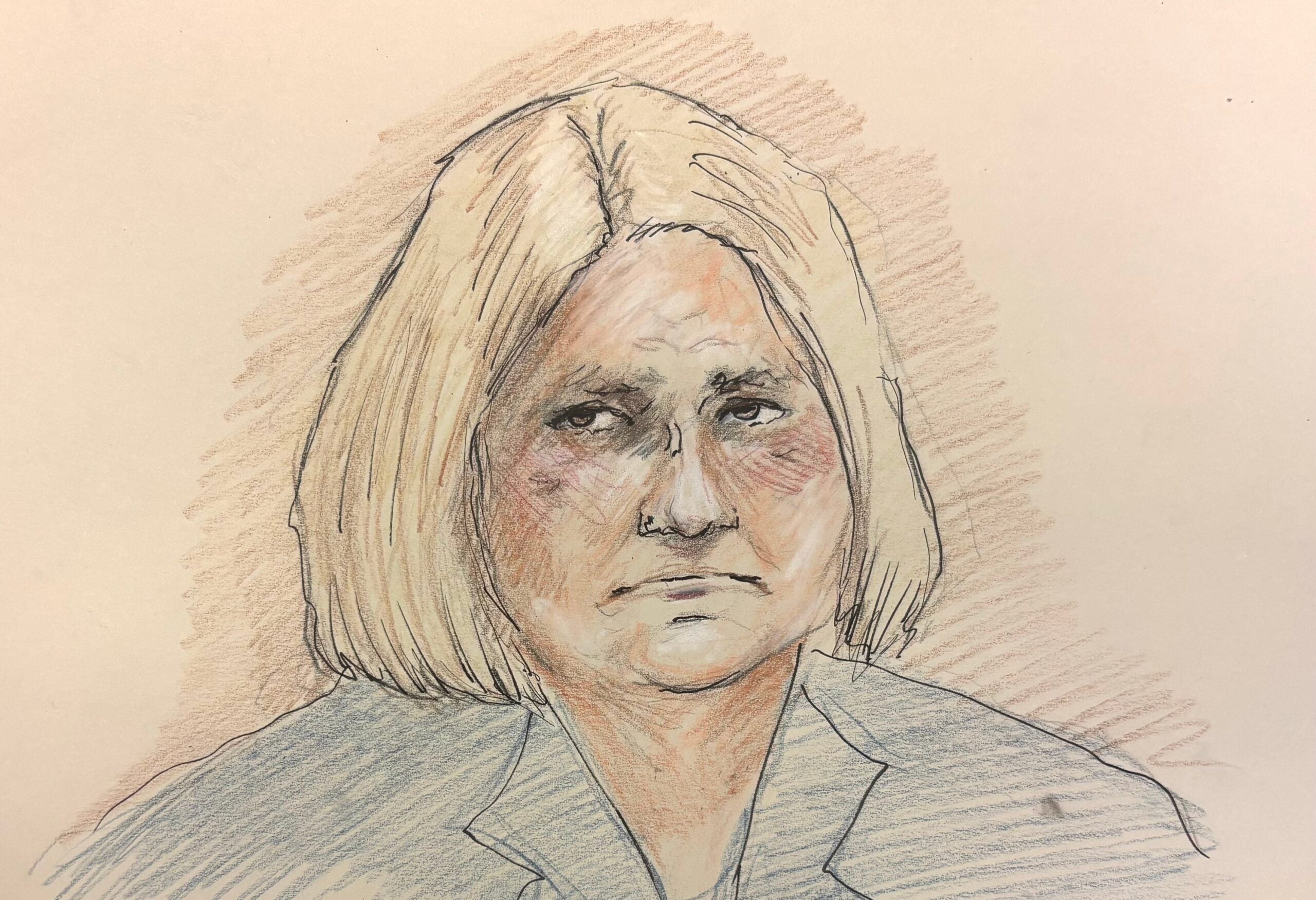
Milwaukee County Judge Hannah Dugan appeared in court Thursday wearing a black blazer. The 66-year-old judge faces federal charges of obstructing or impeding a proceeding, a felony, and concealing an individual to prevent his discovery and arrest, a misdemeanor.
Now, it’s up to a dozen Wisconsinites to decide whether or not she’s guilty. Those jurors were allowed to come from any of the 12 Wisconsin counties that make up the Milwaukee division of the federal court system’s Eastern District of Wisconsin. That includes much of southeast Wisconsin, spanning from Kenosha to Green Lake County.
News with a little more humanity
WPR’s “Wisconsin Today” newsletter keeps you connected to the state you love without feeling overwhelmed. No paywall. No agenda. No corporate filter.
Dozens of prospective jurors filed into the federal courthouse in Milwaukee on Thursday. They had filled out questionnaires inquiring about topics including their involvement in political organizations and participation in protests.
Adelman asked potential jurors a series of questions Thursday morning, including whether they knew any of the planned witnesses personally and whether they had ever been to the Milwaukee Count Courthouse — the building where the events at the center of Dugan’s upcoming trial unfolded.
Dugan’s legal troubles started on April 18, when federal agents showed up at the Milwaukee County Courthouse where she works. Those agents told her they were there to arrest Eduardo Flores-Ruiz for being in the country illegally. Flores-Ruiz was scheduled to appear in Dugan’s courtroom that day on misdeamnor domestic violence charges, according to court documents.
After some of those agents left Dugan’s courtroom to speak to Milwaukee County’s chief judge, court documents say Dugan ushered Flores-Ruiz and his attorney through a side door of the courtroom that’s intended for jurors. Dugan told Flores-Ruiz’s attorney his hearing would be rescheduled over Zoom, court documents say.
The federal agents caught up with Flores-Ruiz after chasing him on foot and arrested him outside the courthouse that same day. He was deported in mid-November, according to the U.S. Department of Homeland Security.
Opening arguments in Dugan’s trial kick off on Monday. Dugan has maintained her innocence.
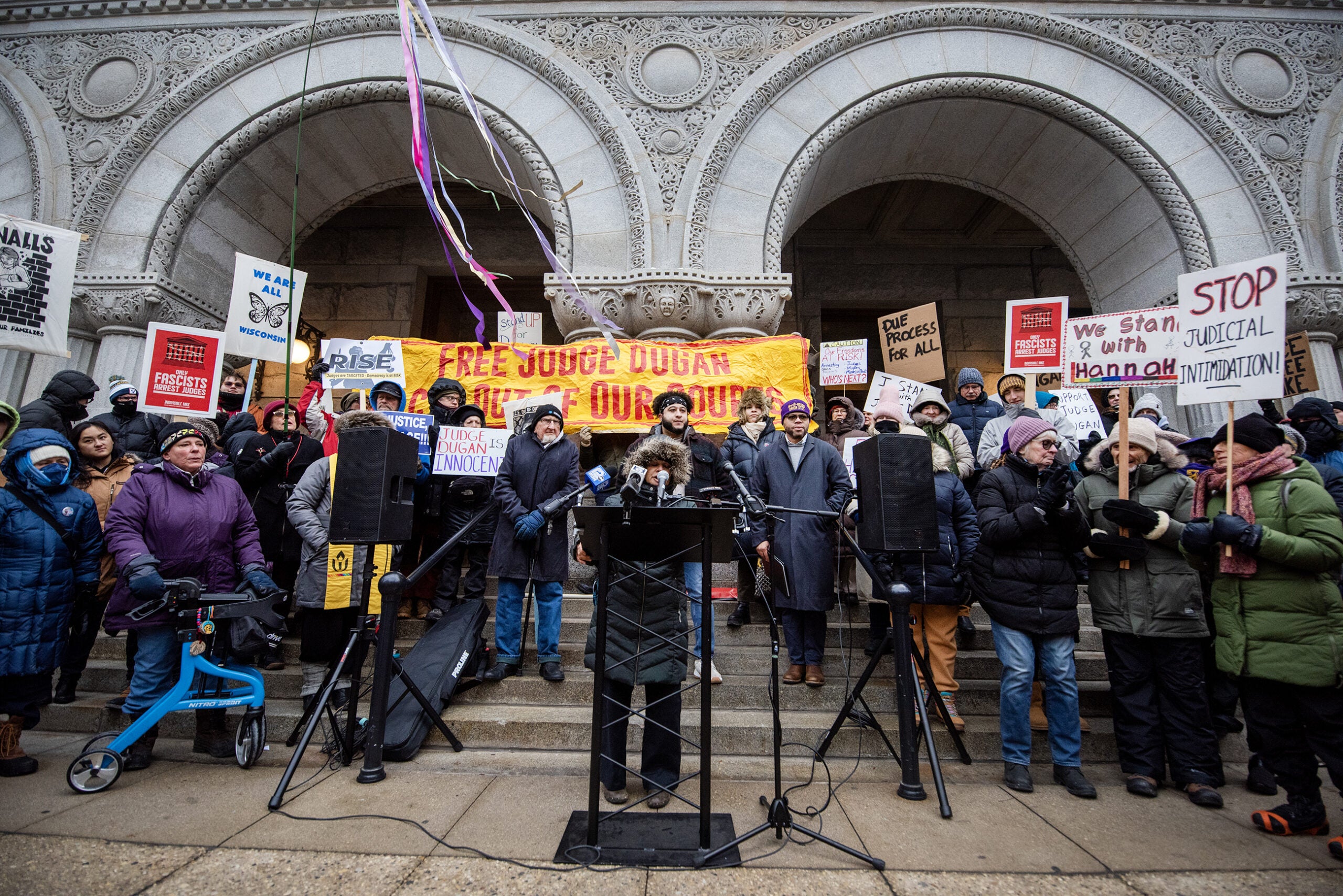
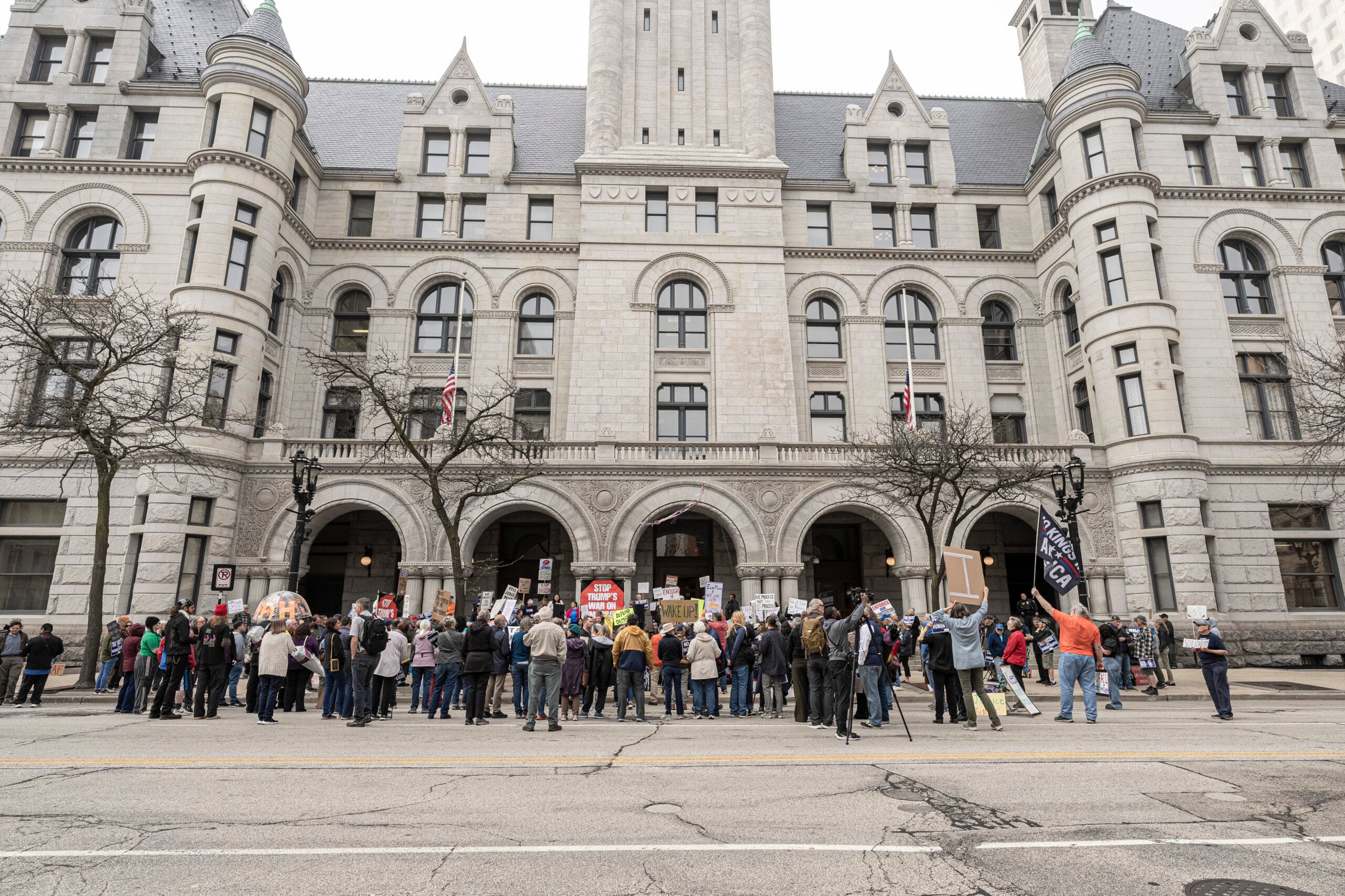
Supporters of Dugan plan to rally outside the federal courthouse Thursday evening.
News outlets raise concerns about limited public access
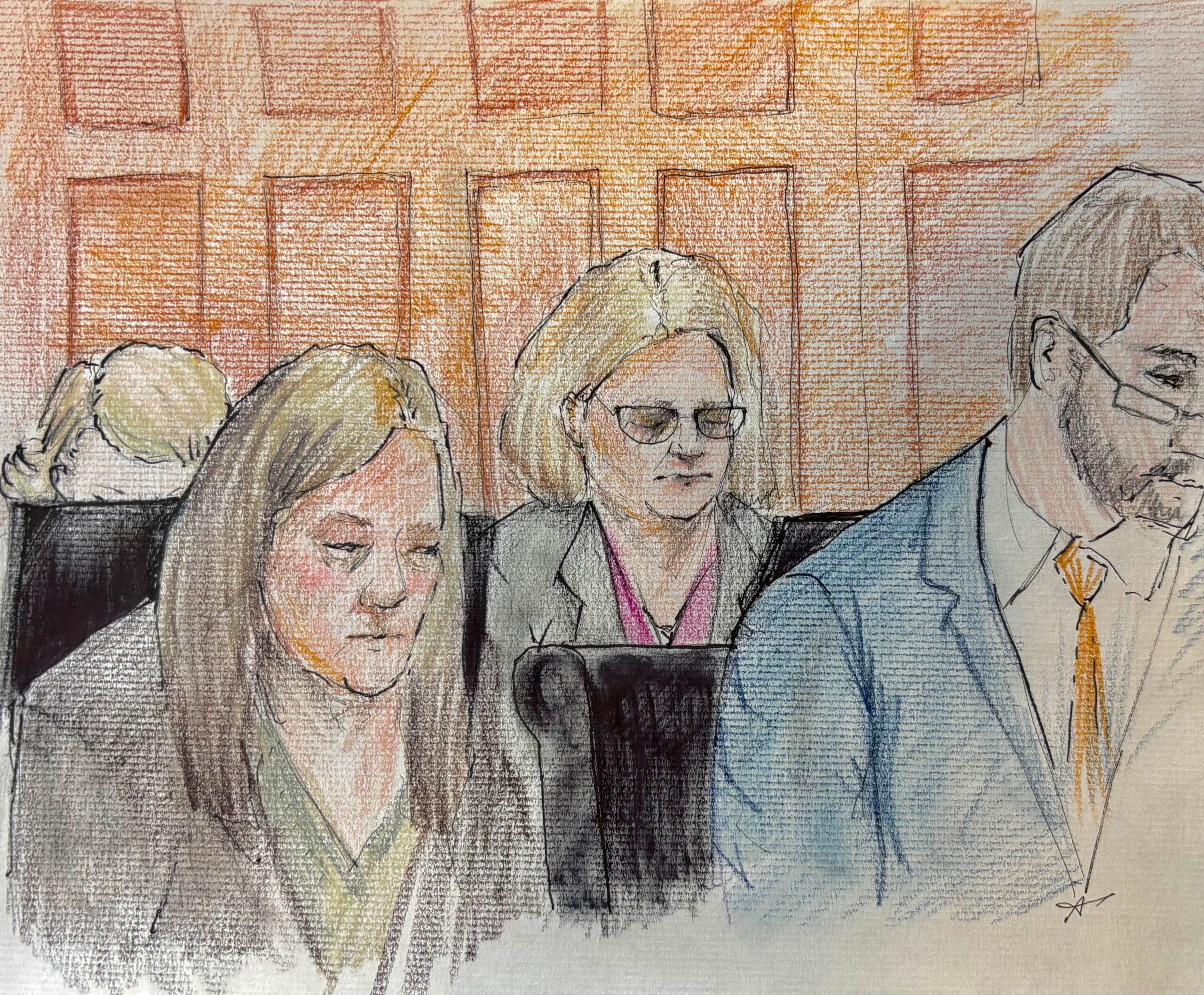
During the morning Thursday, much of the questioning of individual prospective jurors took place inside Adelman’s private chambers. The audio of those conversations was not broadcasted to members of the media who were watching the proceedings from an overflow room.
That came at the request of both Dugan and the federal government, who said they were concerned about jurors being tainted.
Typically, judges order jurors not to read, watch or listen to any media coverage of the ongoing case. Additionally, the names of jurors and potential jurors are kept secret during a trial.
During Thursday’s lunch break, Adelman met with an attorney for several media organizations, including WISN 12 and the Milwaukee Journal Sentinel. The attorney raised objections to Adelman’s decision to limit public access.
That prompted Adelman to allow audio and video broadcast of the questioning of the remaining prospective jurors, although Adelman did cut off that audio feed at times for questions deemed to be personal.
After the lunch break, more of the jury selection process continued in open court, as attorneys asked prospective jurors follow-up questions. Those lines of questioning included what types of news media prospective jurors had consumed about the case, what they thought about immigration enforcement, whether they trust law enforcement officers and whether the prospective jurors thought the case against Dugan was politically motivated.

Wisconsin Public Radio, © Copyright 2026, Board of Regents of the University of Wisconsin System and Wisconsin Educational Communications Board.