Madison’s Lake Mendota is chock full of very, very old canoes.
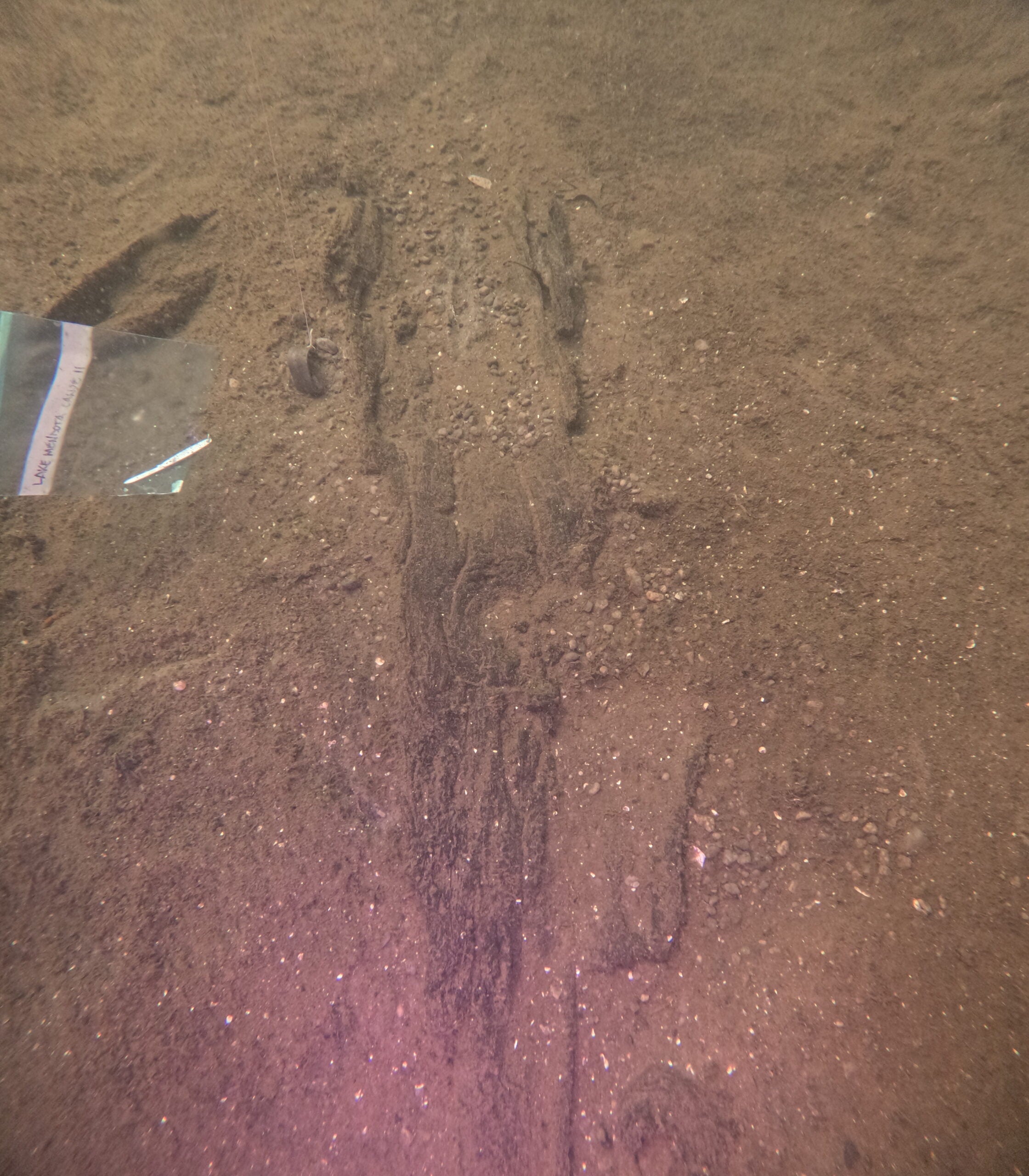
That includes one canoe that’s estimated to be more than 5,000 years old. Archeologists partially unearthed that record-setting boat earlier this year. It’s now the oldest boat ever to have been discovered in the Great Lakes region.
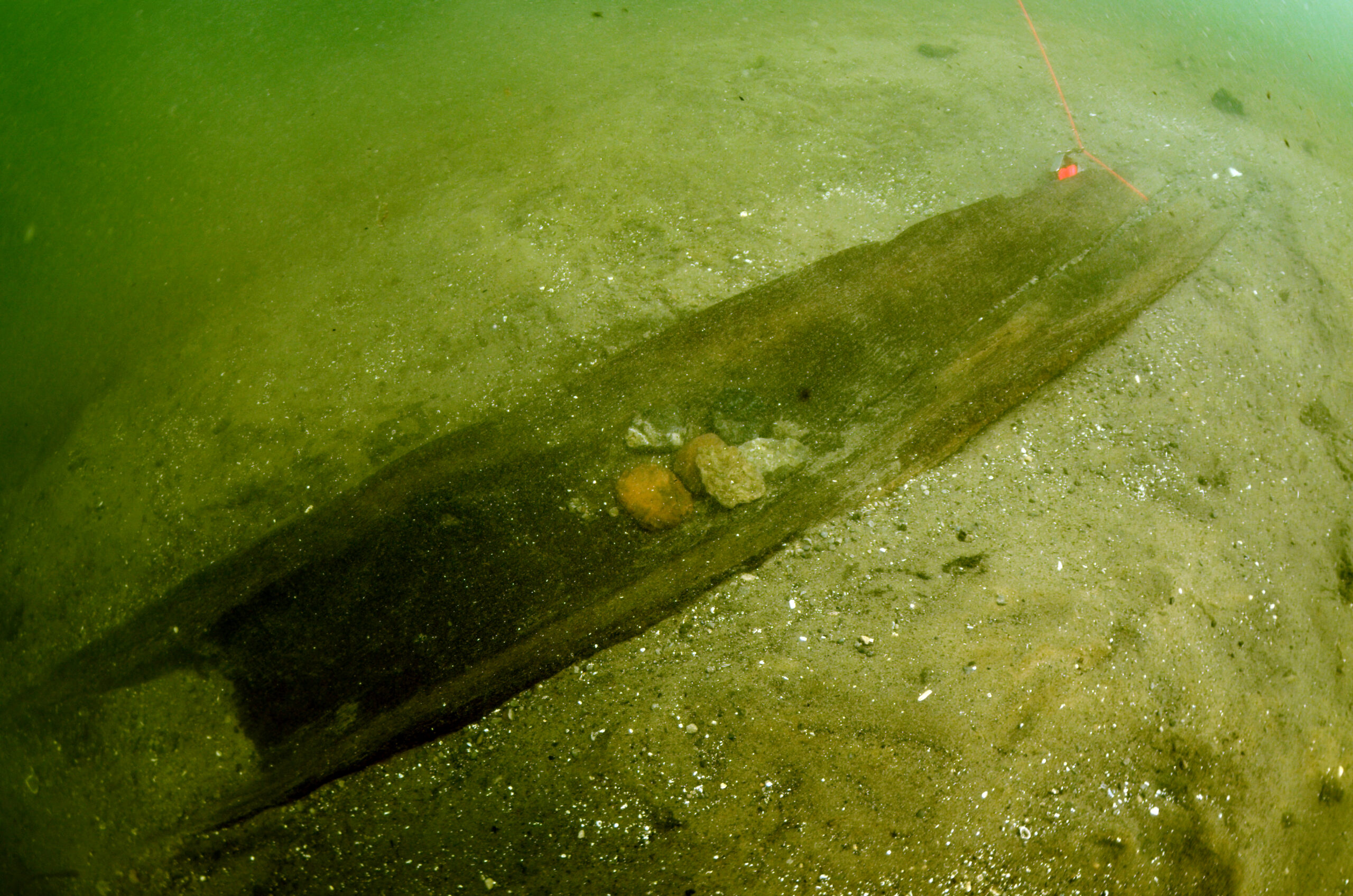
The Wisconsin Historical Society has now identified a total of 16 dugout canoes, all of which were found in the same shallow section of Lake Mendota.
News with a little more humanity
WPR’s “Wisconsin Today” newsletter keeps you connected to the state you love without feeling overwhelmed. No paywall. No agenda. No corporate filter.
Was Lake Mendota once a ‘parking lot’ for ancient canoes?
The cluster of discoveries adds credence to the theory that, for millennia, that spot served as sort of a watery parking garage for dugout canoes.
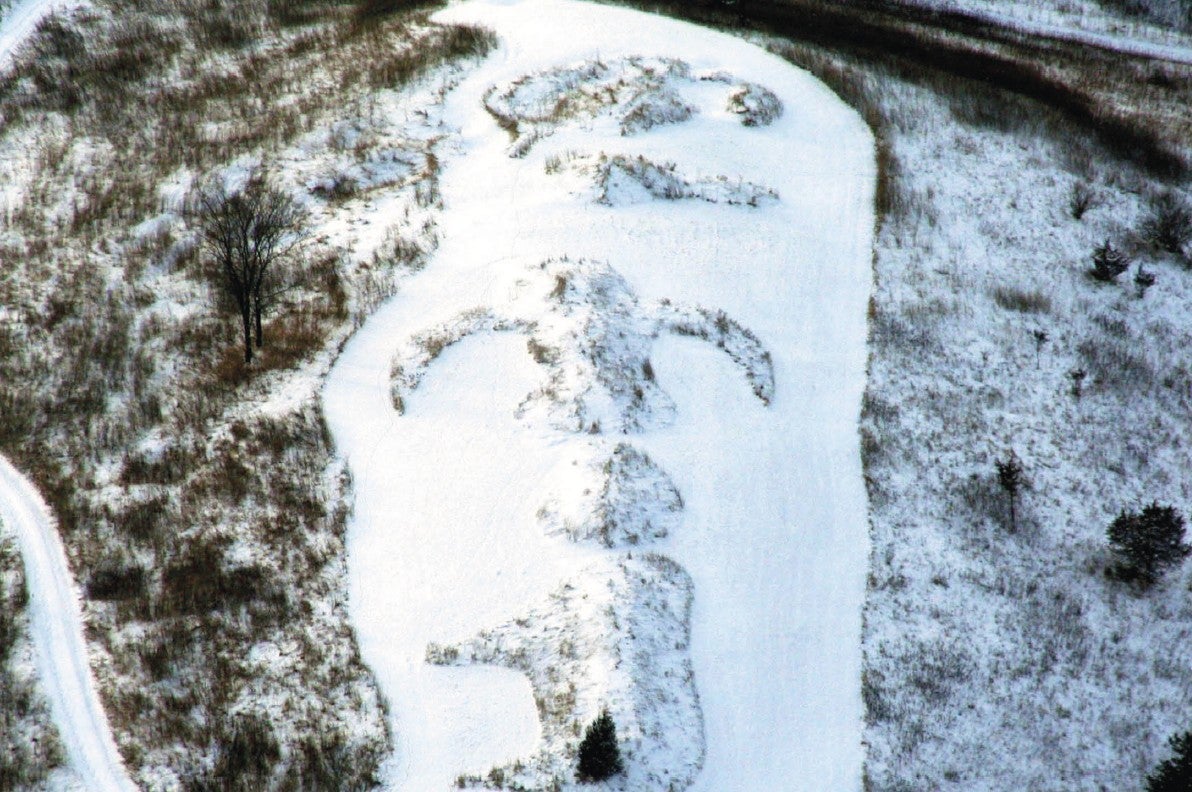
Lake Mendota’s shoreline has shifted over time. For thousands of years, the area was experiencing a drought. Today, the canoes are submerged under more than 20 feet of water, but scientists believe that the spot was once shallower and closer to the shore.
Indigenous people may have stashed their canoes for later by burying them under sediment near the shoreline. If they were nestled under at least four feet of water, that protected them from warping during freezing winters, said Tamara Thomsen, a maritime archeologist with the Wisconsin Historical Society.
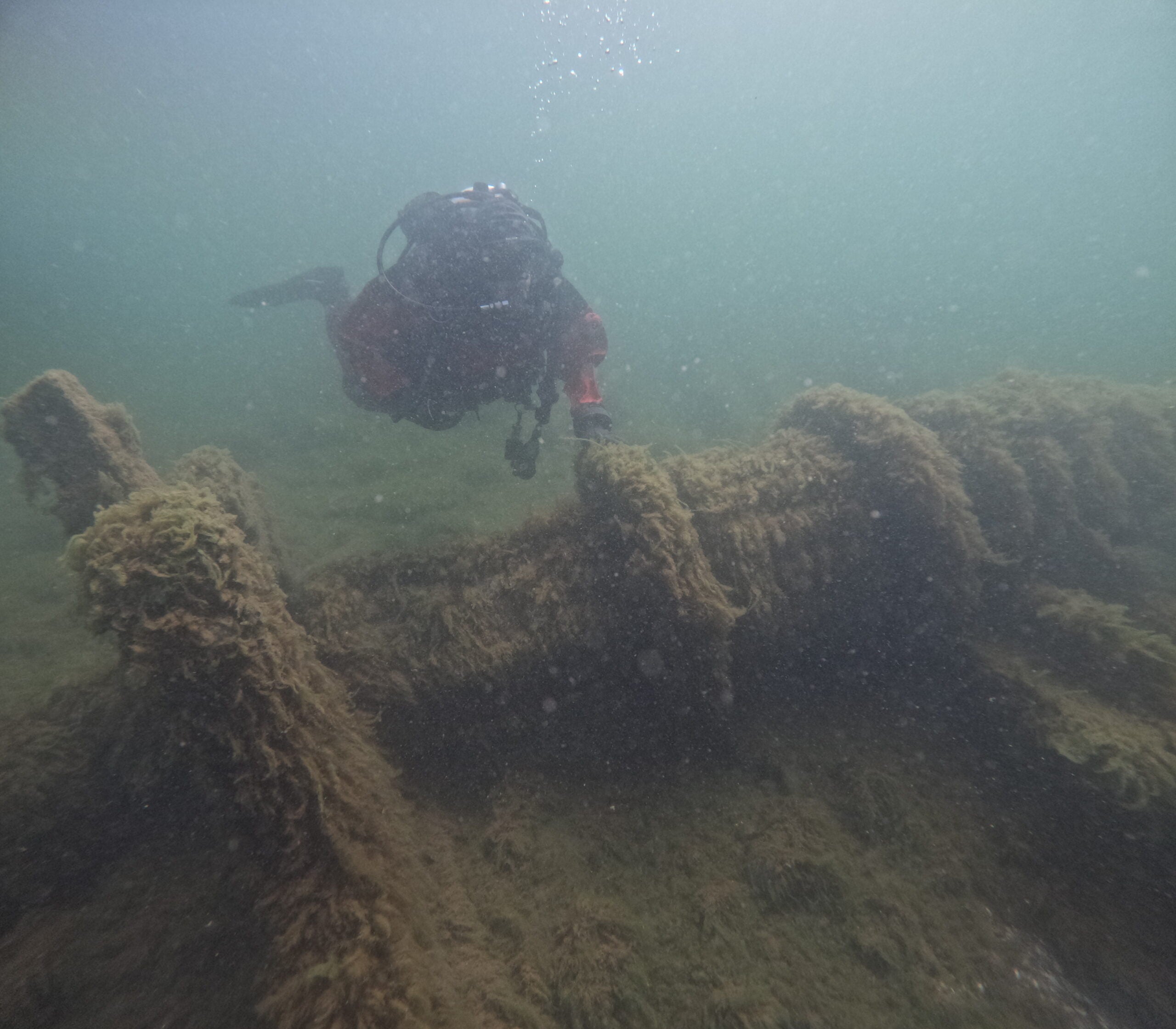
Thomsen is a skilled diver, who’s been the first person to spot many of the canoes in the Mendota cache.
“What we’re seeing really is a parking lot,” Thomsen said of Mendota’s canoe hot spot.
Like rideshare, but for canoes
In some ways, however, the lake bed may have been less like a sandy parking structure and more like a docking station for a canoe rideshare.
Thomsen draws an analogy to Madison’s electric bicycle charging stations.
“You know, in Madison, we have these BCycle racks,” Thomsen said. “This is kind of the ancient equivalent of that.”
Instead of being owned by one person, each canoe probably belonged to a community, Thomsen said. Those boats may have been stashed at strategic locations, so prehistoric travelers could connect to walking trails and other waterways.

That hypothesis is bolstered by the layout of Madison’s canoe cache. The ancient boats seem to be located in two groups, near gullies where water once ran down from higher ground overlooking Lake Mendota.
“There’s bluffs that are about 35 feet above the lake, and really the only access to get up and down to the lake is through those those wash ways,” Thomsen said.
“And we believe that those likely were entry access points for millennia, and that’s why the canoes were left in front of them.”
For hundreds and thousands of years, water was likely the speediest way to get around. The canoes seem to be a remnant of an ancient highway network.
“The canoes give us insight into a sophisticated travel network and interconnected communities who used their incredible skills and knowledge to live and thrive on lands where we still live and thrive today,” Larry Plucinski, the tribal historic preservation officer for the Bad River Band of Lake Superior Chippewa said in a statement. “They reflect a deep relationship with the environment and the ingenuity of our ancestors.”
When did archeologists first start finding old canoes in Lake Mendota?
The modern-day unearthing of Lake Mendota’s canoe cache goes back to 2021, when a dive team painstakingly pulled a 1,200 year old canoe out of the lake.
The next year, onlookers cheered as divers dragged an even older canoe, estimated to be 3,000 years old, out of the lake.
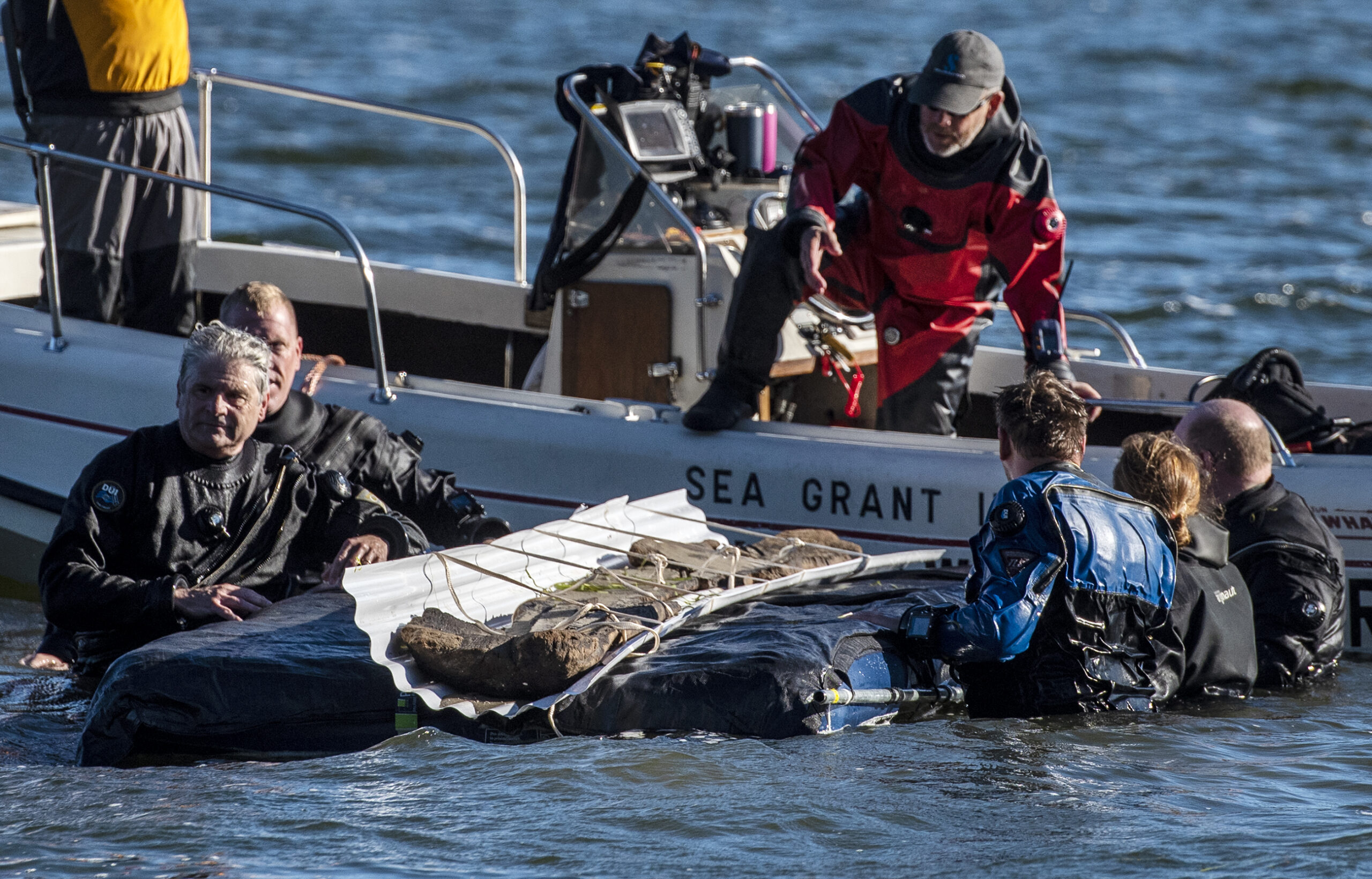
In 2024, the Wisconsin Historical Society announced it had found more canoes from that same area of Lake Mendota, bringing the total to as many as 11 canoes. Some of those canoes were in pieces, and the Historical Society later amended its conclusion to estimate that those fragments came from 10 different canoes.
This year, the Historical Society found six more canoes during the diving season that stretches from late spring into early summer.
The youngest canoe in the cache is 700 years old, and made from red oak. The oldest one was also dug out of red oak. It dates back to about 3,000 B.C.E., making it 5,200 years old.

Indigenous people made those boats by knocking down trees, and then hollowing them out using fire, shells and stone tools. And, based on research from the Madison-based U.S. Department of Agriculture’s Forest Products Laboratory, there’s growing evidence that the canoe-makers took advantage of how trees respond to damage.
Many of the canoes come from wood with balloon-like growths called tyloses. Tyloses can form after certain types of trees are infected or otherwise wounded. The growths seal off water to stop fungi and bacteria from spreading through the tree. As a side effect, they can also make wood water-resistant and able to float.
“Our emerging theory is that the the the ancient people would have had to, in some way, scar the tree over years, and maybe generations,” Thomsen said. “They knew that by damaging it, it would cause this response that would allow that species of wood to be watertight, because otherwise you would have a very leaky canoe.”
Are there more canoes to be discovered?
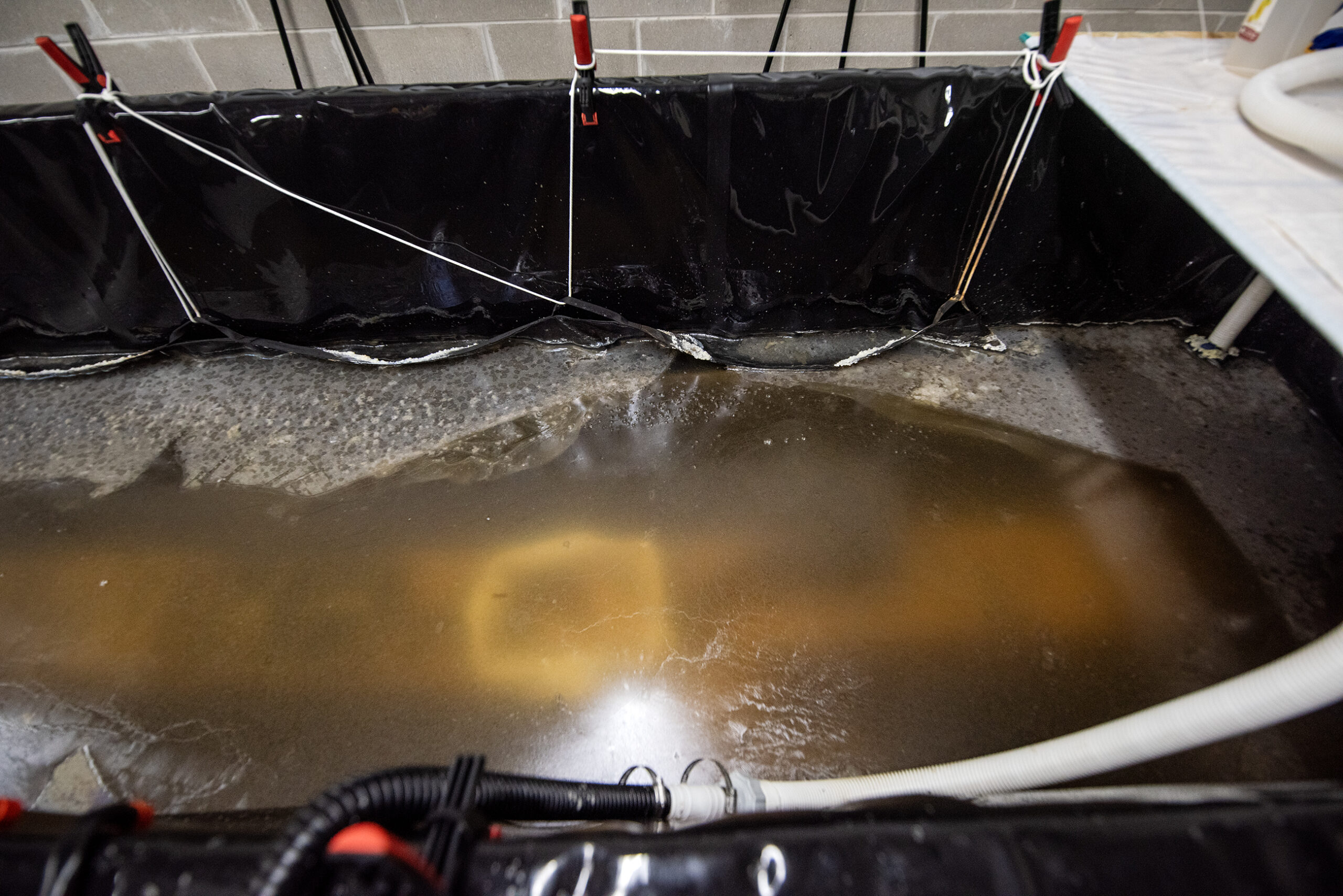
The 1,200- and 3,000-year-old canoes will soon be shipped to Texas A&M University, so they can be freeze-dried as the final step of a preservation process. Eventually, the Historical Society plans to display that pair of boats at the Wisconsin History Center, which is set to open in late 2027.
The rest of the canoes in the cache are considered too fragile to move, and will remain at the bottom of Lake Mendota. In some cases, archeologists had to unbury the canoes, so they could take photos and collect small wood samples for radiocarbon dating. They’ve since reburied them, so they’ll be protected from ravenous zebra mussels.
In some ways, the section of Lake Mendota that’s become famed as a canoe hot spot could be special. It’s near a marina, and archeologists think some of the canoes may have become partially exposed in recent years because of soil erosion from boat wakes.
But, in other ways, the area may not be special at all. Thomsen and other local archeologists believe other canoes are hiding throughout Wisconsin’s waterways. Those boats may be just as old, or even older.
So far, Florida has Wisconsin beat. It’s home to the oldest canoes ever discovered in North America, dating back seven millennia.
But Thomsen believes Wisconsin could eventually surpass that record. So far, several of the Mendota canoes have been found buried underneath each other, and she’s confident that digging deeper will yield more canoes.
“We believe that there may be somewhere down there a 7,000-year-old canoe, and it’s just waiting to come out,” Thomsen said.
In Lake Mendota, diving season lasts about five weeks, starting in late May when the water is clear enough for decent visibility.
Next spring, Thomsen will be out on the water again, scoping out canoes.

Wisconsin Public Radio, © Copyright 2026, Board of Regents of the University of Wisconsin System and Wisconsin Educational Communications Board.