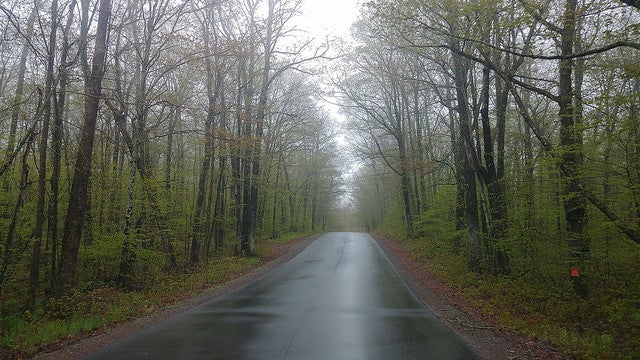
Tribes in Wisconsin and beyond are opposing the Trump administration’s proposal to end protections for millions of acres of roadless areas on national forest land.
The U.S. Department of Agriculture wants to repeal the “roadless rule” that’s been in place for 25 years. Around 58 million acres, or 30 percent of national forest lands, are inventoried as roadless areas. The rule blocks logging and construction on 44.7 million acres, including 69,000 acres of the Chequamegon-Nicolet National Forest in Wisconsin.
When announcing the proposed rollback, USDA Secretary Brooke Rollins said the rule was “overly restrictive” and the change would allow logging and proper management to prevent wildfires.
News with a little more humanity
WPR’s “Wisconsin Today” newsletter keeps you connected to the state you love without feeling overwhelmed. No paywall. No agenda. No corporate filter.
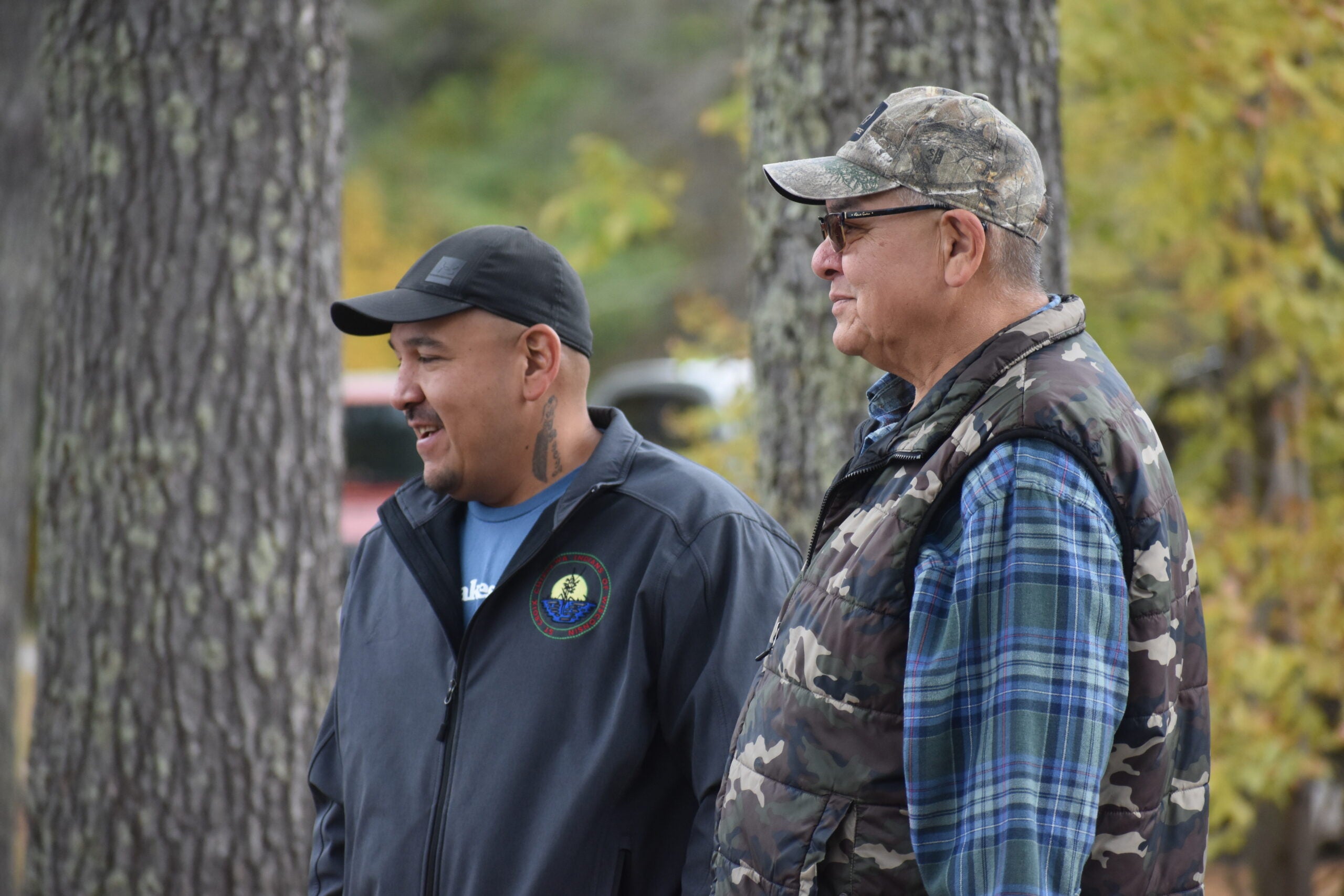
But Wisconsin Ojibwe tribes said the move was conducted without consultation and threatens natural resources they rely on, said Conrad St. John, chairman of the St. Croix Chippewa Indians of Wisconsin.
“They want to log it for the mature timber. They want to mine it for the precious metals, all of which is revenue-based to create money for big corporations,” St. John said.
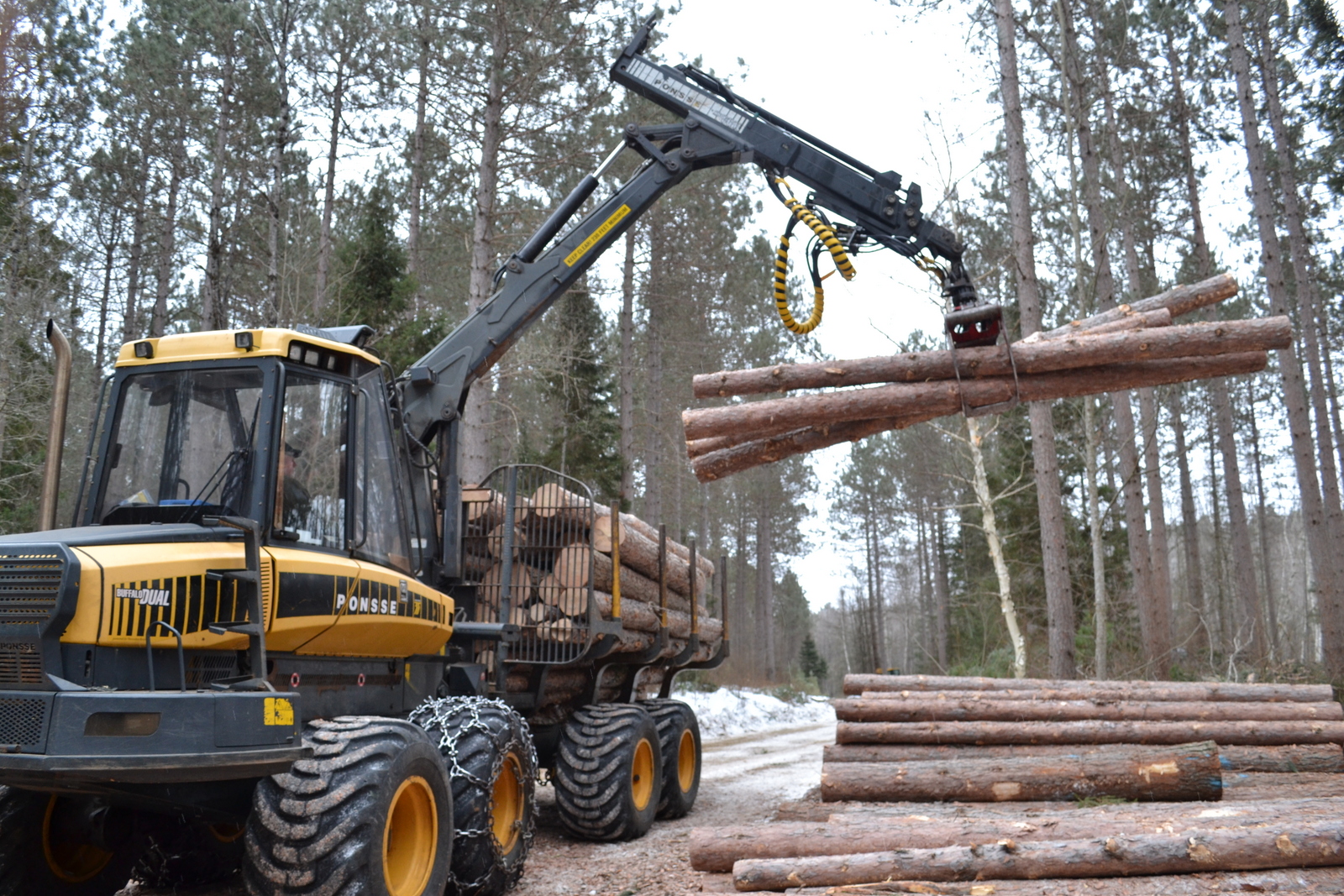
The rollback comes as President Donald Trump and his administration have taken steps to boost logging and mining on public lands with a stated goal of creating jobs and reducing reliance on foreign nations.
In Wisconsin, roadless areas account for less than 5 percent of the national forest’s 1.5 million acres.
But Dylan Bizhikiins Jennings said they make up a vital portion of the region’s national forests, saying the administration’s actions show disregard for tribal sovereignty and treaty rights. He’s director of public information for the Great Lakes Indian Fish and Wildlife Commission, which represents 11 tribes in Wisconsin, Michigan and Minnesota.
“These areas support mature forest ecosystems … and these areas in particular maintain high water quality,” Jennings said. “They support high levels of biodiversity and all sorts of different types of habitat that support different beings in these areas.”
In a Nov. 26 letter, the commission wrote that more roads and logging may increase sediment pollution that harms spawning beds for walleye, increases water temperatures and threatens wild rice beds. In November, Midwest tribes joined tribal governments nationwide in backing a resolution opposing the repeal.
When USDA first adopted the rule, the agency said it barred logging and road construction in those areas because they were most likely to be fragmented.
The agency was also facing an $8.4 billion backlog of deferred maintenance, saying it made little sense to build more roads. The repeal would place more strain on the agency’s funding and employees, said Paul Strong, former forest supervisor of the CNNF.
Strong, who led the forest for a dozen years, noted the USDA said the rule is intended to return decision-making to local officials.
“If those decisions result in additional road-building, the likelihood of that ever being pulled back and reclaiming that land, I believe, is almost nil,” Strong said. “Once done, it will be very difficult to undo.”
One reason, he said, is the social pressure to maintain access once roads are built. Henry Schienebeck, executive director of the Great Lakes Timber Professionals Association, said he supports repealing the rule to promote access for hunters and other forest users.
“But I think from a forest management standpoint, I don’t know that we’re going to see a lot of change in what we’re doing as a forest industry,” Schienebeck said. “The West has its own set of problems, and they have much more fire management to mitigate.”
More than 625,000 comments have been submitted on the proposal. A final environmental impact statement and decision on repealing the rule is expected late this year.

Wisconsin Public Radio, © Copyright 2026, Board of Regents of the University of Wisconsin System and Wisconsin Educational Communications Board.