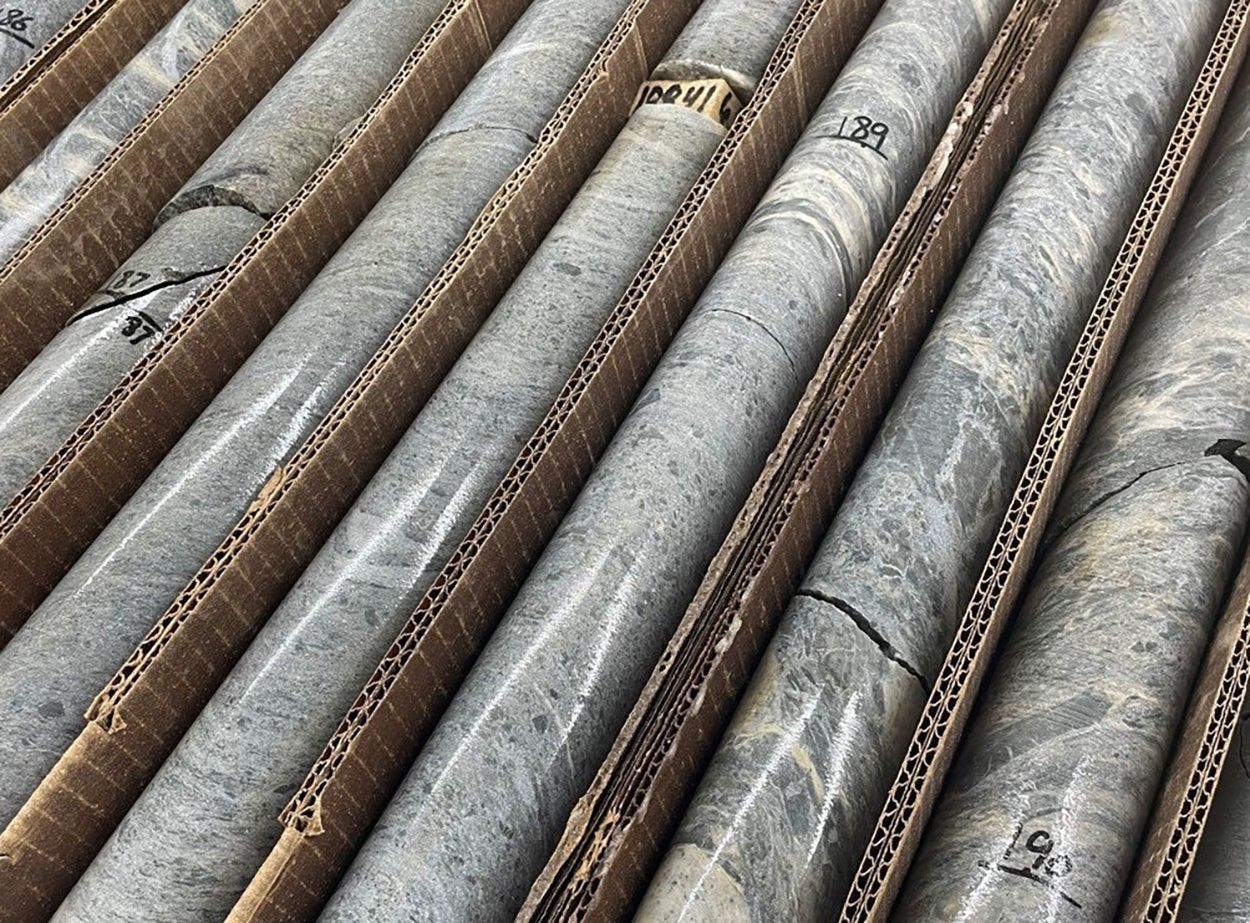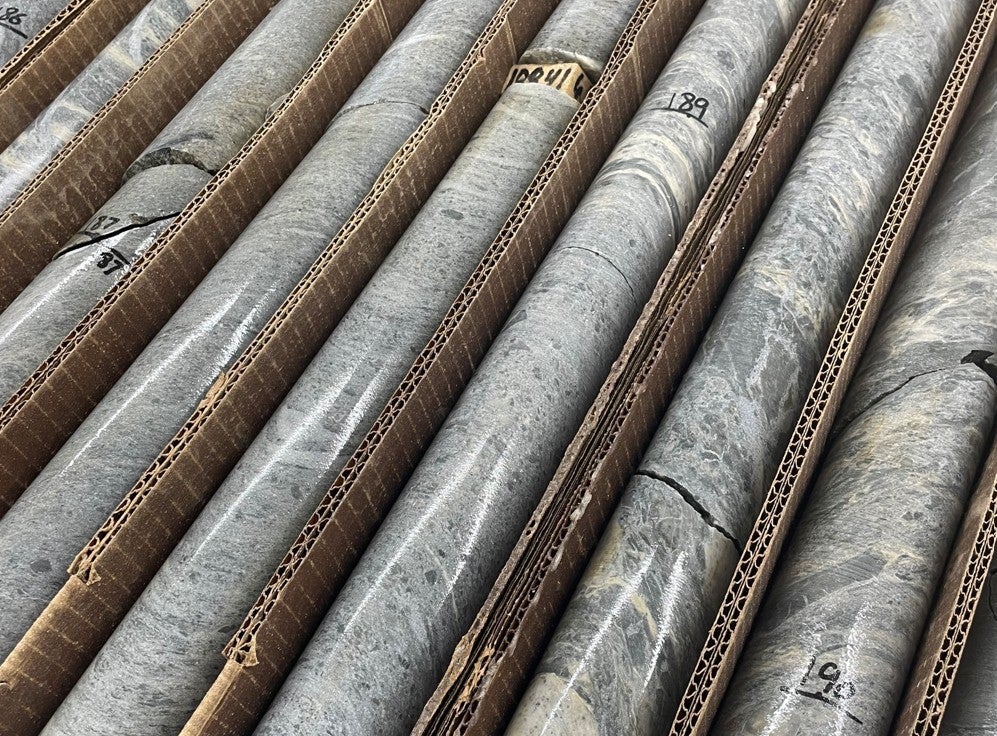
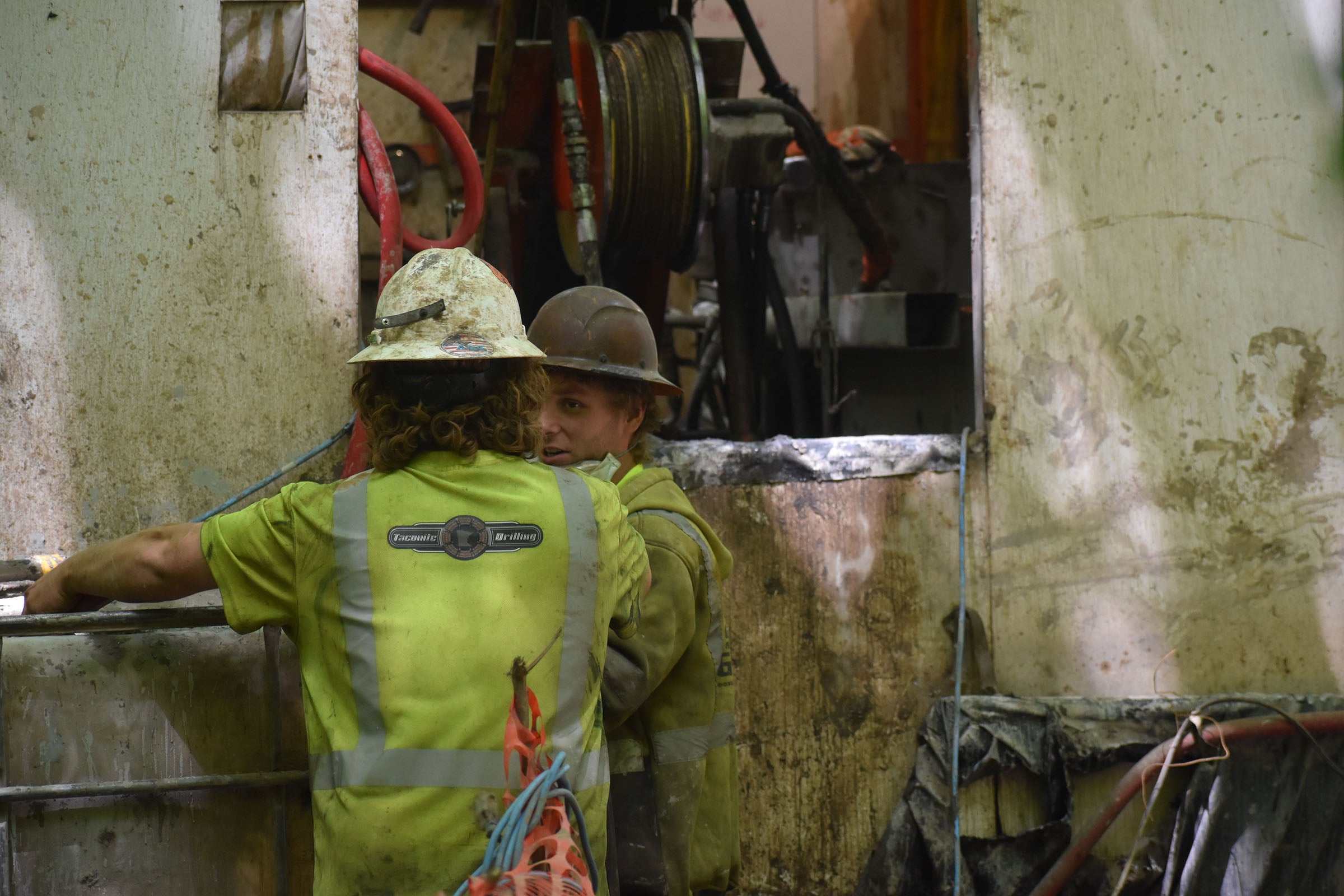
A mining company plans to expand exploratory drilling for copper, gold and other metals in northern Wisconsin next month.
In December, mining company GreenLight Wisconsin submitted plans to drill up to 20 holes across 15 sites within a 40-acre parcel of the Bend deposit in Taylor County near Medford. The deposit is estimated to contain around 4.2 million tons of ore containing primarily copper-bearing sulfides and gold.
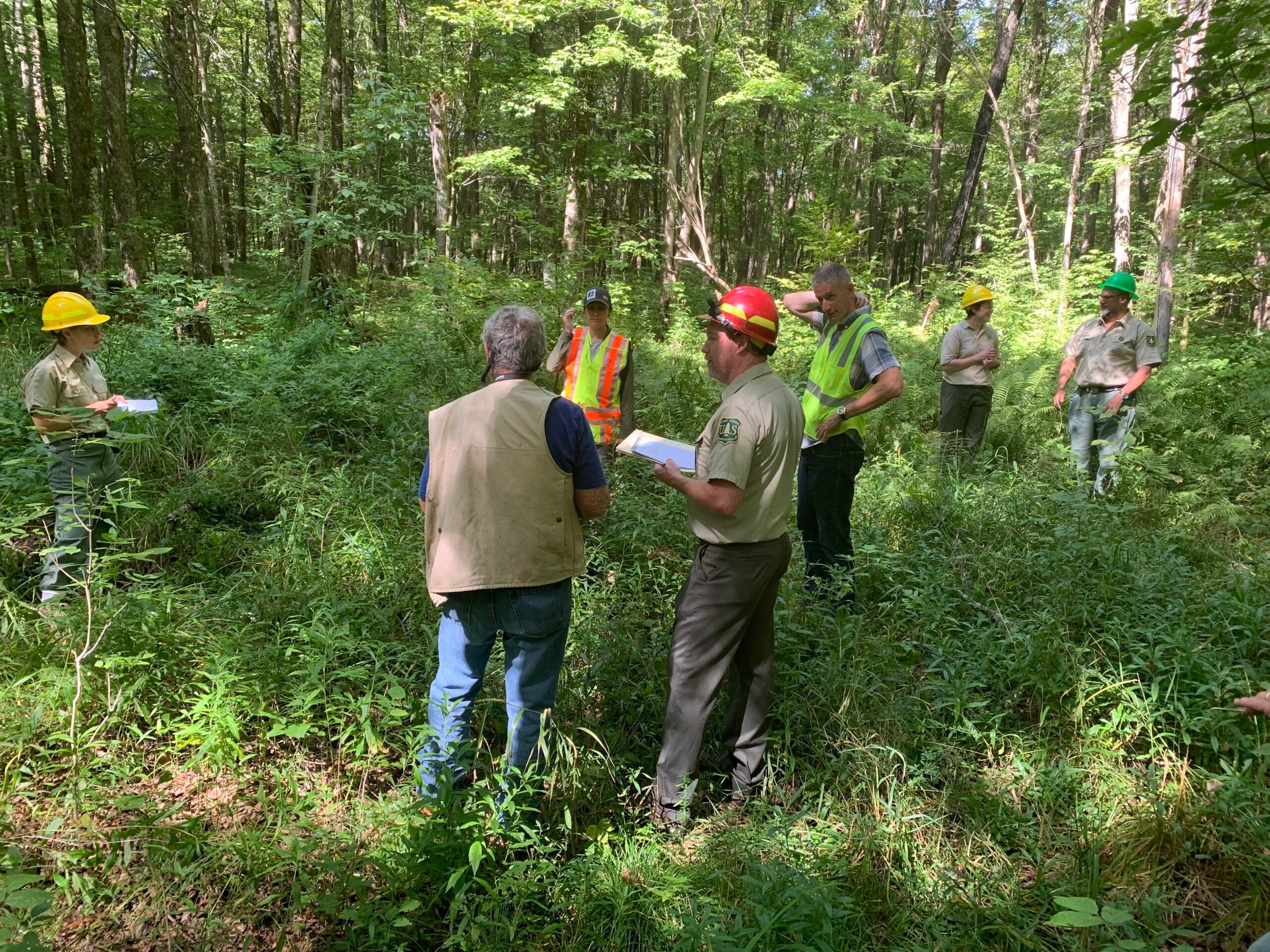
The company is seeking necessary approvals from the Wisconsin Department of Natural Resources and U.S. Forest Service, said Steve Donohue, a director on the company’s board.
News with a little more humanity
WPR’s “Wisconsin Today” newsletter keeps you connected to the state you love without feeling overwhelmed. No paywall. No agenda. No corporate filter.
“We hope to have those materials in hand, all the approvals, by the end of the month. Then, in early February, we hope to be out there to start drilling,” Donohue said.
The DNR is reviewing modifications to the company’s stormwater and dewatering permits. However, the company has not yet applied for a wetlands permit to drill on three sites containing wetlands, said Molly Gardner, the DNR’s metallic mining coordinator.
“Without a wetland permit, they won’t be able to access those sites,” Gardner said.
The DNR expects to issue a decision on the company’s plans by Jan. 29.
Donohue said the company is evaluating whether it would conduct exploration within wetlands based on ground conditions at the site. Before any work could begin, the company must increase the amount of its $50,000 bond to an amount that has yet to be determined, said Gardner.
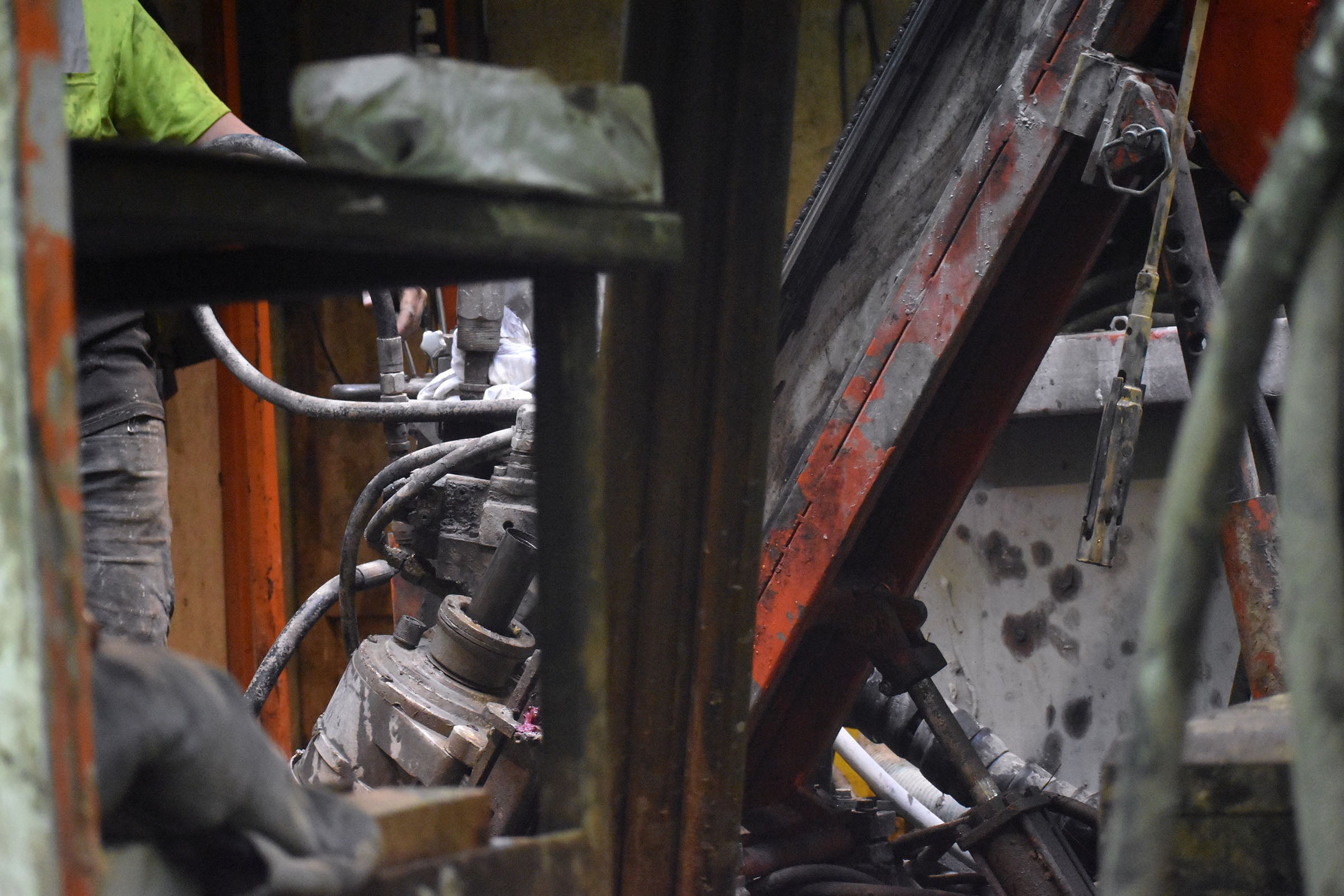
GreenLight is leasing mineral rights from the Soo Line Railroad on land owned by the U.S. Forest Service within the Chequamegon-Nicolet National Forest. Pending approvals, holes would be drilled up to 2,600 feet deep on less than three acres at the same site where the company conducted exploration work this past summer.
The project is separate from the company’s plan to drill an area spanning more than 500 acres of federally owned land, which requires a prospecting permit from the federal Bureau of Land Management. Donohue said the company hopes to obtain approval from the DNR and Forest Service so that it can begin drilling there by April or May.
Tribal and environmental groups have expressed concerns about the company’s plans to drill in and around wetlands, including John Coleman, environmental section leader for the Great Lakes Indian Fish and Wildlife Commission.
“We are concerned that frozen ground conditions may not really occur to an adequate extent or to a depth that would really protect the ground and the wetlands,” Coleman said, noting that temperatures have been above freezing in recent days.
Donohue said the company would conduct drilling in a way that doesn’t impact wetlands. Frost depths of substantial thickness are required to bring drilling equipment on site, which would be measured and monitored, and the company would lay down timber mats to minimize damage from heavy equipment.
Even so, St. Croix Chippewa Chairman Conrad St. John said he would like all drilling to cease, saying he’s concerned about nearby wild rice beds and water quality.
“I don’t think mining would help clean those waters in any way, shape or form,” St. John said.
Donohue said the company is trying to obtain more information on the extent of the resource and the potential for mining in the future. He stressed that permitting or development of any potential mine is still years away.
The DNR is still reviewing permits for drilling, and a spokesperson for the Forest Service said it has not yet granted approval for the company’s latest plans on the 40-acre Soo Line parcel. Pending necessary approvals, the company must provide 48-hour notice before any work begins.

Wisconsin Public Radio, © Copyright 2026, Board of Regents of the University of Wisconsin System and Wisconsin Educational Communications Board.