More than 100 waterfront property owners in Wisconsin are backing a petition to require decontamination of wake boats moving between lakes to prevent the spread of invasive species.
Wake boat owners say more focus should be placed on education and resources to decontaminate all boats.
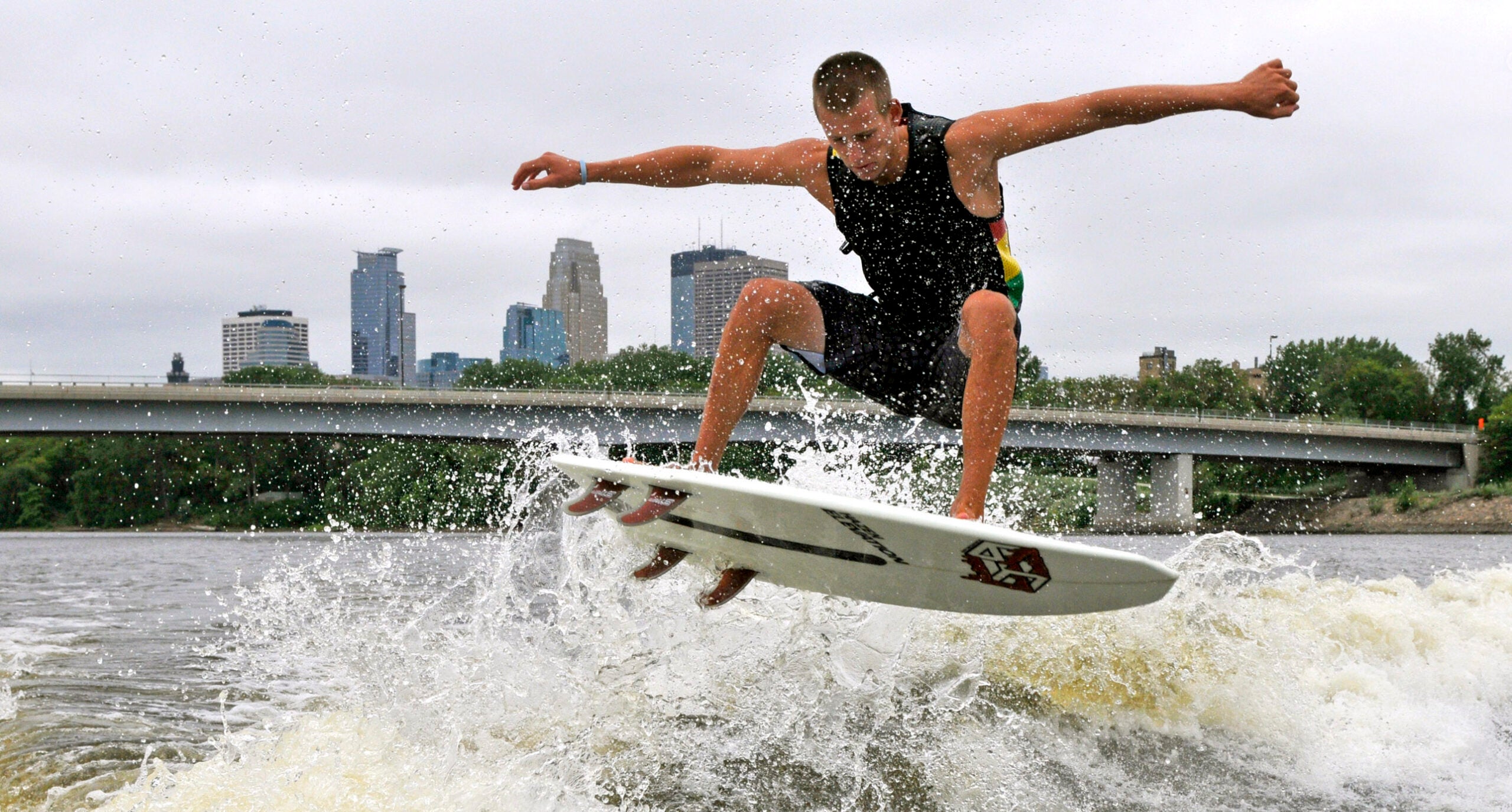
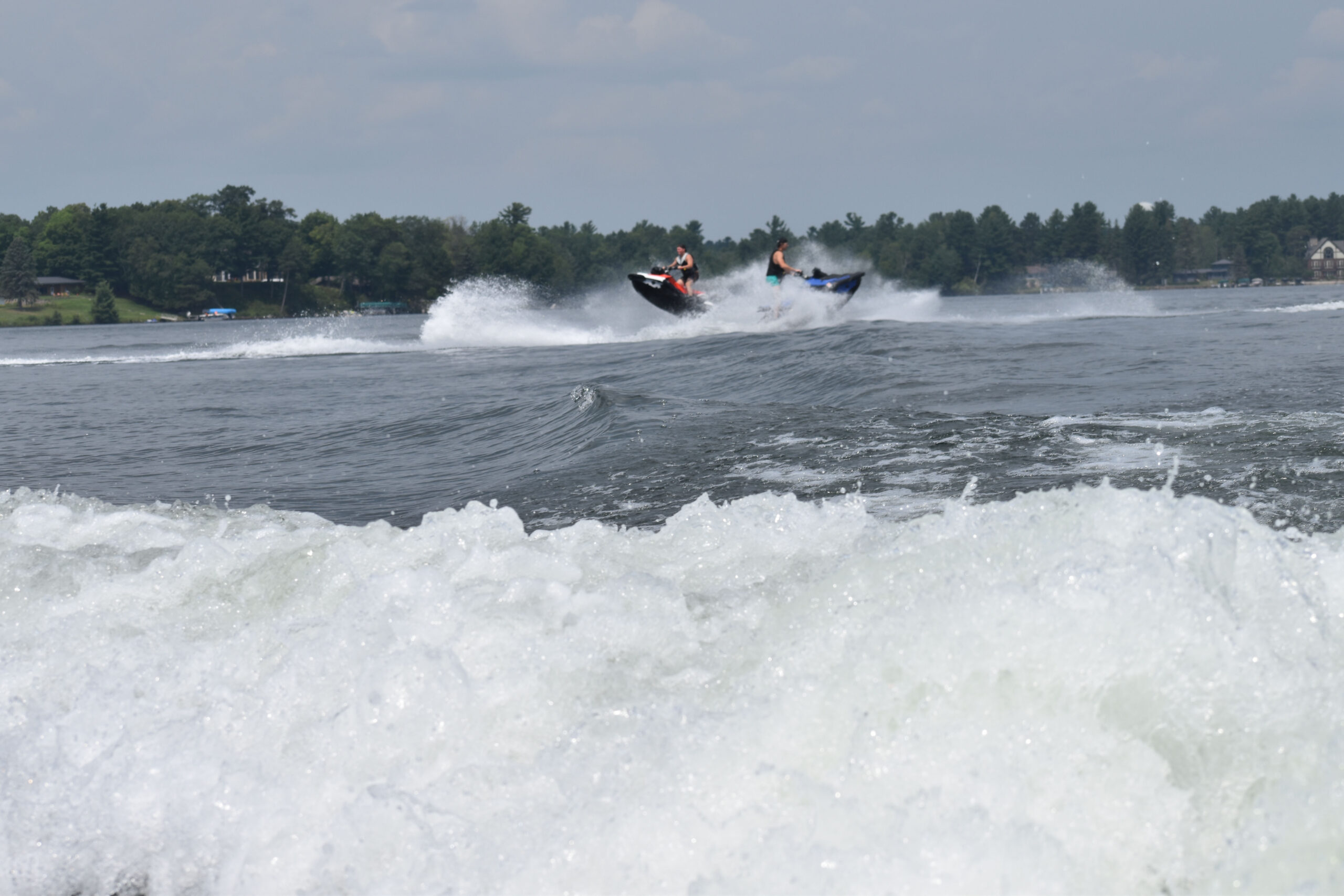
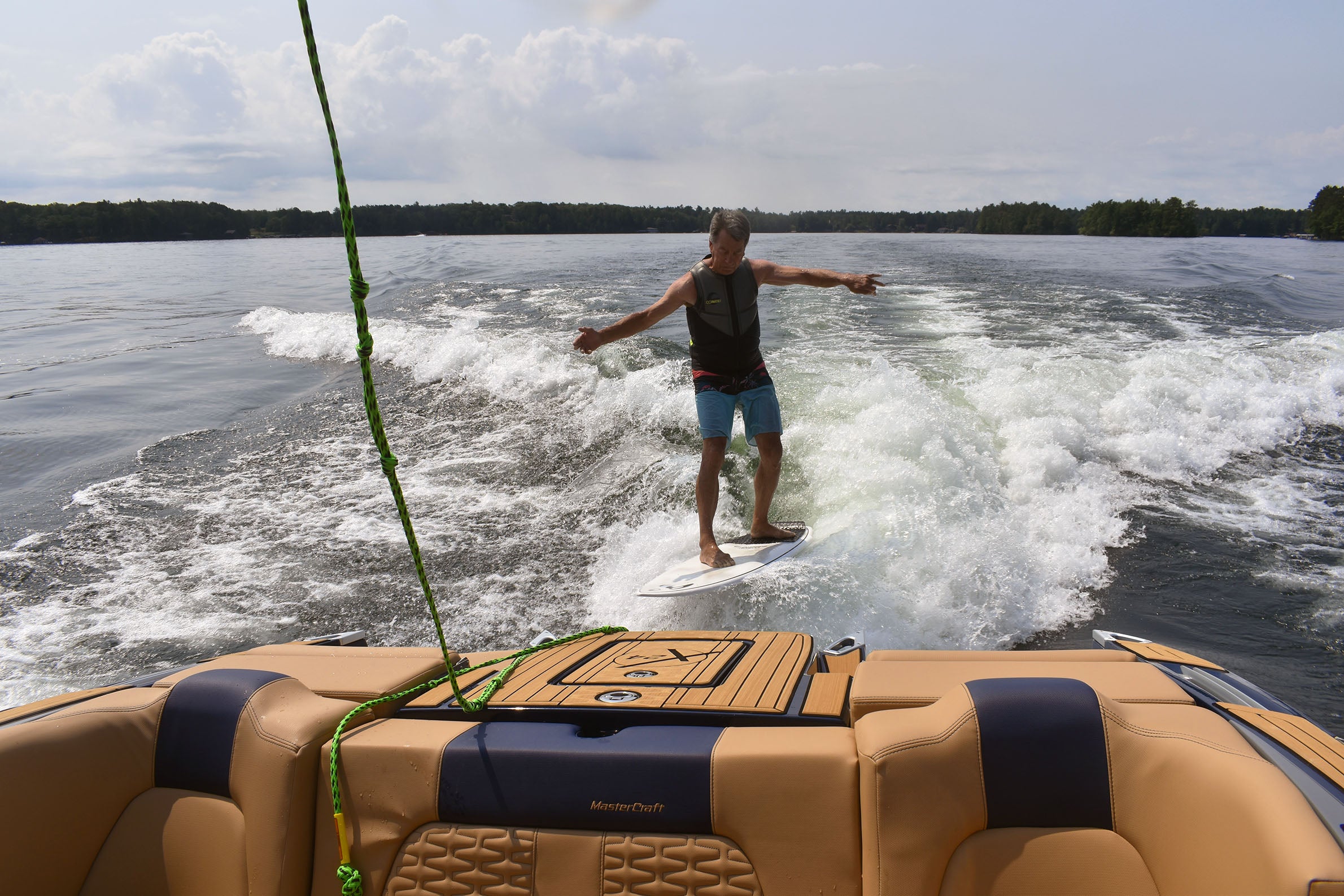
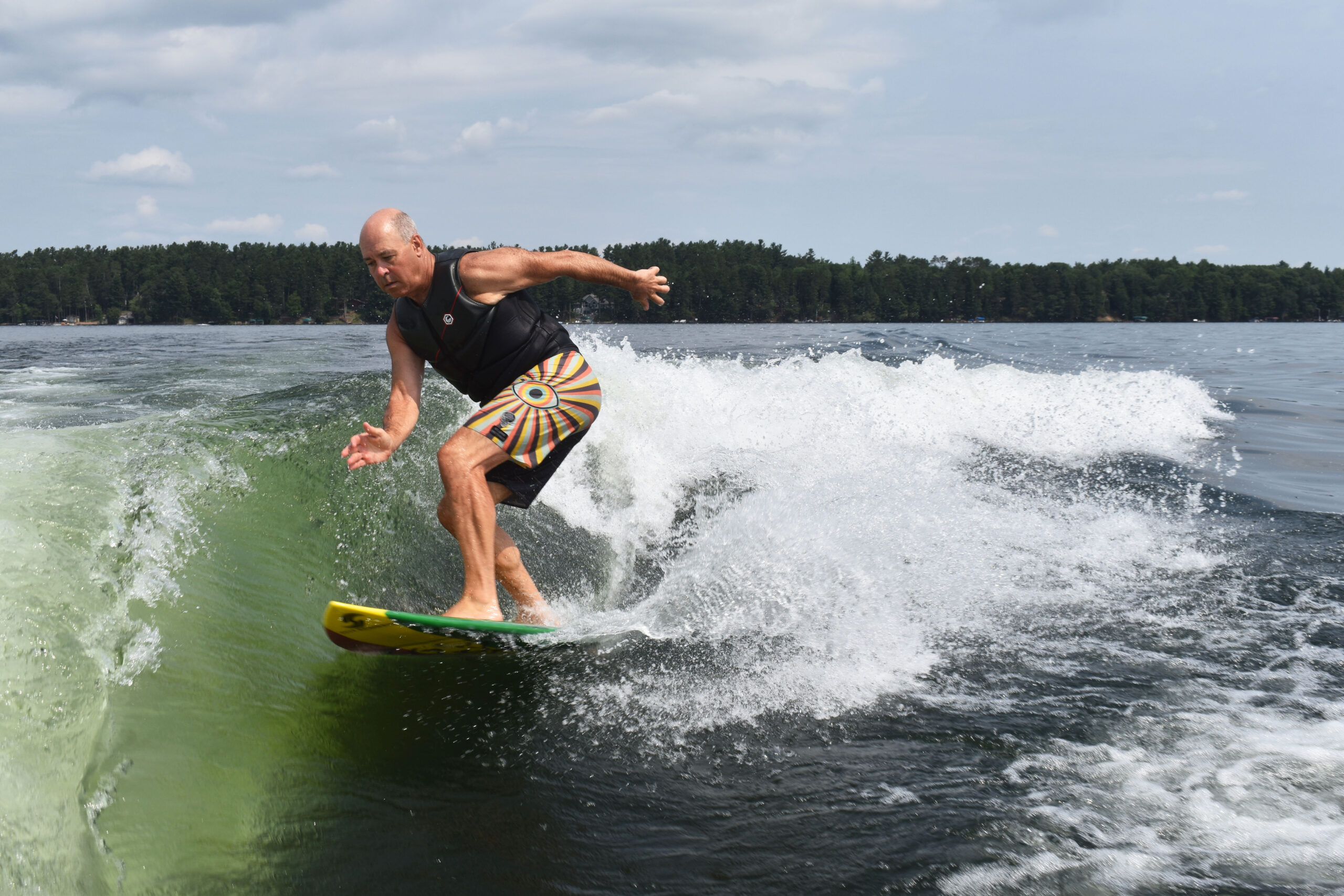
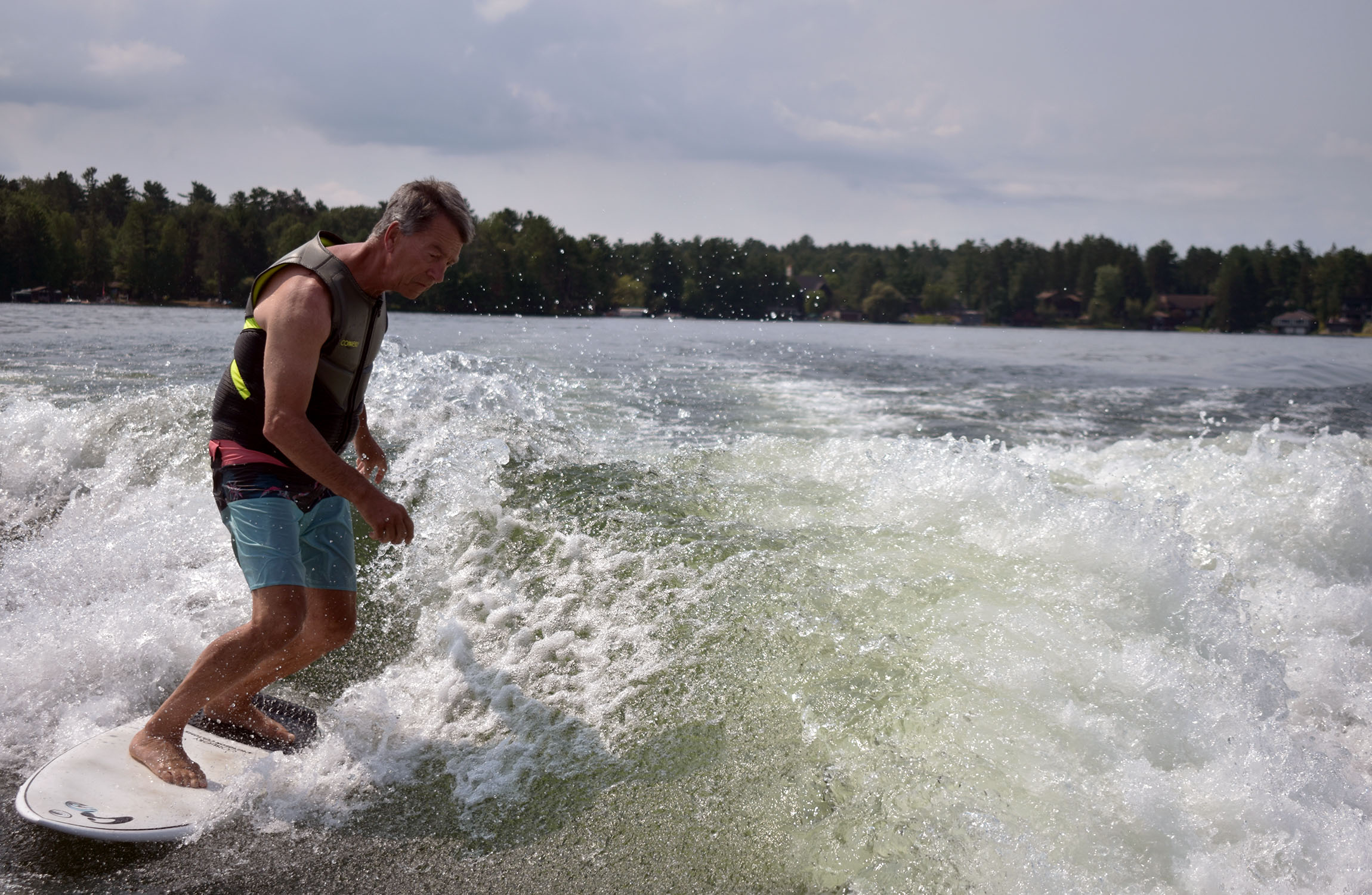
Wake boats are designed to enhance a boat’s wake through the use of ballast tanks or other design features, creating large waves that people can surf.
Jim Olson, a Madison attorney with LawtonCates, filed the petition with the Wisconsin Department of Natural Resources on June 12. State regulations require all boats to drain water from their bilge, live wells or ballast tanks. However, Olson and other petitioners say research and wake boat manuals show their ballast systems can’t be fully drained.
“Those boats that go from lake to lake, there is a risk that they will spread invasives,” Olson said.
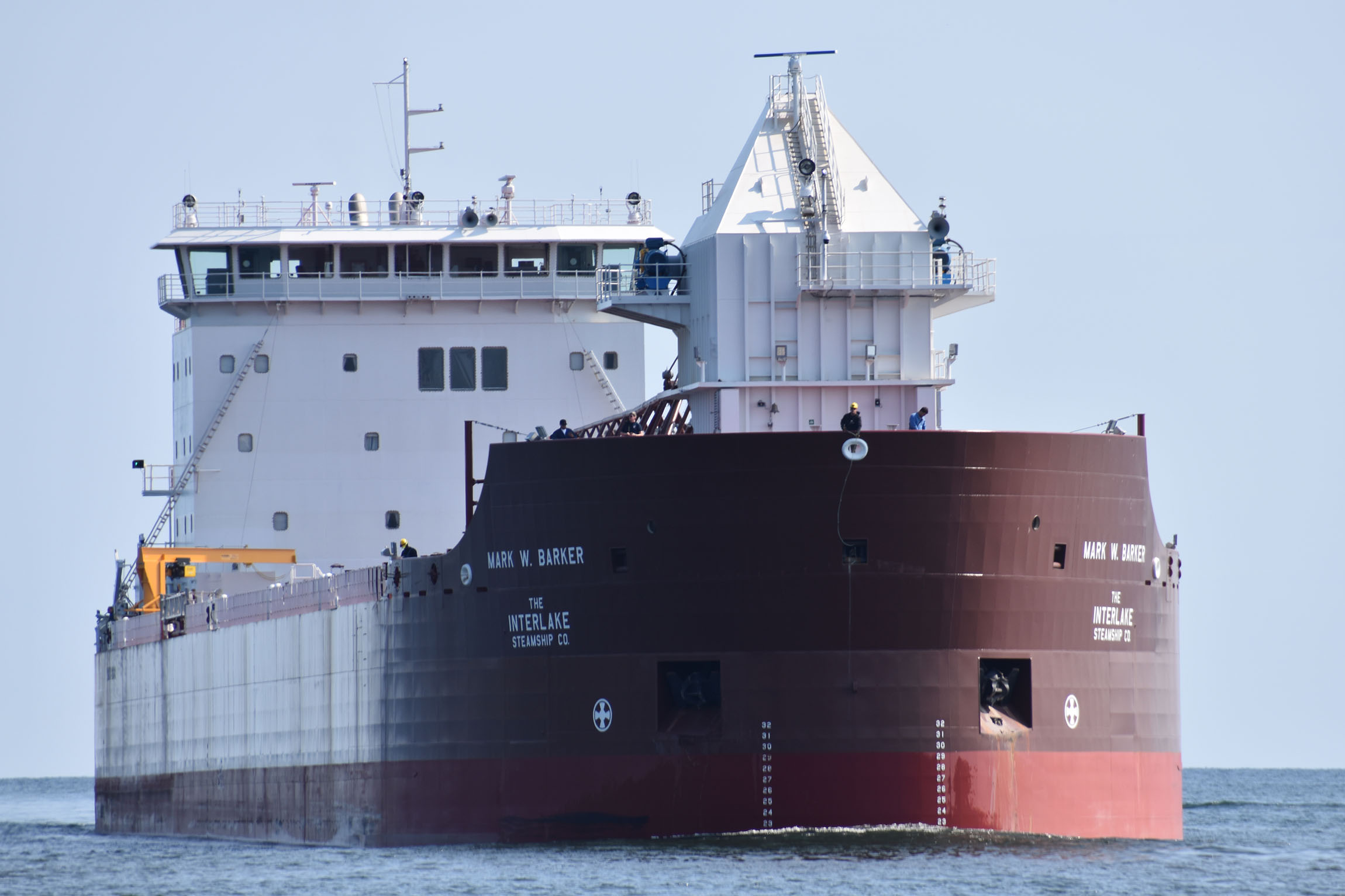
Ballast tanks have been identified as a major pathway for spreading invasive species like zebra mussels, which were introduced to the Great Lakes in the 1980s through the ballast water of oceangoing ships.
A DNR spokesperson said the agency is reviewing the petition and working on a response.
Last year, Olson filed a similar petition with the Wisconsin DNR that proposed crafting rules to require decontamination of all wake boats regardless of whether they use a single lake. More than a year later, the DNR denied the request in April.
The revised petition proposes emergency and permanent rules that would require boat operators to sign a written declaration designating which lake they plan to use for the calendar year. They would have to file it with the DNR and local clerk where the lake is located, as well as keep a copy available in the boat for inspection.
Those operating in multiple lakes would also be required keep a written declaration that their ballast systems meet the DNR’s aquatic invasive species prevention guidelines for wake boats, which includes flushing with hot water. Studies have shown hot water is effective at killing invasive species like zebra and quagga mussels.
Steve Radtke, a wake boat owner and member of the Wisconsin Watersports Coalition, said he opposes the petition.
“There’s good guidelines to minimize and reduce the risk and/or even eliminate the risk of moving (aquatic invasive species),” Radtke said. “I would expect wake boat owners that do trailer their boats and traverse lakes to adhere to all those.”
Jeff Meesmann, a director with Last Wilderness Alliance, said he’s concerned after quagga mussels were discovered for the first time in Wisconsin’s inland lakes last year in Lake Geneva. He noted one problem is that Wisconsin doesn’t have decontamination systems in place at most boat landings or marinas.
He said boat manufacturers should be responsible for providing those resources, which can cost $35,000 or more, at boat landings.
“The boating industry, not the taxpayers, should pay for any solution to this problem,” Meessmann said.
DNR Deputy Secretary Steven Little pointed to a lack of boat dealers or businesses that currently offer ballast system decontamination services in a letter denying the group’s earlier request. Little said development of approved procedures and facilities for decontaminating wake boats “would require significant additional staff time and resources.”
“While ballast systems in wake boats that are not fully drained may pose a risk for the spread of invasive species if boats with retained ballast water travel from one lake to another, the extent to which ballast tanks contribute to the spread is unclear,” Little wrote. “All types of watercraft with residual water in live wells and ballast tanks, as well as other recreational equipment, are potential pathways for aquatic invasive species spread.”
Petitioners noted that a University of Minnesota study analyzed more than 379 residual water samples from the compartments of a variety of boats, and ballast tanks had the highest number of larvae from invasive mussels.
News with a little more humanity
WPR’s “Wisconsin Today” newsletter keeps you connected to the state you love without feeling overwhelmed. No paywall. No agenda. No corporate filter.
But Radtke noted that they were found in compartments of all watercraft.
The National Marine Manufacturers Association said in a statement that boaters play a critical role in preventing the spread of aquatic invasive species, or AIS.
“NMMA supports clear, practical, and consistent decontamination protocols that protect public resources and maintain access to Wisconsin waterways,” the trade group said.
The DNR has said that additional outreach and education should be taken before pursuing regulations. Olson said that’s not enough to protect lakes from an invasion.
“Most of them probably do follow the proper procedures with outreach, but there are always some that don’t,” Olson said. “You get quagga mussels or zebra mussels spread to other lakes, you’ve got a disaster.”
Radtke said he’s in favor of educating boaters and working to expand resources at boat landings.
“I think if these groups would focus on how do we improve AIS (prevention), and how do we make sure the proper resources are at every boat ramp, and we work with every boat, I think we can get behind that,” Radtke said.
As wake boats have grown in popularity, they’ve stirred increasing controversy in Wisconsin. Olson said 59 communities have passed local ordinances to restrict their operation on more than 300 lakes. In May, property owners sued a northern Wisconsin town over local regulation of wake boats.
In 2023, Republican lawmakers introduced a bill supported by the boating industry that would’ve prevented wake surfing within 200 feet of the shore, but it failed to advance. While discussions have taken place, lawmakers have taken no steps since to regulate wake boats.

Wisconsin Public Radio, © Copyright 2026, Board of Regents of the University of Wisconsin System and Wisconsin Educational Communications Board.