Differing ballast water regulations from the U.S. and Canada are creating tensions for vessels operating on the Great Lakes.
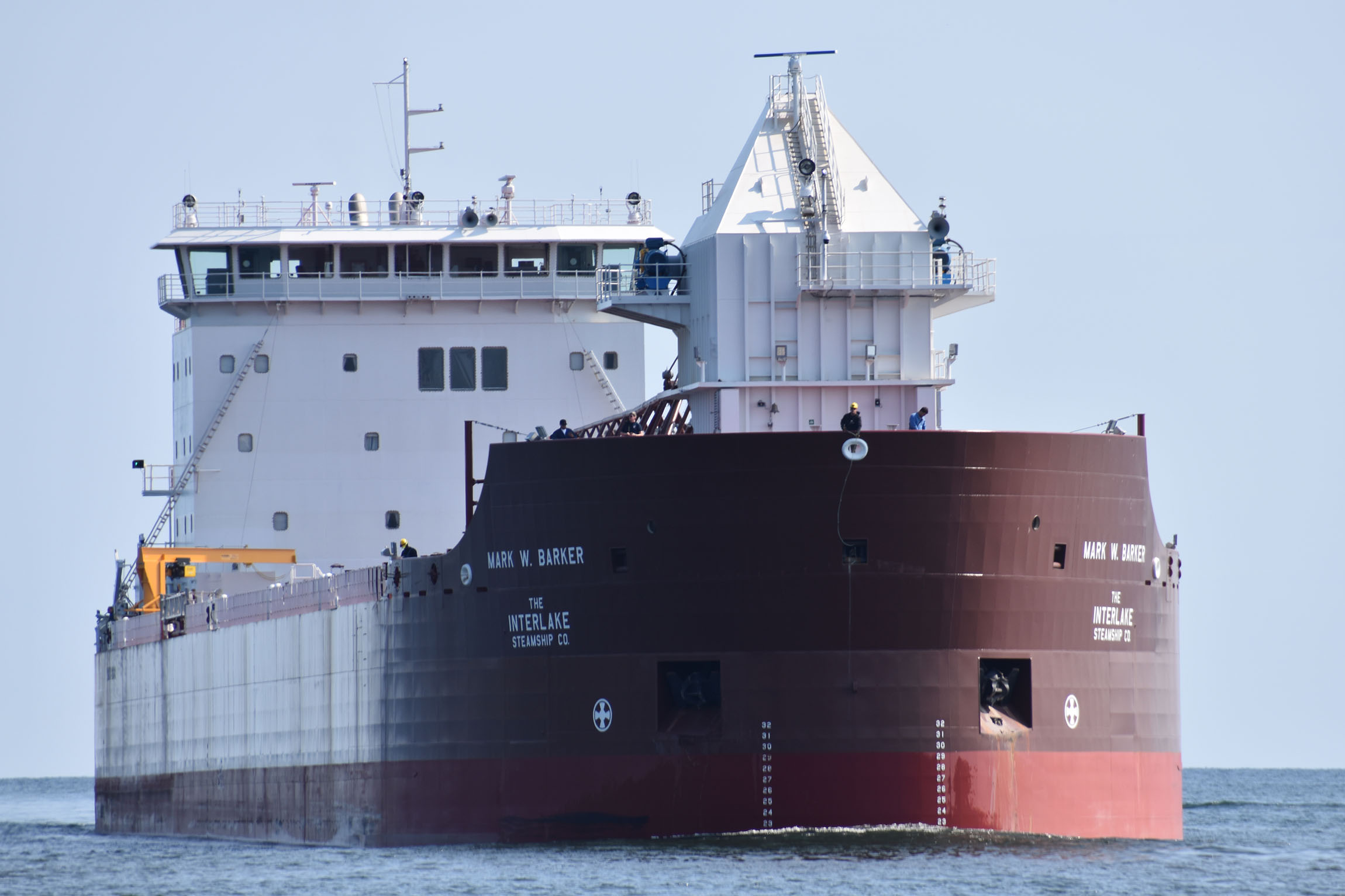
American shippers are at odds with the Canadian government over its regulations that require all Great Lakes vessels or “lakers” to install systems to treat their ballast water by 2030.
The systems are aimed at preventing the spread of invasive species through ballast water that’s taken up or discharged by ships at Great Lakes ports when they load and unload cargo. Last year, the Environmental Protection Agency said it would require new, but not existing lake vessels to install ballast water management systems.
News with a little more humanity
WPR’s “Wisconsin Today” newsletter keeps you connected to the state you love without feeling overwhelmed. No paywall. No agenda. No corporate filter.
Jim Weakley, president of the Lake Carriers’ Association, represents 43 lake vessels in the U.S.-flagged fleet. He said they requested exemptions in June from Transport Canada’s regulations. But Weakley said the Canadian government denied their request in September, saying an exemption can’t be requested until 2029.
Weakley accused Canadian regulators of discriminating against the U.S. fleet. He said the move puts shipping companies at a disadvantage as some are already negotiating contracts to carry goods between domestic and foreign ports that extend beyond Canada’s 2030 deadline.
“It’s currently disrupting the marketplace in favor of the Canadian fleet,” Weakley said.
Transport Canada did not respond to a request for comment.
The Federal Maritime Commission has launched investigations into whether Canadian policies create unfavorable conditions for U.S. lake vessels in foreign trade, one of which remains ongoing. The Canadian government has denied that lakers are adversely affected, saying its regulations “will protect these waters from the harmful economic and environmental impacts of invasive species.”
Weakley said vessels are seeking exemptions because current ballast water treatment systems are costly and ineffective at reducing invasive species. One 2017 estimate from the shipping industry found they may cost vessels around $639 million to install.
State regulators and environmental advocates dispute claims that the systems don’t work. Wade Strickland, director of the Office of Great Waters at the Wisconsin Department of Natural Resources, pointed to Canadian research showing ballast water management systems reduced the amount of large live organisms more than 99 percent of the time —although they didn’t always meet an international discharge standard.
The inconsistency in regulations between the U.S. and Canada has created uncertainty for vessels in both nations, said Jason Card, communications director for the Chamber of Marine Commerce. He said Canadian shipowners have already spent millions to install and maintain systems not designed to operate in challenging conditions at Great Lakes ports, such as high sediment levels that can clog their filters.
“With differing requirements in both Canada and U.S., seafarers receive conflicting compliance directives from regulators and inspectors, resulting in uncertainty, costly delays and confusion,” Card said.
Weakley added that there have been no new introductions of invasive species through ballast water since 2006.
Even so, research has shown that lake vessels can move invasive species around the Great Lakes, said Joel Brammeier, president and CEO of the Alliance for the Great Lakes. He said it’s the right call to require ballast water management systems for all vessels.
“We know that moving invasive species that are already here from lake to lake can dramatically hasten the pace of damage to our fresh water,” Brammeier said.
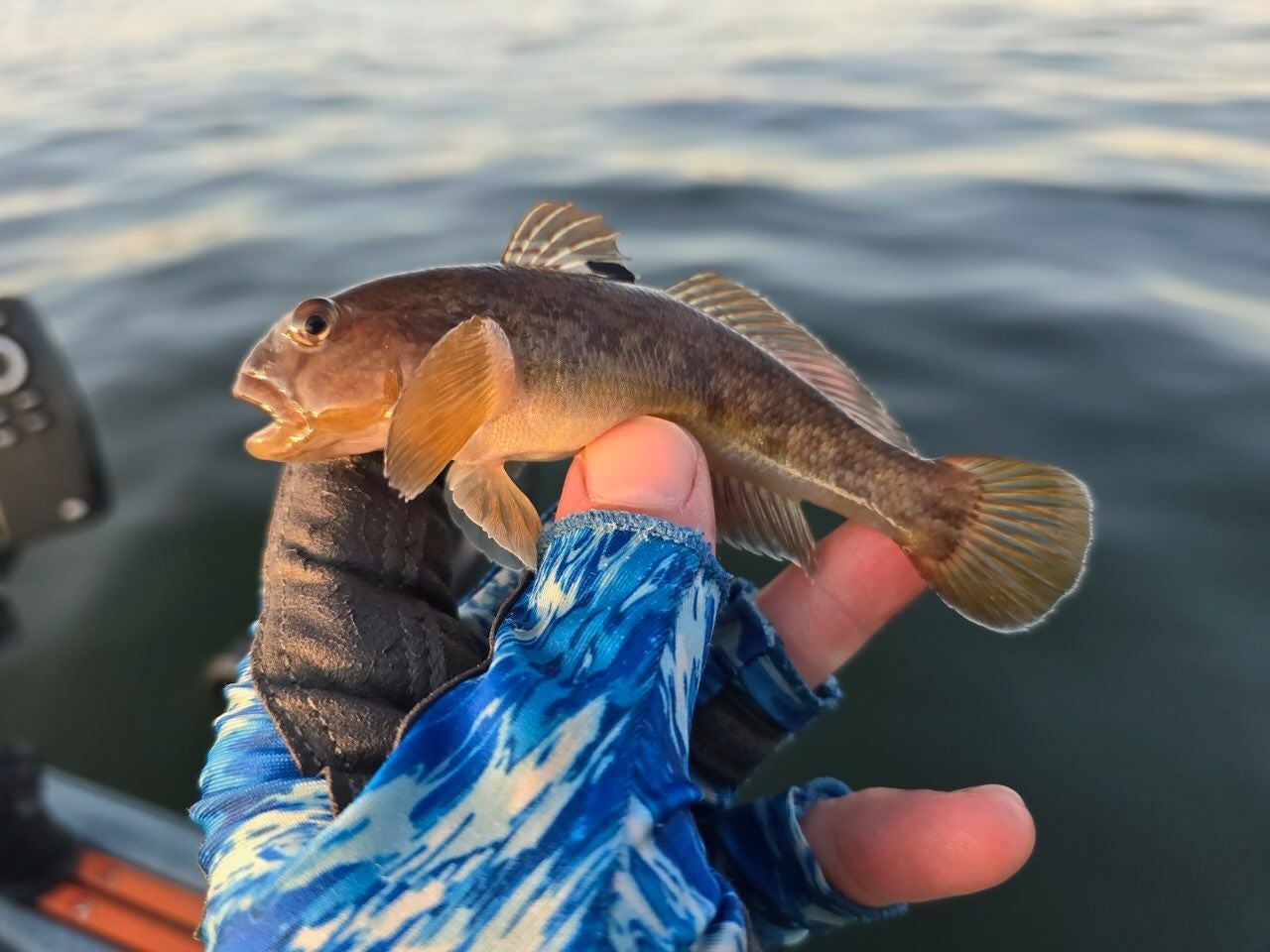
In the Great Lakes, at least 188 invasive species had been documented as of 2023. It costs an estimated $500 million each year to manage invaders like quagga and zebra mussels that can damage power plants, water systems, boats and docks.
Brammeier said the Alliance and other groups are challenging the EPA’s regulations that exempt existing lakers from installing systems to treat ballast water. Meanwhile, the Lake Carriers Association is challenging the agency’s requirement to install systems on new lake vessels.
The EPA has cited the cost of converting vessels and the lakes’ challenging environmental conditions in its decision to exempt existing lake vessels. The U.S. Coast Guard is still drafting regulations to implement EPA standards, which the DNR expects will be issued next year.

Wisconsin Public Radio, © Copyright 2026, Board of Regents of the University of Wisconsin System and Wisconsin Educational Communications Board.