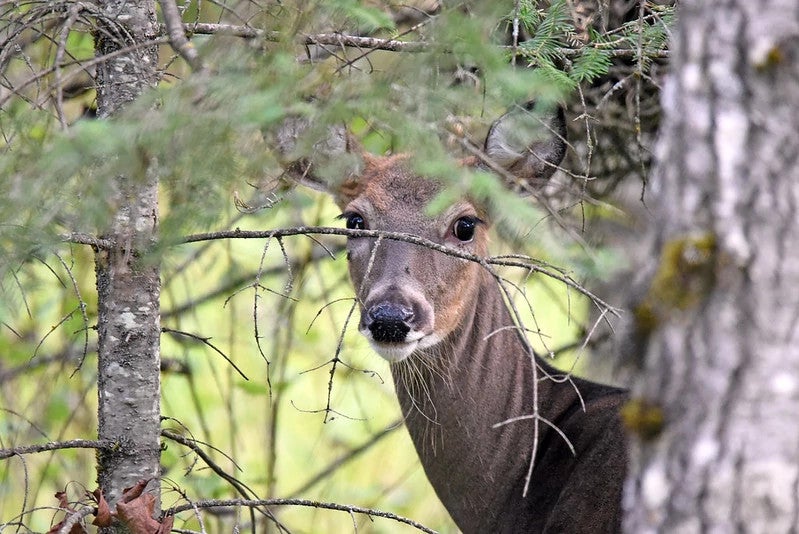
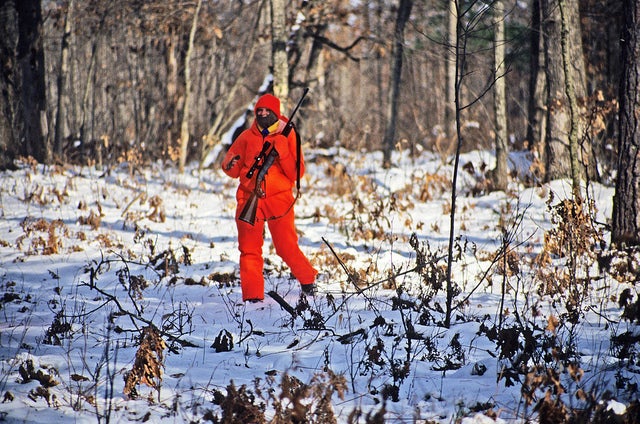
Wisconsin hunters bagged 2.6 percent fewer bucks than last year during the nine-day gun deer season.
Preliminary figures released Tuesday by the Wisconsin Department of Natural Resources show hunters registered 182,084 deer, down nearly 1 percent overall from the 183,532 deer registered last year. The harvest was down 1.5 percent from the five-year average.
Hunters faced a late season start, which meant less deer movement as it was past the peak of the rut or mating season. And the winter storm that dumped a foot of snow or more across northern Wisconsin before Thanksgiving was an overall asset to hunters, said DNR Deer Program Specialist Jeff Pritzl.
News with a little more humanity
WPR’s “Wisconsin Today” newsletter keeps you connected to the state you love without feeling overwhelmed. No paywall. No agenda. No corporate filter.
“In general most people, especially in the northern half of the state, commented that the rut was definitely over, which leads to a decline in buck activity during daylight hours,” Pritzl said. “But … I did hear from a number of folks who said the deer really were moving well up north after the snow.”
Hunters killed 86,068 bucks, down 2.6 percent from the same time last year. The antlerless kill was 96,016 deer, up nearly 1 percent from 2024.
License sales were down slightly compared to last year. The DNR reported 550,611 gun deer licenses were sold through Sunday compared to 553,652 gun deer licenses sold in 2024.
Wisconsin’s nine-day hunt began Nov. 22 and ended Sunday. The annual season is a big boost to the state’s economy. A 2011 report found hunting generates an estimated $2.5 billion in state spending.
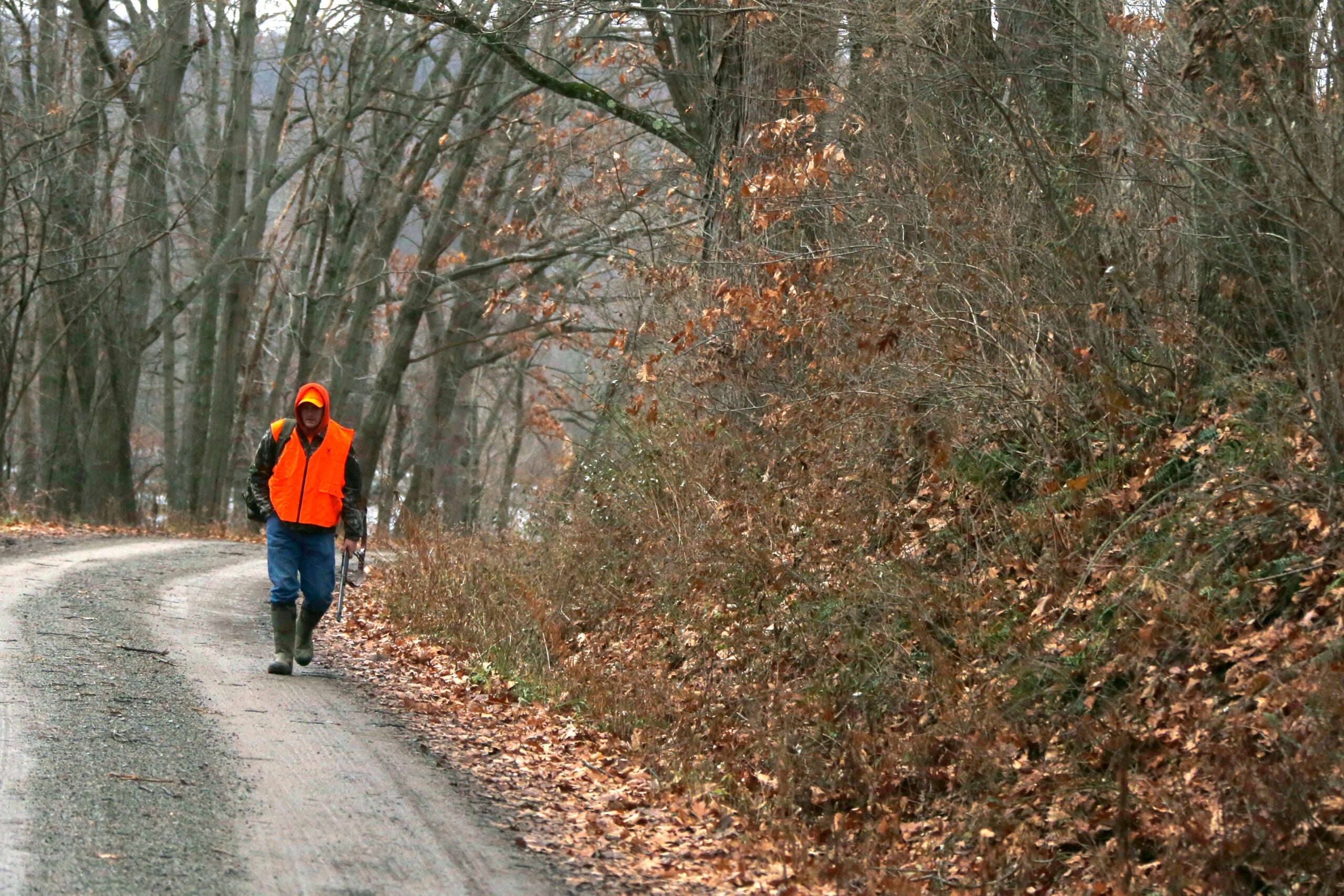
Webster hunter Dick Shutt, 75, has gone out for the season almost every year since he turned 12. He said some hunters had success up north, noting his son shot a 10-point buck. And while the snow may have added visibility for some and increased movement of deer, he said it was also hard on hunters.
“It was really tough going after we had that snowstorm,” Shutt said.
In northern Wisconsin, the harvest was down more than 14 percent.
Wisconsin’s central forested region saw a 35 percent decline in the overall harvest, the largest decline in the state. But Pritzl said it’s difficult to make good comparisons to last year’s harvest due to changes this year in deer management unit boundaries.
Farmland areas of central Wisconsin saw the largest boost compared to last year with hunters killing 7 percent more deer. Hunters killed around 8 percent fewer deer in farmland areas of southern Wisconsin.
According to the DNR, there were only two hunting incidents during the gun deer season, one of which was fatal. April Dombrowski, the agency’s recreational safety and outdoor skills bureau director, said a 24-year-old man died of an unintentional, self-inflicted gunshot wound to the chest in Fond du Lac County on opening day. A 57-year-old man from Grant County suffered a gunshot wound to his rear from a stray bullet on opening day.
“The trend continues to go down with hunting incidents,” Dombrowski said.
The DNR said the state has averaged five hunting incidents over the last decade, noting no deaths occurred in 6 out of the last 10 seasons. Last year one person sustained injuries out of eight hunting incidents throughout all of 2024, which was the safest in decades.
The DNR also projected hunters would submit 19,750 samples to test deer for chronic wasting disease, or CWD, this year. Preliminary data shows more than 9,500 deer have been sampled statewide. Around 1,000 deer have tested positive for the deadly deer disease, primarily in southern Wisconsin where there’s high prevalence of CWD.
Erin Larson, the agency’s herd health specialist, said there were no new detections of CWD in wild deer during the nine-day hunt.
Wisconsin is estimated to have around 1.8 million deer.
Editor’s note: This story previously reported 88,068 deer were harvested, but hunters killed 86,068 deer. The story has been updated.

Wisconsin Public Radio, © Copyright 2026, Board of Regents of the University of Wisconsin System and Wisconsin Educational Communications Board.