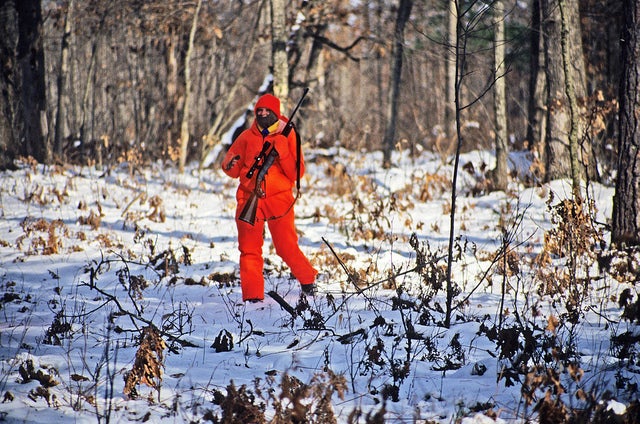
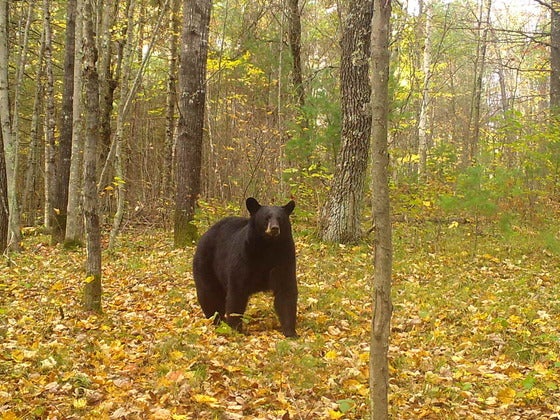
Hunters in Wisconsin killed 3,724 bears during the 2025 bear season, roughly on par with the state’s annual five-year average. That’s according to preliminary data from the state Department of Natural Resources.
This bear season ran from Sept. 3 to Oct. 7. The DNR issued more than 13,000 bear hunting licenses. More than 146,000 people applied for a bear hunting license or preference point for the season.
The 2025 harvest came in below the target of 4,075, according to the agency.
News with a little more humanity
WPR’s “Wisconsin Today” newsletter keeps you connected to the state you love without feeling overwhelmed. No paywall. No agenda. No corporate filter.
In a statement, Randy Johnson, a large carnivore specialist for the DNR, said reports the agency received from hunters varied. Some reported one of the best seasons they’ve experienced and others experienced challenges.
“Bear hunters across the state also faced below-average temperatures in the beginning part of the season, followed by above-average temperatures towards the end of the season, each of which can affect bear activity,” Johnson said. “Overall, hunter success rates ended up slightly below average, translating to overall bear harvest right about where we anticipated.”
State data shows the hunter success rate statewide was about 28 percent. That’s below the five-year average success rate of 32 percent.
The DNR estimates Wisconsin’s bear population is around 23,000. Johnson said bear hunting is a tool that helps support healthy bear populations because it provides useful data to the state.
He said the agency evaluates each season’s harvest to identify adjustments for future years that could address agricultural damages caused by bears and residential bear complaints.
“We use this information to adjust license and harvest levels as needed in different regions of the state to affect the bear population and data trends,” he said in a statement. “This adaptive management strategy is what allows us to strive towards sustainable bear population levels, compatible with the habitat and public preferences.”

Wisconsin Public Radio, © Copyright 2026, Board of Regents of the University of Wisconsin System and Wisconsin Educational Communications Board.