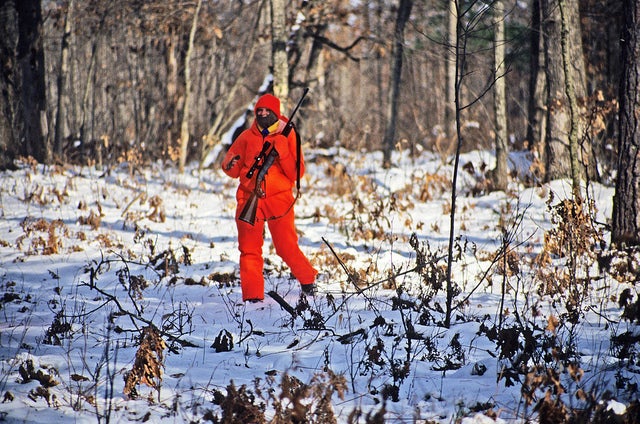
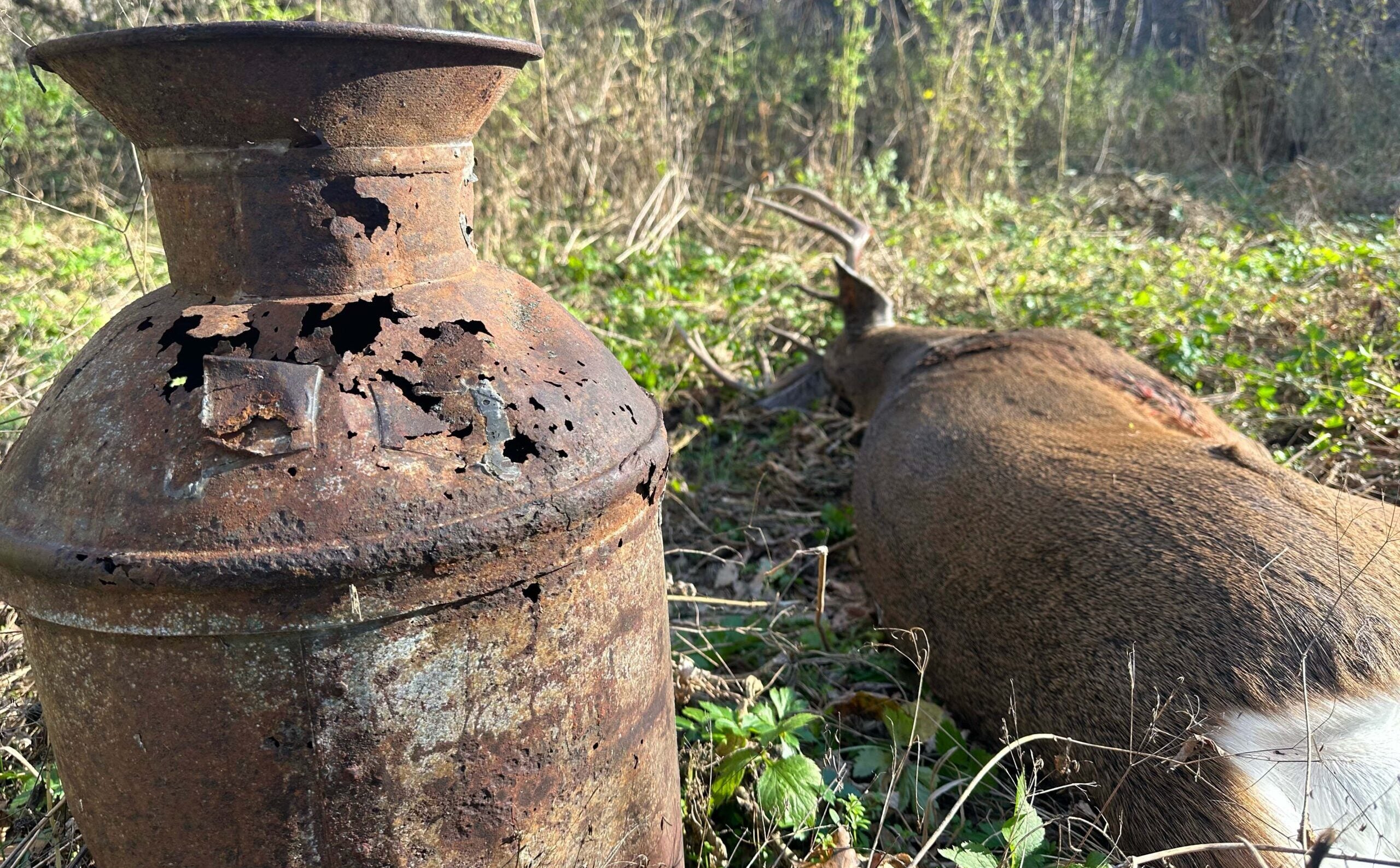
Hunting has always been a way for Jarrad Fluekiger and his family to bond.
It’s a tradition he has worked to pass on to others through his business, Rutting Ridge Outfitters. Every year, the third-generation hunting and fishing guide takes hunters into the woods north of La Crosse along the Mississippi River, where he sets them up in deer stands, and they try their luck at shooting a buck.
But he told WPR’s “Wisconsin Today” that in recent years, he’s noticed that there aren’t as many hunters in the woods as there used to be.
News with a little more humanity
WPR’s “Wisconsin Today” newsletter keeps you connected to the state you love without feeling overwhelmed. No paywall. No agenda. No corporate filter.
“We get a lot of absentee landowners now, and the family tradition just isn’t there as much,” Fluekiger said. “I want these kids in the outdoors, because they are our future for getting out in the woods and harvesting our deer.”
This year’s nine-day gun season for white-tailed deer began on Nov. 22. Fluekiger’s impressions about the decline are being seen across the state.
The state Department of Natural Resources has noted a continued aging of the hunting population, while the overall deer population keeps growing, thanks in part to milder winters in recent years.
That doesn’t mean that every hunter is certain to find a buck.
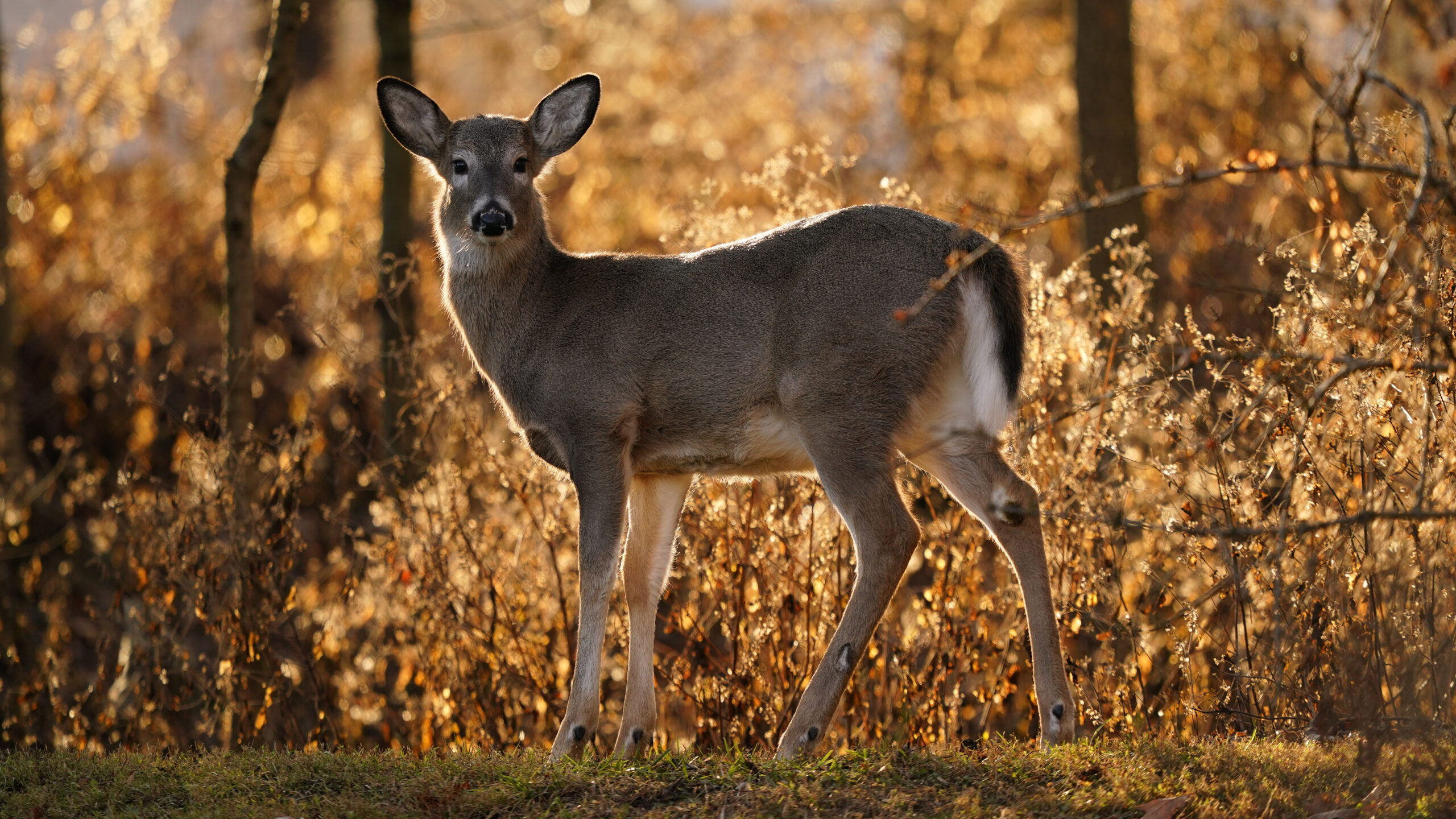
DNR deer specialist Jeff Pritzl told WPR that different parts of the state will see different concentrations of deer, so some hunters might have more luck than others.
“Deer are just inherently unevenly distributed on the landscape,” Pritzl said. “Even though there’s a high number (of deer), there are plenty of places where the local experiences won’t reflect that.”
Pritzl said baby boomers were a strong deer hunting generation, but they are aging out of the activity while the younger generations haven’t shown as much interest.
The concern is that as deer become too concentrated in some areas, it will create ecological challenges for the area in addition to a higher potential for damage to crops, property and vehicles on the road.
“It is going to require a paradigm shift, because even though we have fewer hunters, the hunters that remain are more avid, and they have the opportunity to maintain that harvest capacity or even increase,” Pritzl said. “They are not just hunting for themselves, but they need to take on that role of hunting for their community.”
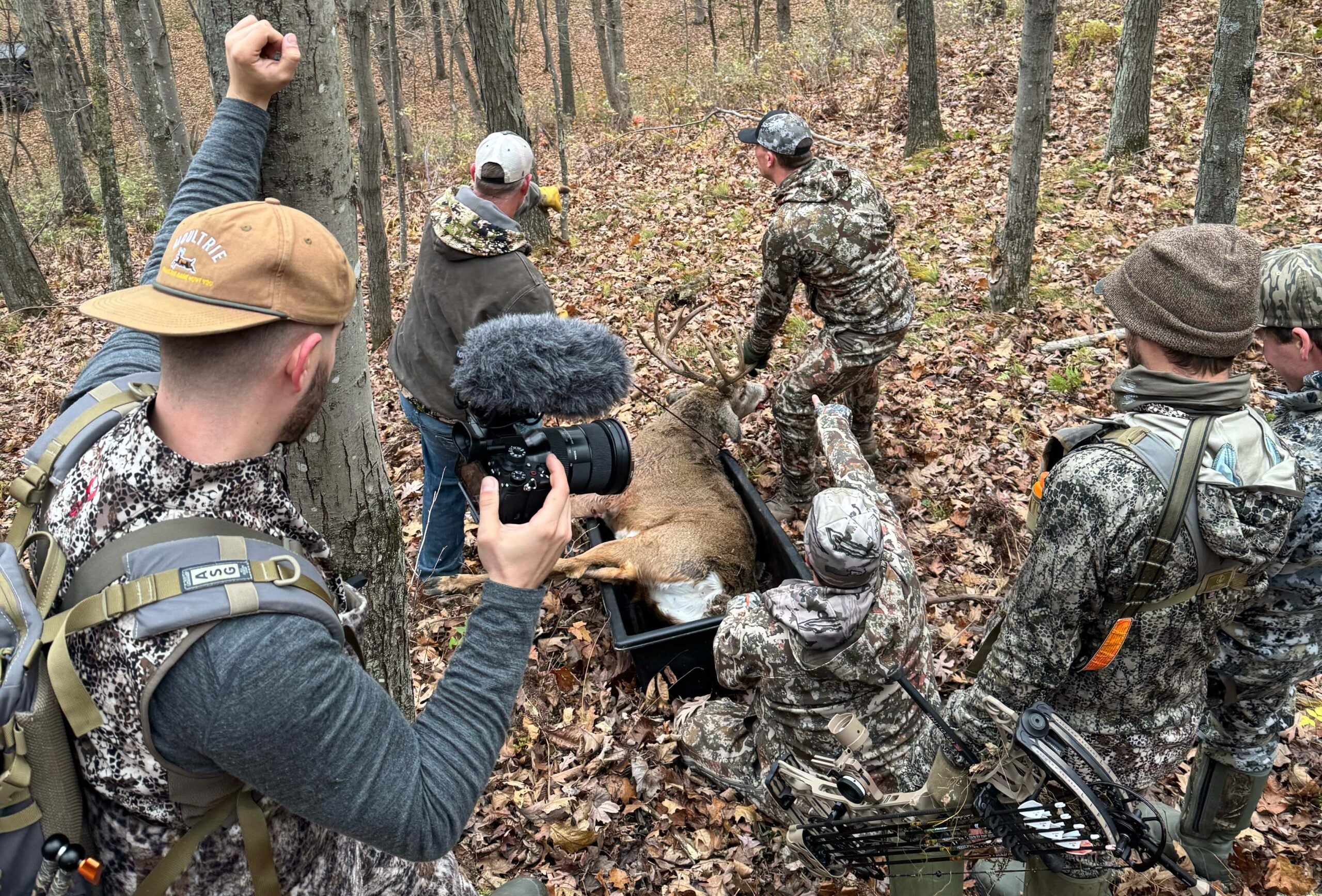
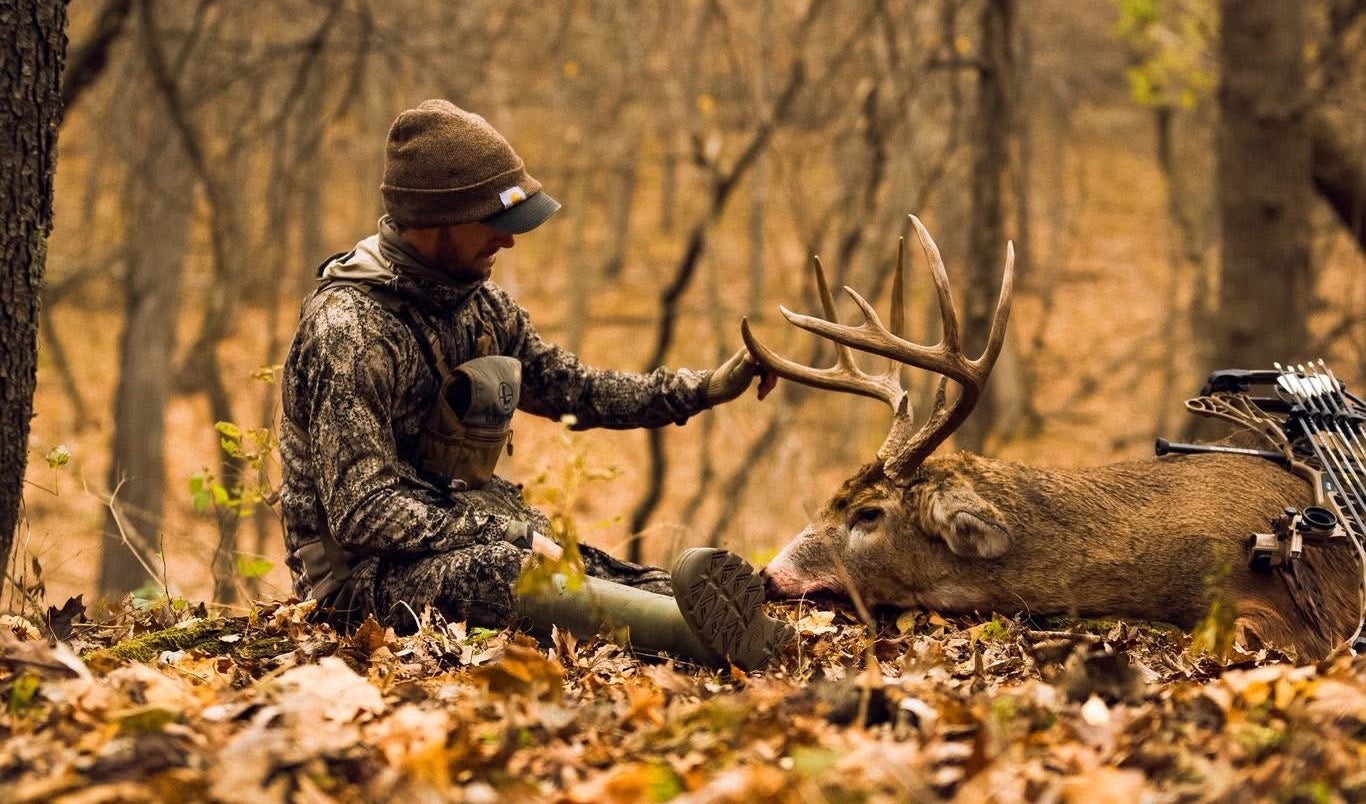
For his business, Fluekiger is seeing interest from customers shift more toward the bow season and crossbow hunting, a season which stretches from September into January.
The good news for Fluekiger is that regardless of the weapon, he’s seeing plenty of deer in his neck of the woods.
“The big farms, they have a buttload of deer. You can see it just driving around,” Fluekiger said. “Where we see farms that have been broken up into smaller (acreage), we tend to see a little bit of a dip into the number of deer coming in.”
He believes that a younger generation of young people can be turned on to deer hunting. He recommends getting involved in a local hunting club, where people can learn firearm safety and meet guides like him that can teach people how to hunt.
Fluekiger is taking the same approach with his son that he experienced with his own dad and grandfather in Buffalo County.
“Every Friday night before hunting, everybody would get together out in the garage and talk about past misses and past hunts of everything that we’ve done,” Fluekiger said. “A lot of these kids just haven’t been introduced to a lot of this stuff.”