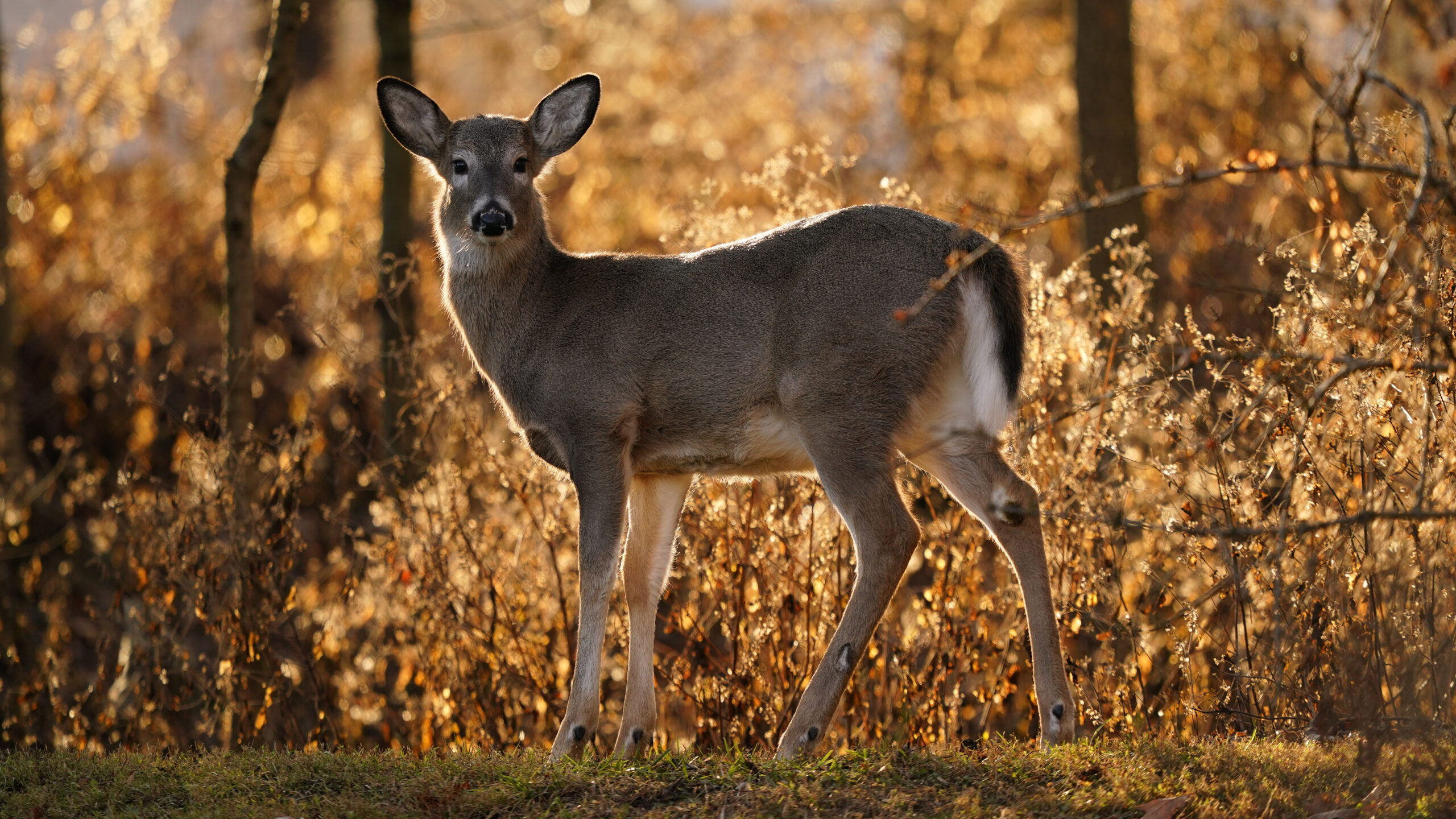
Wisconsin’s nine-day gun deer season will get a late start this year, which could mean fewer deer on the move for the hundreds of thousands of hunters set to take to the woods.
This year’s season will start on Saturday, Nov. 22 and run through Sunday, Nov. 30.
While the late start will work against hunters because of reduced deer movements, colder temperatures and the potential for snow may provide more favorable conditions for hunters. State Deer Program Specialist Jeff Pritzl said in a virtual media briefing that this year’s archery harvest is running ahead of the same time last year.
News with a little more humanity
WPR’s “Wisconsin Today” newsletter keeps you connected to the state you love without feeling overwhelmed. No paywall. No agenda. No corporate filter.
“It would appear deer are out there on the landscape. Coming off of two mild winters, it would suggest deer numbers should be higher in the north,” Pritzl said. “Deer harvest opportunities in the north are better, too, with the availability of antlerless permits under the new deer management units.”
New this year, the DNR revised boundaries for the state’s deer management units, which the agency reviews every few years. The changes included converting those boundaries in the northern forest zone from county-based to habitat-based units. Hunters must know their deer management unit name or number when requesting an antlerless permit. A map of the new units is available on the agency’s website.
The annual hunt is a big economic driver in Wisconsin. An often-cited 2011 report from the U.S. Fish and Wildlife Service found hunters accounted for $2.5 billion in state spending. While participation in hunting has declined since then, the annual pilgrimage made by many including out-of-state visitors provides a boost to the state’s economy.
But license sales have been declining over time as baby boomers are aging out of hunting and fewer young people take their place. The state has lost about 100,000 deer hunters in the past two decades, according to the DNR.
Gun hunting license sales were essentially flat between 2023 and 2024, when the state sold 553,479 and 553,652 gun licenses, respectively. As of the end of October, the Wisconsin Department of Natural Resources had sold more than 137,000 gun licenses.
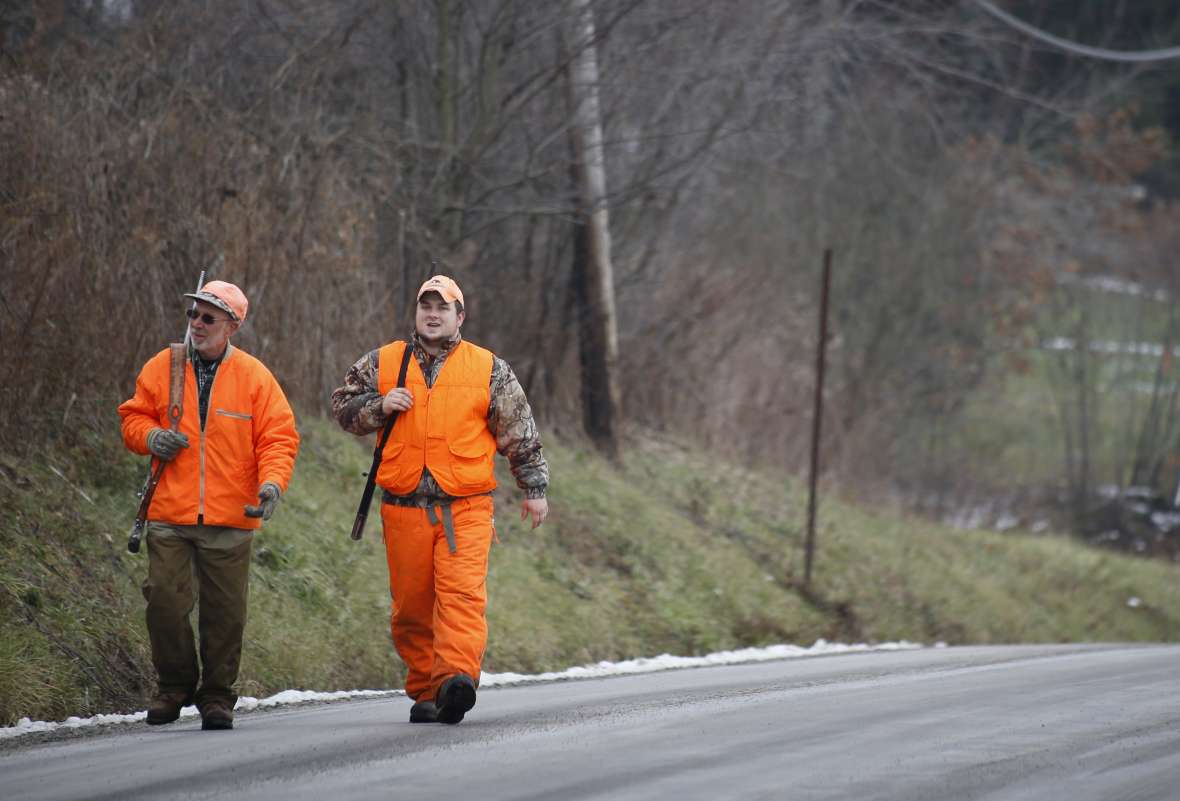
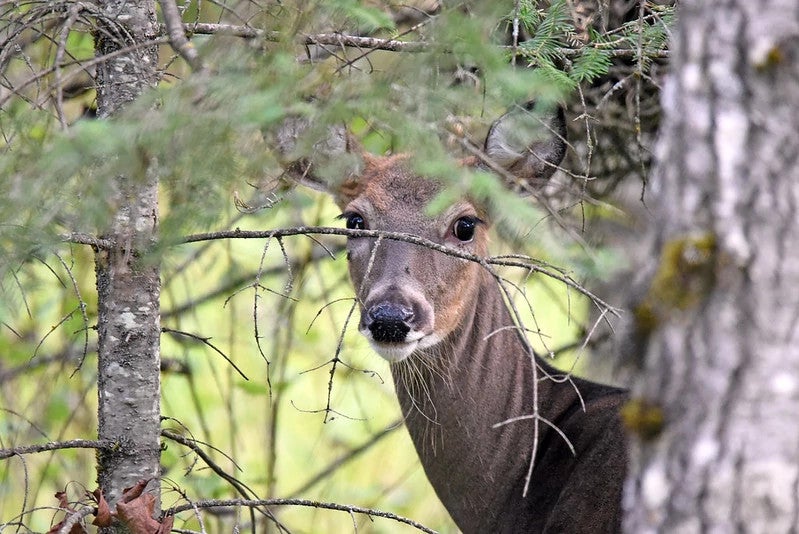
Pritzl encouraged hunters to consider harvesting additional deer in the state’s farmland areas as the state’s deer population has grown to around 2 million deer. The DNR also urged hunters to donate deer through the DNR’s Deer Donation Program. The program helps stock food pantries at a time when they have been seeing increased demand due to uncertainty over federal food assistance benefits during the government shutdown, which ended last week.
“We would love to see this be a year where we see an increase, especially in that antlerless deer harvest over the course of the gun season,” Pritzl said.
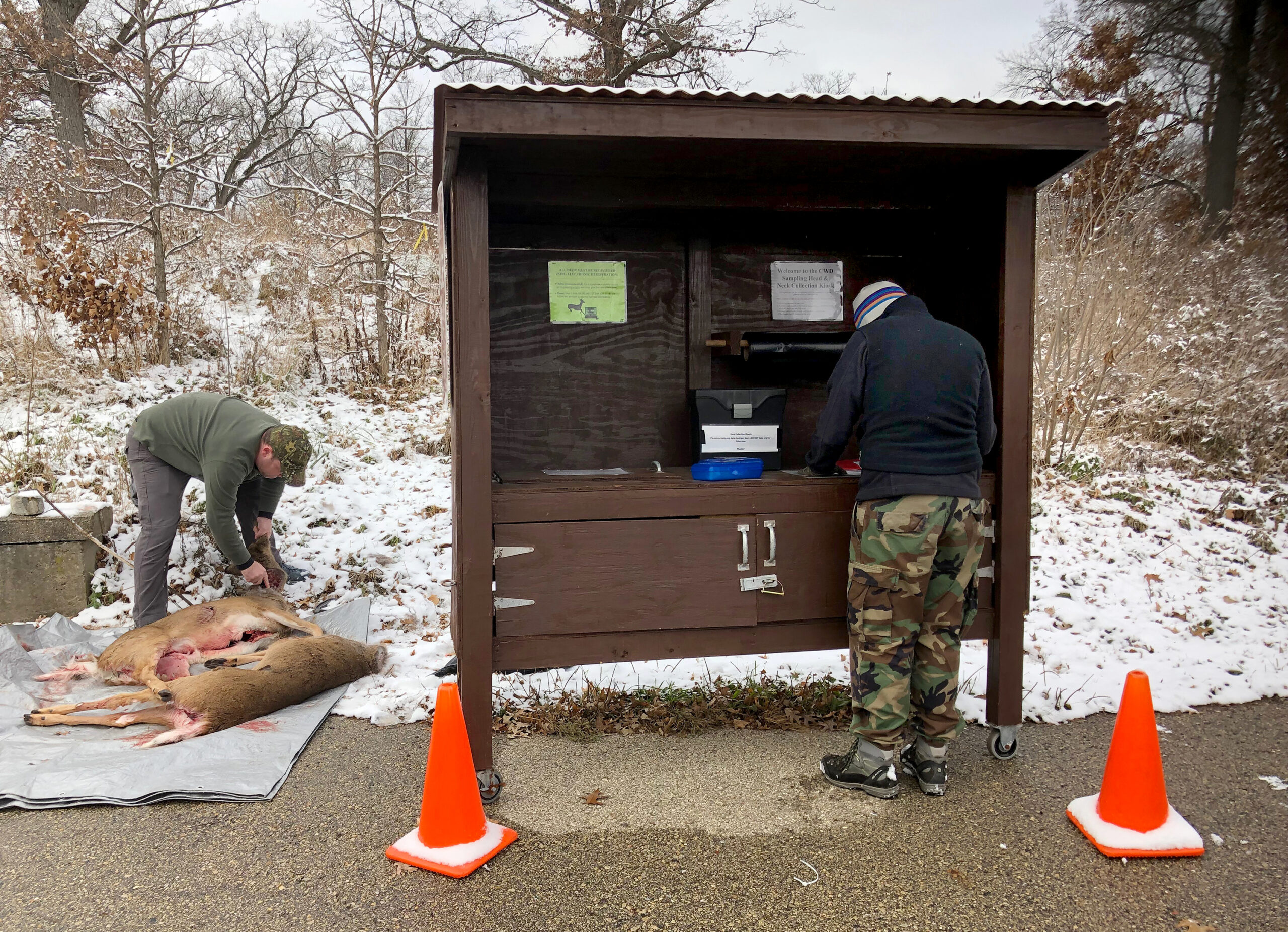
For those taking part in the nine-day hunt, the agency urged people to get their deer tested for chronic wasting disease. The deadly deer disease attacks the brains of its victims and causes death over time.
CWD sampling is free for hunters. The agency has prioritized testing this year in central and northern Wisconsin. Erin Larson, the DNR’s deer herd health specialist, said people can use a map on the agency’s website to find kiosks to submit samples for testing along with deer disposal options.
“What we want to avoid is having a deer that could potentially be positive for chronic wasting disease brought to a much further away location and put out on the landscape where it could potentially introduce chronic wasting disease,” Larson said.
Larson added that baiting and feeding bans are in effect for 60 counties, including Manitowoc and Clark counties this year. Baiting and feeding bans expired on Nov. 9 for Sawyer and Rusk counties.
In the Stella area of Oneida County, the DNR has advised hunters to limit meals of venison in a five-mile radius surrounding the town hall due to PFAS contamination. When asked whether the DNR would test deer for PFAS, the DNR said the agency is not conducting individual testing at this time. Jasmine Batten, the agency’s wildlife health section supervisor, said testing for the chemicals is expensive.
“I think for most people at this point in time that that testing is likely cost-prohibitive,” Batten said.
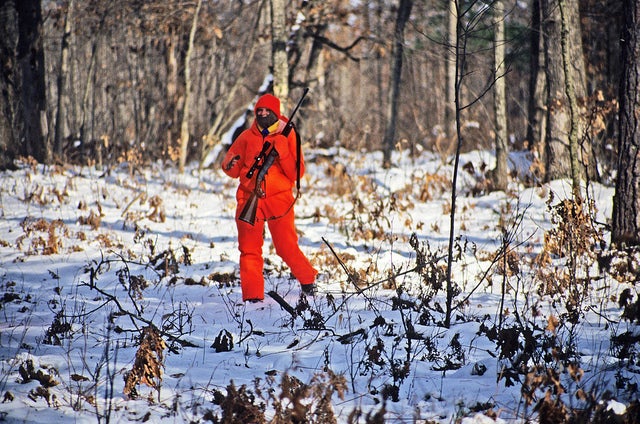
As people head to the woods, the DNR reminded hunters to practice hunter safety and ensure at least half of their clothing above the waist is blaze orange or fluorescent pink. The agency also encouraged non-hunters and their pets to wear blaze orange or pink during the nine-day gun season.
Last year, hunters had the safest season in 40 years, and they registered around 190,000 deer.

Wisconsin Public Radio, © Copyright 2026, Board of Regents of the University of Wisconsin System and Wisconsin Educational Communications Board.