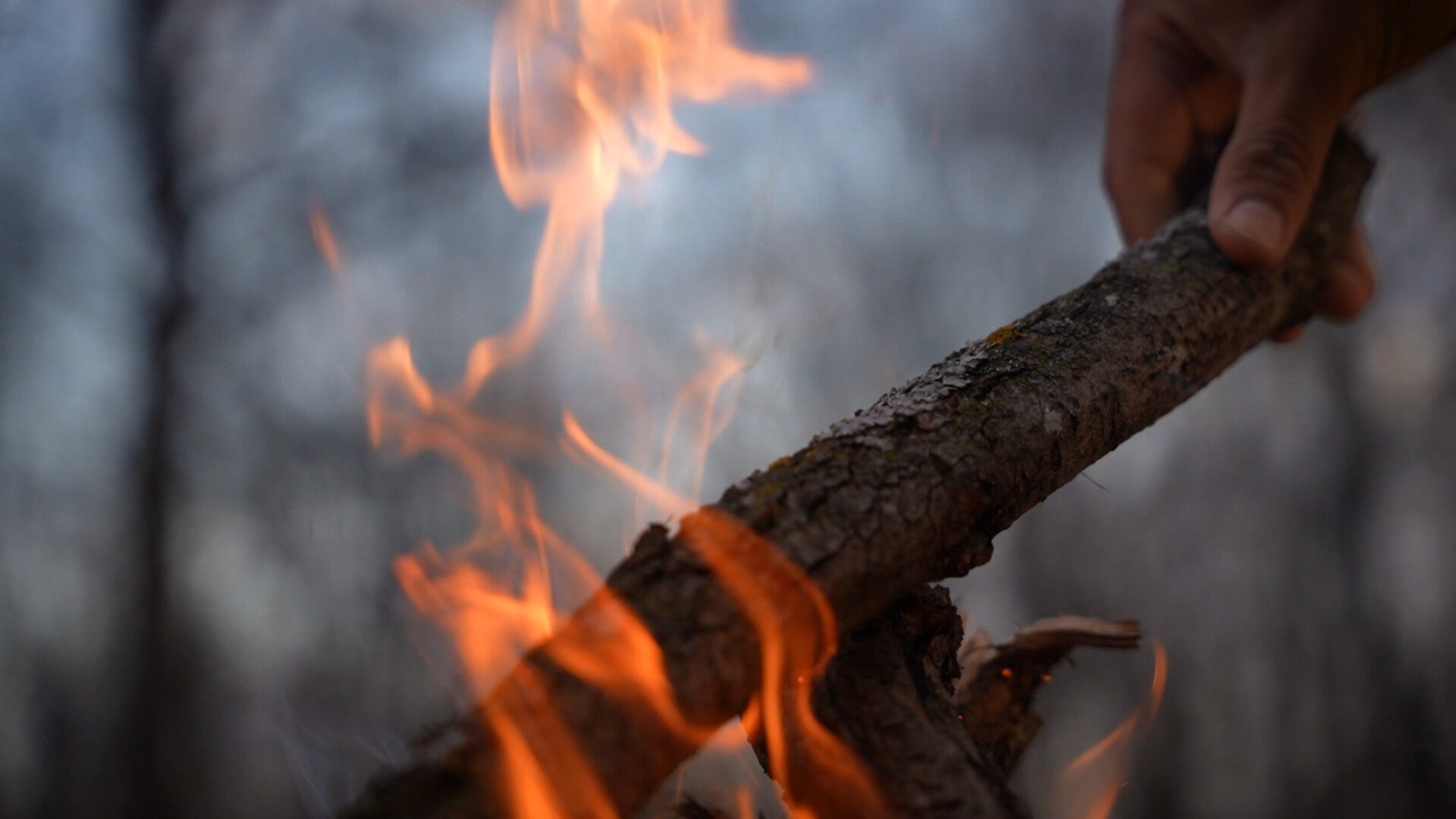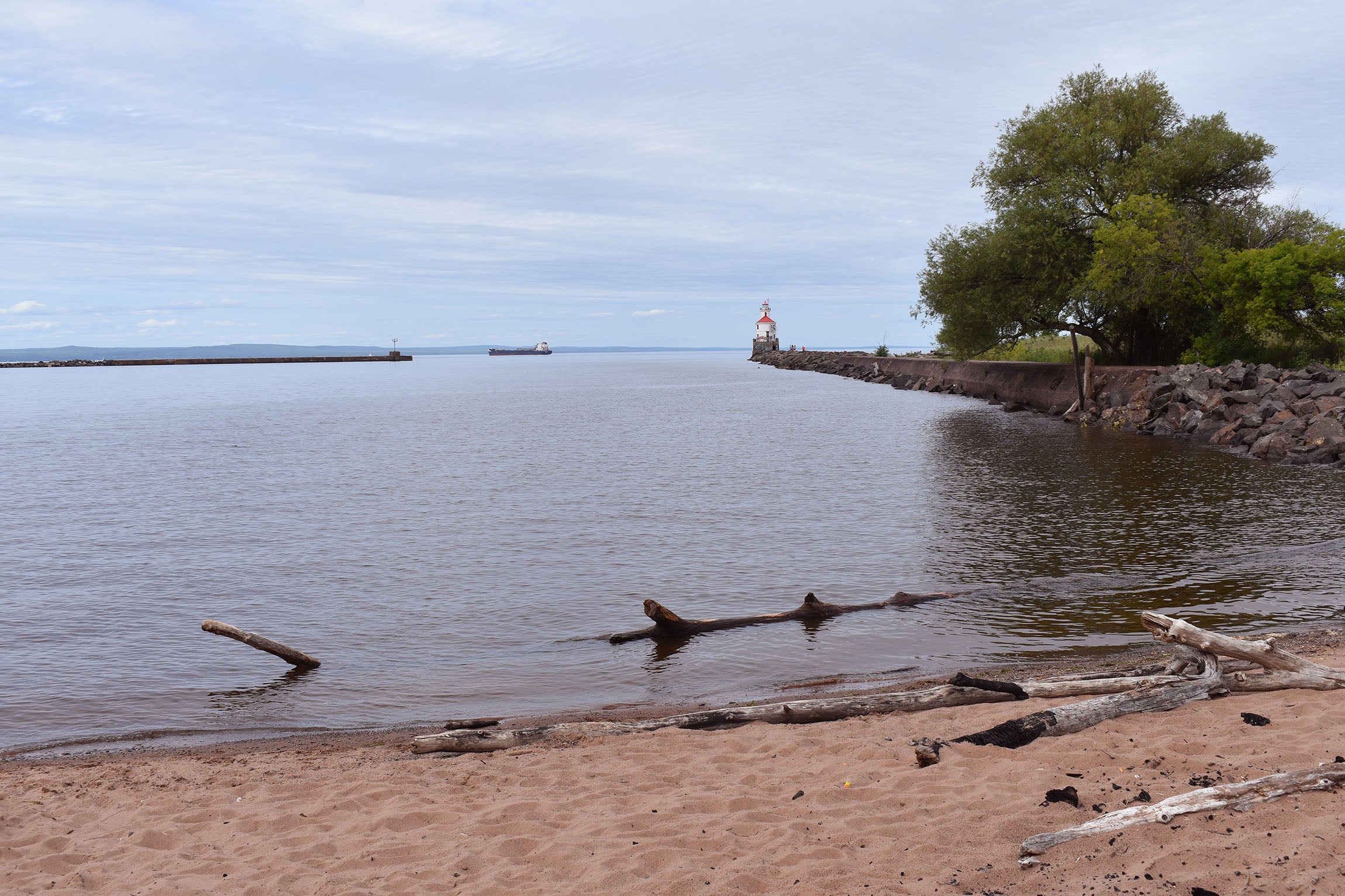
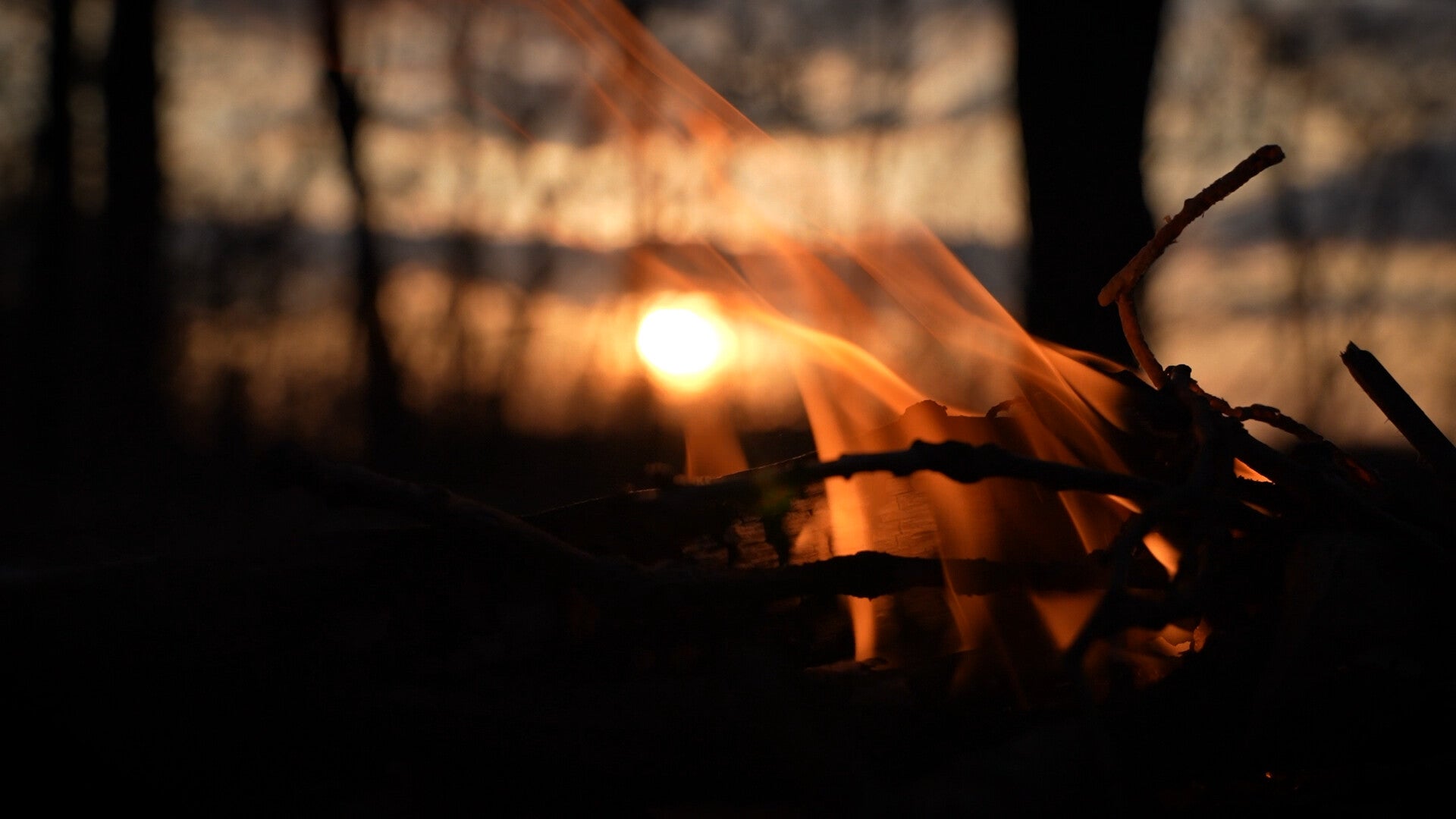
After years of research and advocacy, the practice of cultural prescribed burns is returning to Wisconsin Point, a freshwater sandbar and wildlife preserve in Superior.
A test burn originally slated for September was pushed back due to wet and windy weather. Now, local officials plan to carry out the burn on Wednesday if fuel conditions are right.
“It’s a wonderful example of how when you’re working with fire, you’re really working with fire, and you don’t get to dictate the weather conditions,” ecologist Evan Larson said in a recent interview on WPR’s “Wisconsin Today.”
News with a little more humanity
WPR’s “Wisconsin Today” newsletter keeps you connected to the state you love without feeling overwhelmed. No paywall. No agenda. No corporate filter.
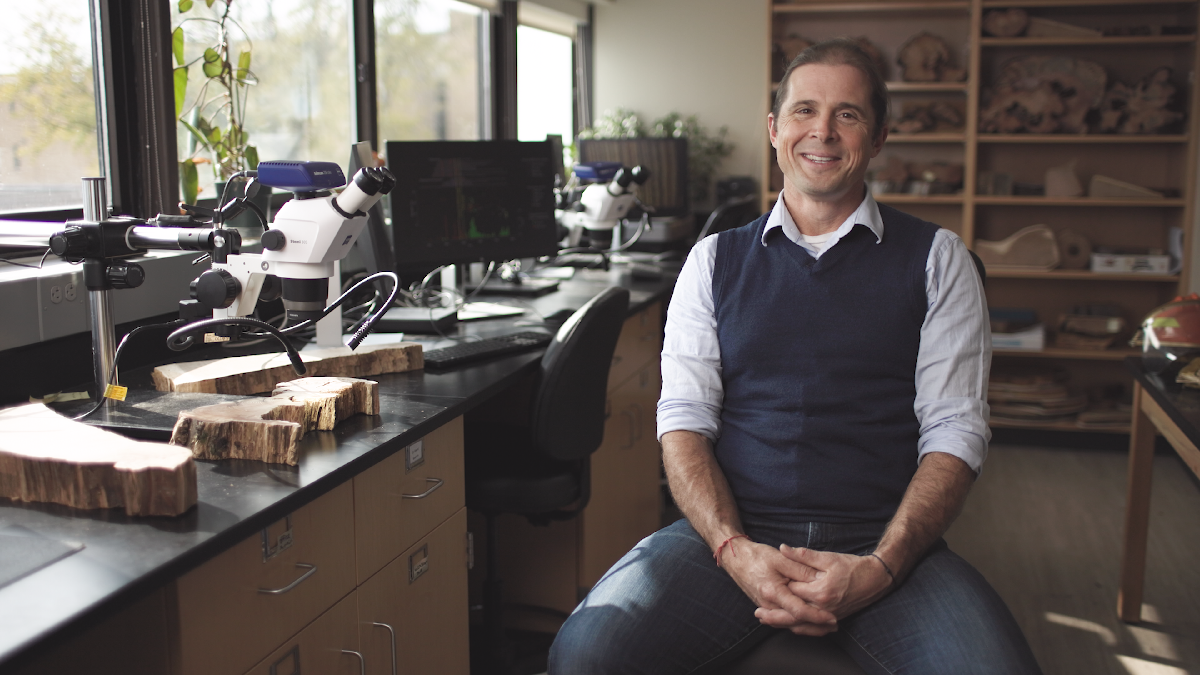
Larson, who is chair of the Department of Environmental Sciences and Society at the University of Wisconsin-Platteville, has studied fire ecology in the region for more than two decades in collaboration with local tribes.
For centuries, Indigenous people along the shores of Lake Superior used fire, called “ishkode” in Ojibwe, to help manage the lands and forests. This ancient practice was passed down through generations of Anishinaabe people and helped red pine and blueberries to flourish.
“It speaks to a gift that was provided to the Earth and to the people, and something that we have a responsibility to take care of, because it takes care of us,” said Nisogaabokwe Melonee Montano, a graduate researcher at the University of Minnesota-Twin Cities Forestry Department and a member of the Red Cliff Band of Lake Superior Chippewa.
Montano considers herself a “student of fire.” Over the past two years, she and Larson have been leading a project funded by Wisconsin Sea Grant looking into the ecological and cultural history of prescribed burns along the coast of Lake Superior in northern Minnesota and Wisconsin.
Throughout the project, they have been speaking with tribal elders to center their perspectives.
“The elders, all along the way, have emphasized that fire needs a voice,” Montano said. “Fire, in a lot of ways, has been misunderstood and disrespected. It can cause harm and it can take lives, but it also can give life and create healing for people in the land.”

Tree rings tell a story
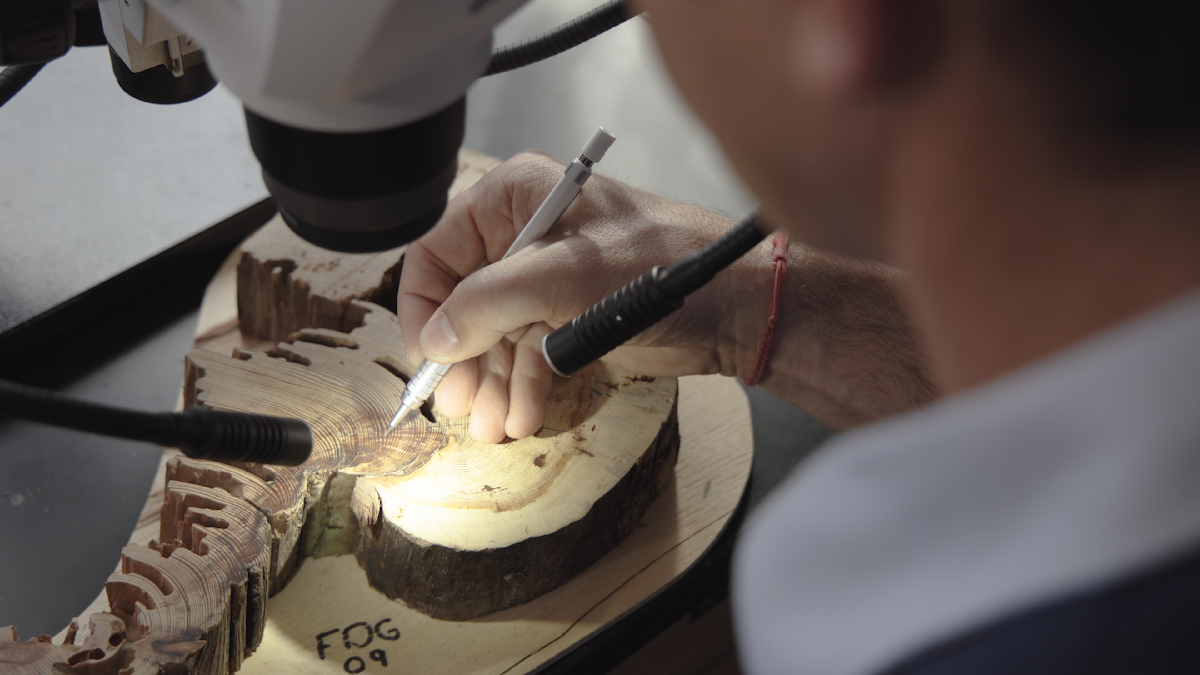
One way that researchers like Larson and Montano can tap into this fire history is through dendrochronology, or the study of tree rings.
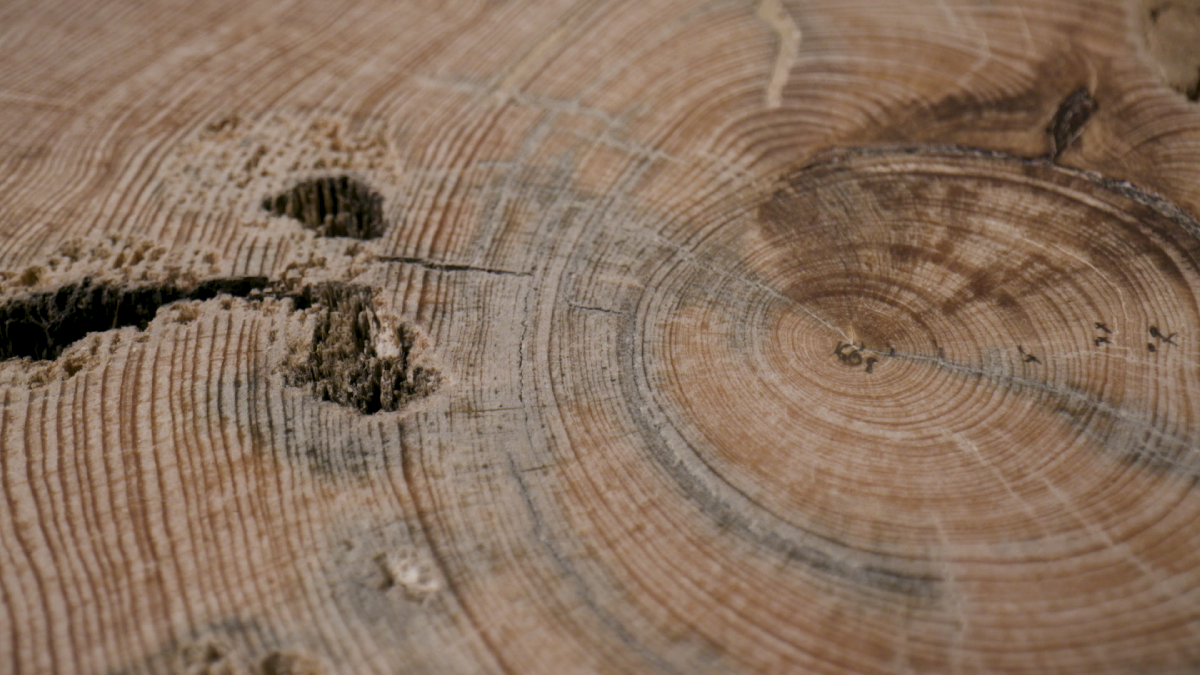
“Every year, the trees out on Wisconsin Point have been laying on another ring, and that ring is very much a story of the conditions that they lived in that year: Was it a wet year? Was it dry? Was there a windstorm?” said Larson. “And in the case of some years, was there a fire?”
Scientists can see when fire happened through scarring in trees, but it’s not possible to tell from the tree ring alone whether a fire was set intentionally or caused by natural forces like lightning.
To do that, Larson and his team collected data from tree samples on Minnesota Point and Wisconsin Point going back centuries. Looking at the bigger picture, they were able to see that fires stopped happening with regularity after local tribes signed treaties in 1842 and 1854 and were displaced from the shoreline.
“We know that lightning did not sign those treaties,” Larson said. “That’s a really, really powerful line of evidence that those were fires that were set by people who were living in relationship with that landscape.”
“In the case of the trees on Wisconsin Point, the stories of fires that they’re carrying in their rings are literally the stories of the people,” he said. “Through all of the trauma and all the years of real hardship, those trees have been rooted to that place and are carrying that story.”
New children’s book tells a story of fire, blueberries
Earlier this year, Montano and Larson wrote a children’s book called “Ishkode: A Story of Fire.” The story takes the perspective of a “grandmother red pine” who witnesses centuries of history unfold.
“When we wrote this book, there was just this picture we had of a caregiver, a grandma or a parent, or somebody who loves a child, and sitting with that child in their lap and turning the pages and reading the story out loud,” Larson said.
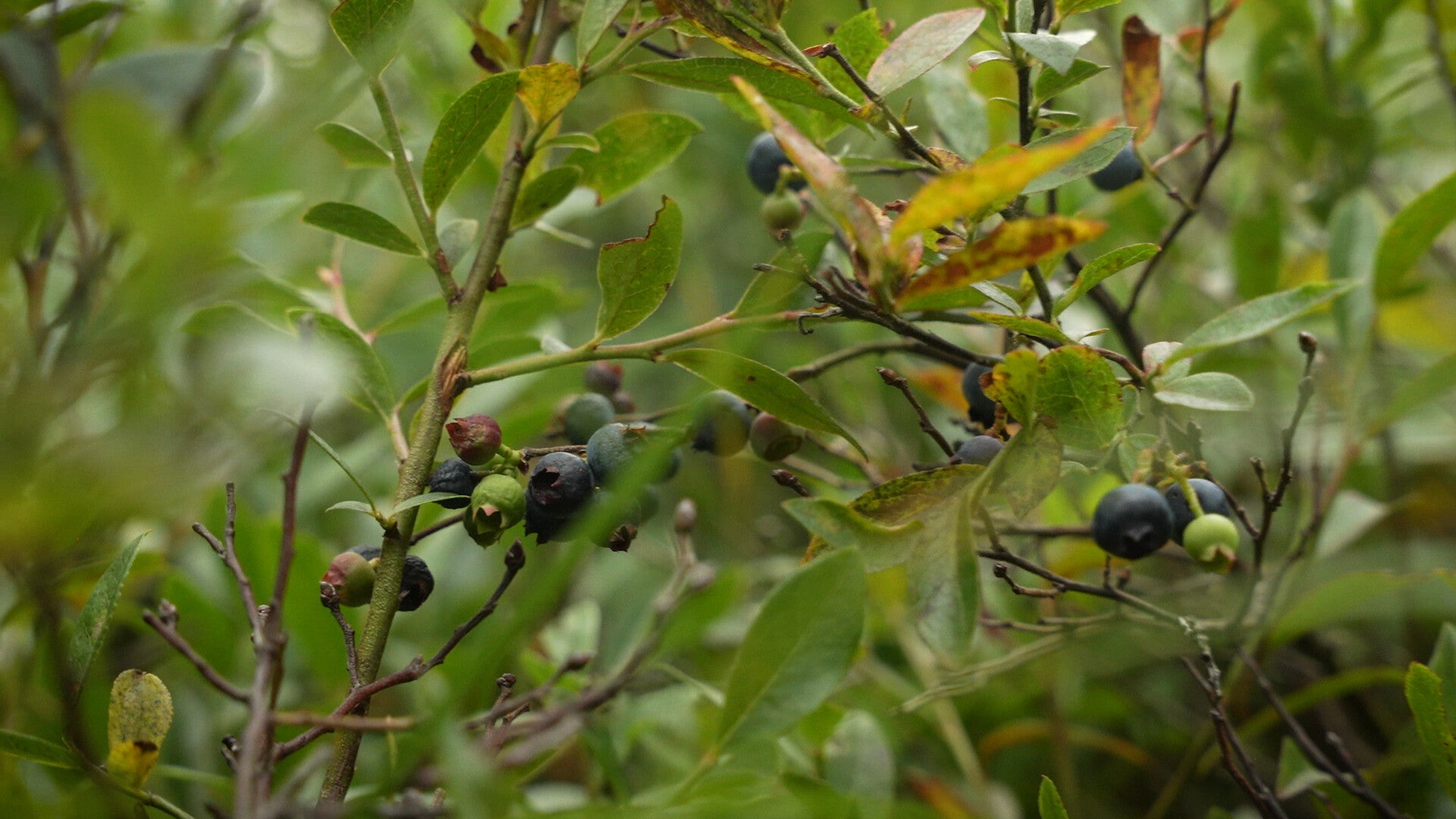
One of the major characters in the story is “miinan,” or wild blueberries, which used to grow in abundance along the shores of Lake Superior.
“In northern Wisconsin and the surrounding area, when we were intentionally using fire on the landscape, that resulted in so many blueberries” that a railway was named for them, Montano said. The “Blueberry Line” was a branch line that served counties in northern Wisconsin. Legend has it that the trains would stop along the route so passengers could pick blueberries.
“Blueberries, much like the red pine, really thrive in the presence of fire. It rejuvenates them. They’ll grow more berries,” Larson said.
Return of cultural prescribed burns
While research and advocacy for prescribed burns has been ongoing for decades, Larson hopes his work with Montano can be “a little spark in a lot of dry tinder.” He sees the burn in Superior as a way to carry the story forward.
“This burn on Wisconsin Point, it represents so many things,” Larson said. “It represents sovereignty. It represents responsibility and reciprocity, engagement. But it also represents a really active effort to create the vision and the world that could be.”
For Montano, the return of intentional fire is about healing the legacies of Indigenous displacement, and the loss of traditions and lifeways that came with treaties and ceding land.
“It means asserting our sovereignty. It means returning to cultural practices and returning to pieces of our identity that have been severed from us,” she said.