Wisconsin environmental and health regulators are warning hunters and anglers to avoid or limit eating fish, certain ducks and other wildlife in northeastern Wisconsin as a result of PFAS contamination.
The Wisconsin Department of Natural Resources and Department of Health Services issued the new consumption advisories Thursday that take effect immediately.
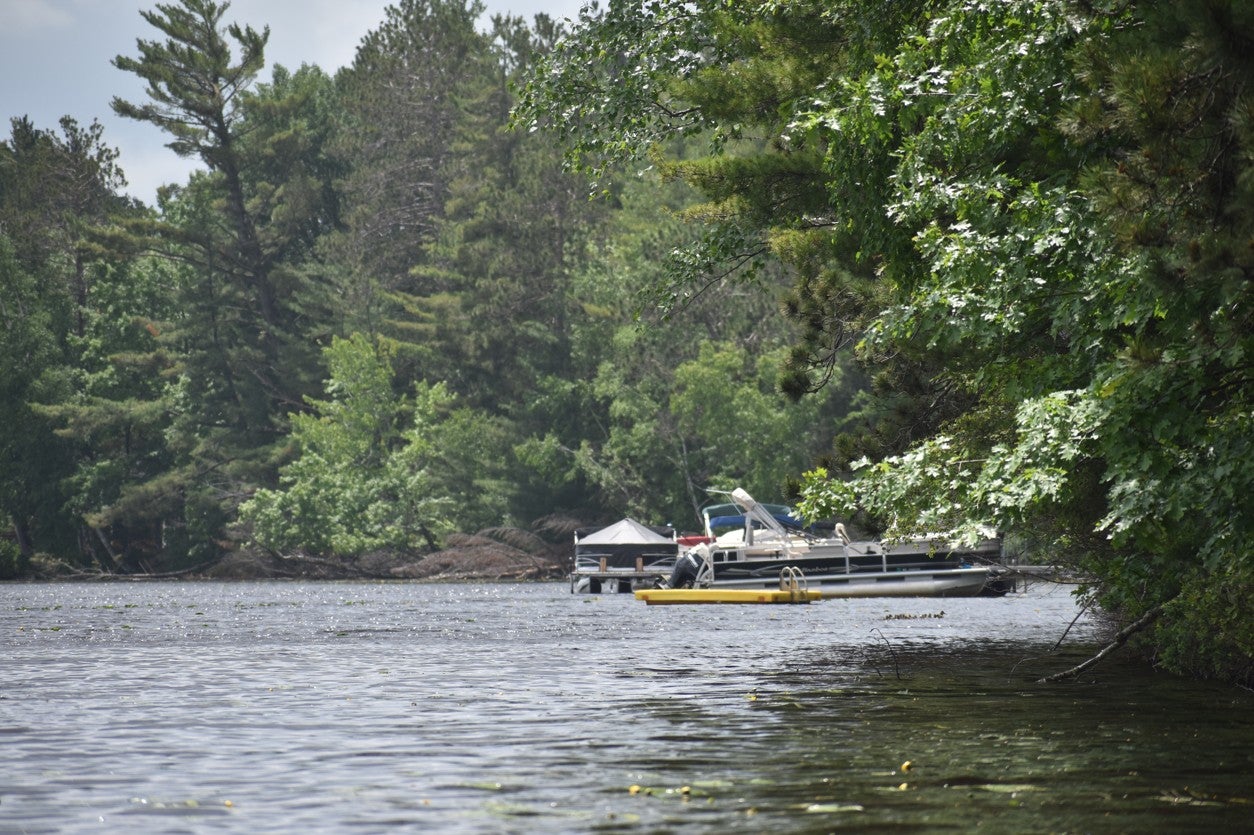
In the Oneida County town of Stella, the agencies are urging people to steer clear of eating all fish caught from the Moen Chain of Lakes, according to a news release. Those include Moen Lake, Second Lake, Third Lake, Fourth Lake, Fifth Lake. Other waterbodies affected include Sunset Lake, Starks Creek and Snowden Lake.
News with a little more humanity
WPR’s “Wisconsin Today” newsletter keeps you connected to the state you love without feeling overwhelmed. No paywall. No agenda. No corporate filter.
PFAS sampling of fish collected from the Moen Lake Chain and Snowden Lake showed elevated levels of PFOS, one of the most commonly studied PFAS chemicals.
The advisories are based on guidelines established by the Great Lakes Consortium, a collaboration of fish advisory program managers. Sean Strom, DNR fish and wildlife toxicologist, said regulators are advising people not to eat fish with PFOS levels above 40 parts per billion under recently revised guidelines.
“The fish in these systems were fairly consistently above that level, as were the liver for the deer harvested around the Stella area,” Strom said.
Regulators conducted sampling of yellow perch, black crappie, northern pike and walleye in Fifth Lake on the Moen Lake Chain in 2023. Samples showed PFOS levels as high as 131 parts per billion. On Snowden Lake, PFOS levels in largemouth bass and yellow perch sampled reached a high of 71.5 parts per billion.
Samples collected from 11 deer harvested within a 3-mile radius of Stella last year showed PFOS levels ranging from low levels to as high as 604 parts per billion in deer liver.
“One of the liver’s main functions is to take bad stuff out of the blood,” Strom said. “We expect to find some of the highest levels in the liver itself, and that’s what we saw.”
The highest PFOS levels in deer muscle sampled were around 40 parts per billion.
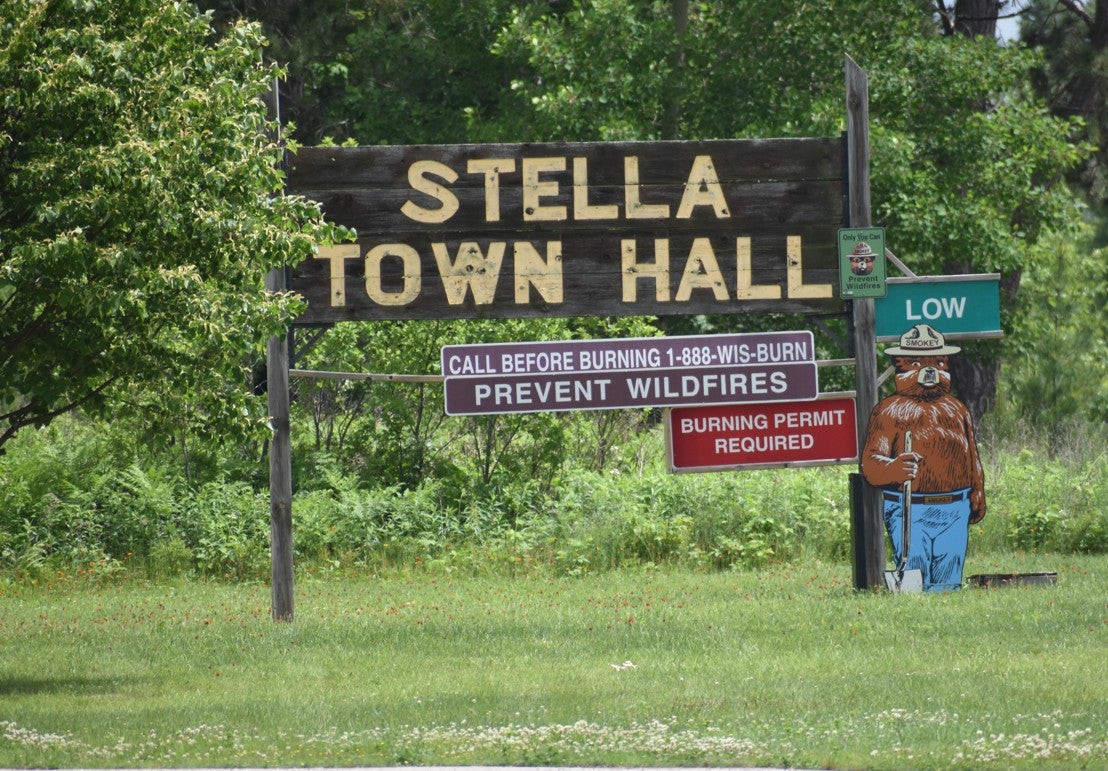
State regulators are recommending people avoid eating deer liver entirely and limit meals of venison to once a month in a 5-mile radius around Stella’s town hall.
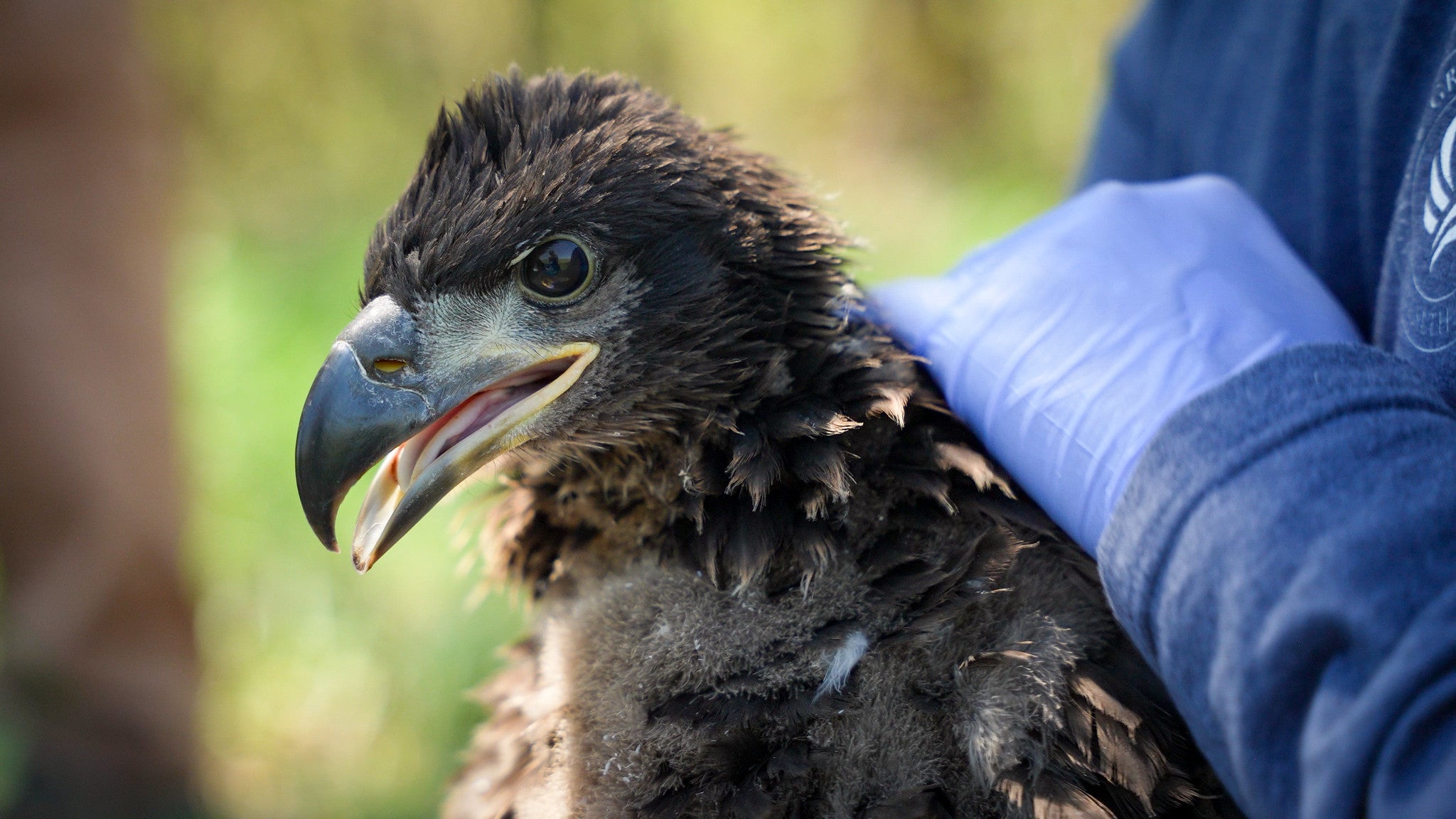
In Green Bay, the agencies are warning people to avoid or limit meals of mallards and wood ducks taken from different areas of the bay.
The agencies advise hunters not to eat mallards harvested from Lower Green Bay, from Longtail Point across to Point au Sable and south to the mouth of the Fox River.
Hunters should avoid eating mallards more than once a month and wood ducks more than once a week in Green Bay from the city of Marinette across to Sturgeon Bay and south to Longtail Point.
State environmental and health officials based the advisory on PFAS samples collected from the breast muscle tissue of ducks in Green Bay from 2022 through 2024. Results show elevated levels of PFOS. Levels of the chemicals in mallards reached a high of 481 parts per billion in lower Green Bay.
The findings indicate that adult and juvenile ducks have higher PFOS levels in lower Green Bay than the northern part of the bay.
Eating wildlife contaminated with PFAS can cause the chemicals to build up in the body. Regulators say health risks may increase when people eat fish and wildlife with high PFAS levels.
“The potential impacts include increased cholesterol levels and decreased immune response,” Strom said. “There’s been some connections to decreased fertility in women among some other health effects.”
Research shows high exposure to PFAS has been linked to kidney and testicular cancers, fertility issues, thyroid disease and reduced response to vaccines over time.
PFAS are a class of thousands of synthetic chemicals used in everyday products like nonstick cookware, stain-resistant clothing, food wrappers and firefighting foam. The chemicals don’t break down easily in the environment.

Wisconsin Public Radio, © Copyright 2026, Board of Regents of the University of Wisconsin System and Wisconsin Educational Communications Board.