
Sandrina Garcia came to Wisconsin hoping for a fresh start.
In some respects, she had it all in her home city of Toledo, Ohio: a home, two kids, a degree, a good job. But in other ways, living there felt like a burden.
Raised in an unstable environment across seven different homes, Garcia grew up fast, taking care of family members addicted to alcohol and heroin. As an adult, the city and her past there weighed on her.
News with a little more humanity
WPR’s “Wisconsin Today” newsletter keeps you connected to the state you love without feeling overwhelmed. No paywall. No agenda. No corporate filter.
When the chance appeared to move in with an aunt in Beloit who was ill and needed a caretaker, she took it.
“I felt like I needed change,” she said. “I needed relief.”
Living off savings, Garcia became her aunt’s full-time caretaker while her own kids went to school. But her aunt’s death put Garcia’s living situation in jeopardy. There were unpaid debts on the house and no one to pay them. The bank foreclosed on the home.
In early 2024, Garcia and her two sons became homeless.
For the former caseworker at a housing nonprofit, it started an 18-month search for a home across southern Wisconsin. The journey has opened her eyes to a life she’d previously only seen through her job. It has introduced her to people working to stem rising homelessness in Beloit and helped her formulate her own potential solutions. It has called on her deep religious faith.
And ultimately, it led her to leave Wisconsin.
Homelessness has left images Garcia will always remember
As Garcia recounts the last 18 months, memories float to the surface. The sadness of a young man who was homeless, hungry in a parking lot, looking like he’d been beaten up and reminding Garcia of her younger self. The indifference of some caseworkers and the warm embrace of others. And a night at a highway rest area when she almost lost hope.
It was winter. Garcia had covered her kids with jackets and blankets. She sat awake, turning her car on for heat, then off again to save gas. Another family was parked a few spots over: a working father with his pregnant wife and his kids. She knew they were from North Carolina, moving city to city looking for a landlord to accept their Section 8 voucher.
It was 2 or 3 o’clock in the morning, and it was cold.
“I saw the dad just turning on the van, turning it off. And I just remember crying,” she said.
She was used to helping people, and she felt that she wanted to reach out to the family. But in that moment, she couldn’t do anything.
“That was my first time in homelessness that I felt helpless,” she said. “Like, helpless.”
Garcia keeps a Bible in her van. That winter night, she prayed for the family.
“And I said, ‘God if you bless me, I’ll give him something,’” she recalled.
Not long after that night, a relative sent her some money, about $40. She gave the family $20.
“And he was so stoked,” she said of the father. He filled his tank with gas, went to work, got paid that Friday and brought Garcia’s family a hot meal from Wendy’s — something they’d craved amid a steady diet of cold turkey-and-cheese sandwiches.
“I’ve seen the most giving people have less. And I’ve seen the most greedy people have more,” she said. “And that’s the truth.”
Shelter wait lists are long, and housing is difficult to find
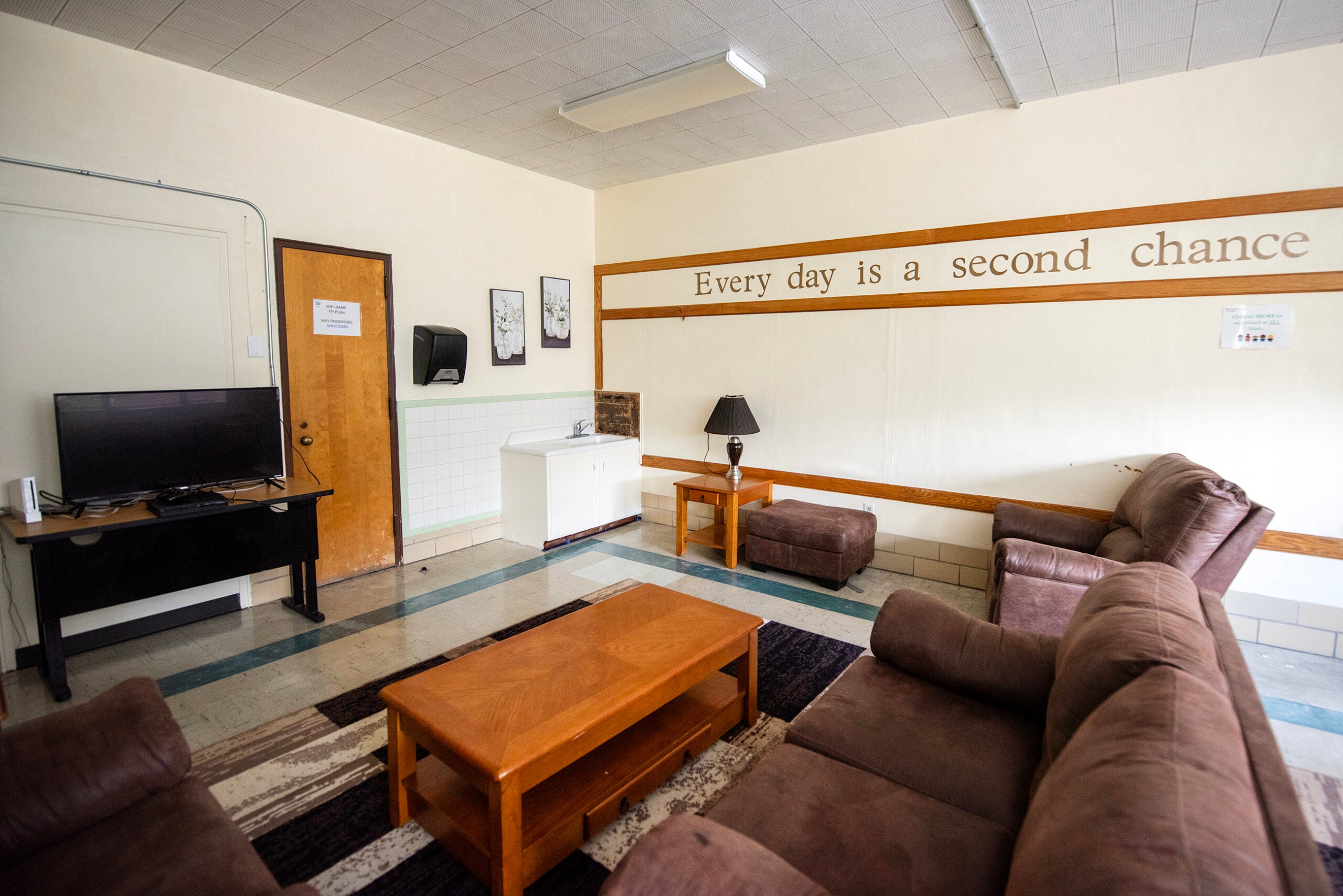
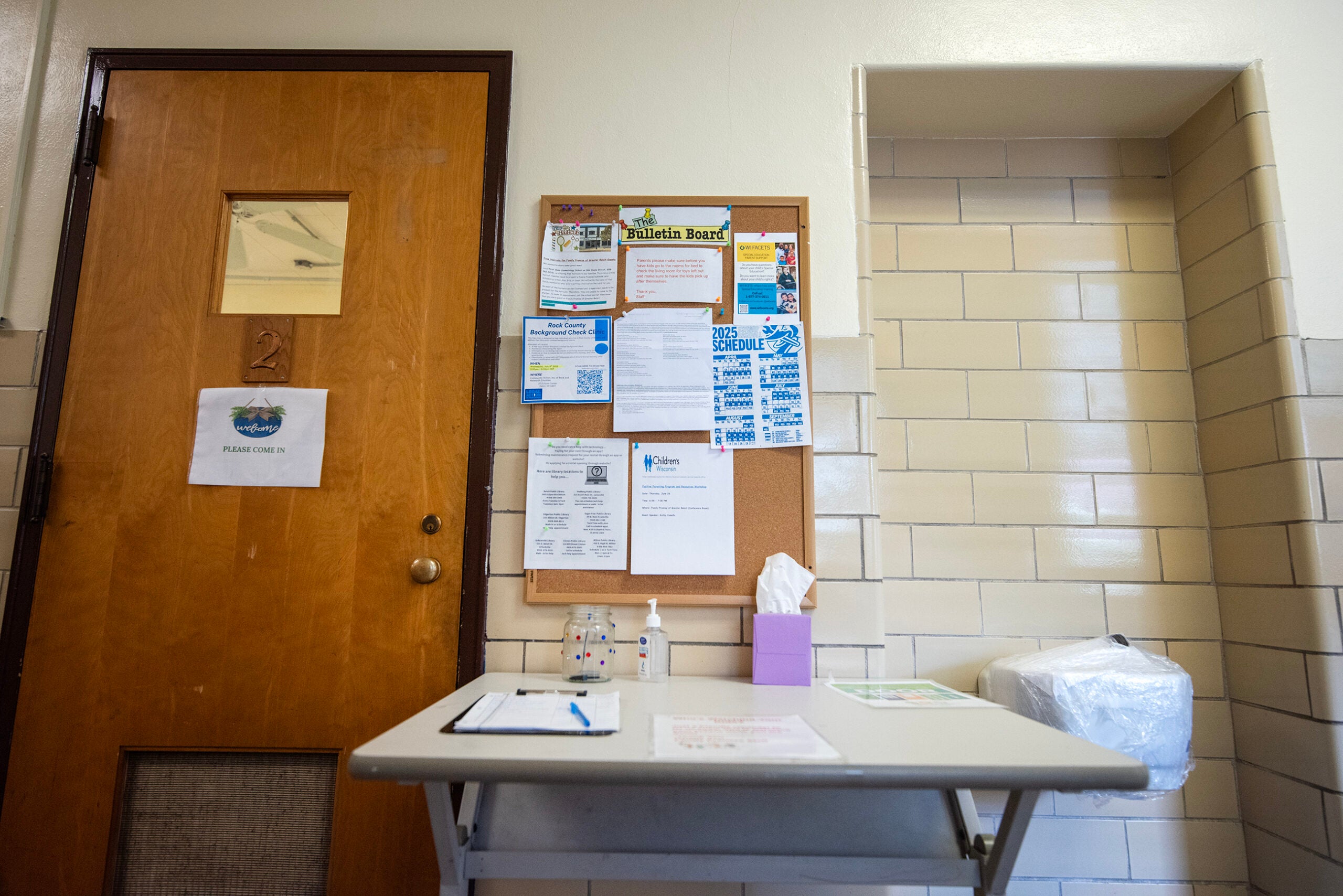
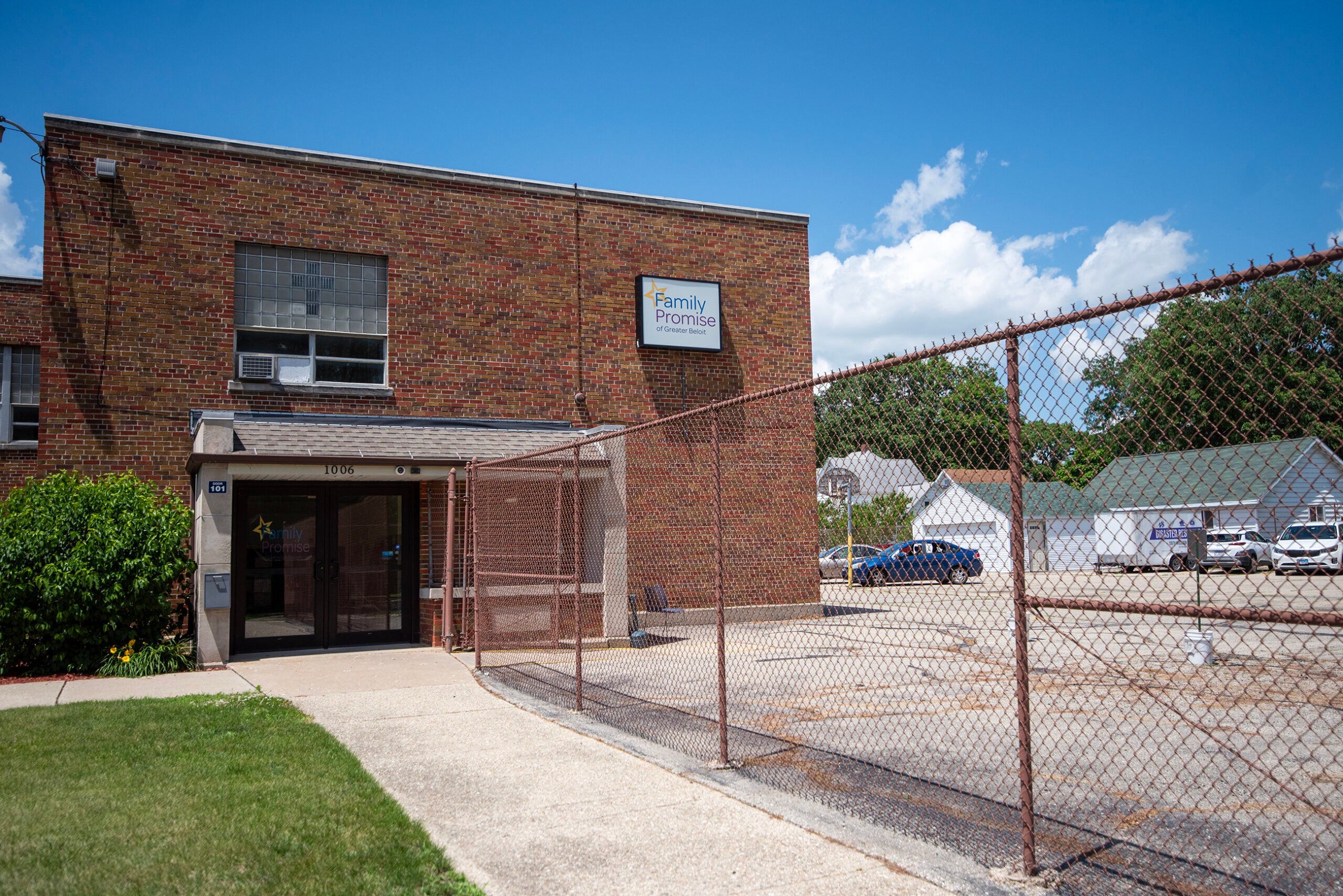
At Family Promise of Greater Beloit, a plain brick building and a few sunlit old classrooms offer a respite for some families.
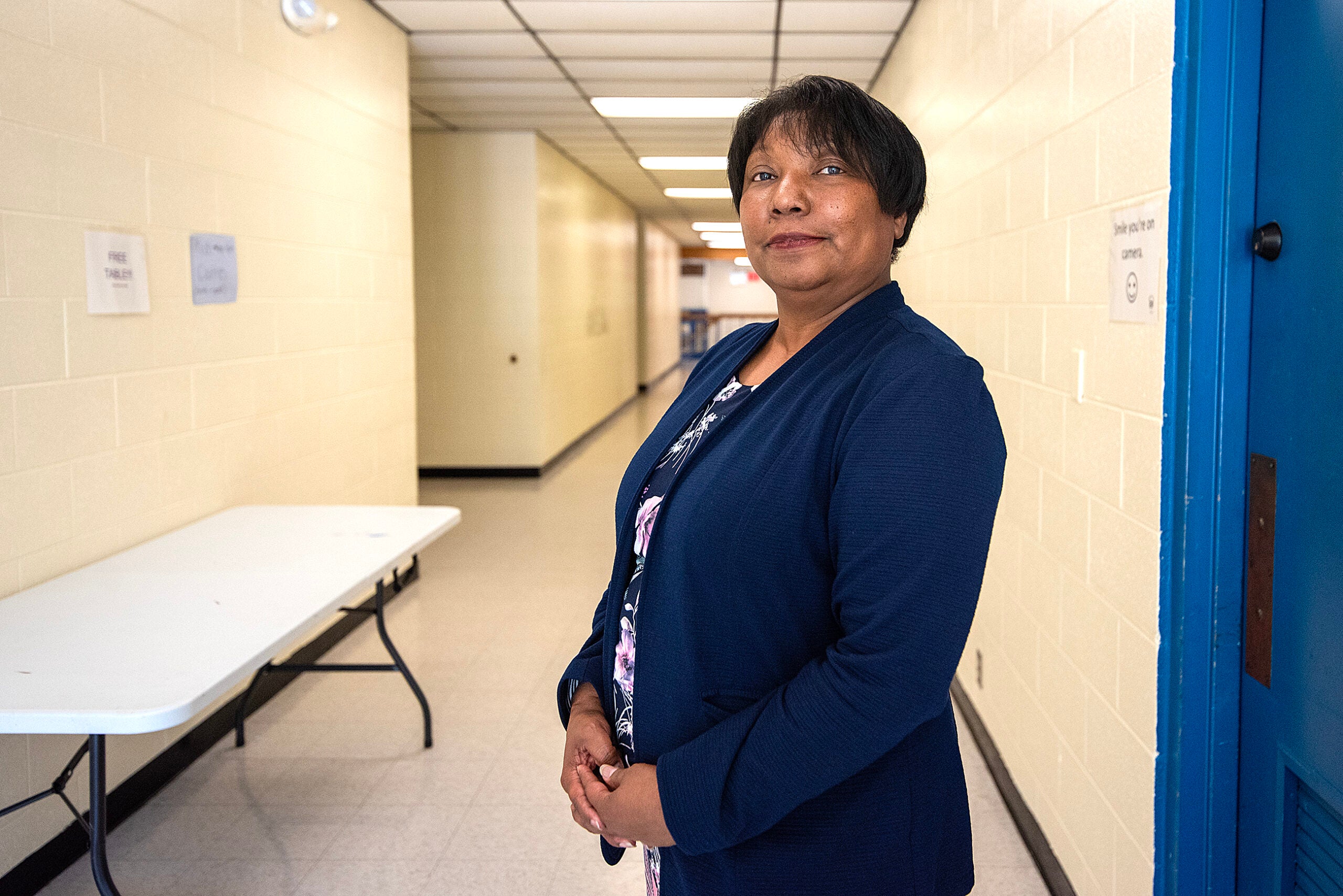
The shelter took over a former Lutheran school in 2022. Families stay there for three months while receiving one-on-one casework. Garcia and her kids found shelter there. But the need is far greater than the organization’s capacity, said its Executive Director Ann Bruce.
Family Promise has nine bedrooms. It has a waiting list of over 100 families.
Shelter staff check in with waiting families and offer them what support they can. But with only one caseworker, and herself as the only full-time employee, Bruce said they’re stretched thin.
“We have a huge need for more resources to provide families with shelter,” she said.
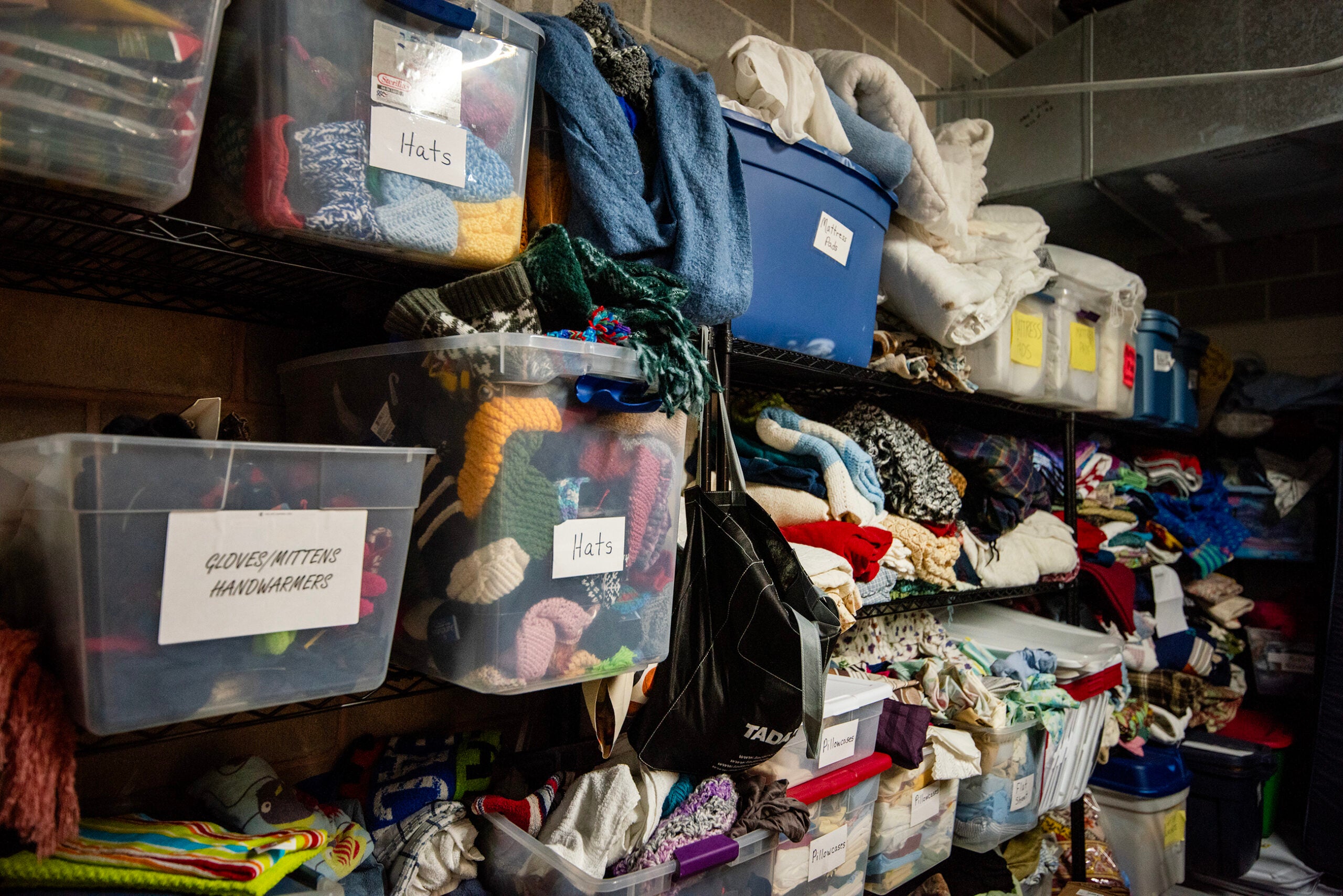
Donations by churches are crucial to her organization, but as congregations dwindle and age, Bruce said she’s looking to work with more local businesses.
One of the shelter’s goals is finding affordable houses for resident families after their stay. Meeting that goal hasn’t been easy for Bruce, who’s worked there less than a year. Not enough landlords are willing to rent to the families when they move out, she said.
That was Garcia’s experience with the private market, too.
After losing their home, her family didn’t head to rest areas and truck stops immediately. They moved into a motel, staying there through the spring of 2024. Their room cost about $2,000 a month and Garcia had the savings to pay for it.
But finding a rental apartment at a similar price point proved impossible. Living with her aunt meant she had no recent rental history. She worked side jobs. She had unpaid debts from a divorce. And she didn’t want to lie to landlords about her housing situation.
“They’re just looking at numbers,” she said. “Which a landlord should because it is business.”
But she still wished landlords showed compassion for people like herself, who were being honest and only needed an opportunity.
“I don’t have any felonies. I don’t have any evictions. And I can only imagine if it’s so difficult for me to get housing, how difficult it is for the person that does,” she said. “It has to be twice as hard.”
It was only after money ran low that Garcia and her kids left the motel for shelters. Many of them had long wait lists. So her family slept in their car between stays. Once, they slept in the car for 61 nights. Their longest wintertime car stay was about two weeks.
She loved Family Promise. But every shelter has a totally different culture, she said. And a patchwork of rules, stay length limits and check-in times made it difficult to commit to any job outside 9-to-5 hours.
“You’re constantly pivoting,” she said. “Constantly.”

‘We’re able to offer everything but a house’: Beloit task force says problem is growing
When it comes to family homelessness in Wisconsin, Beloit is an outlier.
In Wisconsin, 20,195 public school students were homeless during the 2023-24 academic year, according to an April report by the Wisconsin Policy Forum, a nonpartisan policy research group. That’s about 2.5 percent of Wisconsin’s total public school enrollment.
The rate is five times higher in Beloit.
In the Rock County city, the end of the 2024-25 school year saw 658 homeless students, including Garcia’s two kids. That’s 13.3 percent of the district’s enrollment, or more than 1 in 8 students.
A 1987 federal law requires public school districts to track homelessness under a definition that includes living on the street, in motels, in shelters or at friends’ and relatives’ houses out of financial necessity.
Beloit’s current count of students who are homeless represents a 13.25 percent increase from 2019 levels. Growing counts of student homelessness, the Wisconsin Policy Forum report said, could be attributed to a real growth in family homelessness, improved tracking, or both.
But at a June meeting of the Beloit Area Task Force on Homelessness at the local public library, social workers, local government officials and shelter administrators agreed that, at least in their city, family homelessness itself is rising.
The end of pandemic-era rental assistance and eviction freezes kickstarted that process. Many landlords, they said, took advantage of government support to raise rents, leaving tenants in a bind when support ran out. Since then, they said, property management companies have bought up property in Beloit, further driving up prices.
“Our new face of homelessness is two-income families,” said Robin Stuht, the homeless liaison for the School District of Beloit.

She said the school’s role in addressing homelessness is expanding.
“The school has become the place where you have a free meal. We have clothing closets. We have hygiene products. We have become the case managers, more so, to the kids,” she said.
“We’re able to offer everything but a house,” Stuht added.
Stuht and other members of the task force are worried about the Trump administration’s proposed elimination of dedicated funding for the federal Education for Homeless Children and Youth program. The administration is asking Congress to roll it into a new $2 billion funding structure that could see it compete for grants with 17 other programs. Taken together, all those programs currently receive $6.5 billion.
“It’s hard to imagine how we’re going to take care of our students experiencing homelessness with that funding gone,” she said.
Armed with professional and personal experience, Garcia proposes solutions
Garcia said it is often other people who are homeless who help each other the most, showing each other places to eat or somewhere to stay.
“I’ve seen homeless people come together. I think the greatest resources are homeless people,” she said.
And as challenging as the last 18 months have been, Garcia feels they’ve happened for a reason.
“From this experience, it’s like, you see everything now,” she said.
What Beloit needs, Garcia said, is a centralized facility for its homeless population to use showers, do laundry, get hot meals and consult with caseworkers.
“We don’t need handouts,” she wrote to WPR. Instead, she wants to see more transitional and affordable housing “where credit scores don’t define your worth and your past doesn’t cancel out your future.”
This spring, Family Services of Southern Wisconsin opened 18 transitional living apartments in a former elementary school in the city. Meanwhile, the city of Beloit has invested in affordable housing developments, though one planned project is in limbo after losing out on state funding.
Garcia said more resources need to go toward preventing homelessness before it happens. When she was on the cusp of losing her home, she found that many social service agencies wouldn’t help her until she was on the street.
“It’s so much more humane and cost-effective to keep people housed than it is to try and ‘fix’ homelessness after it happens,” she wrote to WPR.
One day, she hopes to open her own center for youth aging out of foster care and into homelessness. Over the last 18 months, she said, she’s seen how vulnerable that population is. She’s written a business proposal for the center.
But working on big plans is difficult when you’re worried about feeding your kids or finding $17 to pay for showers at a Pilot truck stop. Though she’s constantly on the move, Garcia said, at the same time, homelessness can feel like a standstill.
“Life is moving, but you’re not. You’re stuck in the same position,” she said.
Nightfall would often find her in Walmart parking lots, preparing for the night ahead, watching people pack groceries into their cars.
“They’re so blessed,” she’d think to herself.
In June, Garcia moved to a shelter in Beaver Dam that she found on Google Maps. She got a job as a summer camp counselor in Stoughton. She started looking for rental apartments in Dane County.
But by July, she’d made a different decision. She was leaving Wisconsin and moving back home to Toledo, Ohio.
“I think I’m homesick,” she wrote in a text message. “And nothing is working here.”

Wisconsin Public Radio, © Copyright 2026, Board of Regents of the University of Wisconsin System and Wisconsin Educational Communications Board.