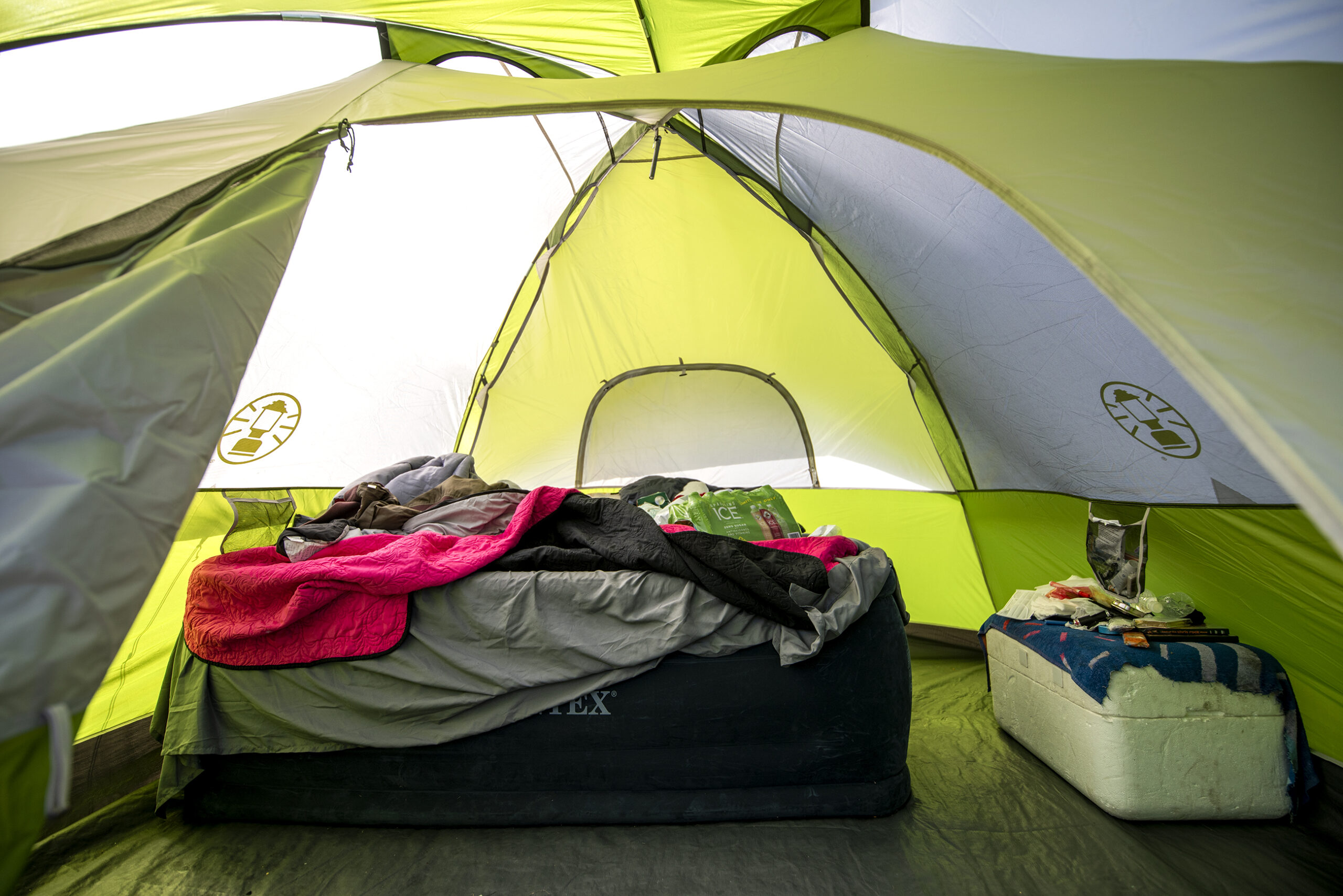
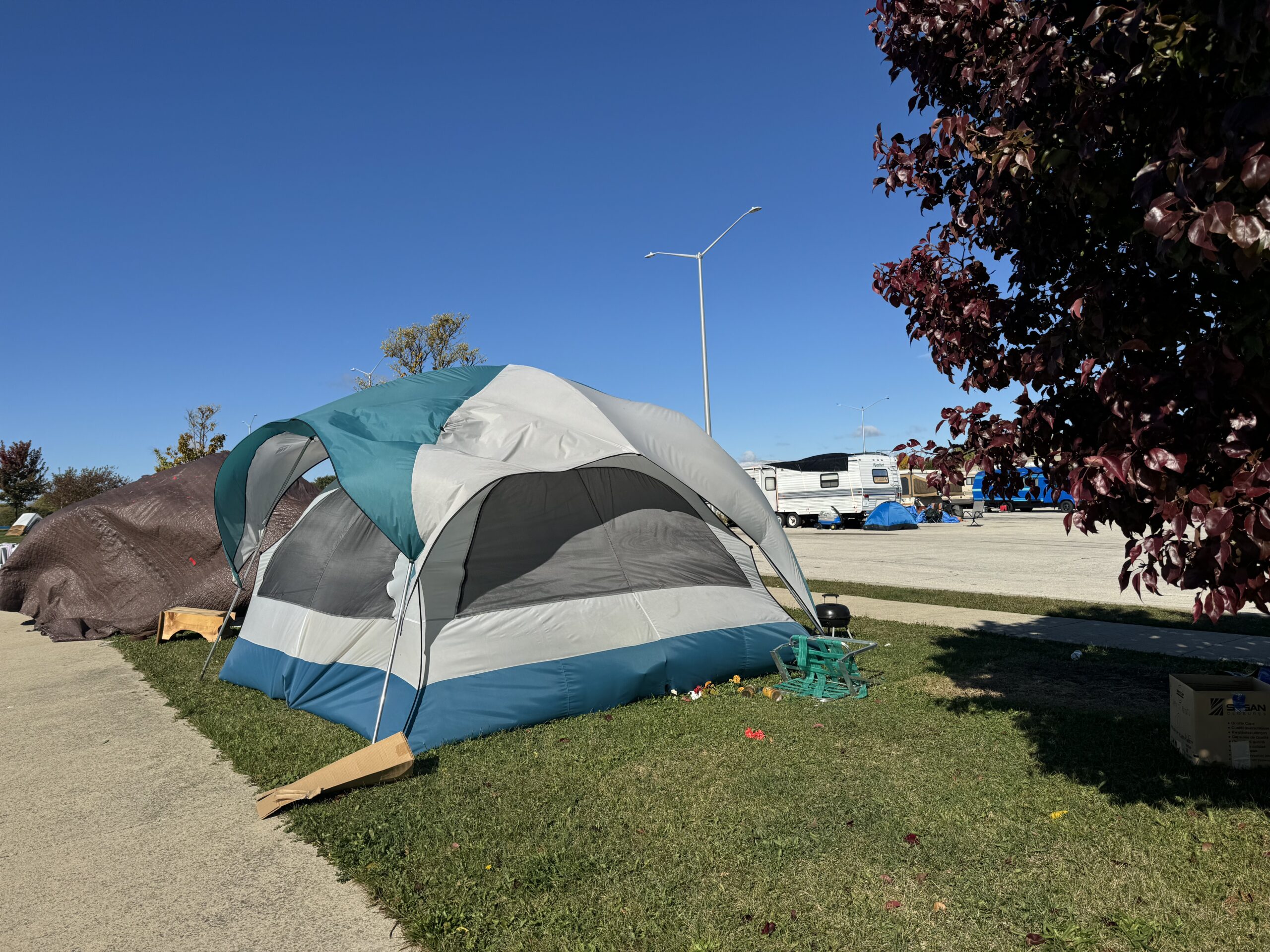
A Green Bay suburb is considering a ban on camping on public property in response to resident complaints.
Earlier this month, the village of Ashwaubenon’s public works committee unanimously recommended the Village Board approve an ordinance prohibiting camping or lodging on village-owned property. The Village Board could vote on the ordinance at its Oct. 28 meeting.
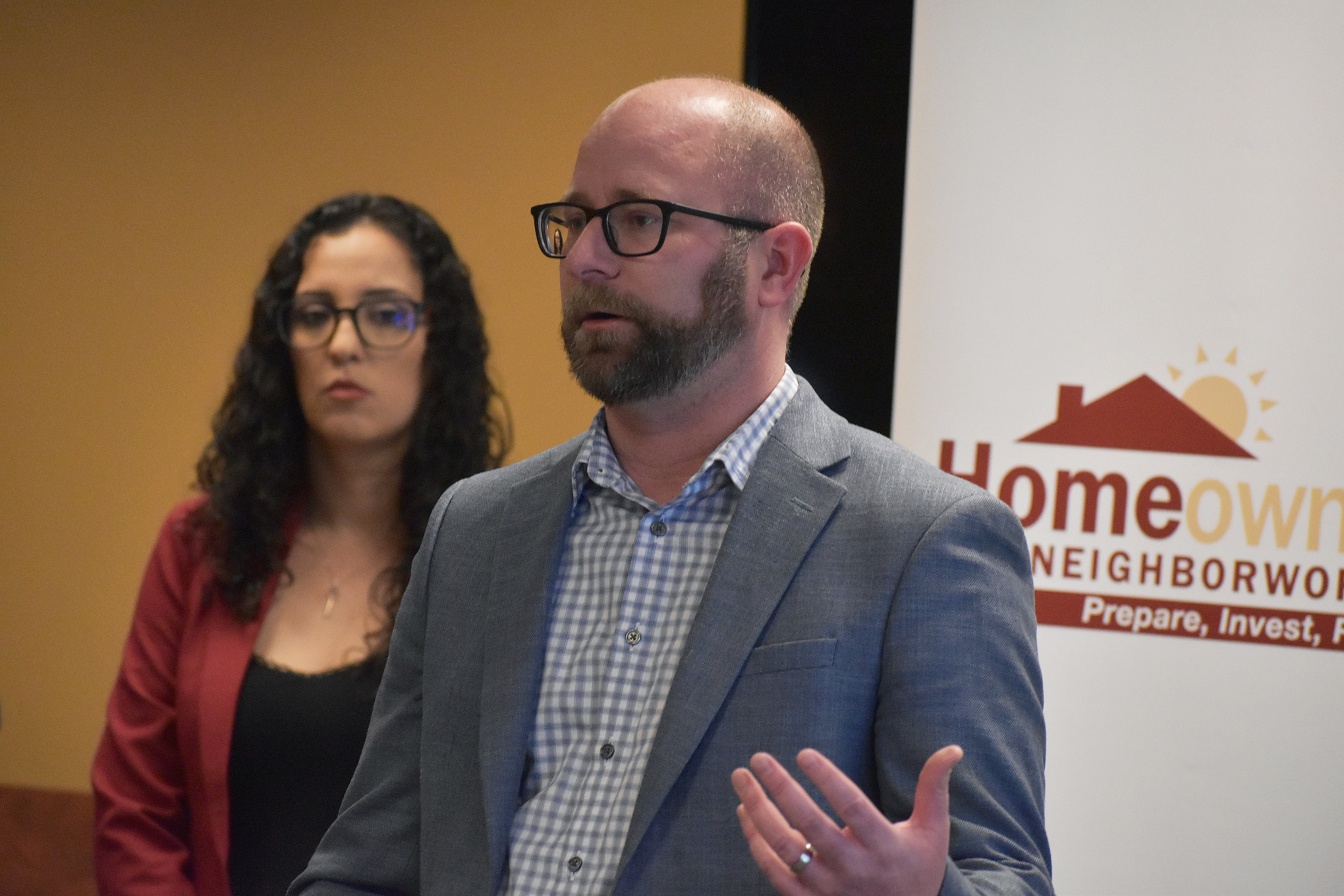
Ashwaubenon Village Manager Joel Gregozeski said village officials had received an increasing number of complaints from local residents about people who were camping on public property over the last two to three years.
News with a little more humanity
WPR’s “Wisconsin Today” newsletter keeps you connected to the state you love without feeling overwhelmed. No paywall. No agenda. No corporate filter.
He said the concerns included a lack of sanitation resources, potential drug use on village property and fears that encampments could discourage use of public parks.
Gregozeski said camping is already prohibited in village parks, and the ordinance would extend that rule to other public areas.
“This ordinance is an effort to ensure that our public spaces in the village of Ashwaubenon are safe, accessible and welcoming for everyone,” he said. “We certainly understand the challenges that are facing the greater Green Bay or Brown County area as it relates to homelessness.”
Ashwaubenon’s proposal follows similar ordinances passed by the cities of La Crosse, Fond du Lac and Neenah last year. And in a 6-3 decision in June 2024, the U.S. Supreme Court also ruled that local governments can ban people from sleeping and camping in public places.
But service providers say those bans don’t do anything to address the root causes of homelessness.
Lisa Strandberg is the executive director of Pillars, a nonprofit that operates two year-round shelters in Appleton. She described bans as an “out of sight, out of mind approach.”
“Homelessness is really a housing issue,” she said. “It’s not a law enforcement issue, not an issue with the quality of services in a given community.”
And Green Bay-area advocates say Ashwaubenon’s potential ban comes as local shelters are already near or at capacity due to rising homelessness.
From 2020 to 2024, the number of homeless people in the Brown County area grew from 444 to 624, according to data from the Institute for Community Alliances, an Iowa-based nonprofit. Statewide, the number increased from around 4,500 to more than 5,000.
While violating the proposed ordinance could result in fines up to $5,000, Gregozeski said the village’s public safety officers would look to take “a very sensitive approach” in enforcement. He also said the goal of the ordinance “is not to be punitive.”
“Our officers will be making contact with individuals that may be found creating these encampments,” he said. “Our goal is to connect those individuals to the service providers that may be able to support and help them.”
Neighboring Green Bay does not have an ordinance like the one proposed in Ashwaubenon, but it does enforce park hours, Green Bay Police Lt. Steve Mahoney said. Officers ask people to leave if they’re found in the park after hours and refer people who are homeless to services. He said citations are rare.
‘It’s a capacity issue’
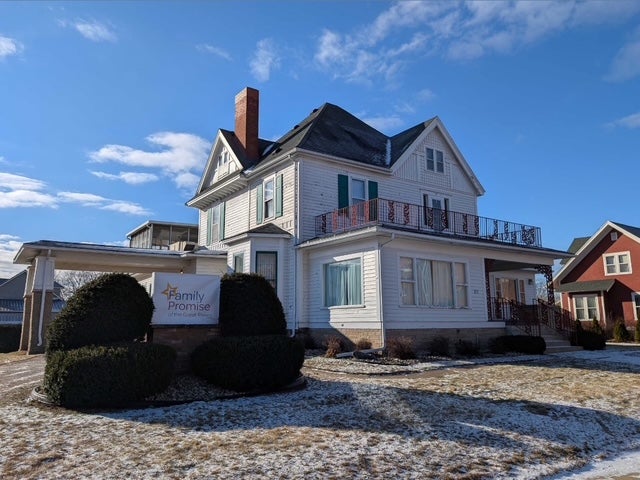
Tony Schneider is director of community engagement at St. John’s Ministries, one of five major shelters in Green Bay. Three of those shelters provide services to either domestic violence survivors, adolescents and young families, or family units.
NEW Community Shelter provides services to adults practicing sobriety, while St. John’s provides a last-resort shelter for adults not eligible elsewhere from November through April each year, Schneider said.
He said many of the shelters in the Green Bay area are often at or near capacity, which is why he’s concerned about Ashwaubenon’s proposed ordinance.
“It’s a capacity issue that we’re facing, and that’s kind of where this proposal really, I think, strikes the chord,” Schneider said. “You can make referrals to service providers in the area … but if that place is at capacity and legally cannot serve any more people, then we’ve just displaced another person.”
Josh Benti, homeless initiative project director for the Brown County Homeless and Housing Coalition, said the village of Ashwaubenon did not connect with service providers before drafting its ordinance.
“These residents who are experiencing homelessness in Ashwaubenon, they’re not camping,” Benti said. “Camping is something that you do on the weekend with your friends and family, it’s a recreational activity. Those that are experiencing homelessness in Ashwaubenon are trying to survive.”
Gregozeski said the village is open to working with community organizations to try to address the area’s homelessness and housing issues.
“If we’re really looking to solve homelessness, then I think it requires a much broader conversation than our particular ordinance that the village of Ashwaubenon is considering,” he added.
La Crosse, Fox Cities face similar challenges
La Crosse’s ordinance prohibiting camping on any city property has been in effect since late August of 2024.
Jay Odegaard, parks and recreation director for the city of La Crosse, said the city tried taking a variety of approaches to dealing with homelessness before the ban, including renting hotels and city-sanctioned park camping.
But none of those approaches were successful and encampments grew to the point where it was “becoming too much for the city,” with one encampment housing around 150 people, he said.
“It didn’t really make anybody go and disappear,” he said of the ordinance. “Probably the main effect that it did have was to limit the real large encampments. And I think ultimately, the unsheltered became more transient in where they stayed.”
The city and La Crosse County also partnered to launch the Pathways Home program in 2024.
While the ban was aimed at ‘treating the symptom of the problem,’ Pathways Home seeks to address the broader issues that factor into homelessness, Odegaard said.
Since the program launched, officials say at least 200 people have been housed. The number of homeless in La Crosse fell from 268 in January to 216 by July.
Sue Graf is executive director of the La Crosse nonprofit What I Need Now, which helps provide immediate needs, like clothing, water and hygiene products, to the local homeless population. Graf said the camping ban and clearing out of encampments caused some to lose belongings and created additional stress.
“It’s made things even more difficult,” she said. “Pathways Home is an outstanding project. They’re making good progress, but I have to think the scattering of people once into a lot of other little places would be a barrier to Pathways Home.”
In the Fox Cities, Strandberg said the ordinance in the city of Neenah didn’t lead to an uptick of people seeking shelter services through Pillars, which is “the only consistently operating shelter in the greater Fox Cities area.”
“We are absolutely also at capacity every single day of the year,” she said. “That is true whether or not there are ordinances in our neighboring communities banning camping or loitering.”

Wisconsin Public Radio, © Copyright 2026, Board of Regents of the University of Wisconsin System and Wisconsin Educational Communications Board.