Staff with the Federal Emergency Management Agency could be in Wisconsin later this week to assess storm damage caused by a historic rainfall that led to widespread flooding in southeast Wisconsin.
A spokesperson for Milwaukee County Executive David Crowley said county officials have heard “unconfirmed reports that FEMA is anticipated to arrive later this week.”
“Once we have a confirmed date, we will share that information with the public,” the spokesperson wrote in a Monday morning email.
News with a little more humanity
WPR’s “Wisconsin Today” newsletter keeps you connected to the state you love without feeling overwhelmed. No paywall. No agenda. No corporate filter.
Gov. Tony Evers announced Wednesday that he’s requesting a joint preliminary damage assessment from FEMA. That will determine if the state meets the threshold needed for a presidential disaster declaration.
“The damage throughout the area is overwhelming, and sadly, I believe that we have unfortunately surpassed the threshold for assistance from FEMA,” Milwaukee Mayor Cavalier Johnson said during a Friday afternoon press conference.
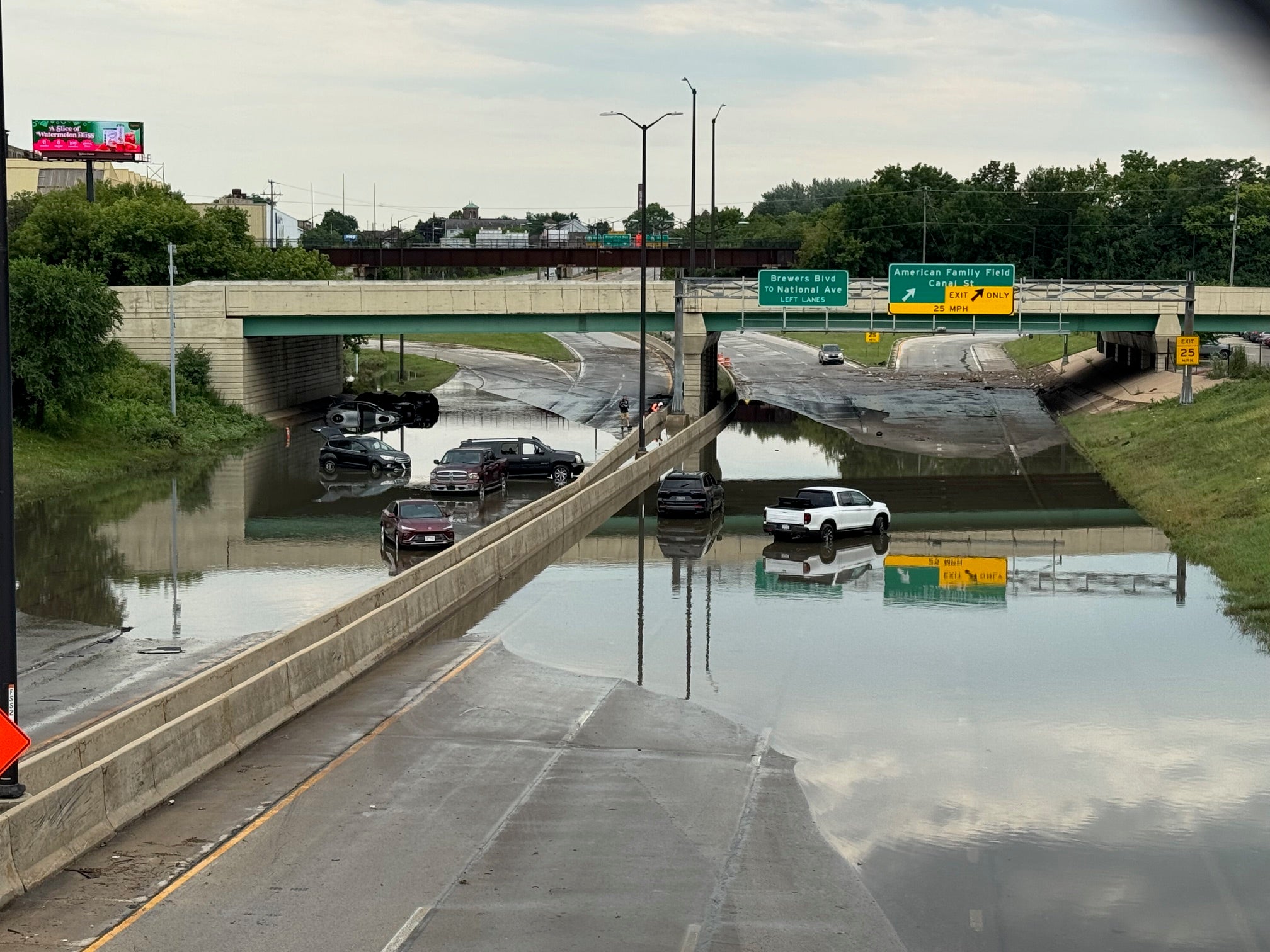
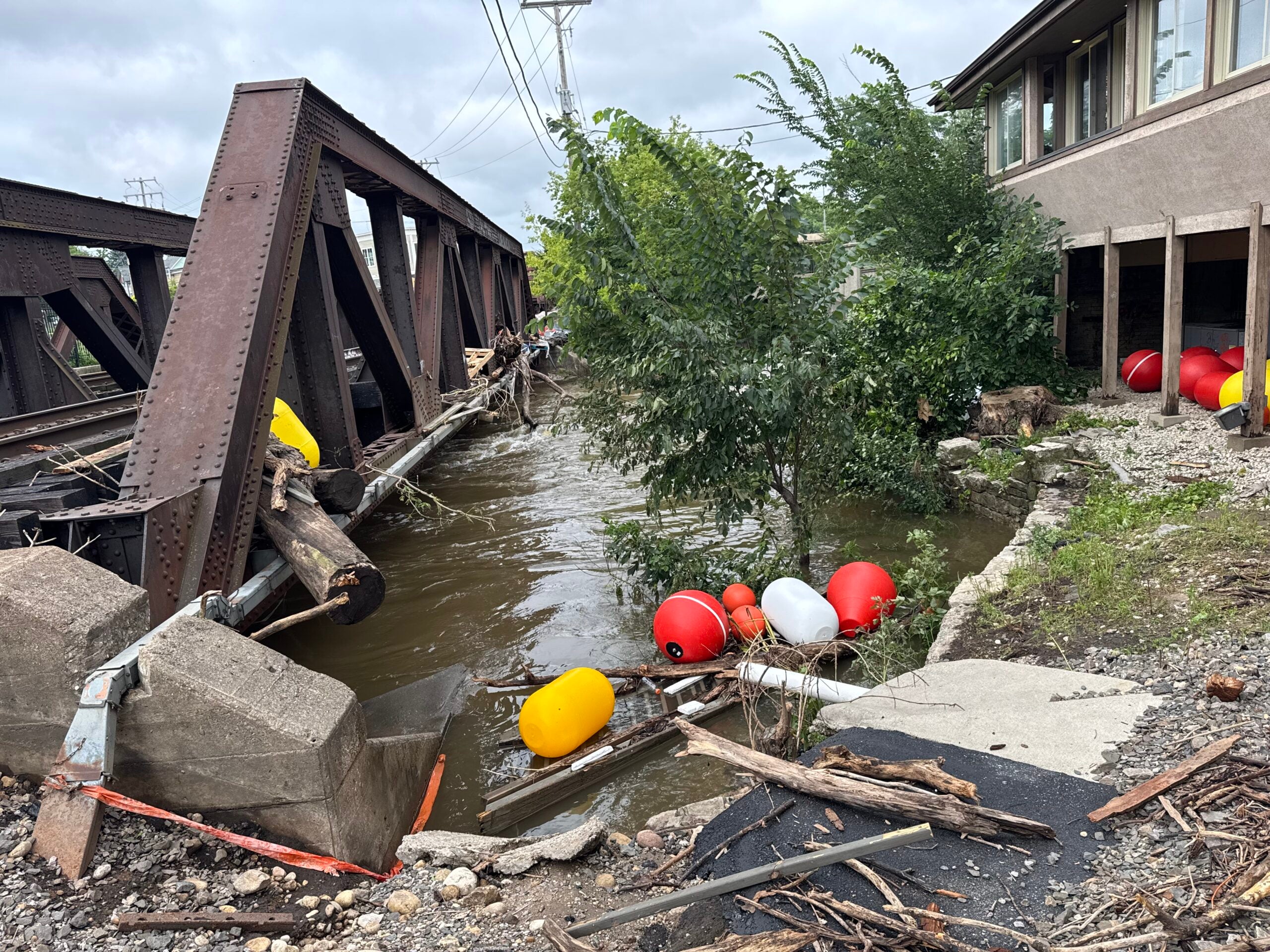
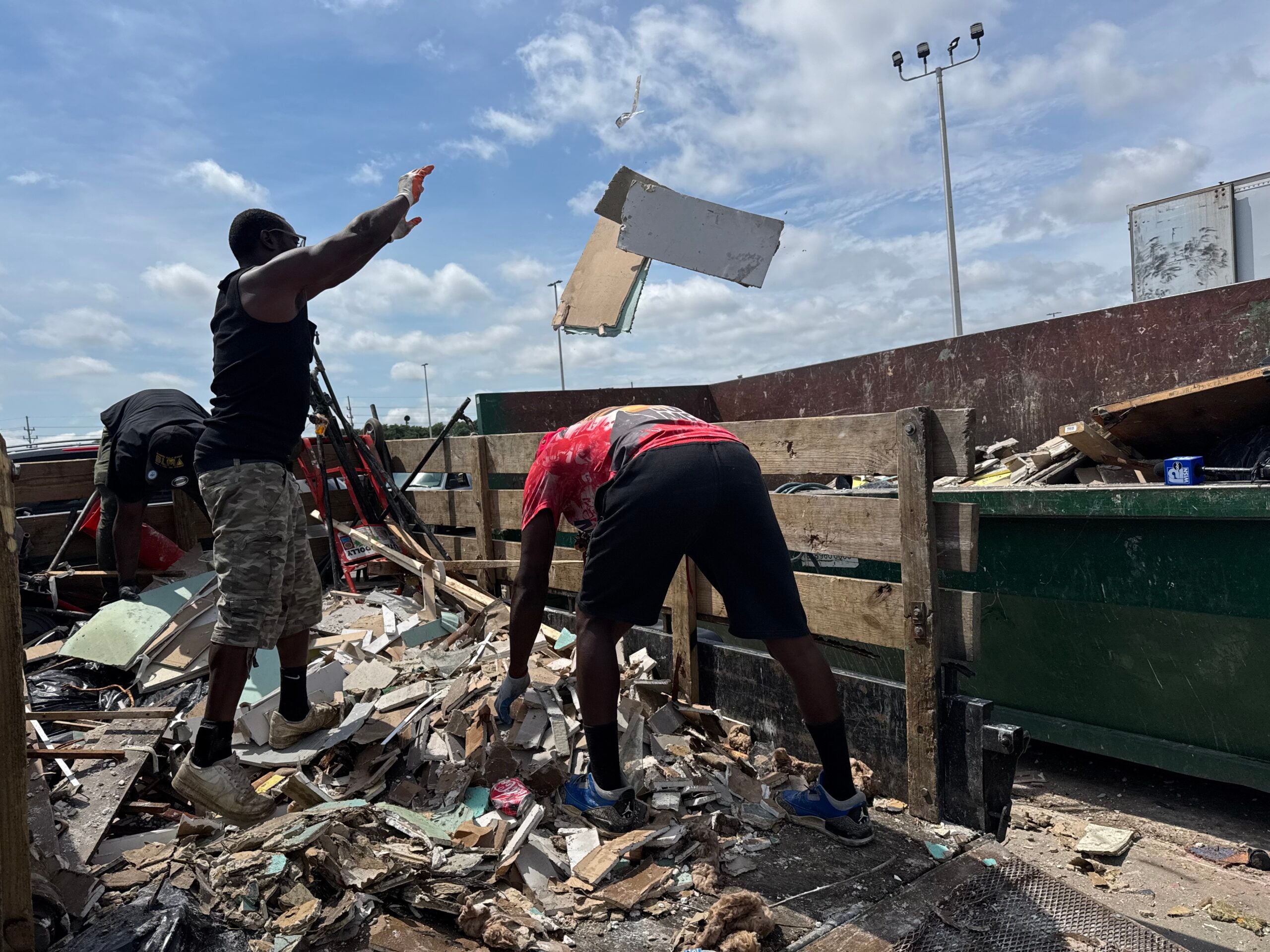
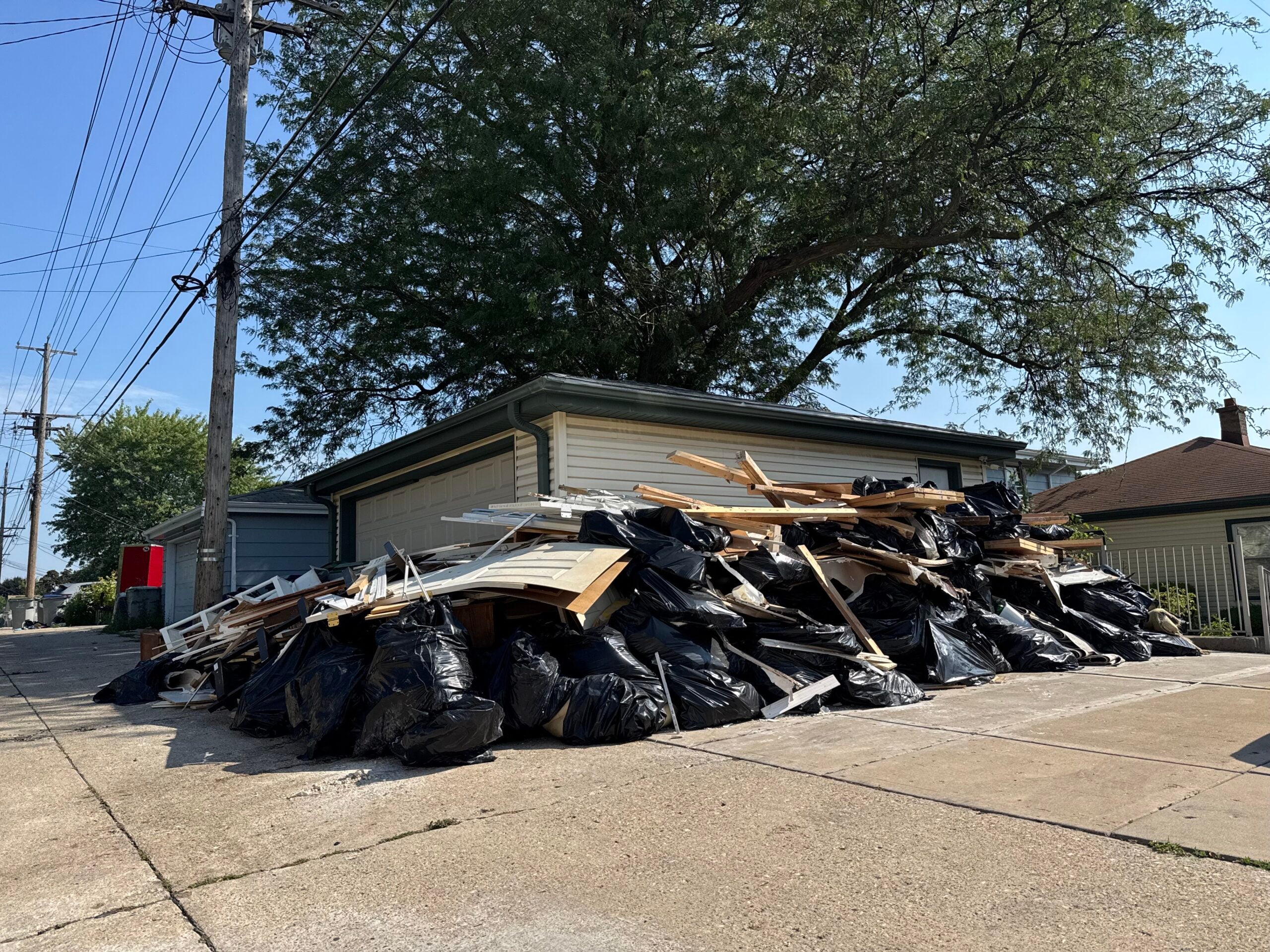
Thousands of people in southeast Wisconsin were impacted by the storm, which left flooded streets and basements, downed trees and power outages in its wake.
Residents have filed more than 17,000 damage reports, according to the most recent Impact 211 data. Preliminary damages in Milwaukee County are already over $23 million.
In an email, a spokesperson for FEMA wrote that the agency is coordinating with Wisconsin Emergency Management to prepare for the damage assessments.
“After damage assessments are completed, the state will analyze the data to determine if they’d like to submit a request for federal assistance,” the spokesperson wrote in an email.
Milwaukee County Executive David Crowley, while speaking to WPR last week, said he believes the county will meet the damage threshold needed to receive FEMA assistance. Crowley joined Democratic U.S. Sen. Tammy Baldwin, while she was surveying storm damage on Milwaukee’s west side on Friday.
“I am not going to get into the weeds on all the thresholds that have to be met for assistance with rebuilding public infrastructure, or assistance to the people who have suffered individually and private loss that’s uninsured, but … it’s … a complex system,” Baldwin said Friday.
A spokesperson for FEMA said teams with the agency were not in the Milwaukee area on Monday. The spokesperson deferred questions on timing of the visit to Wisconsin Emergency Management. A spokesperson for that office didn’t respond to a reporter’s request for comment Monday.
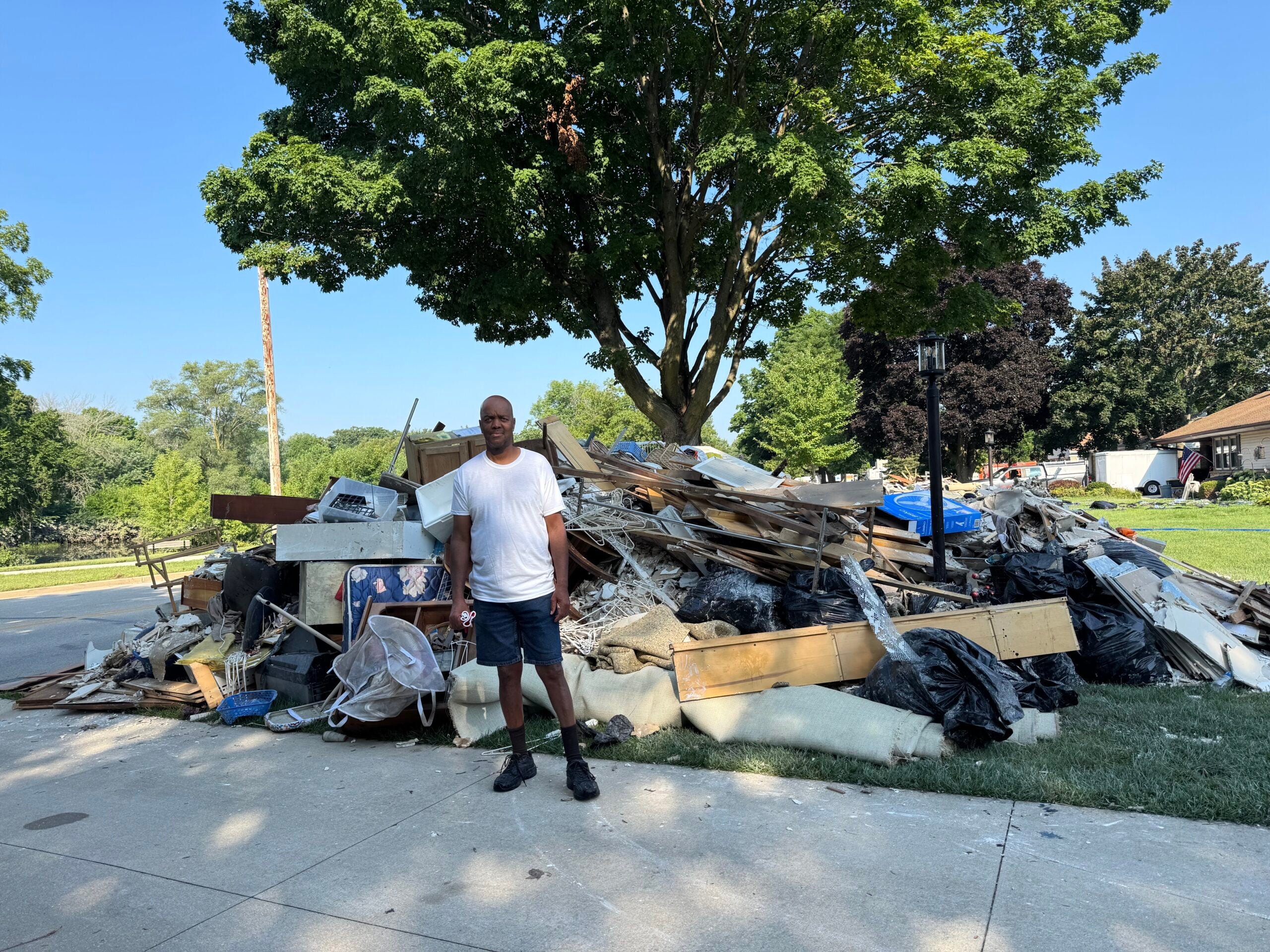
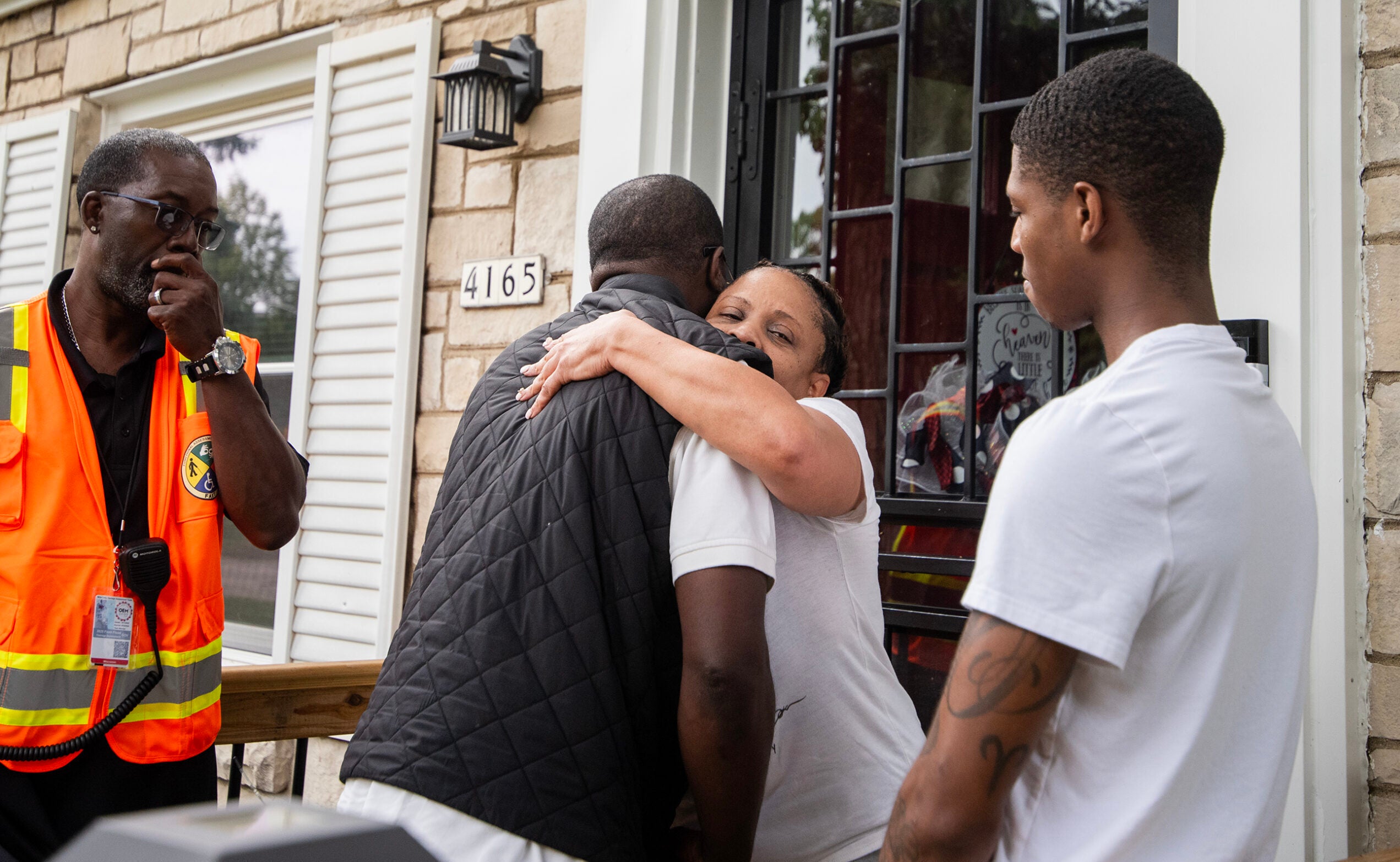
Wauwatosa resident Eric Truss lives next to the Menomonee River. He said he woke up on the morning of Aug. 10 to around 7 feet of flood water in his basement.
He estimated that damages and repairs will cost him and his family around $50,000. Truss said they do not have flood insurance.
“Definitely, anything would help at this point,” Truss said Monday about receiving FEMA assistance.
Truss and his family have been staying with relatives as they still have no AC or hot water at their home.
“It does take its toll … it does affect us in more areas than one in our life,” Truss said. “So, yeah, anything would help.”
Dwayne Morgan, a resident of Milwaukee’s west side, estimated a loss of around $15,000 after around 3 feet of sewage water was in his basement. He said his insurance will not cover a sewage water backup, leaving him on the hook for the damage and repairs.
Morgan was quick to respond when asked if he’d accept financial assistance from FEMA.
“Yes, I definitely would, definitely would,” Morgan said.
What happens next?
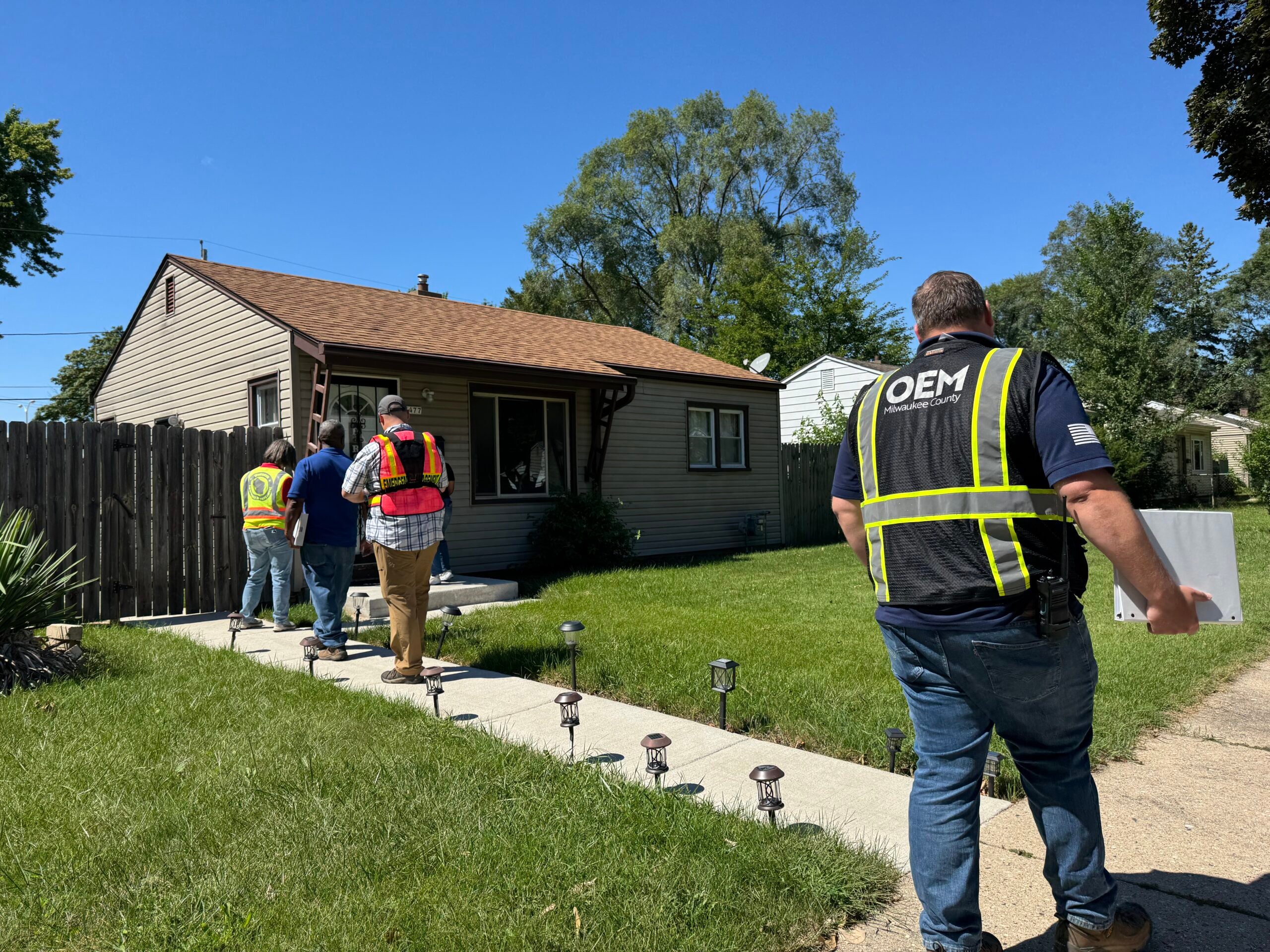
A fact sheet from FEMA said city and county workers will assess and verify damage reports after the storm.
Based on those assessments, the state can request FEMA to perform joint preliminary damage assessments. Evers made that request last week. The damage assessments are then performed to determine the extent of the damage.
“The PDA (preliminary damage assessment) teams look at the losses to households, businesses, public infrastructure and local government services as well as the impact to the community,” the fact sheet said.
That data is then provided to the state.
“If (it) is determined that the losses are beyond state and local capabilities, then the State may submit a formal disaster declaration request to the FEMA regional office,” the fact sheet said. “FEMA and the Department of Homeland Security headquarters offices refer the request to the President.”
It’s then up to President Donald Trump to issue a major disaster declaration. That declaration can be for public assistance, individual assistance or mitigation assistance, according to the fact sheet.
Bipartisan lawmakers call on FEMA to assist
A letter from U.S. Rep. Gwen Moore, D-Milwaukee, U.S. Rep. Bryan Steil, R-Janesville, and Baldwin called on the agency to “act without delay.” The letter was addressed to Kristi Noem, the secretary of the Department of Homeland Security, which oversees FEMA.
“Local and state officials are continuing to respond to the extensive damage caused by the storms as best they can, but they need FEMA’s assistance now,” the letter said. “We urge you to act without delay.”
Republican U.S. Sen. Ron Johnson did not sign onto that letter. A spokesperson for Johnson didn’t respond to reporter’s request for an interview or comment for this story before deadline.
In an Aug. 11 post to X, Johnson did address the storm and wrote that everyone in the state needs to monitor the flood warnings to “protect themselves and their families.”
“Thank you to the first responders working to keep Wisconsinites safe,” Johnson wrote in the post.
U.S. Rep. Scott Fitzgerald, R-Juneau, also sent a letter to Noem asking that an emergency declaration be made.

Wisconsin Public Radio, © Copyright 2026, Board of Regents of the University of Wisconsin System and Wisconsin Educational Communications Board.