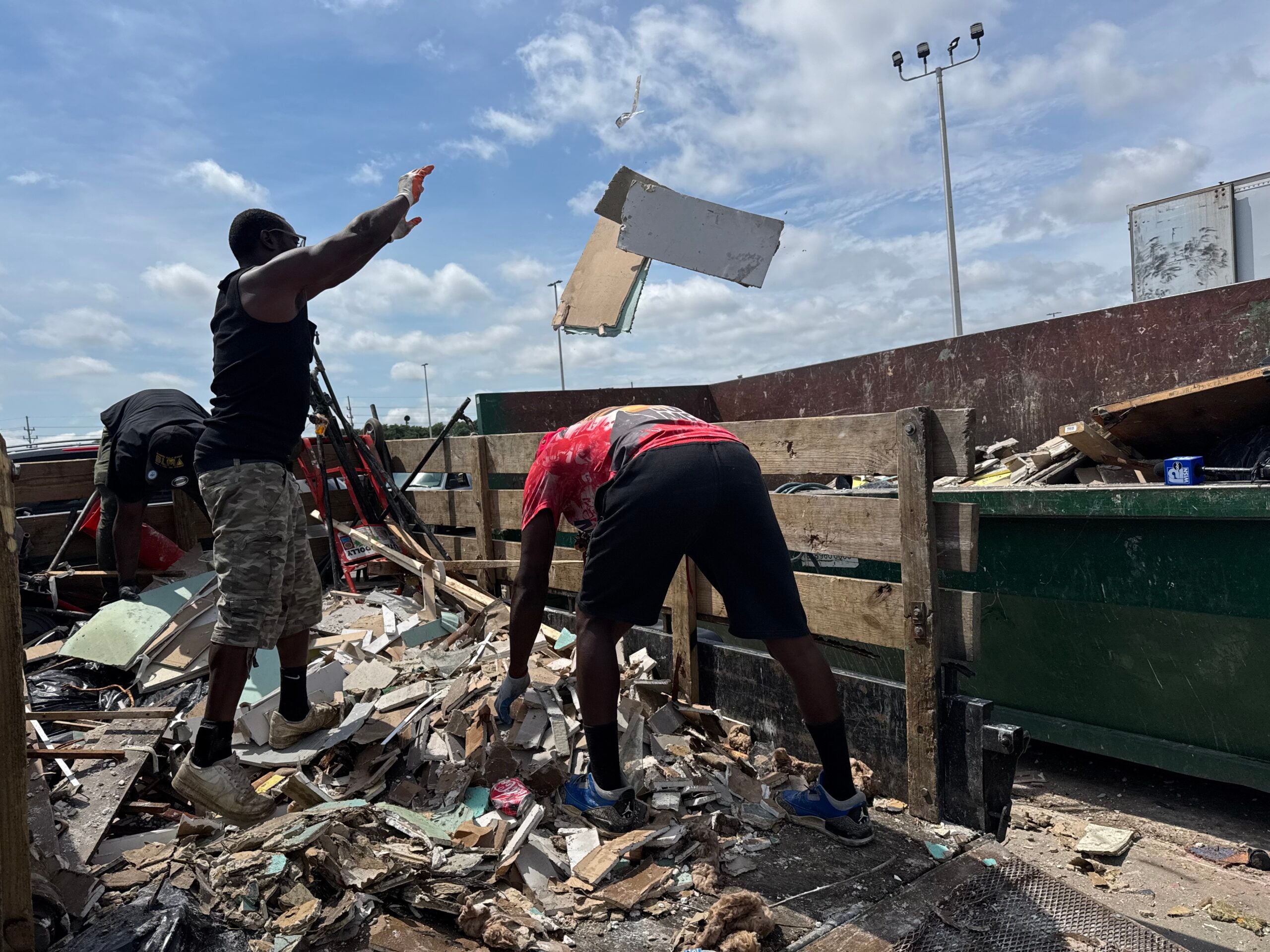
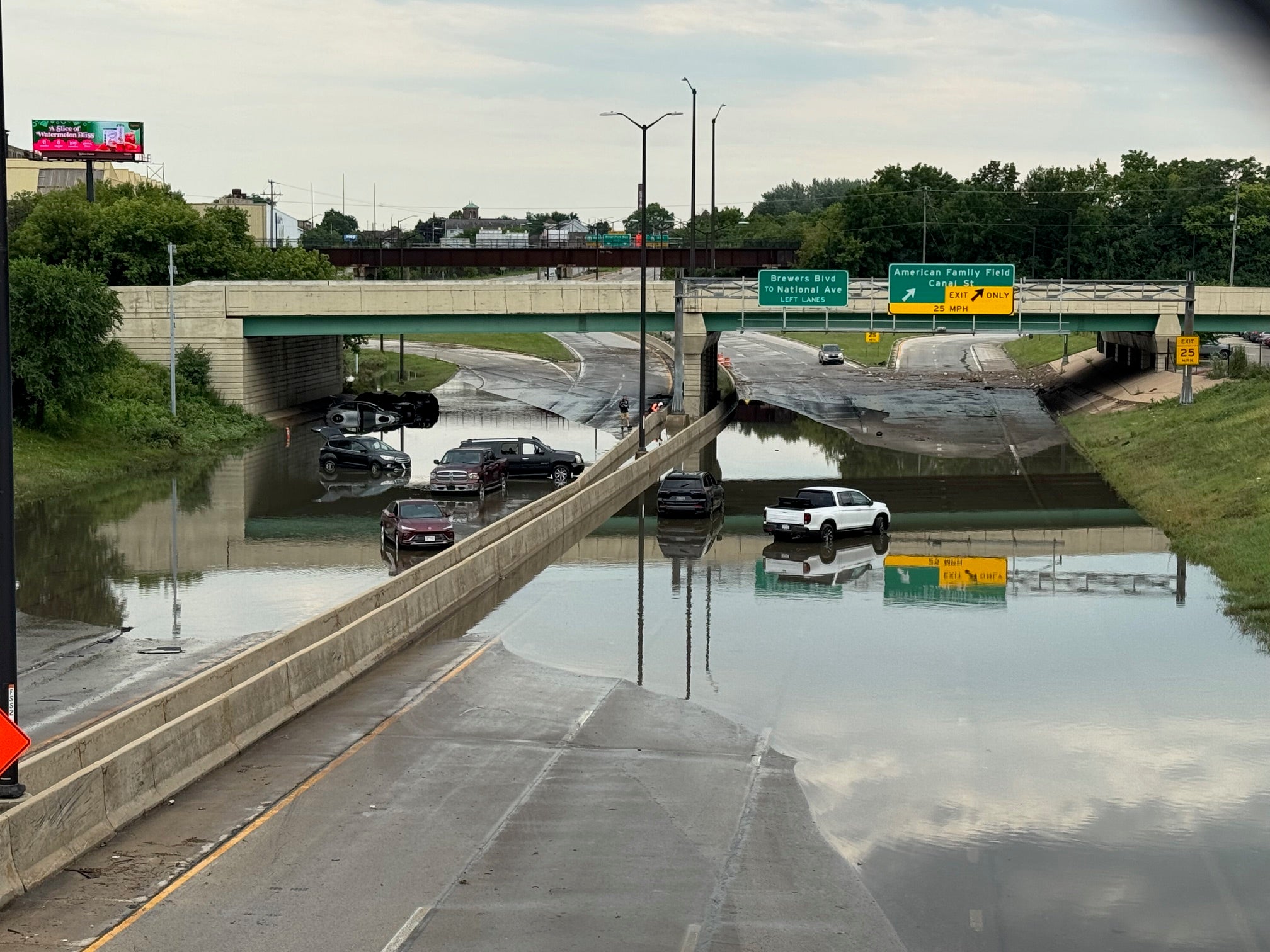
A state of emergency has been declared in Milwaukee County after southern Wisconsin experienced heavy rains and thunderstorms, flooding parts of Milwaukee and its suburbs, leaving thousands without power and causing widespread damage.
The state of emergency was declared Sunday afternoon, hours after parts of southeastern Wisconsin were placed on flood alert and some reported more than a foot of rain, according to Milwaukee Mayor Cavalier Johnson.
“This flooding event, it’s very significant,” Johnson said in a press conference early Sunday afternoon. “It’s something that Milwaukee hasn’t seen in perhaps a decade or more.”
News with a little more humanity
WPR’s “Wisconsin Today” newsletter keeps you connected to the state you love without feeling overwhelmed. No paywall. No agenda. No corporate filter.
As of Sunday afternoon, Johnson said there had been no fatalities, but property damage was extensive.
And Milwaukee County Executive David Crowley urged the public to exercise caution and stay home if possible as emergency management responds to flooded streets, downed trees and other hazards.
“We also want folks to understand that the flooding is still an active emergency situation all across Milwaukee County, and that we are expecting more more rain today and into this evening,” he said. “Please stay cautious, please stay informed and refrain from traveling if you can.”
As of Sunday afternoon, more than 16,000 homes in Milwaukee County were without power, according to We Energies.
Beginning early Sunday, after nearly 24 hours of rain, the National Weather Service warned of flooded roadways as thunderstorms lingered in the region, with rainfall rates of 1 to 2 inches per hour through early afternoon.
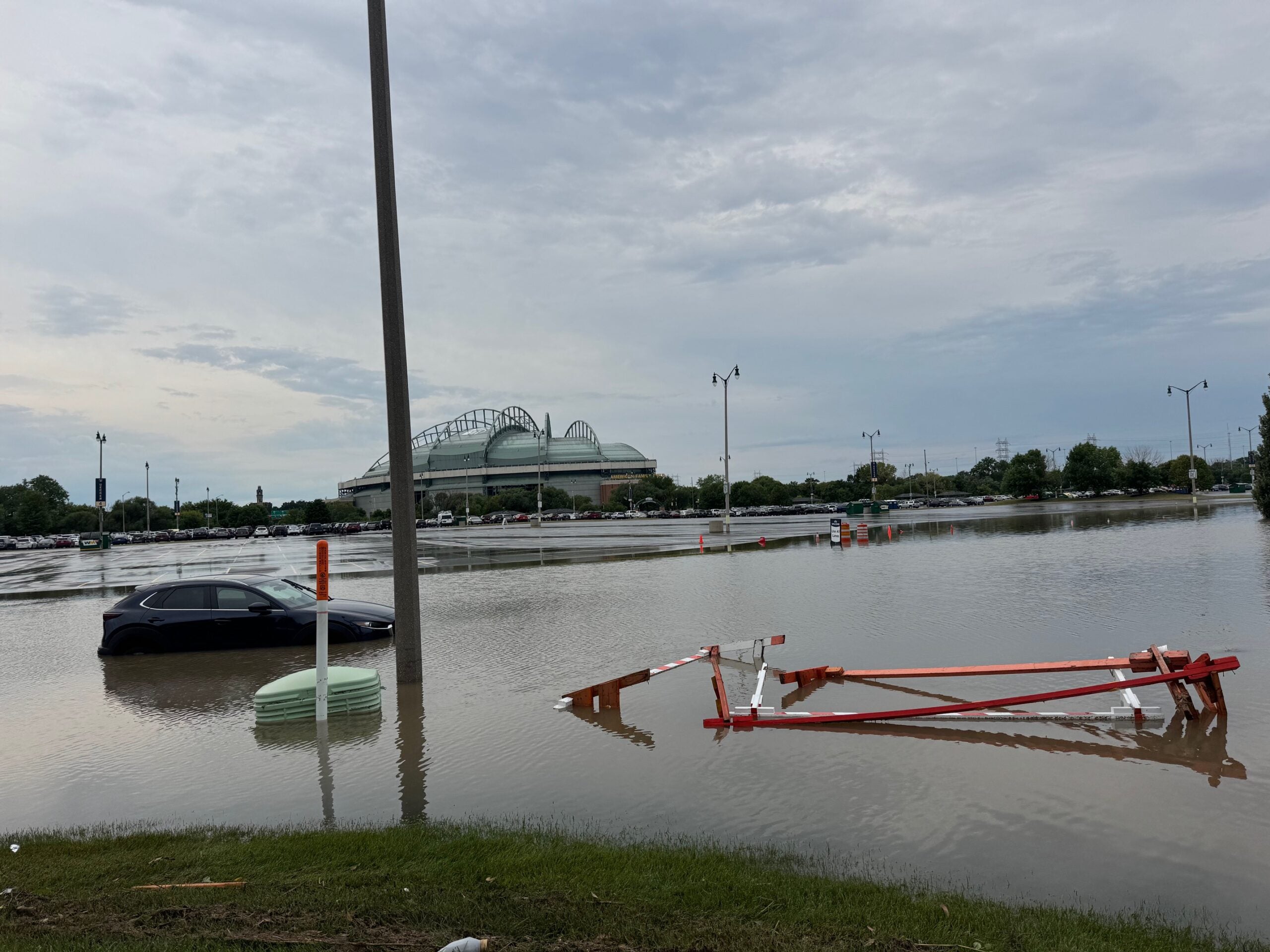
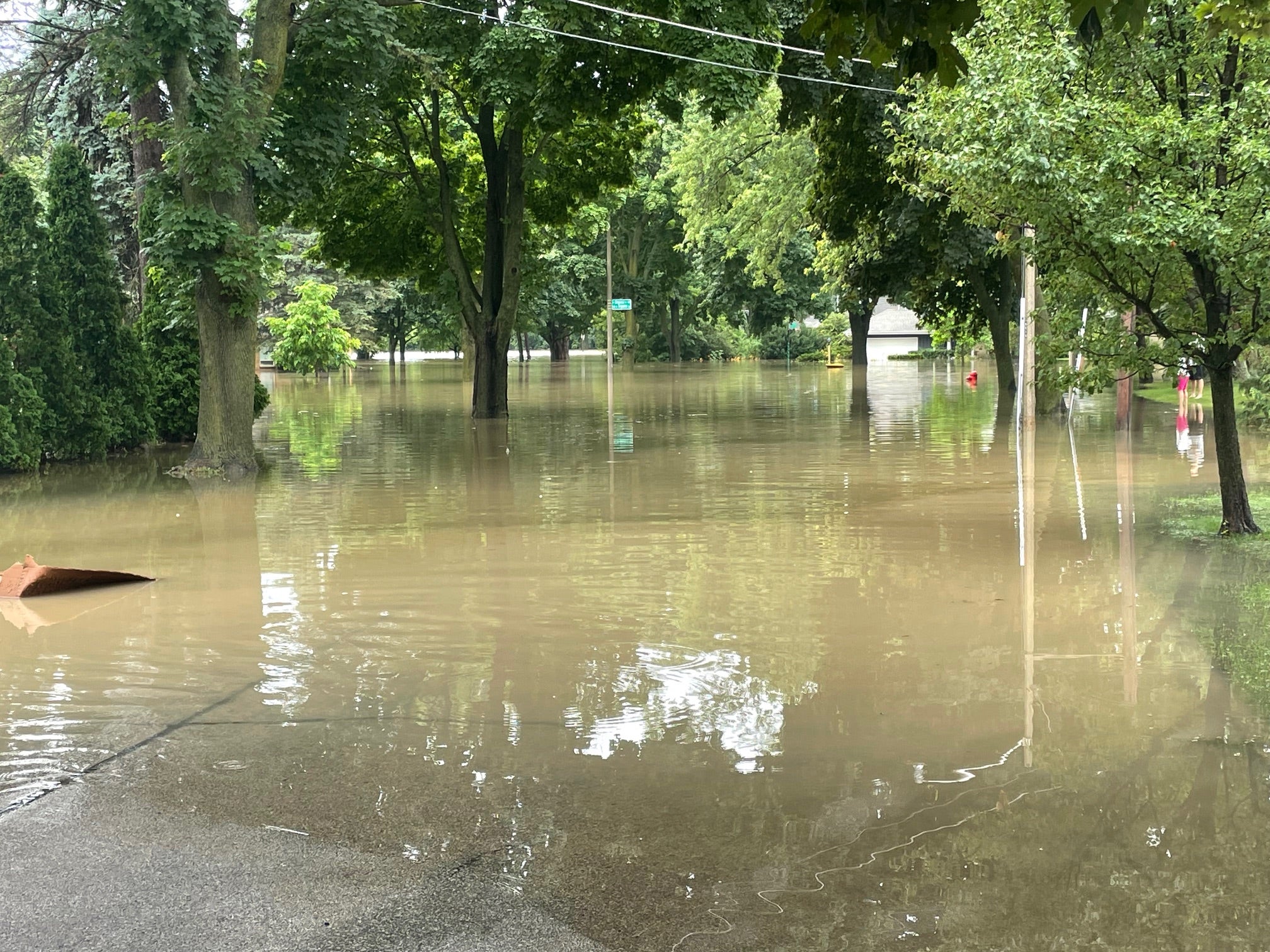
The rain amounts to a record-breaking weather event for the city of Milwaukee, according to the National Weather Service. A total of 5.74 inches of rain fell on Saturday, more than three times greater than the previous daily rainfall record of 1.64 inches of rain.
And it set a new record for the height of the Milwaukee River at Estabrook Park, in the northern suburb of Shorewood. Early Sunday morning, the river there reached 10.52 feet, up from 3 feet from Saturday evening.
The flooding has not affected Amtrak service or flights in and out of Milwaukee’s Mitchell International Airport, according to representatives.
But traffic had become blocked in parts of the city from cars getting stuck, which can pose a threat to emergency responders and their vehicles, said Aaron Lipski, chief of the Milwaukee Fire Department.
He said his team began responding to reports of exploded transformers, downed power lines and natural gas leaks beginning on Saturday night, and they performed dozens of water rescues.
“We’ve been telling people over and over and over again: Don’t drive through the water,” he said.
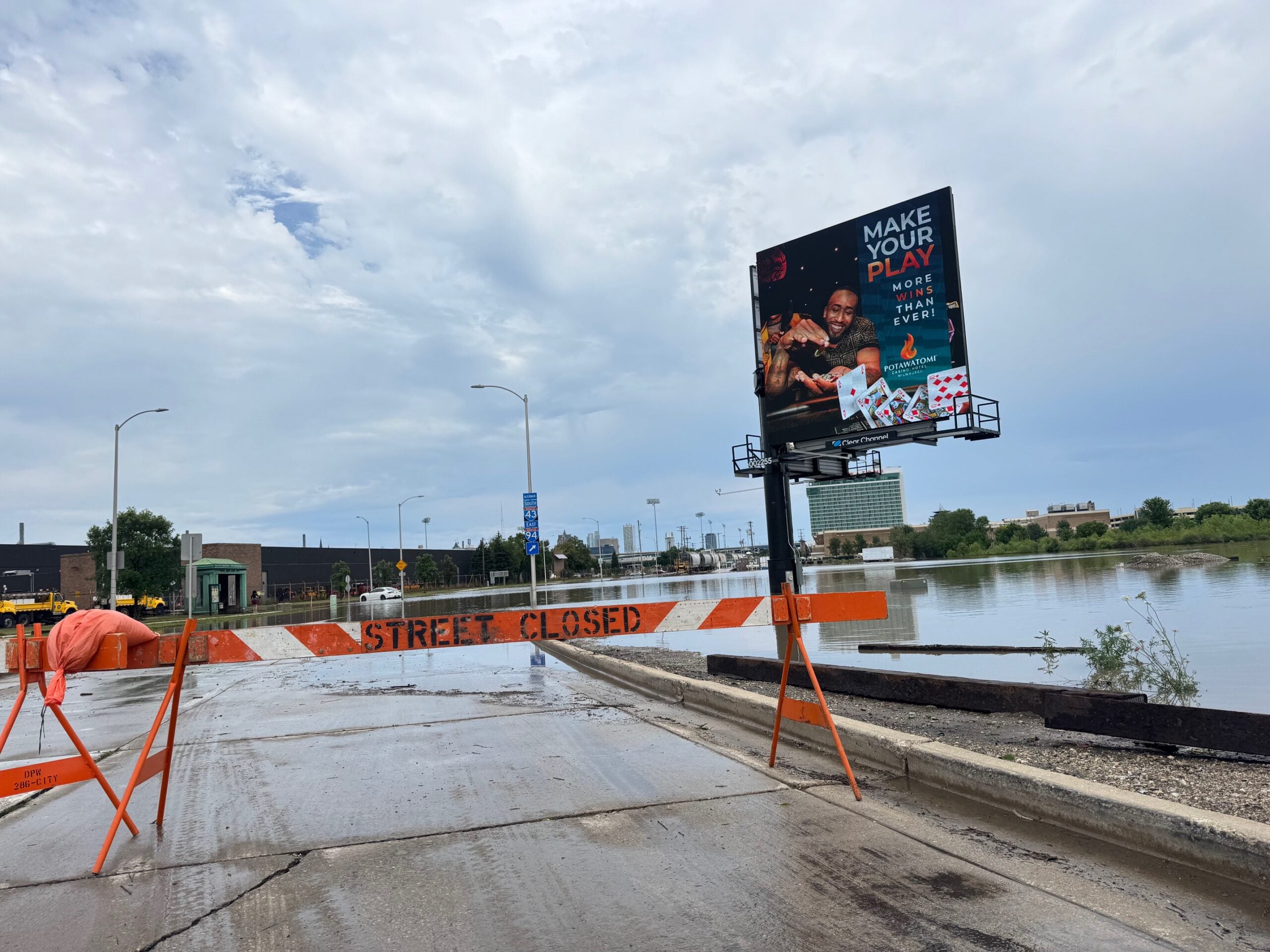
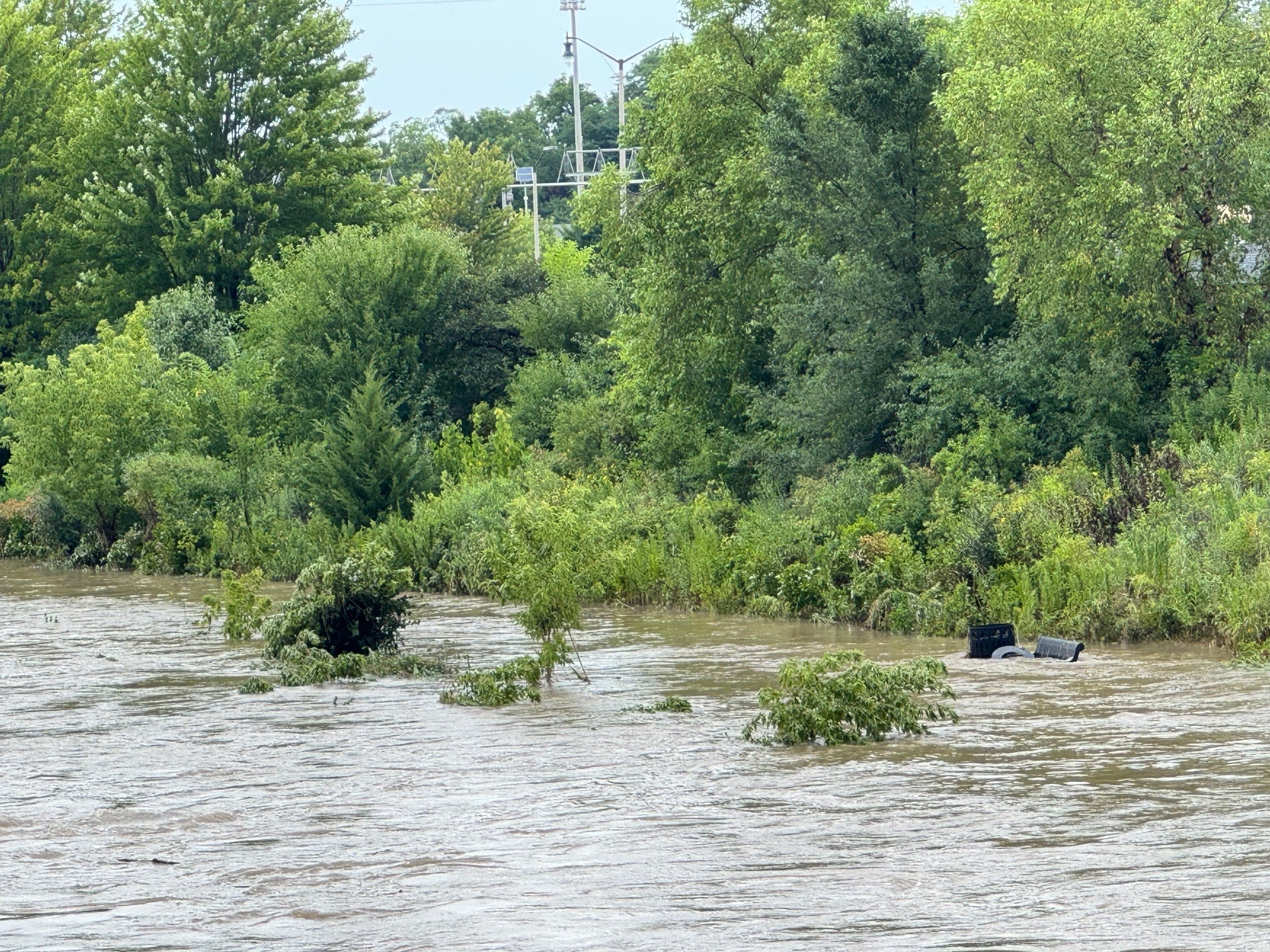
On Saturday evening, the storms forced an early closure of the Wisconsin State Fair. Fair officials announced Sunday morning that the event would not open for what would have been its final day of the season.
The flooding comes as a “slow and chaotic” storm system with “intense rainfall rates” moves across the Great Plains and Midwest, according to the NWS.
How to stay safe in a flood situation
More than half of all flood-related deaths happen when people drive into hazardous flood waters, according to the Centers for Disease Control and Prevention. Officials urge drivers and others who encounter flooded roadways to “Turn Around, Don’t Drown.”
A flood watch for the entire region will remain in effect until Monday morning as more rain is expected to fall on already-saturated ground.
Public officials on Sunday also offered additional tips for staying safe as flooded homes and streets can hold unseen hazards, including dangerous contaminants and downed or exposed electrical wiring.
Those tips include staying out of the flood water and remaining at home, if possible. If investigating a flooded basement, officials encouraged wearing rubber boots, goggles and gloves.
Michael Totoraitis, Milwaukee’s health commissioner, also said people should wash their hands after interacting with anything that’s been touched by flooding, which could contain contaminants and sewage.
“If you do have to interact with the flood water, make sure you’re washing any open wounds that you have,” he said. “And also assume that any food or medication, anything that you’re going to consume that is stored in the basement that has come into contact with flood water, whether that’s in plastic or not, assume that it’s been contaminated and just throw it away.”
People experiencing power outages should also keep an eye on their refrigerators, he added. If the temperatures go above 40 degrees for more than four hours, “you will have to throw that food away.”
“If you’re in doubt, just throw it out,” he said.
WPR’s Rob Mentzer contributed.

Wisconsin Public Radio, © Copyright 2026, Board of Regents of the University of Wisconsin System and Wisconsin Educational Communications Board.