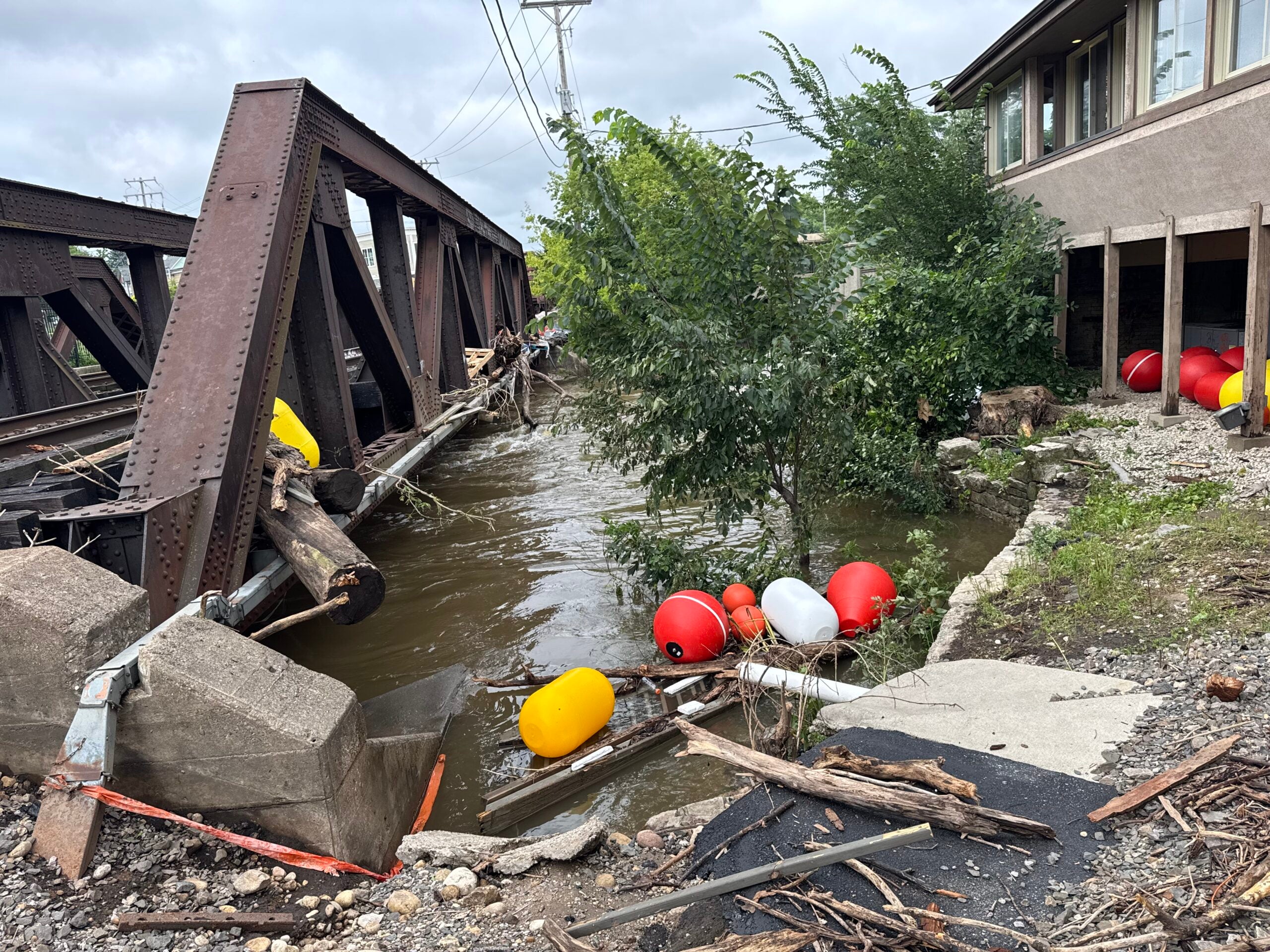
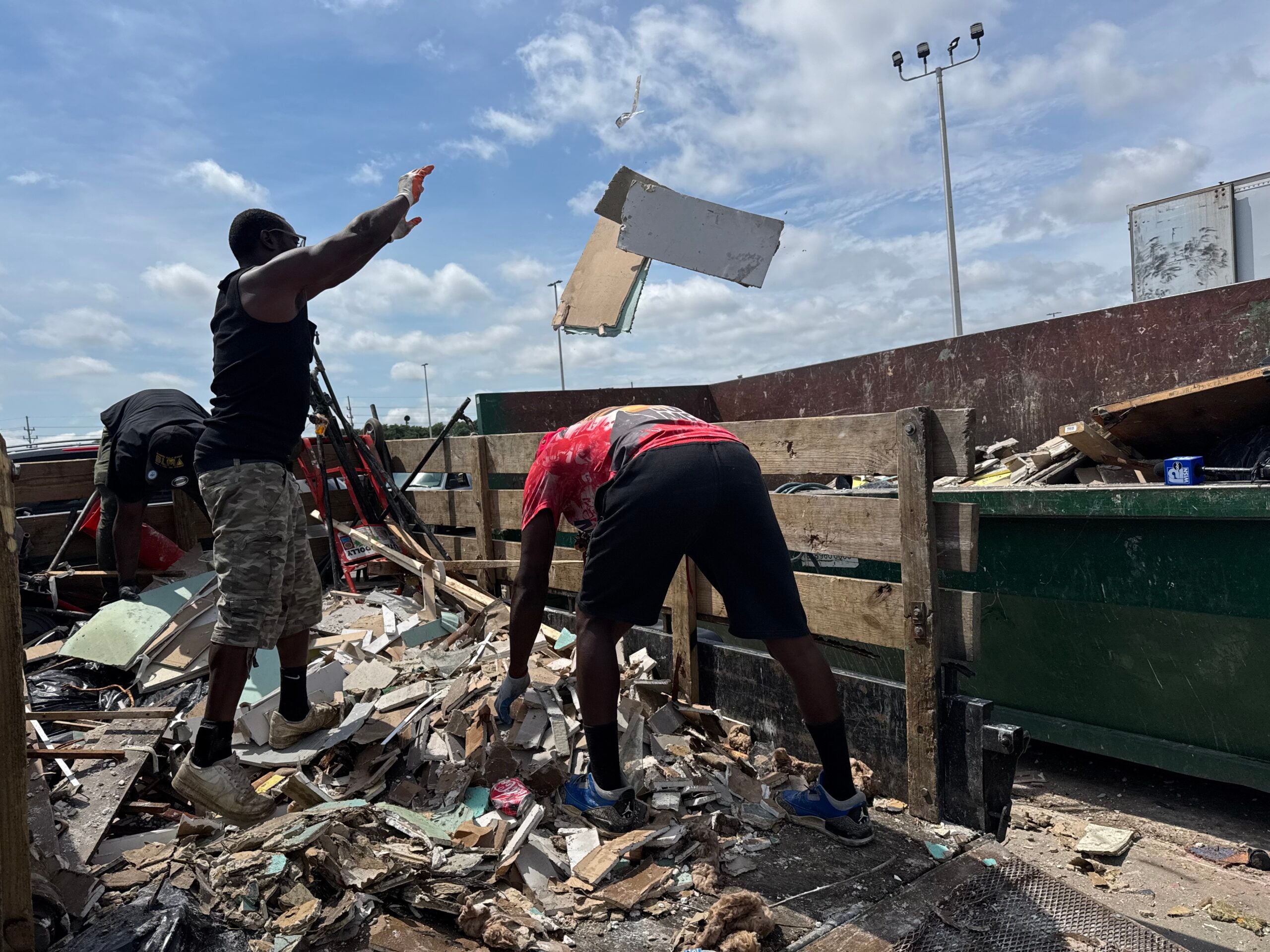
Southeastern Wisconsin is starting to assess damage and clean up from record-setting flash flooding over the weekend.
Though no serious injuries or fatalities were reported to police, as many as 50,000 homes were without power and emergency response officials have compared the damage to that of a major hurricane.
After declaring a state of emergency on Monday, Gov. Tony Evers formally requested Wednesday that President Donald Trump declare a disaster for the area so it can receive federal aid from the Federal Emergency Management Agency, or FEMA.
News with a little more humanity
WPR’s “Wisconsin Today” newsletter keeps you connected to the state you love without feeling overwhelmed. No paywall. No agenda. No corporate filter.
Milwaukee County Executive David Crowley said he thinks the damage in the area will meet the necessary thresholds to receive FEMA support.
Crowley joined WPR’s “Wisconsin Today” to share what he’s seeing on the ground in Milwaukee County and what resources are available for those affected by the flooding.
The following was edited for clarity and brevity.
Kate Archer Kent: Can you paint us a picture of what kind of damage you’re seeing in Milwaukee neighborhoods? What are residents up against?
David Crowley: We haven’t seen a storm like this in quite some time. I want to say back in 2010 is the last time we’ve seen a flood of this magnitude. I can tell you that we’ve seen a lot of damage. Right now, you have communities who have been hit a few different times, when you think about the 2010 flood and what we experienced over the weekend, and people are devastated. People are looking for help. There are many families, seniors, people with disabilities, who are leaning on their neighbors every single day to help clean up the mess in their basements.
We need to make sure that folks are also calling the Red Cross and getting involved in volunteering if you can because people need that assistance. This isn’t something that we experience consistently. This is nothing that we’re used to or prepared for. But I will say, Milwaukee County, we are a resilient community, and it’s great to see our neighbors, our businesses and people really stepping up and really leaning on one another as we go through this recovery process.
KAK: You’ve been encouraging people to call 211 to report their damage. What can 211 do to help affected residents and what information do they want from people?
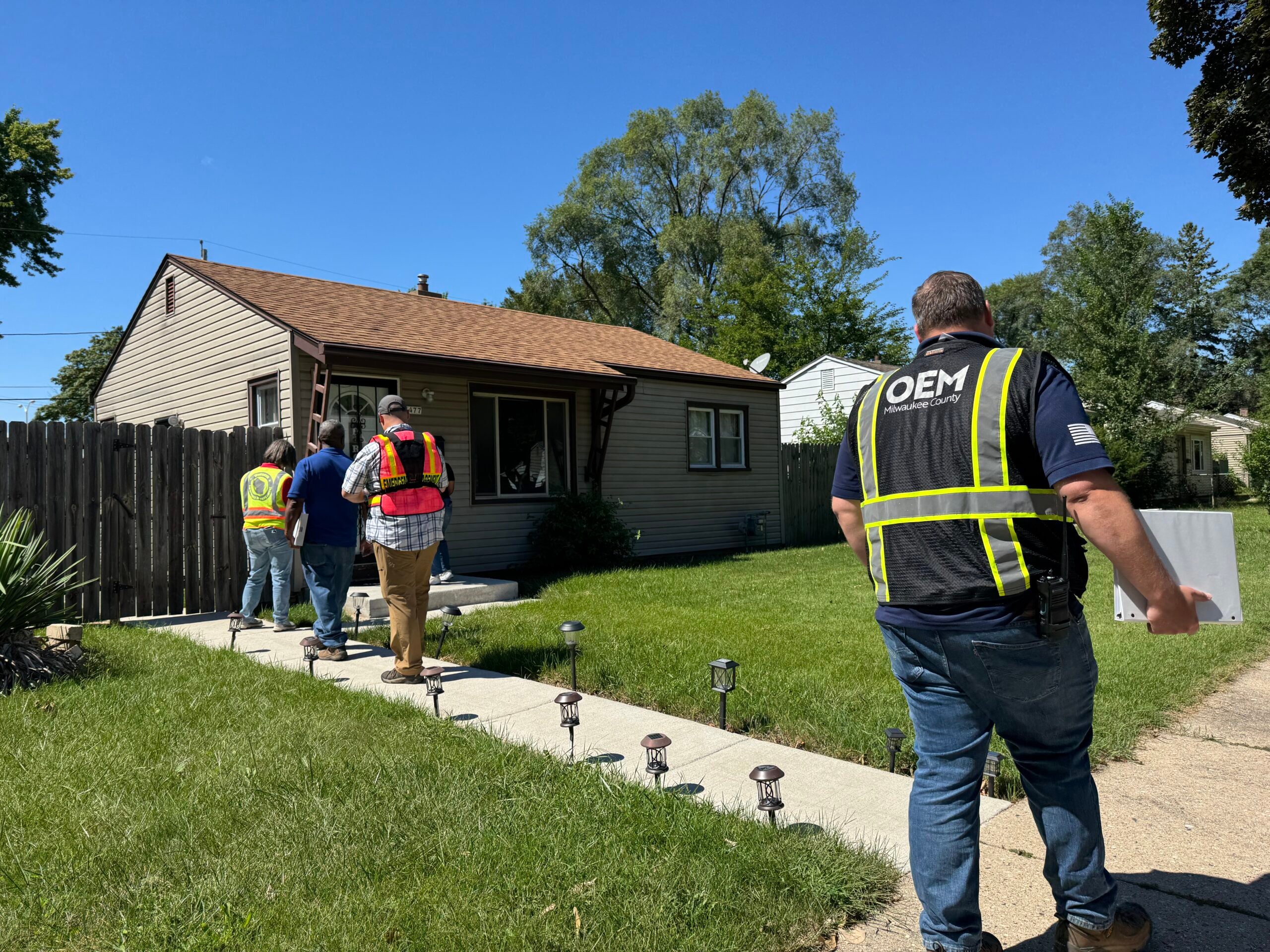
DC: 211 is giving the opportunity for us, one, to track what calls are coming in and utilizing that data to deploy our damage assessment teams to make sure that we’re looking at what exactly is going on in each different neighborhood and municipality. We are collecting that data through 211. I want folks to know that we understand that there may be some long wait times but to have some patience.
There are also resources that you can receive through 211. We also want to strongly encourage our residents to visit our website. This way, you can stay up to date with important information and guidance on how to react and how to actually volunteer, as well. We’re going to continue to update that website on a rolling basis. But 211 is going to help navigate people to other resources folks may need, whether they need to replace spoiled food, whether they need shelter and things of that nature.
KAK: What kind of assistance are you hoping to receive from the federal government?
DC: Based on what we’re finding, I truly believe that residents will qualify for individual assistance. I’ve heard that FEMA representatives will be arriving in Milwaukee County as early as Monday to begin some of their work on the ground. I believe there’s more information coming on that, but it’s important to know that we’re going to need FEMA to come in and do their assessment in order to get that presidential declaration to receive some type of assistance.
I truly believe with the damage that we have seen to businesses, residents and to public spaces, we do qualify for that level of a declaration. I can tell you that we’ve had more than 4,500 calls coming to 211 to report property damage, and we’ve had more than 1,500 properties that have been inspected thus far. And so we believe that we reach that threshold for that emergency declaration.
KAK: What kind of threshold do you need to clear to qualify for that FEMA support?
DC: I don’t know the (exact) threshold off the top of my head, but it’s a formula that FEMA has that says we can receive assistance. Now, just because you reach that threshold does not mean that we’re going to receive the resources that we need to recover. So it is our hope that when FEMA comes on the ground, not only will we be able to give them our report of the damage assessments, but as they assess the damage, we’ll be able to get some level of support.
What that threshold looks like … will we get that support again? Only time will tell. But I do hope that folks understand that this isn’t about politics. This is about the people of Milwaukee County. This is about the people in southeastern Wisconsin and across this state. So we need everyone to really come together to support the residents and the families that’ve been impacted by this.