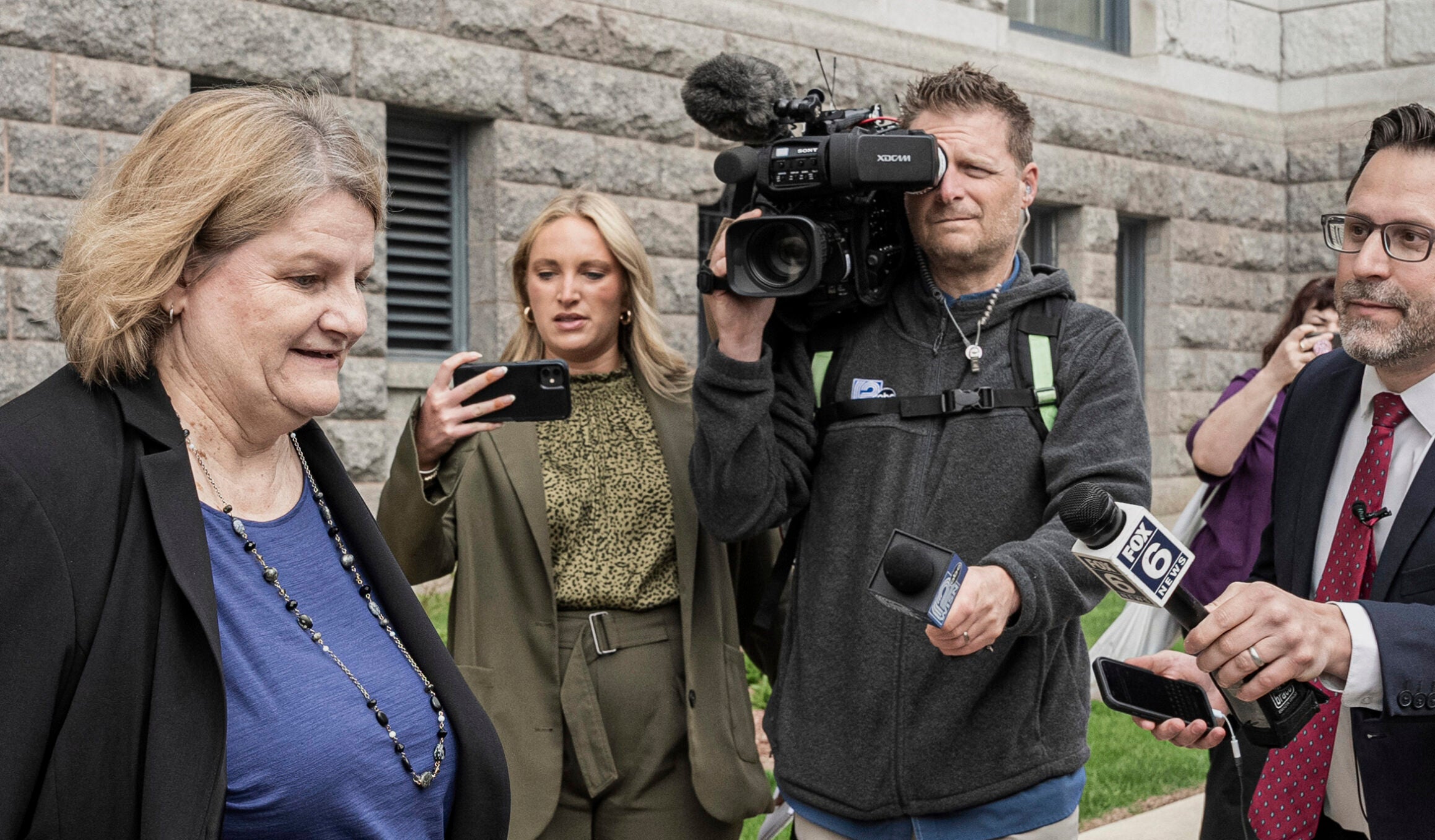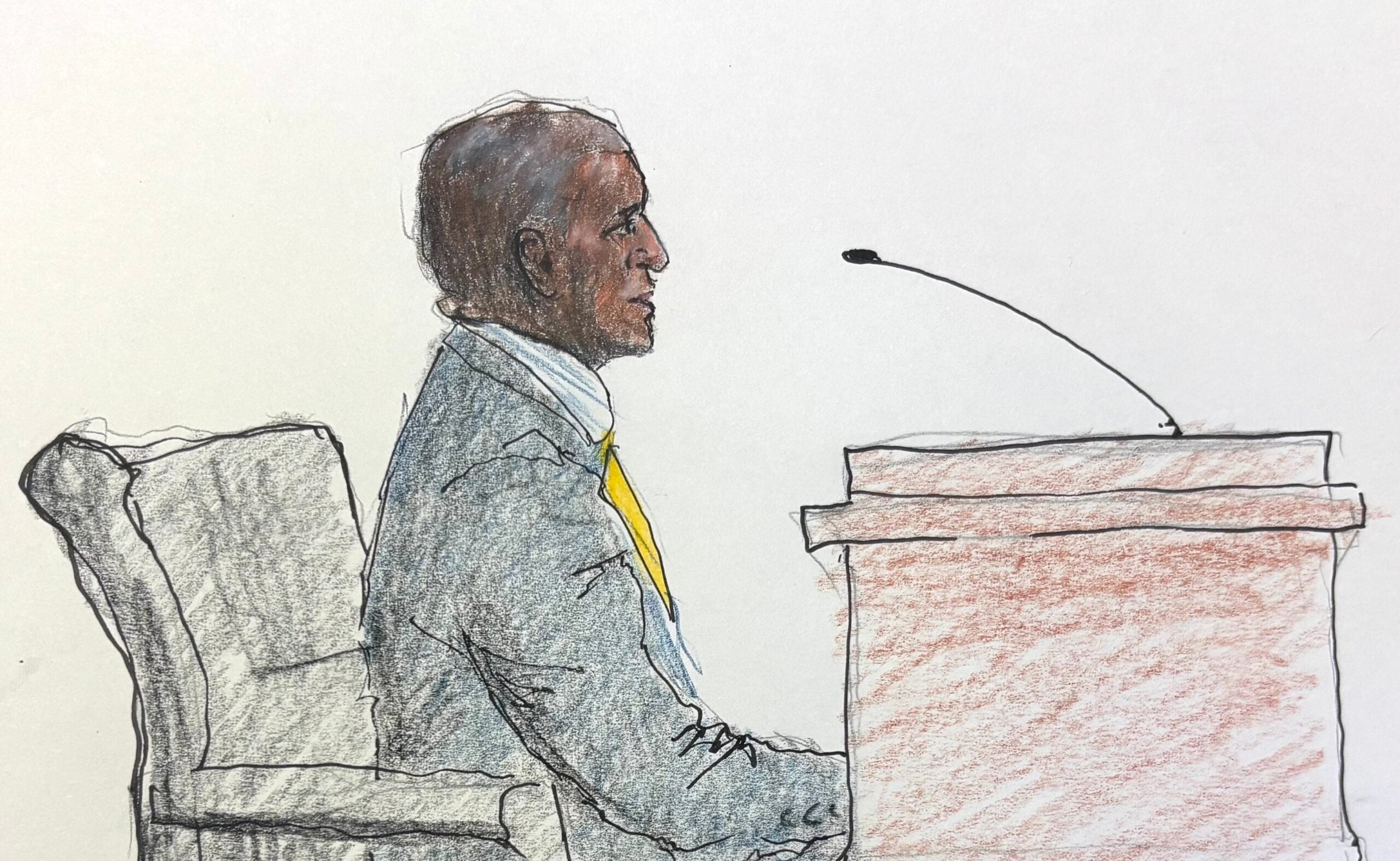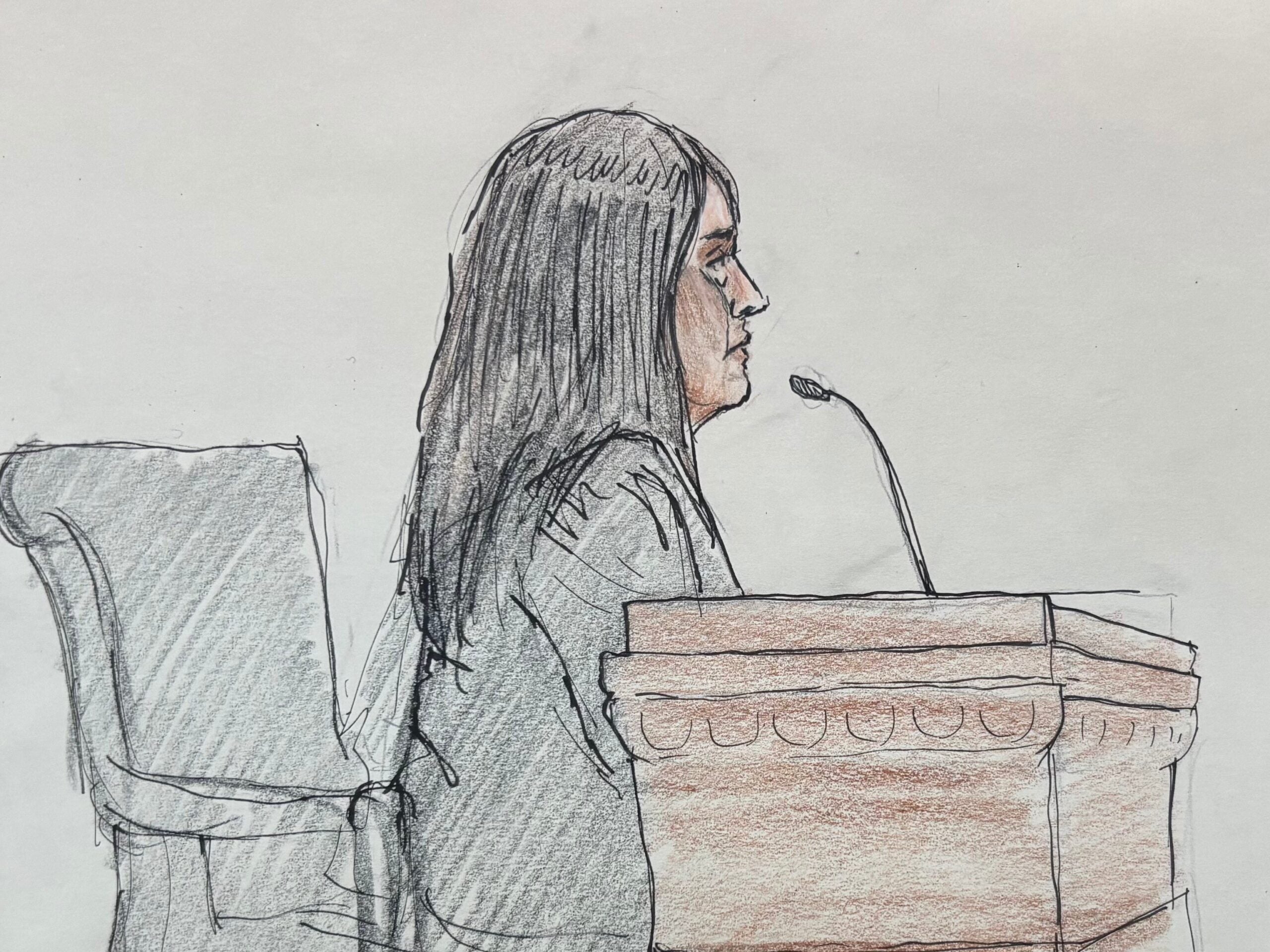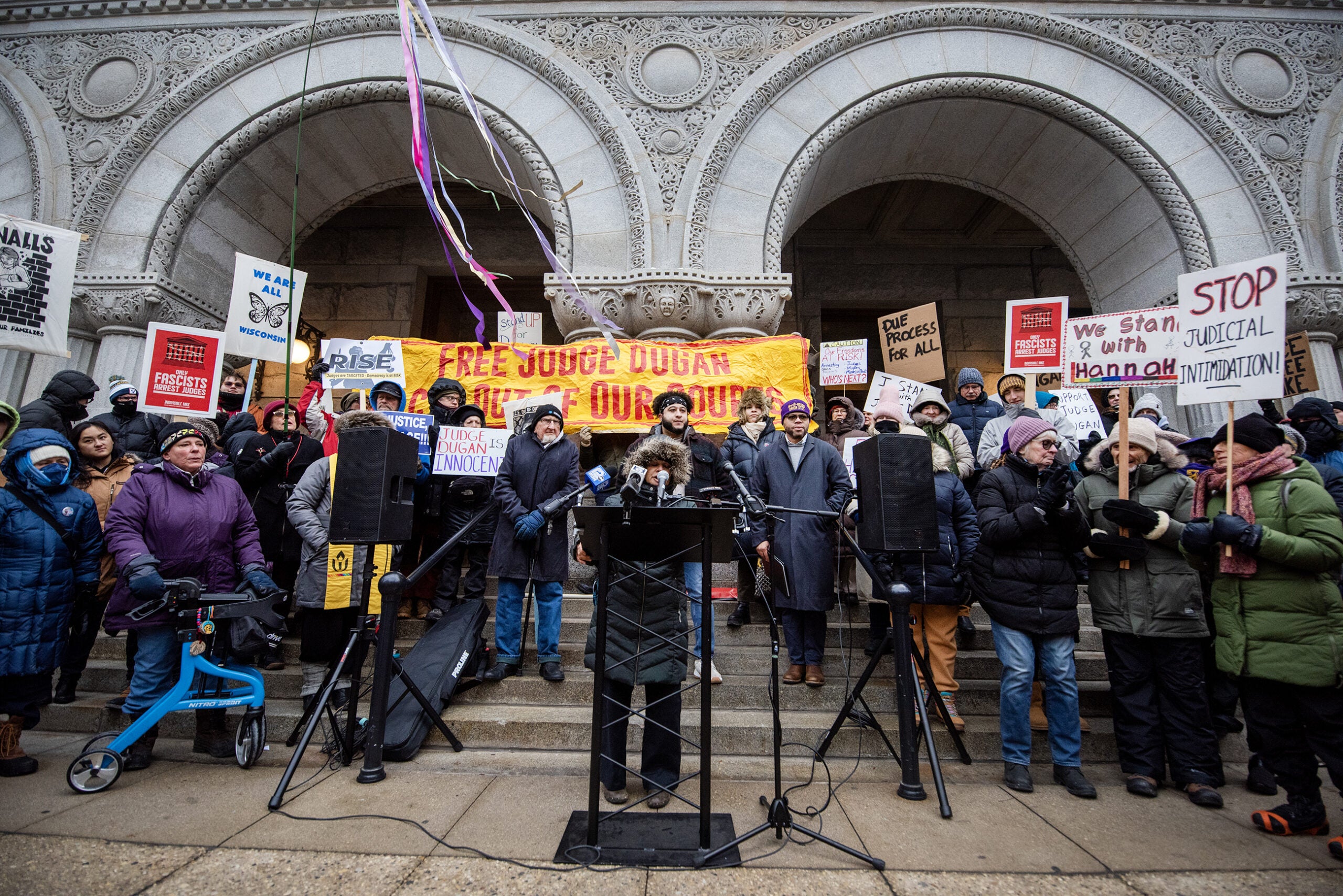
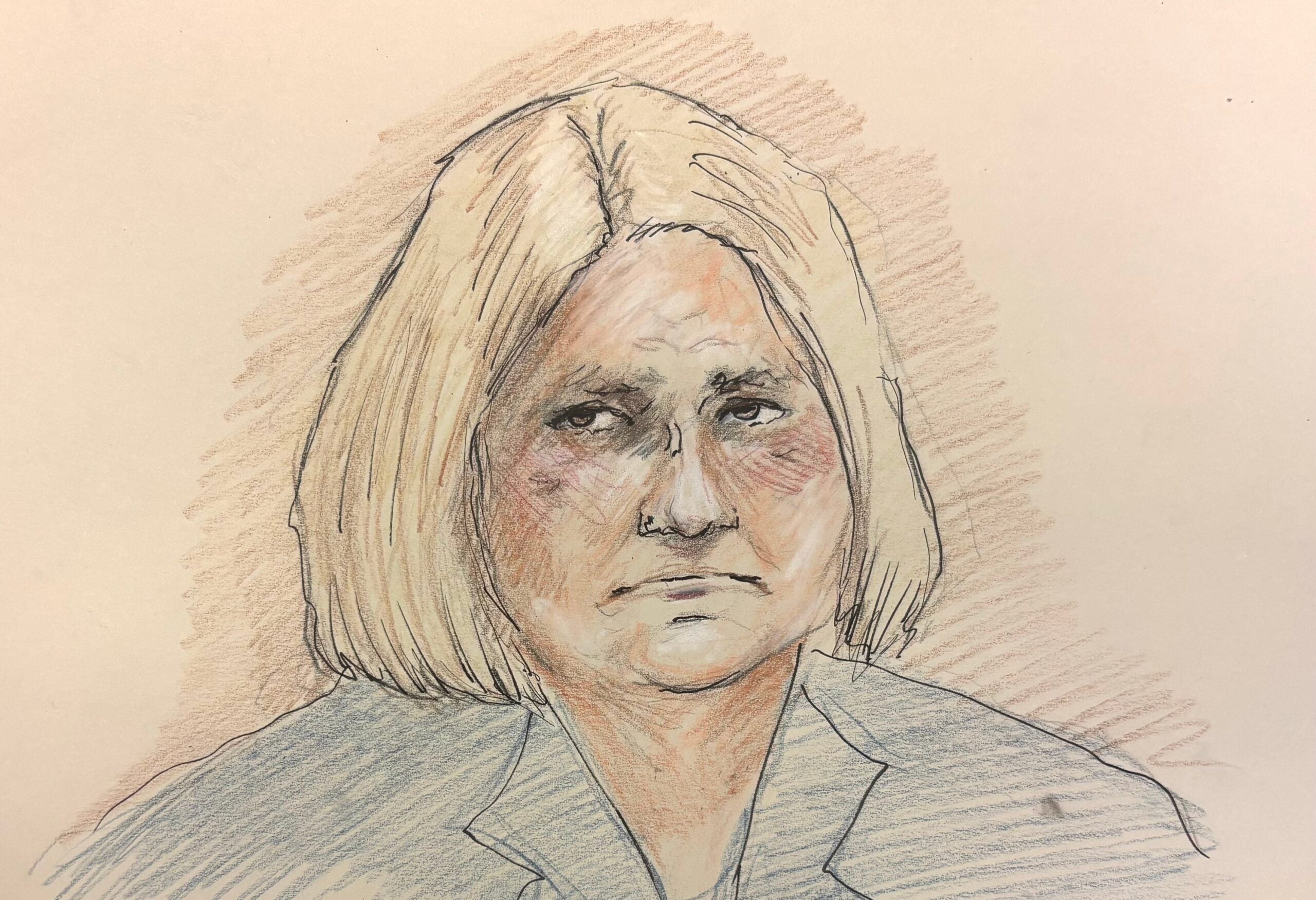
The defense rested Thursday in the high-profile criminal case against Judge Hannah Dugan without calling Dugan to the stand to testify.
“The defendant has made a decision to exercise her constitutional right not to testify,” Dugan’s attorney, Steve Biskupic, told the court Thursday morning.
Dugan, a 66-year-old Milwaukee County judge, faces charges of impeding a proceeding and concealing an individual to prevent his arrest.
News with a little more humanity
WPR’s “Wisconsin Today” newsletter keeps you connected to the state you love without feeling overwhelmed. No paywall. No agenda. No corporate filter.
Federal prosecutors say she tried to obstruct immigration agents on April 18 after they showed up at the courthouse to arrest a man for being in the country illegally.
But in arguments Thursday morning, Dugan’s lawyer’s emphasized the actions of immigration agents that led to the charges against Dugan were far from the norm at the Milwaukee County Courthouse.
Jurors hear from other judges about ICE arrests
Throughout this week’s trial, federal prosecutors have described courthouse arrests as a routine and safe way to take people into custody.
In contrast, defense attorneys have emphasized that Dugan was trying to navigate “uncharted waters” as best she could as Milwaukee County officials scrambled to adapt to a shift in federal policy. The defense attorney called multiple Milwaukee County judges to the stand on Thursday to underline that point.
On Thursday, defense attorneys returned to the topic of an email chain, which had been circulating before the April 18 incident that led to the charges against Dugan.
In that email thread, the county’s Chief Judge Carl Ashley described two immigration-related arrests that had taken place at the courthouse in early 2025. There was discussion of creating a system-wide policy, dealing with how court staff should deal with Immigration and Customs Enforcement’s presence at the courthouse.
In that chain, Circuit Court Judge Christopher Dee wrote that he has encountered law enforcement officers trying to arrest someone at the courthouse. Dee wrote that, in his experience, law enforcement officers have complied with his request to wait to make their arrest until after that person’s hearing was over.
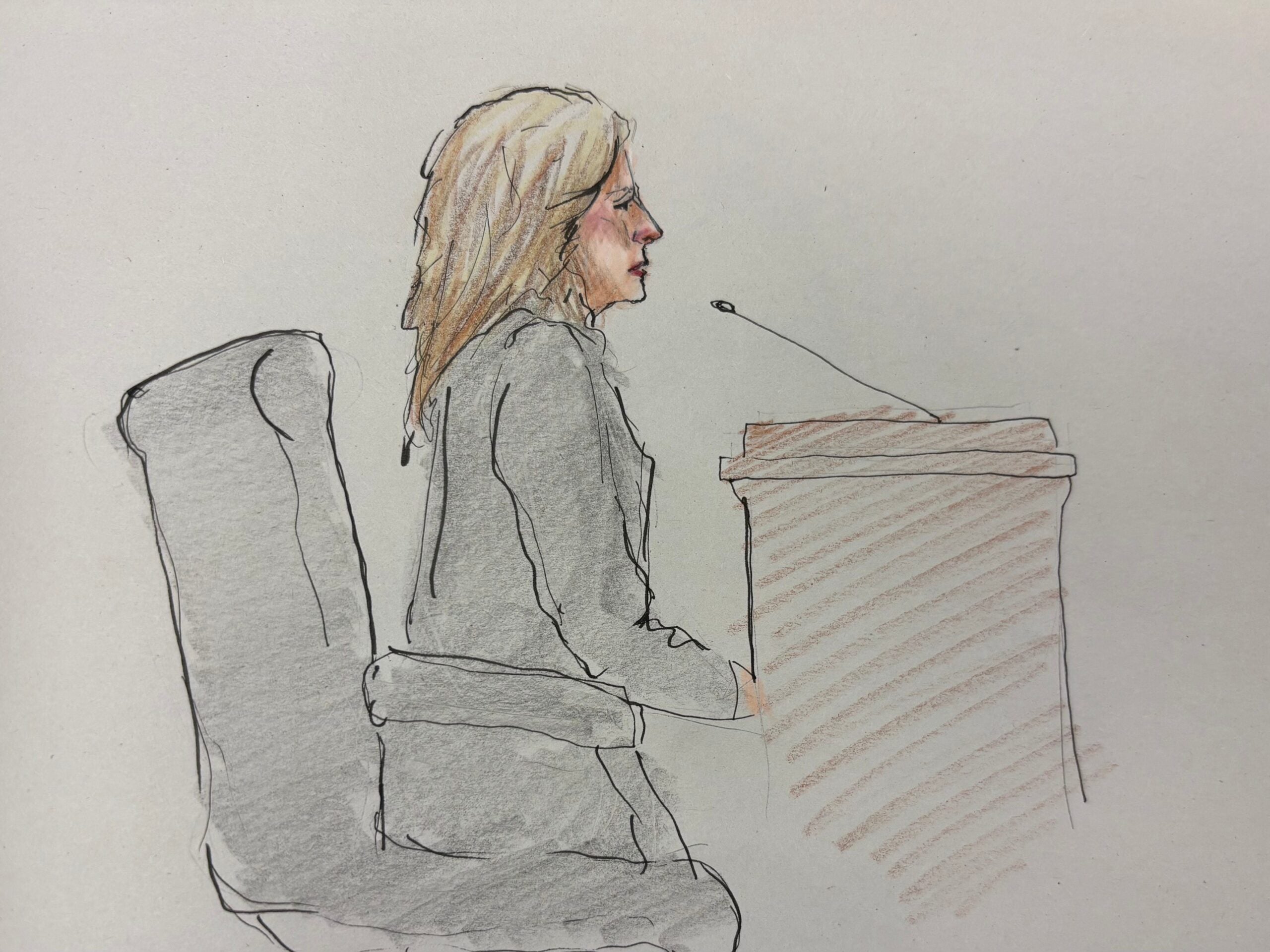
Milwaukee County Judge Katie Kegel described a different experience. In the email chain, she wrote that officers once “snatched” someone while he was waiting in her courtroom gallery for a hearing. Kegel told jurors that incident involved a drug-related criminal case.
Are immigration arrests at the courthouse ‘routine’?
Defense attorneys also pointed to another email in that thread, in which Milwaukee County Judge Nidhi Kashyap wrote that ICE arrests at the courthouse were “hardly routine.”
Kegel testified that arrests happened “sometimes” in courthouse hallways, but she did not use the word routine to describe them.
Federal agents have previously testified their plan was to arrest Eduardo Flores-Ruiz in a public hallway after his hearing on domestic battery charges concluded in Dugan’s courtroom. Agents testified they informed some court personnel about that plan.
That distinction may matter to jurors, since prosecutors have argued that, had Dugan not intervened, federal agents were planning to carry out their work in a way that would not disrupt courthouse operations.
In contrast, Dugan’s attorneys have cast her as a judge who used her discretion to manage her own courtroom as best she could.
A policy under President Joe Biden generally barred immigration arrests at or near courthouses, but that policy was reversed after President Donald Trump took office for his second term.
Trump administration officials, including U.S. Attorney General Pam Bondi, have emphasized that courthouses are secure place to make arrests, because the people involved have to go through medical detectors.
In Milwaukee County, advocates and local elected leaders have pushed back on ICE’s presence at the courthouse. They say it discourages immigrants from coming up to court, and makes them fearful about coming forward as victims of or witnesses to crimes.
In the email thread, some Milwaukee County judges seemed to echo those concerns, with one judge writing that people have been reluctant to show up to court.
Public defender testifies about taking pictures of agents
The defense also called Maura Gingerich, a public defender who was in the courthouse on April 18 and who took pictures of the plainclothes federal agents while they were in the courthouse hallway.
Gingerich said she planned to share the photos with her boss so she could get further guidance.
“It was stressful to see a number of what I thought were law enforcement agents on the sixth floor hallway not wearing uniforms,” Gingerich testified.
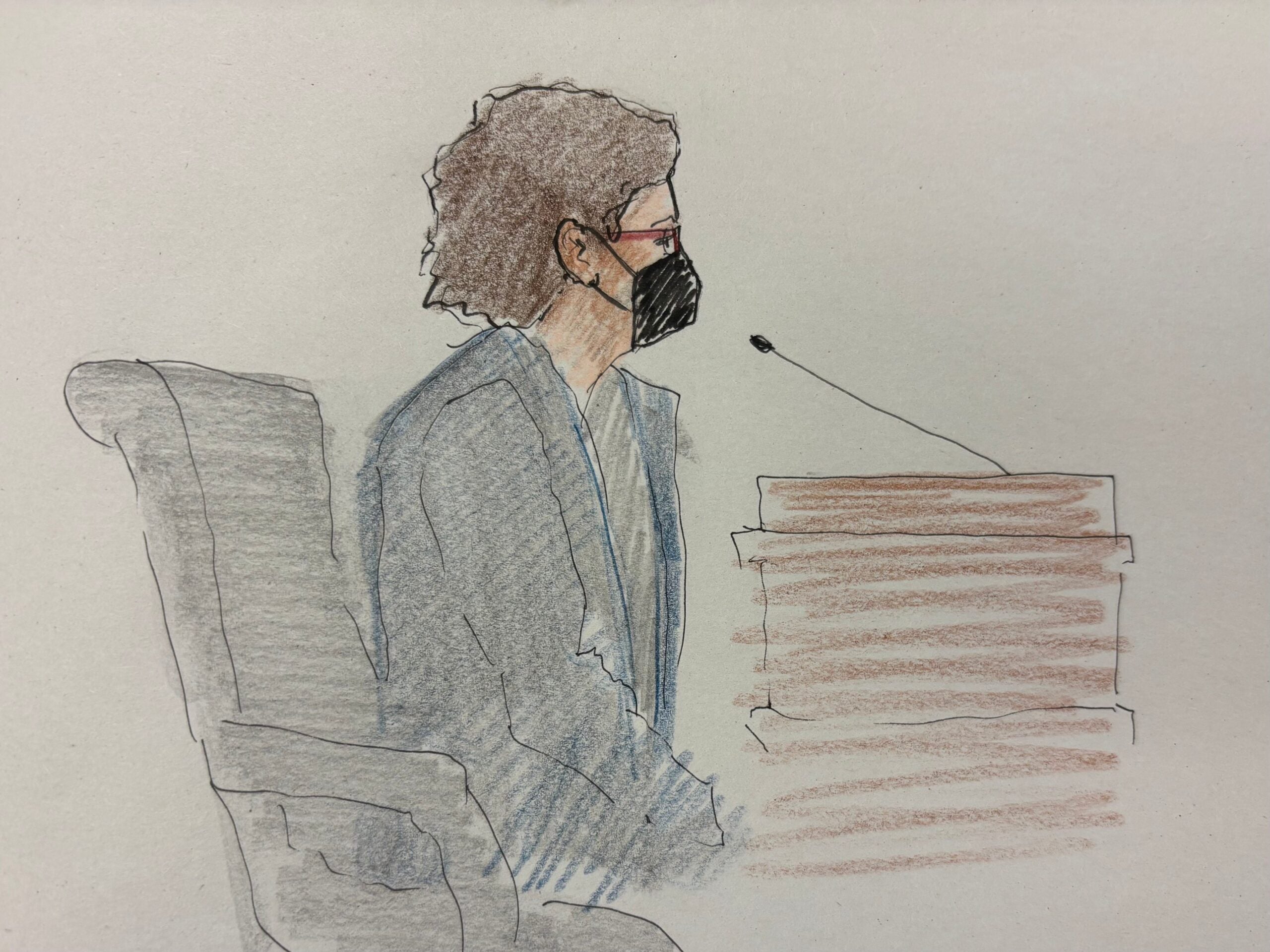
Prosecutors asked Gingerich whether she had thanked Dugan’s colleague, Judge Kristela Cervera, later on April 18.
Cervera testified on Tuesday that, at Dugan’s request, she had joined Dugan in the hallway to confront the federal agents. During that testimony, Cervera described her frustration with Dugan and said she felt “irritated” and “abandoned” by Dugan on the morning of April 18.
Gingerich said she didn’t recall exactly what she said. But Gingerich said, if she did thank Cervera, it would be in reference to Cervera confronting the federal agents and asking them to show a warrant.
Defense calls character witness Tom Barrett
The defense’s final witness was former Milwaukee Mayor Tom Barrett.
Barrett is a former Democratic member of the United States House of Representatives who also worked as an attorney.
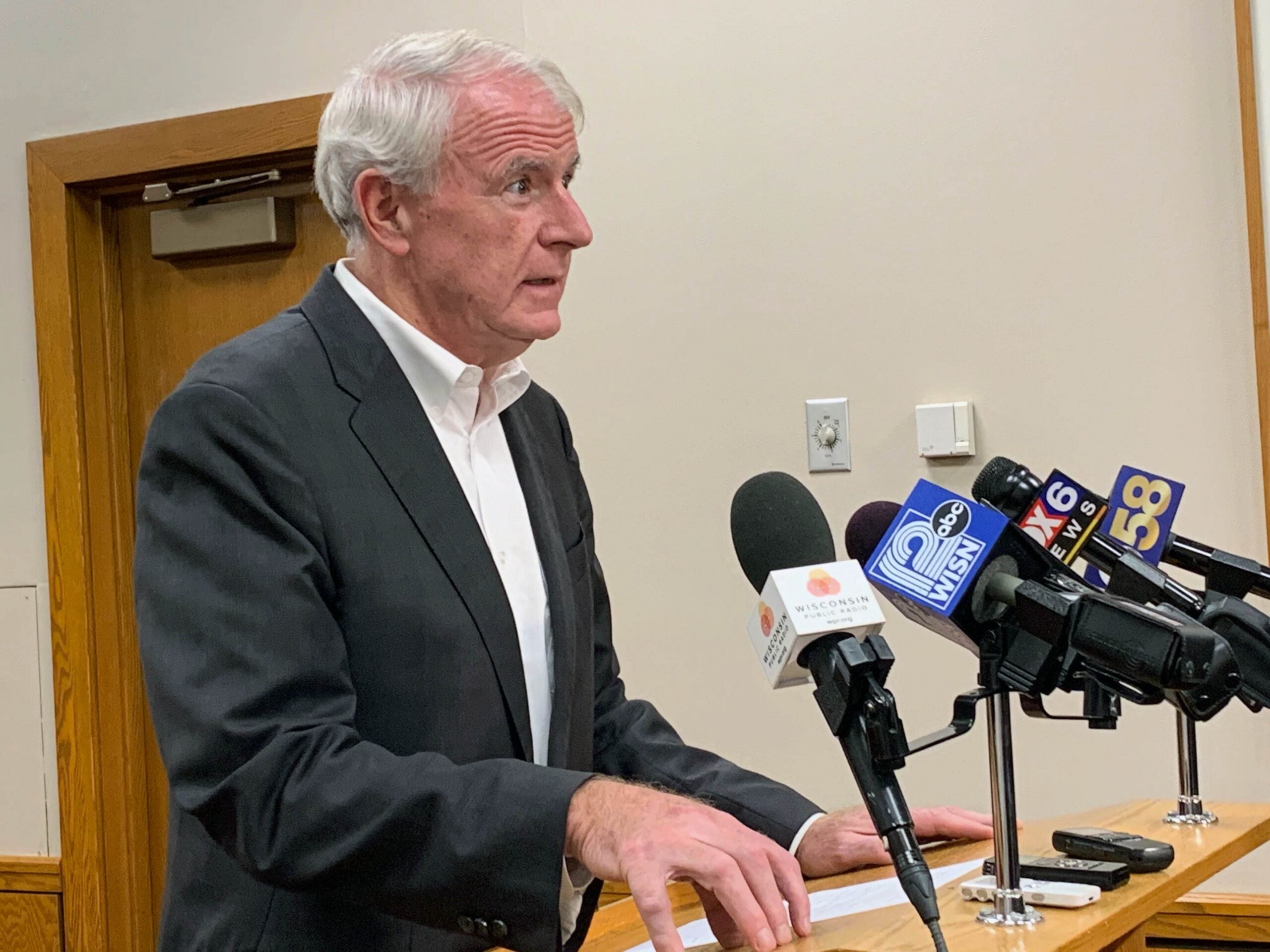
Barrett was not at the courthouse at April 18 and his testimony did not focus on what happened there that day. Instead, he served as a character witness. He said Dugan is a longtime family friend whom he’s known for more than a half a century, since she was 11 or 12 years old.
Barrett said Dugan has been involved with church work, as well as with organizations including the Legal Aid Society, the Social Development Commission and the Milwaukee Ethics Commission.
“She’s extremely honest,” he told the court. “She’s a good person.”

Wisconsin Public Radio, © Copyright 2026, Board of Regents of the University of Wisconsin System and Wisconsin Educational Communications Board.