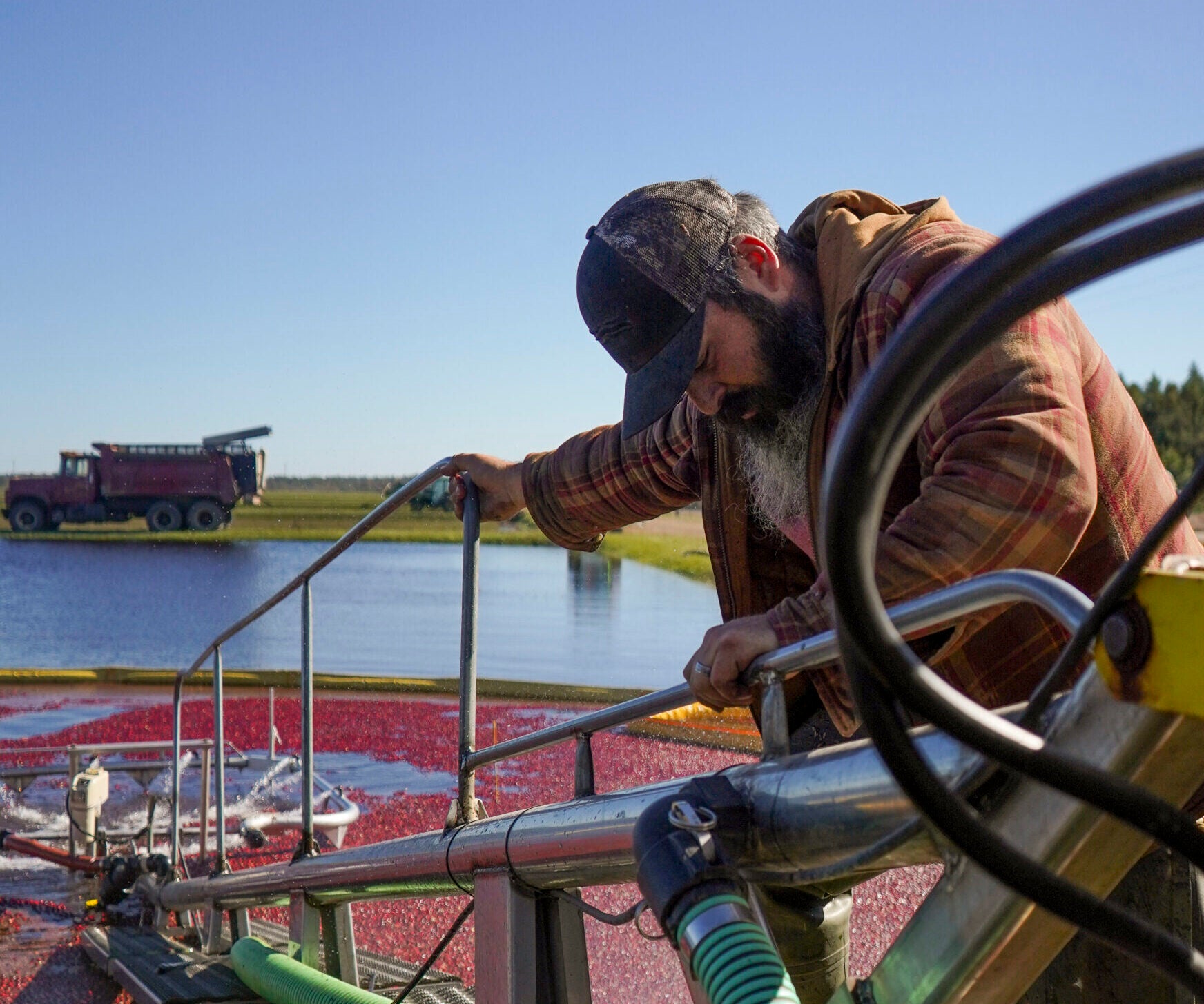
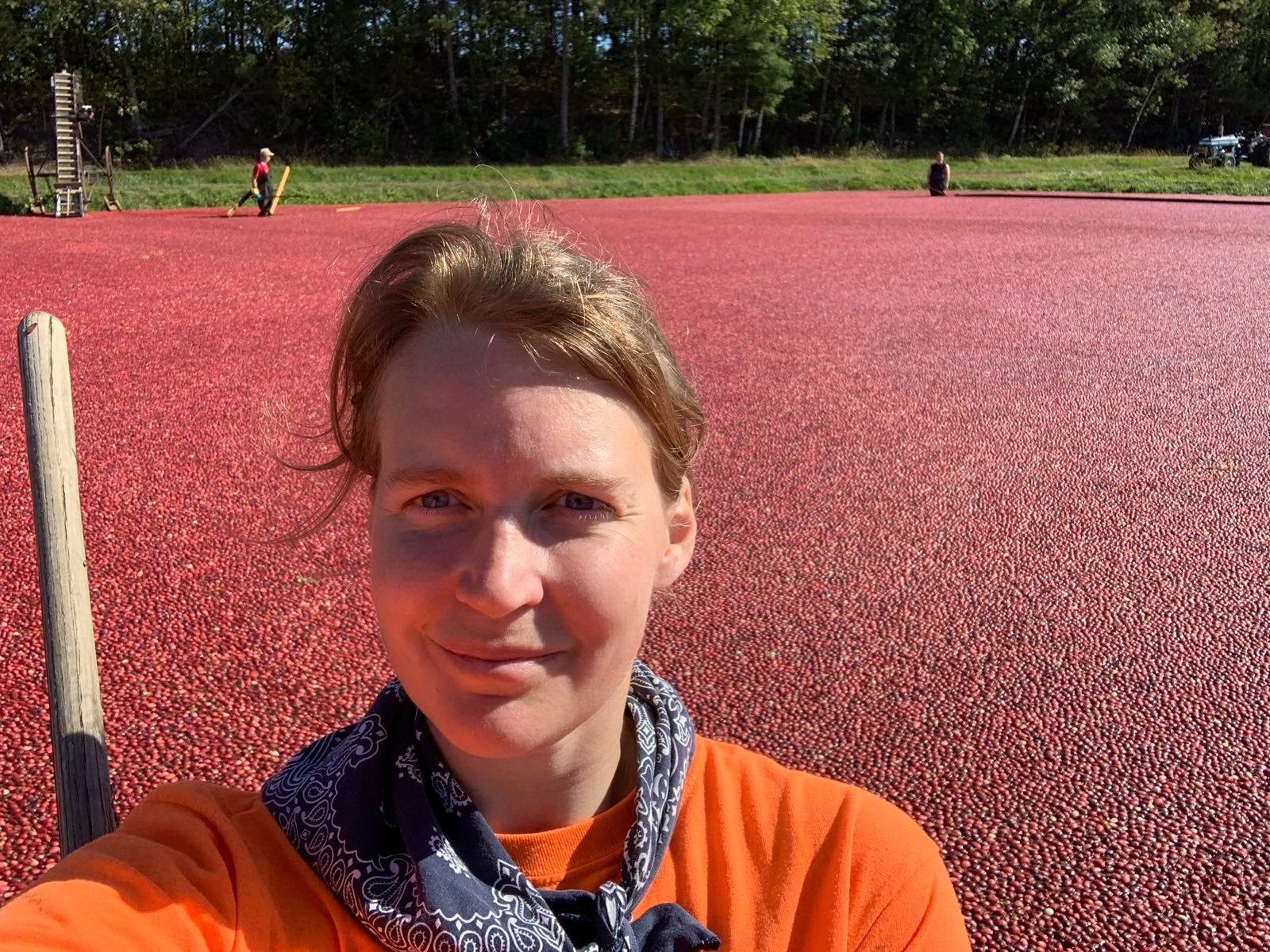
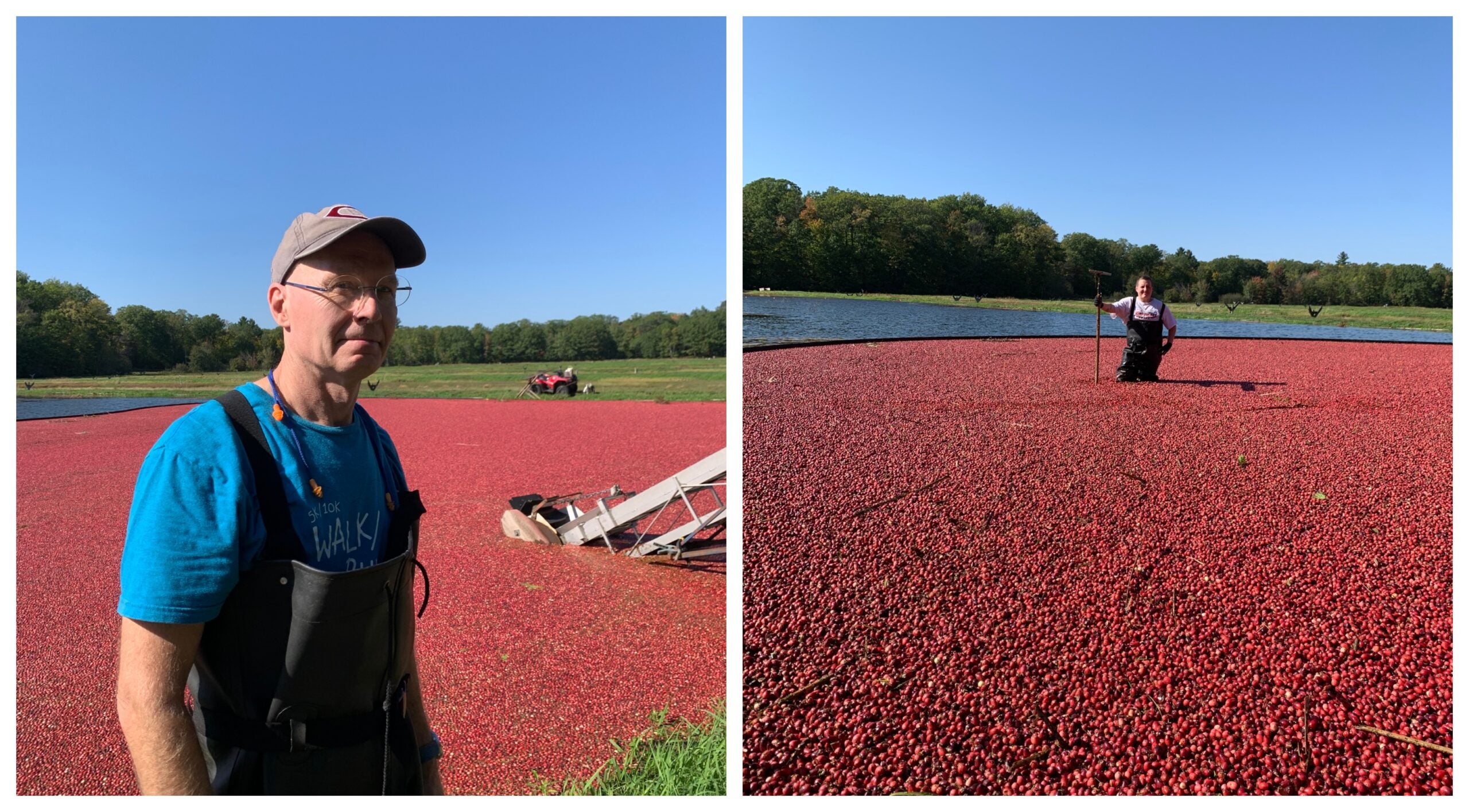
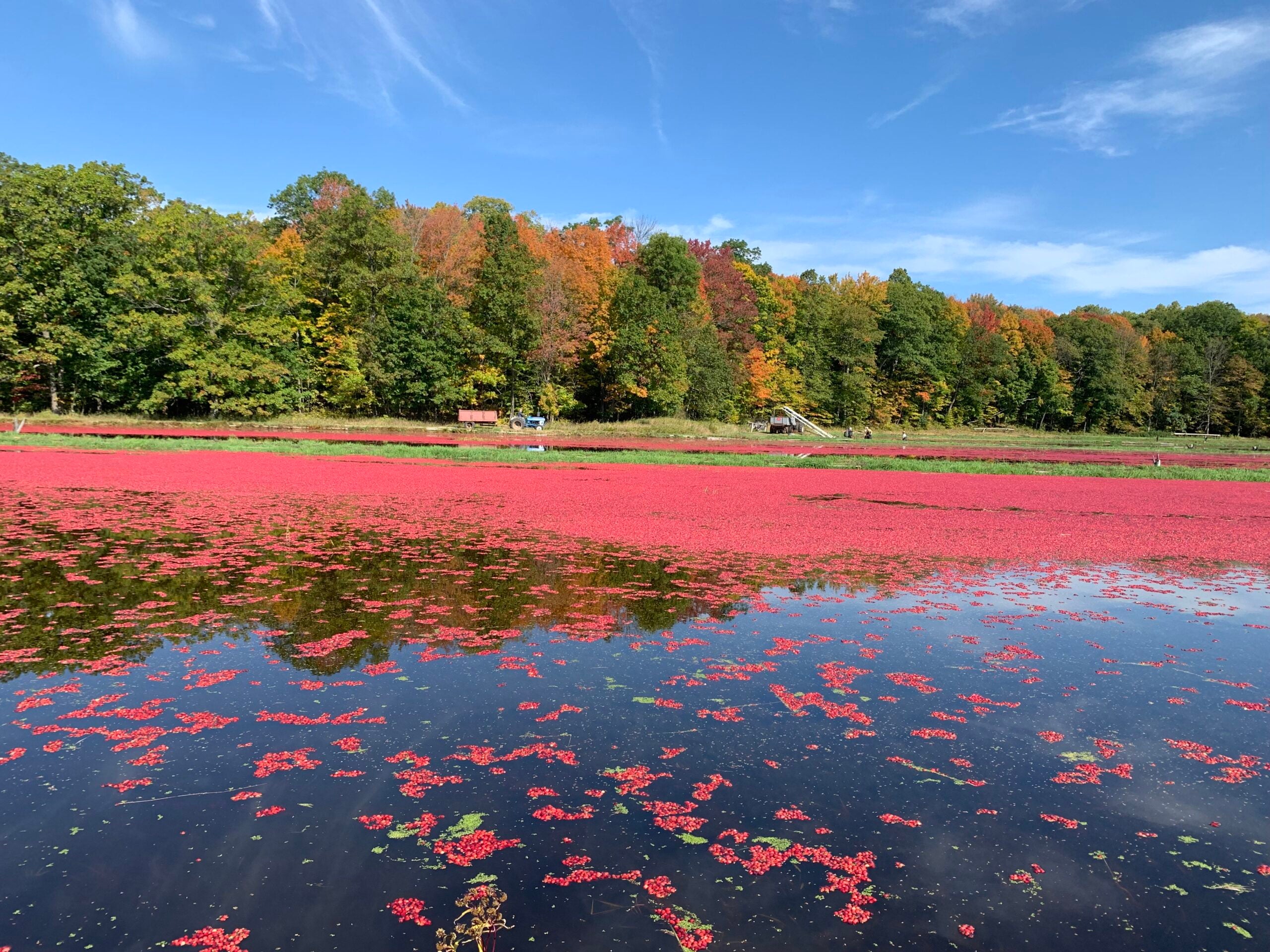
The cranberry harvest is underway in Wisconsin, and growers around the state are waist-deep in their marshes. This year’s yield is expected to be average, which in Wisconsin means about 500 million pounds of berries.
“We are looking forward to having our (31st) consecutive year of Wisconsin being the leading producer of cranberries in the world,” Allison Jonjak, cranberry outreach specialist for the University of Wisconsin-Madison Division of Extension, told WPR’s “Wisconsin Today.”
While Jonjak is optimistic about this year’s cranberry crop, the agriculture industry around the state is facing economic hurdles due to tariffs, and cranberries are no exception.
News with a little more humanity
WPR’s “Wisconsin Today” newsletter keeps you connected to the state you love without feeling overwhelmed. No paywall. No agenda. No corporate filter.
“We are seeing lower prices this year, and that is tough,” said Grant Holley, executive director of the Wisconsin State Cranberry Growers Association, which oversees about 250 cranberry marshes in the state.
However, Holley told “Wisconsin Today” that the markets for soy and ginseng, two other major crops in Wisconsin, are facing much harder times.
“Nobody’s suffering like those folks right now, and our hearts are going out,” he said. “So we will sort of duck our heads, do what farmers typically do, and we’re going to persevere.”
A family legacy of cranberry farming
At the Jonjak Cranberry Farm in Sawyer County, Allison is working alongside her parents, siblings and extended family to harvest the berries in time. She said they are “just a little past the halfway point” and seeing the expected colors and yields so far.
“It’s stressful and there are a lot of moving parts, but it’s my favorite time of year,” Jonjak told the Sawyer County Record in 2024. “My extra bedrooms fill up with siblings, cousins, and friends, and we all cook for each other while harvesting. Roast beef, roast potatoes, and cranberry sauce never tastes so good as when you’ve been working all day.”
Tony and Lucille Jonjak established the family farm in 1939. Allison Jonjak said that at that time, her grandfather would have planted only native selections of cranberries, “taking cuttings from existing marshes where cranberries were growing wild, and then planting those and frost-protecting them.”
“Now we’re on the third generation, so the grandchildren of those original native selections that my grandfather planted,” she added.
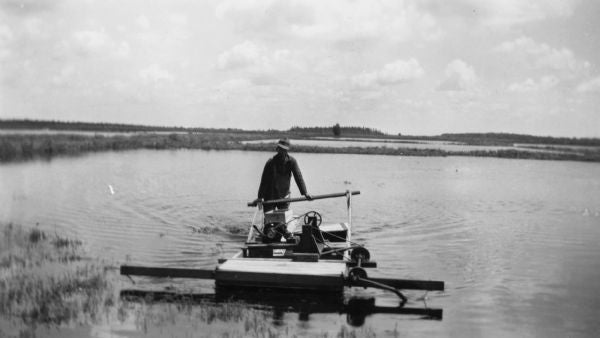
Since then, new varieties have been introduced to the marshes across the state through breeding programs. Jonjak Cranberry Farm currently produces four varieties that all evolved naturally, but Allison is experimenting with newer breeds to see how they fare in northern climes.
For the state’s early cranberry farmers, the biggest concern was protecting the plants from frost. Now, the warmer summers brought on by climate change are introducing a new challenge for cranberry growers: heat.
“If you have too many days where that canopy temperature, or the temperature the berry is feeling, exceeds a threshold, that berry’s cells can start to get damaged, and that can open things up to plant disease,” Jonjak said.
“Heat stress is something that my grandfather never had to have any worry about,” she added.
Carrying forward the cranberry tradition
Despite the challenges brought on by climate change, Jonjak believes Wisconsin farmers are uniquely positioned to weather the challenges.
“Wisconsin growers chat with their New Jersey grower friends, and the New Jersey growers say, ‘Wow, the milder and milder the winters are, the hotter and hotter the summers are, we’re having really bad issues with plant disease,’” she said.
“So I do think that we currently in Wisconsin have enough time to develop good responses to those challenges, partly because we’re using the other growing regions as kind of those early warning signs of what to pay attention to,” Jonjak added.
Holley with the state growers association believes the market for cranberries is actually ripe for further growth.
“Cranberries haven’t even had their heyday yet, I don’t believe,” he said. “Tastes are actually changing quite a bit. I think a lot of folks are moving away from really sugary flavors, and the cranberry is just so versatile. You can bake with it. You can cook with it.”
When asked how the industry has changed over the 85 years her family farm has been around, Jonjak said she believes it’s moving in a positive direction, with researchers and farmers throughout the state collaborating on new technologies and solutions.
“My grandfather would be proud to see what Wisconsin cranberry growing has grown to,” Jonjak said.
Editor’s note: This story has been corrected to note this is the 31st year of Wisconsin being the leading producer of cranberries.