Wisconsin farmers had a great growing year for crops.
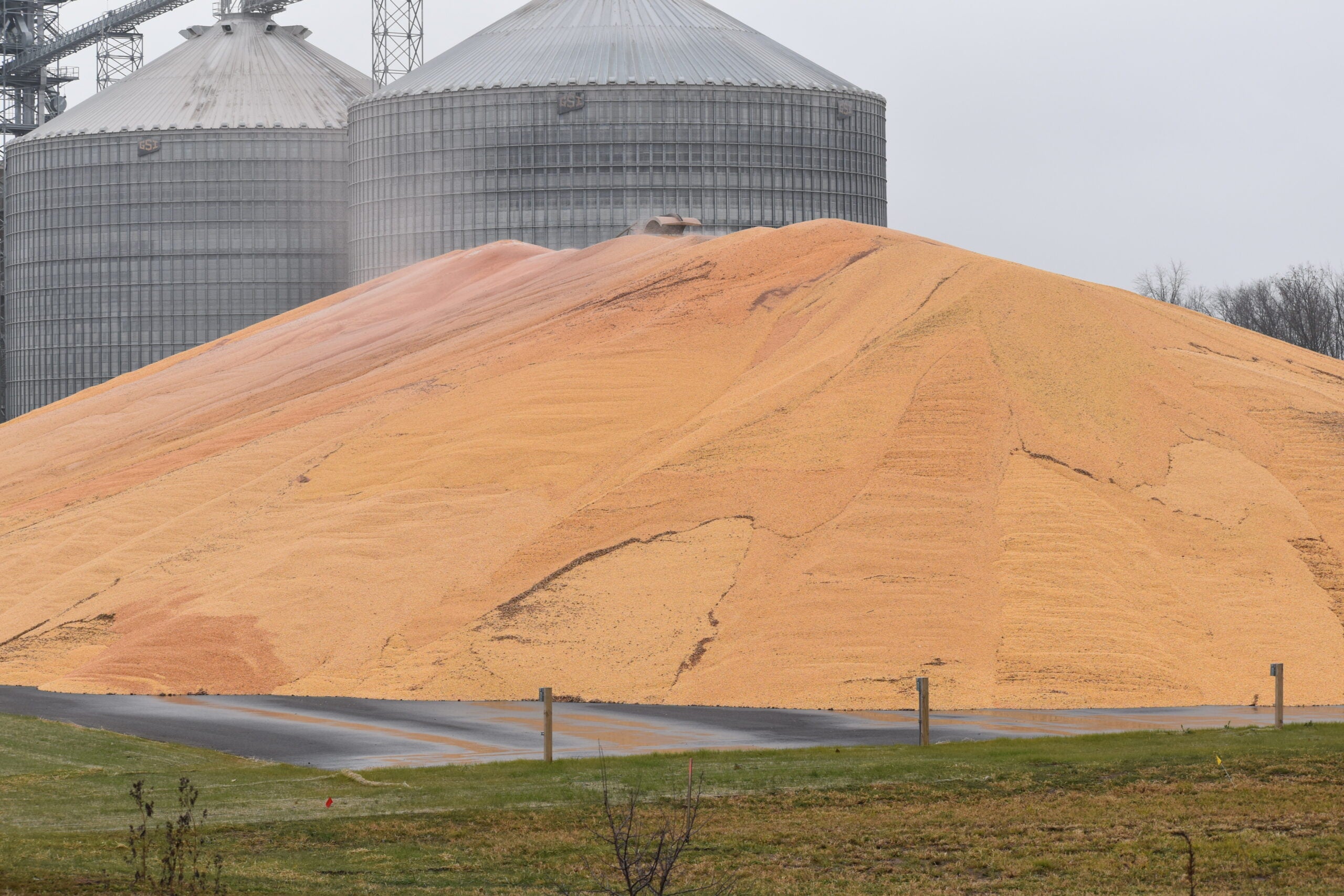
That has led to actual mountains of corn in some cases at grain elevators around the state this fall.
United Cooperative currently has millions of pounds of corn piled up in the parking lot of their location north of Appleton. President and CEO David Cramer said the farmer cooperative has had to create ground piles at several of their locations because their grain elevators are at capacity.
News with a little more humanity
WPR’s “Wisconsin Today” newsletter keeps you connected to the state you love without feeling overwhelmed. No paywall. No agenda. No corporate filter.
“We’re actually making space and moving grain,” Cramer said. “We’ve got rail freight coming in as fast as we can get it to come in and try to keep as much of it off the ground as possible.”
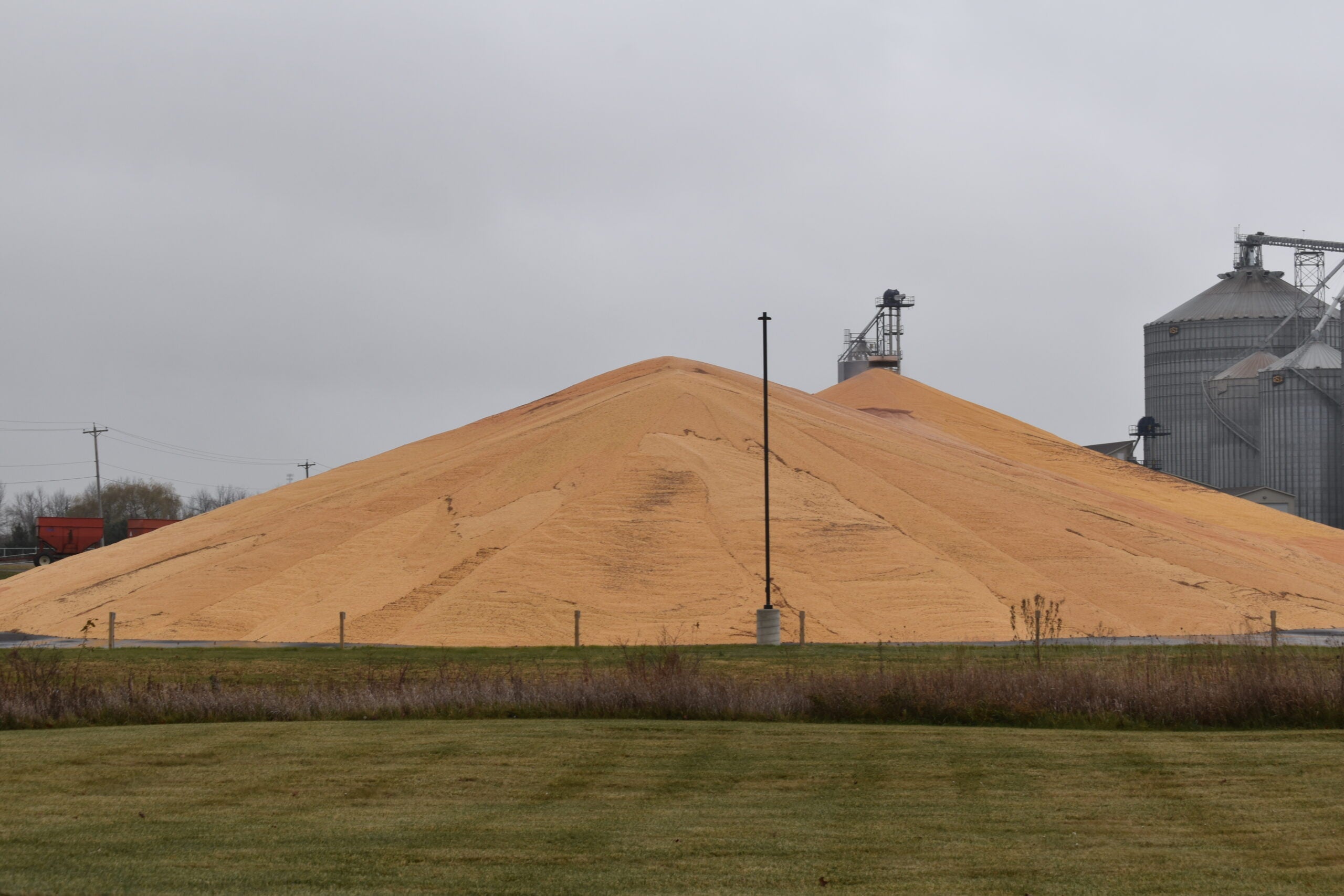
He said it’s unusual that the cooperative has to resort to piling up corn at harvest. It’s a striking example of just how good yields were in this year’s corn crop.
“They’re talking 20 to 30 bushels over their all-time record (high yields) in some areas,” Cramer said.
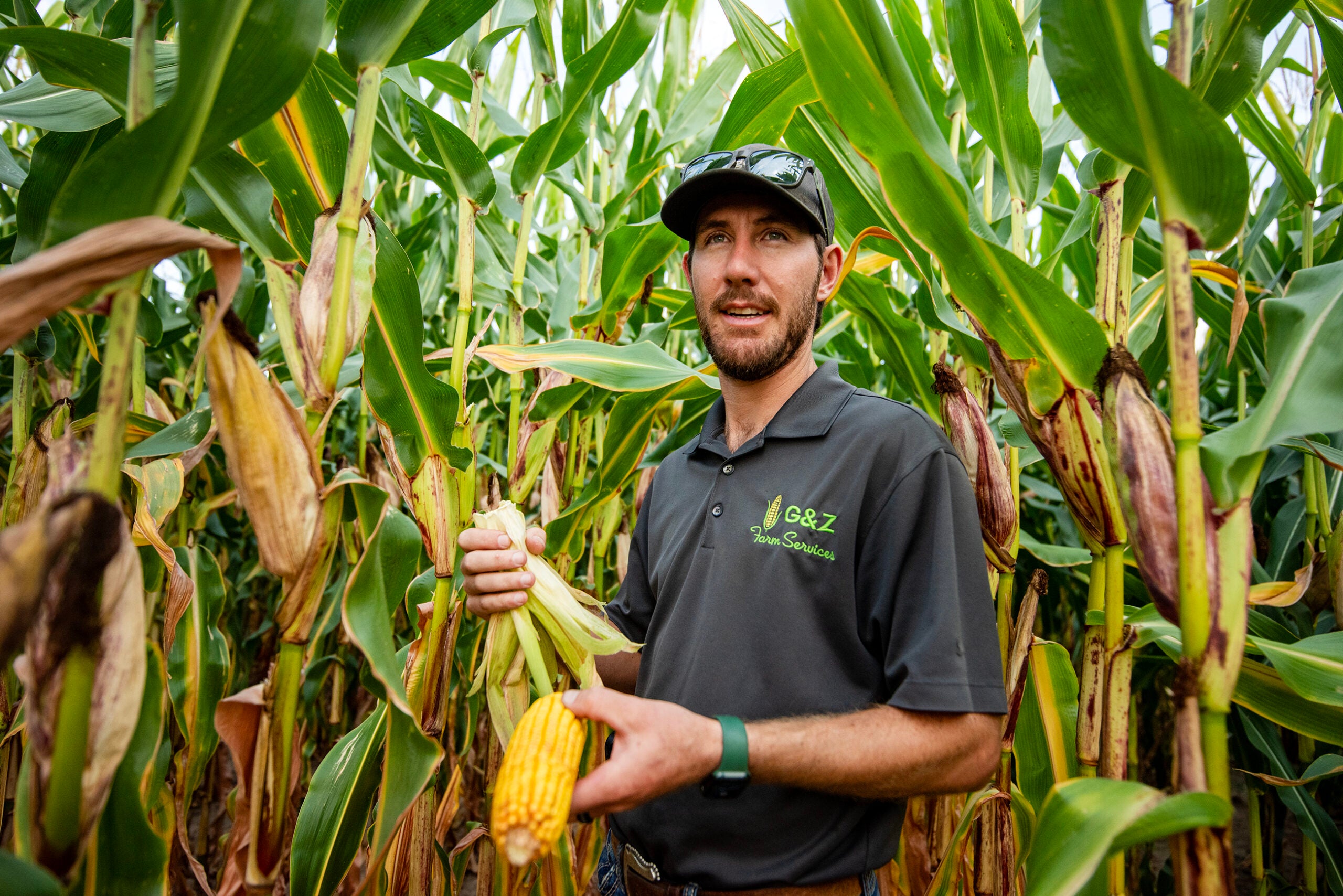
The latest report from the U.S. Department of Agriculture forecasts corn production will be up nearly 13 percent from a year ago, both nationally and in Wisconsin. Farmers are harvesting more acres of corn and the average yield per acre is forecast to be 5 percent higher than in 2024.
Kevin Jarek, regional crops and soils educator for the University of Wisconsin-Madison’s Division of Extension, said he remembers a handful of times in the past when elevators ran out of room as they have this year.
“In 1994, we had a year where I remember piles of grain at the fairgrounds in Seymour, Wisconsin,” said Jarek, who works with farms in Outagamie and Winnebago counties.
Corn belt states including Illinois and Iowa also had good years, Jarek said, and elevators there are likely tying up the rail cars needed to move grain from Wisconsin.
He said most farms have limited storage space for crops and rely on grain elevators to store part or all of their grain at harvest time. With a bumper crop expected this year, Jarek said he saw many producers investing in bagging equipment to keep more corn on the farm.
“If you drive around Wisconsin and you see these bright white plastic tubes on the farms or in fields, those are silo bags,” he said. “We can use those to store forage crops or grain crops. And right now, you can hardly find a bagger unit available here in the upper Midwest.”
Corn prices have been in a prolonged slump, a financial challenge for farmers who also paid more for items like fertilizer and fuel to grow the crop this year. Jarek said cutting down on storage fees at an elevator could help producers wait for better prices.
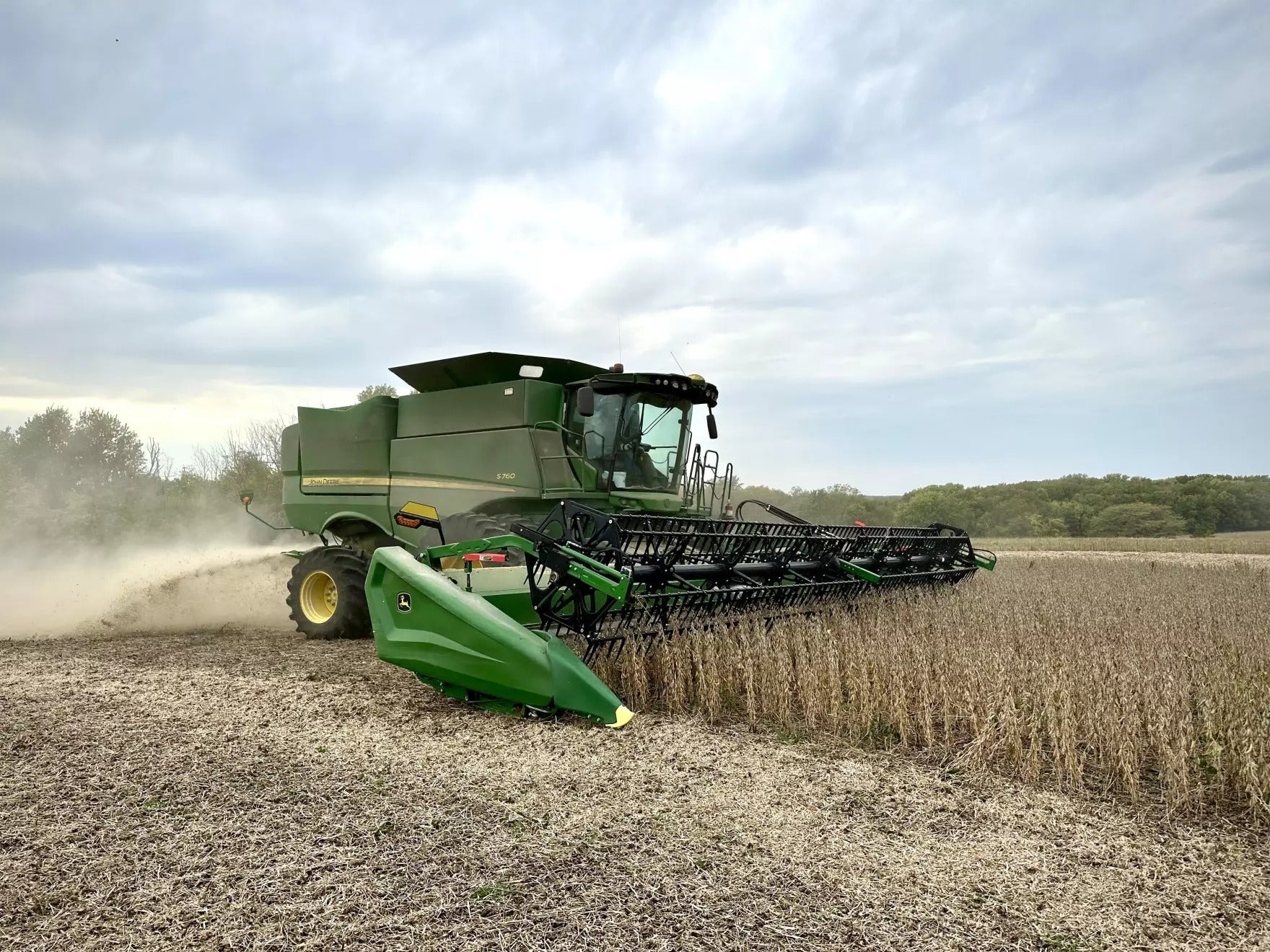
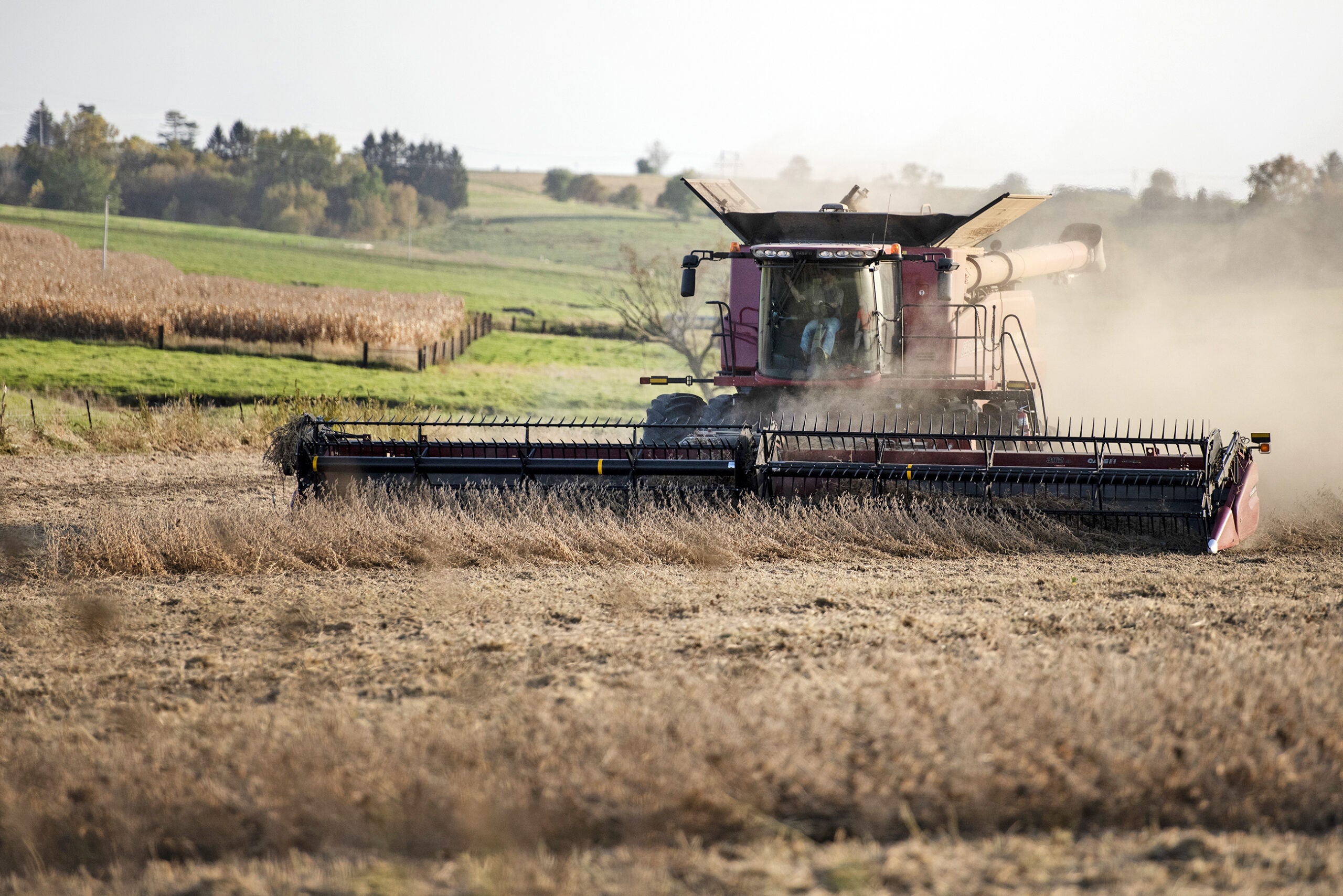
Farmers reported average soybean yields, according to Jarek. But producers may be choosing to hold on to more of that crop because of market challenges.
China, the world’s largest buyer of soybeans, stopped buying grain from the U.S. in May in retaliation against President Donald Trump’s increased tariffs. While a new trade deal with China includes promises of soybean purchases, U.S. soybean sales to the country this year are still expected to be 33 percent lower than in 2024 and the lowest level since 2018, when the first Trump administration targeted China with tariffs.
That’s further complicating storage needs at local elevators like United Cooperative. Cramer said some of their usual bin space for corn is tied up with soybeans this fall.
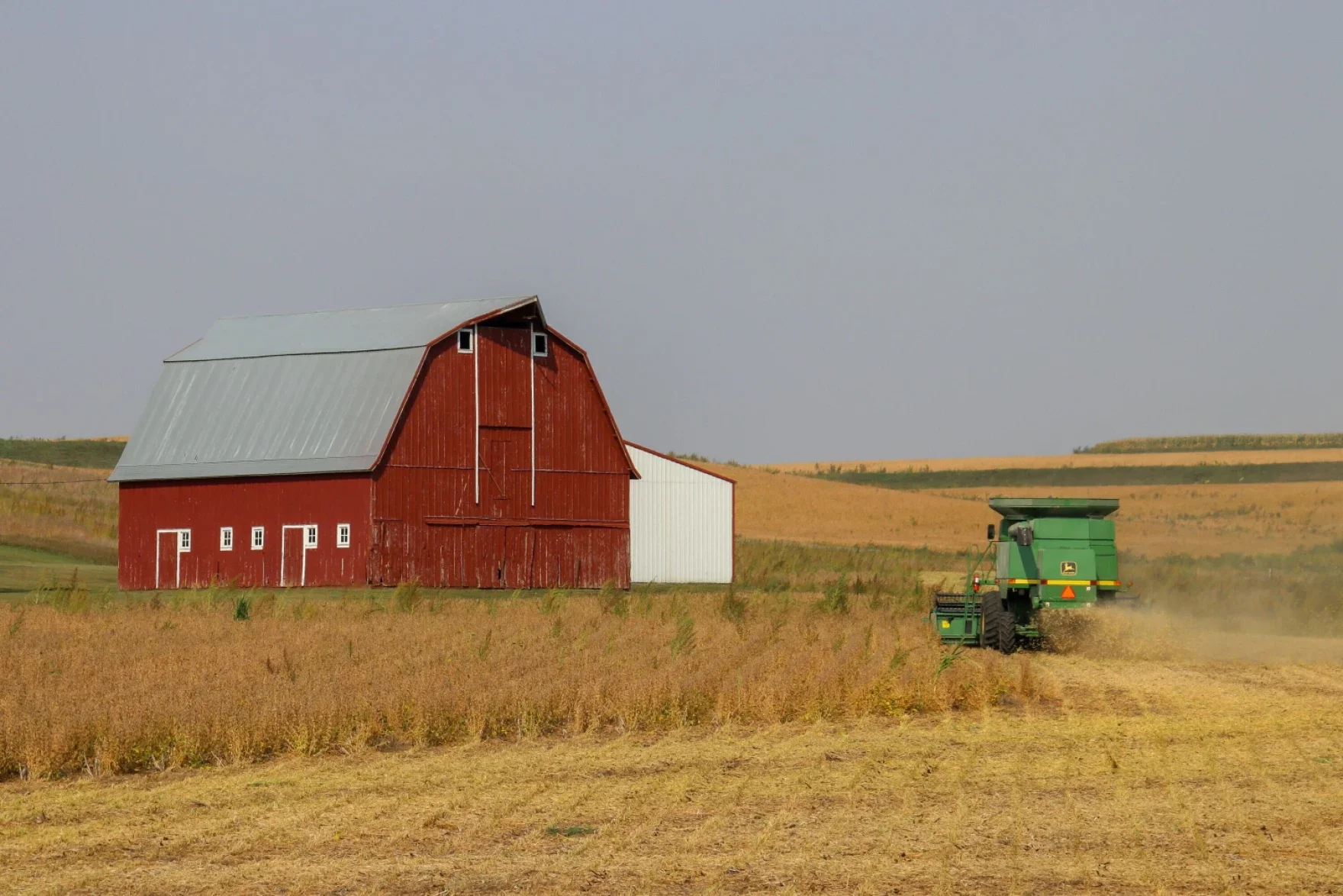
He said farmers have been bringing in grain seven days a week since the start of soybean harvest. And he expects that pace to continue through the rest of November as producers work to get through the last of their fields.

Wisconsin Public Radio, © Copyright 2026, Board of Regents of the University of Wisconsin System and Wisconsin Educational Communications Board.