A religious artifact once deeply revered by Superior’s Jewish community and thought to have been lost decades ago is being reclaimed after resurfacing in a secondhand shop.
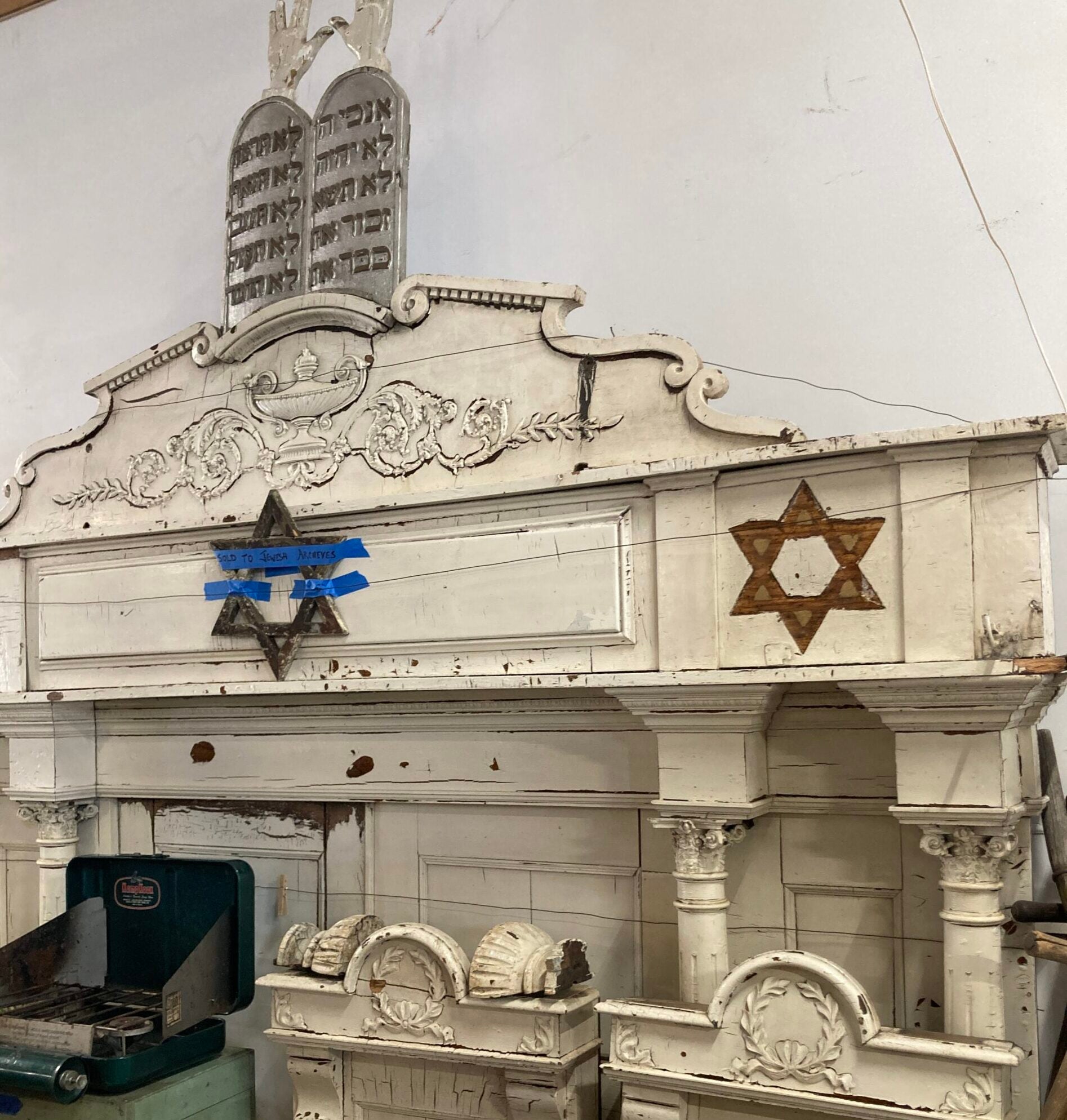
Although the city has long had a Jewish presence and once boasted two synagogues, both are gone now. The last one, Agudas Achim, was torn down in 2000. Yet while the building is no more, its ark — the wooden structure that held the Torah scrolls — was recently rediscovered for sale at an antique shop in Two Harbors, Minnesota.
“I had heard about it from the Bear family of the Bear shoe company in Superior,” said Dan Singer, a Superior native who grew up attending Agudas Achim and is now a synagogue cantor in New York. “They wanted me to help identify the ark from a photo that was circulating in a Facebook group, and I immediately recognized it.”
News with a little more humanity
WPR’s “Wisconsin Today” newsletter keeps you connected to the state you love without feeling overwhelmed. No paywall. No agenda. No corporate filter.
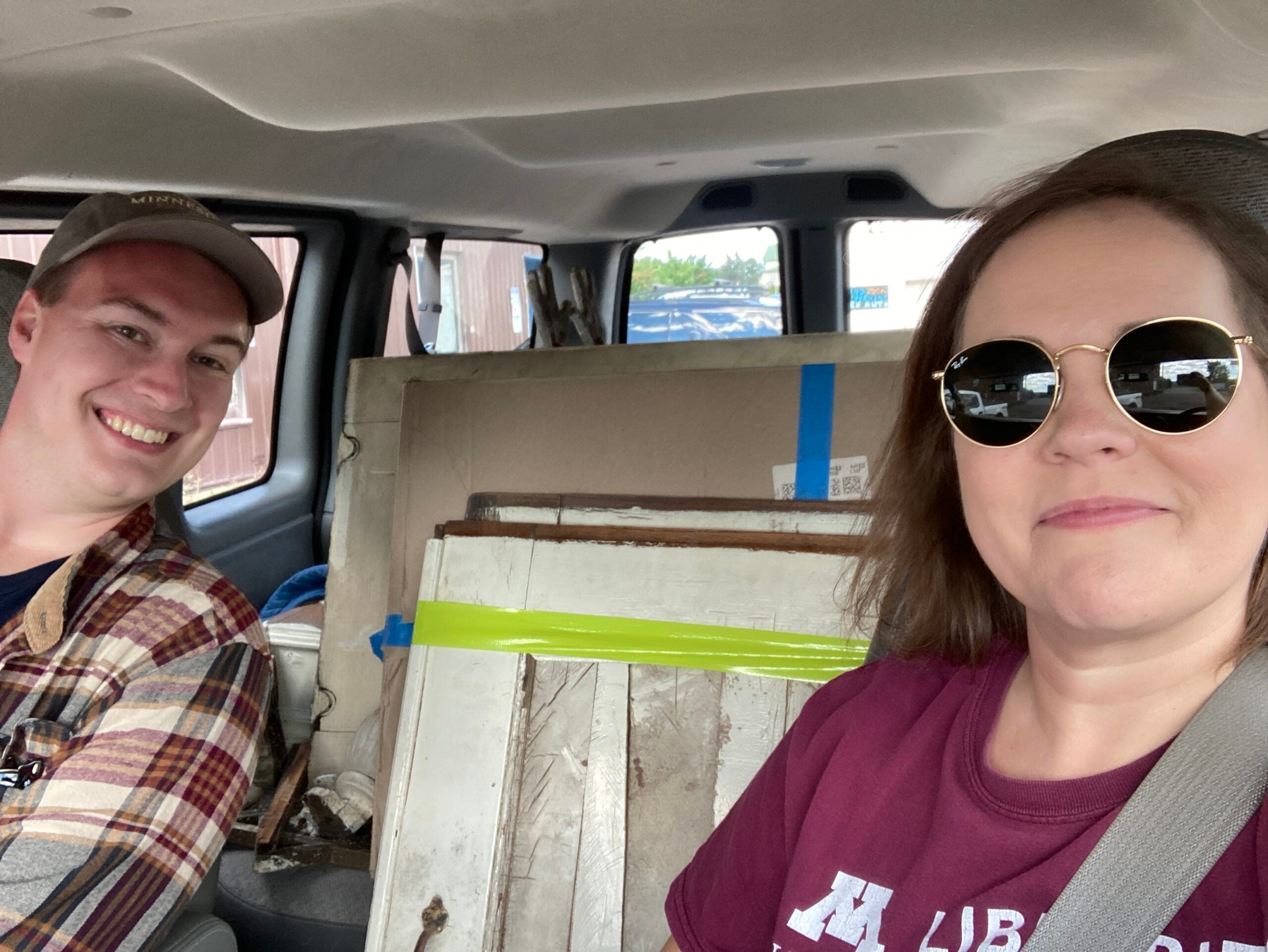
Kate Dietrick, archivist for the Upper Midwest Jewish Archives at the University of Minnesota in the Twin Cities, also saw the posting and was able to make a home for the ark after launching a successful fundraising campaign. She and Singer shared the story of the ark with WPR’s Robin Washington on “Morning Edition.”
This interview has been edited for brevity and clarity.
Robin Washington: Before we get into where the ark is now, tell me the historical significance of it, and of the synagogue.
Dan Singer: I actually just completed a chapter on work that my father, Barry Singer, was researching before he passed away.
He was researching a lot of things and he was looking for information about the people of Agudas Achim. The rabbis were influential in the community.
Rabbi Morris Hyatt, whose real name was Arnovich, was an uncle of (Morrie Arnovich), a baseball player that won the 1940 World Series. There’s an Arnovich Field in Superior named after him.
RW: Tell us about the religious significance of the ark. There are many artifacts or former houses of worship that are repurposed for other uses, like deconsecrated churches. Isn’t the ark similar to that?
Kate Dietrick: Yes. When synagogues close, the main thing is to preserve the Torah scrolls, which are still sacred. But the ark is essentially a wooden piece of furniture.
Yet the ark tells us a story. It tells us about the building, the people, the history, which can all be encompassed in this one item.
RW: So, 25 years after the building was torn down, how did it end up in an antique shop in Two Harbors?
KD: It was at North Shore Architectural Antiques. I spoke with the owner, who said he got it from someone who had found it in a storage container. The bills weren’t being paid, and so this person bought the contents and found the ark inside.
Now the antique store owner is retiring and selling all of the things in his shop.
There was a sense of urgency about it because, frankly, who would want something like this? It’s 14 feet tall! So even if you are Jewish, you’re probably not going to bring that inside your own home.
DS: I briefly contemplated purchasing it and bringing it home.
RW: But you didn’t take it back to New York. Kate, what was your role in its recovery?
KD: As archivists, we really focus on documents — scrapbooks, photographs; things that are more two-dimensional than three. Yet the more I learned about it, I realized that whatever archives there were of Agudas Achim no longer exist, and so the ark is the only thing left to tell its story. So I started a fundraiser. It cost $1,500. Thankfully, the community also saw the value and raised enough money to save it.
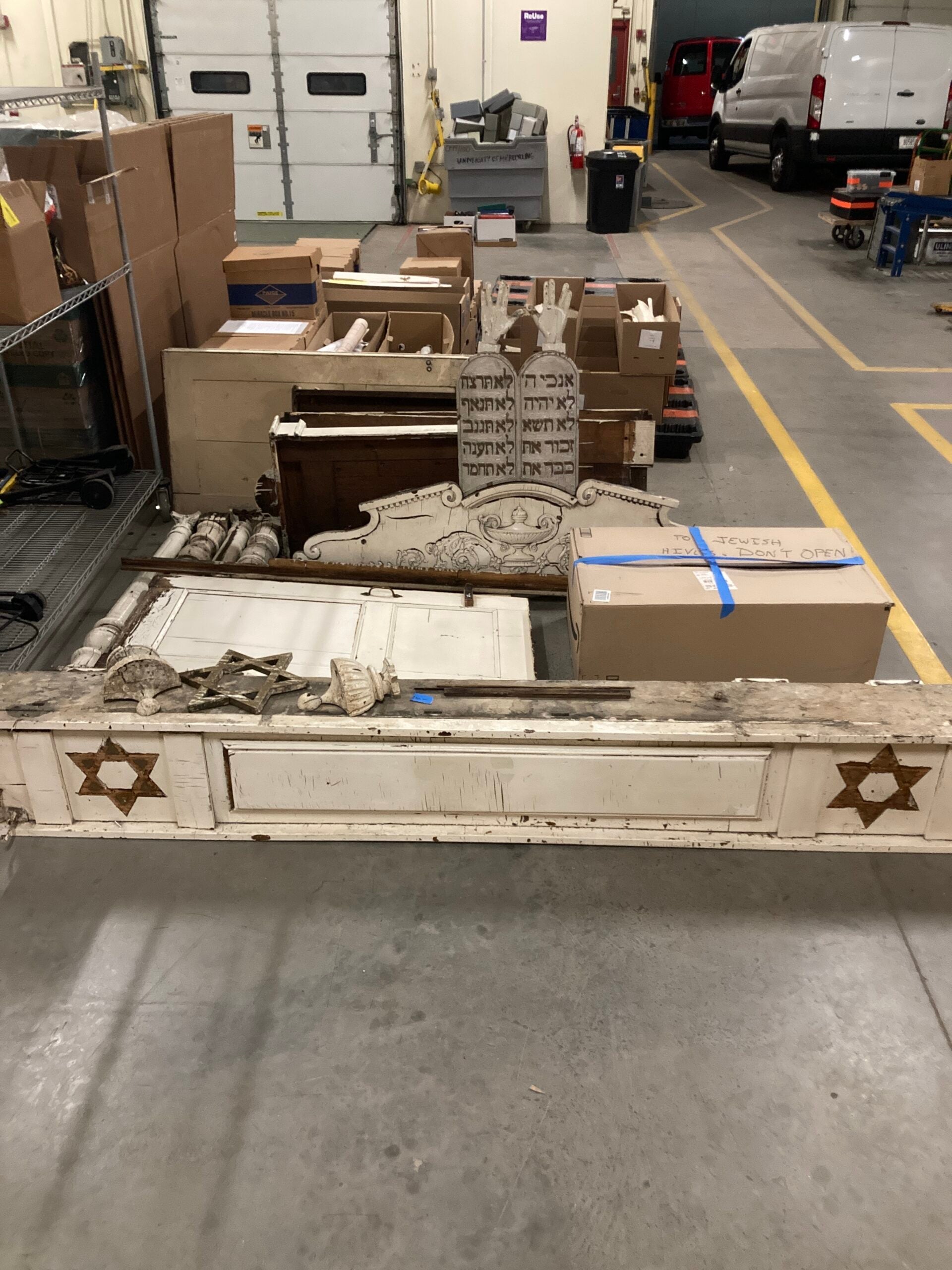
My student worker and I rented a van and drove up to Two Harbors and brought it back down to Minneapolis, where it is now safely sitting in our storage cavern underneath our building.
DS: The work that Kate does with the university and the archives is an invaluable service for the Jewish community. Even if we think of ourselves as preservers, we can’t do this on our own. I encourage people to fund places like the Upper Midwest Jewish Archives and other archives because they do us a great favor in preserving our history.
If you have an idea about something in northern Wisconsin you think we should talk about on Morning Edition, send it to us at northern@wpr.org.