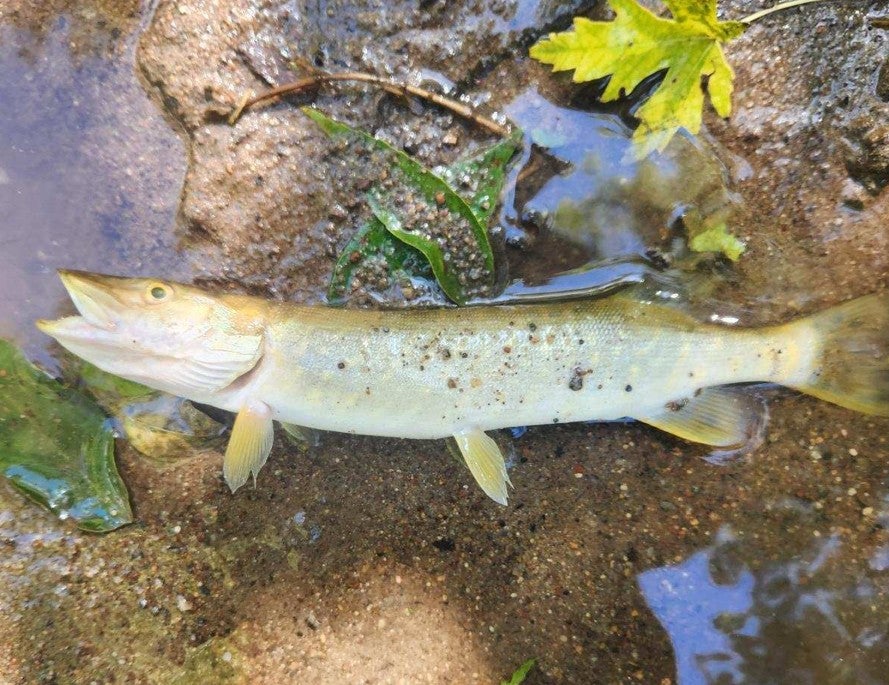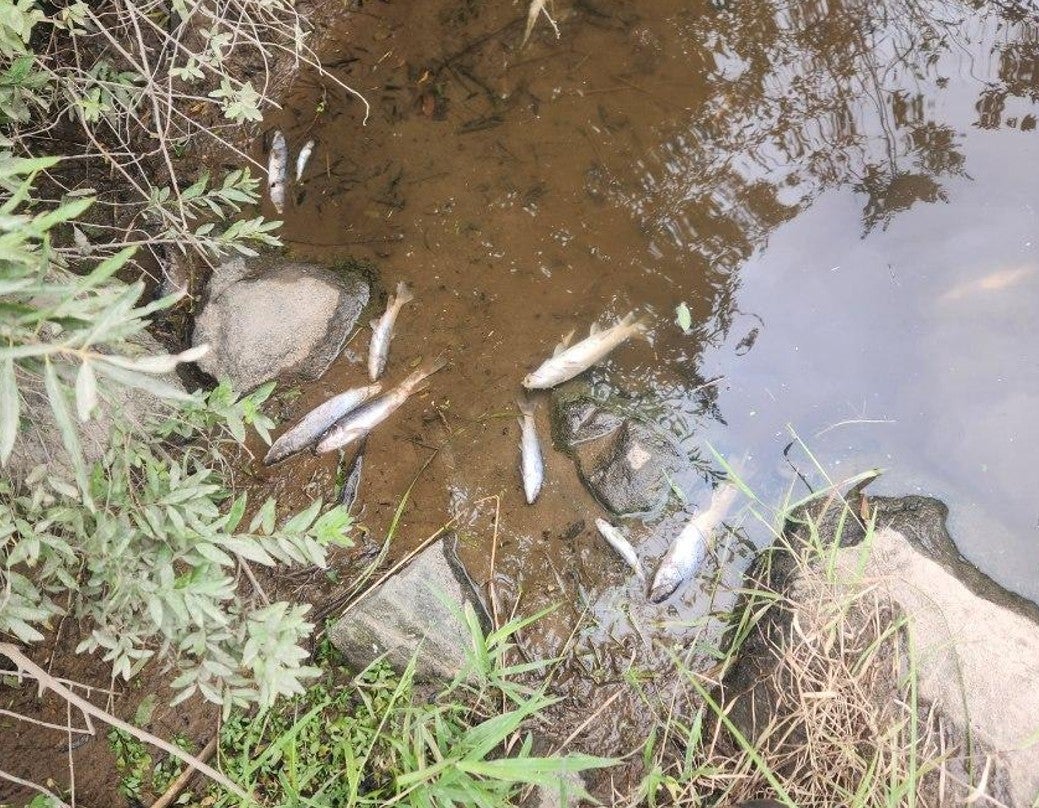
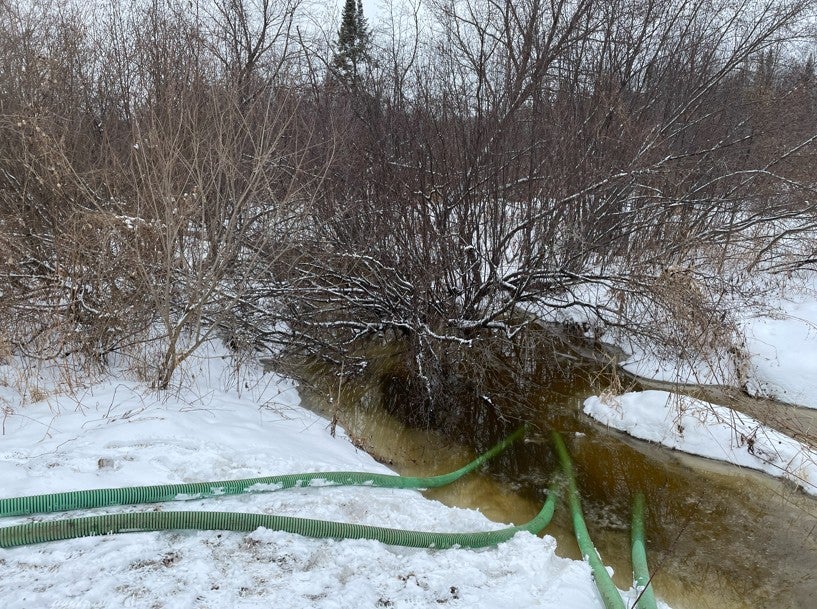
At least 100,000 gallons of manure spilled at a large dairy farm in central Wisconsin, flowing into an unnamed tributary of Black Creek.
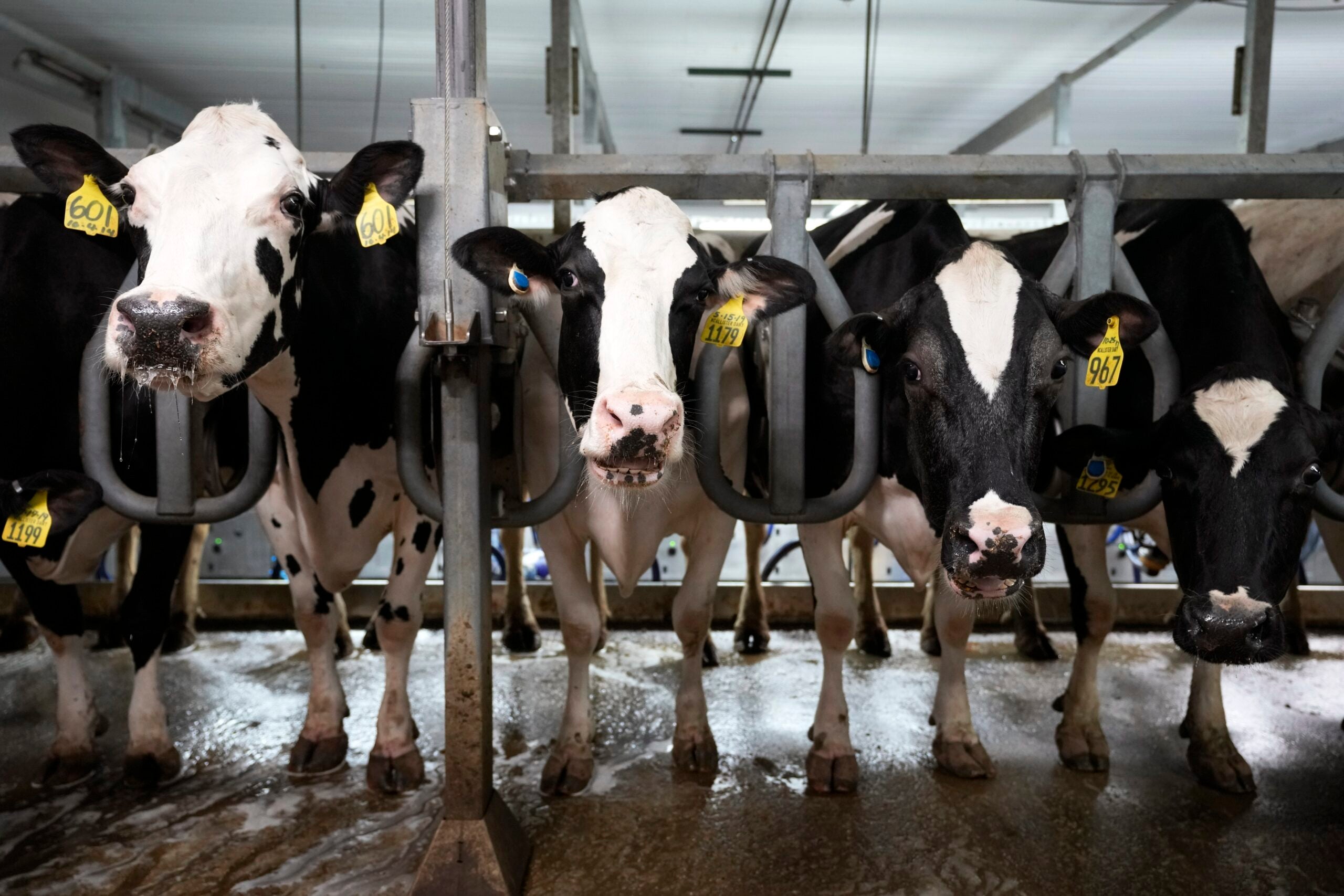
The spill took place a week ago at Deercreek Holsteins LLC in the village of Athens in Marathon County. The dairy is a concentrated animal feeding operation, or CAFO, with 1,780 milking cows and 300 heifers.
The farm was attempting to transfer manure between waste storage facilities with a hose, according to James Salscheider, CAFO compliance and enforcement coordinator with the Wisconsin Department of Natural Resources. He said the hose came loose as they were pumping.
The hose pumped manure outside the waste storage facility for about an hour before the spill was detected, according to the DNR. The farm’s owner, Corey Phillipi, said the incident stemmed from an equipment failure by an operator contracted to transfer manure.
News with a little more humanity
WPR’s “Wisconsin Today” newsletter keeps you connected to the state you love without feeling overwhelmed. No paywall. No agenda. No corporate filter.
“DNR was notified immediately of the accident and we began work on mitigating the effects immediately as well. DNR was informed every step of the way on our efforts, which included physical removal of any manure outside of the storage site,” Phillipi said in an email.
“Our focus has been on doing the best job that we can to clean up the spill,” Phillippi wrote. “We are committed to protecting the environment around us and being the best possible stewards of our natural resources.”
The farm has not had past issues with spills, according to the DNR.
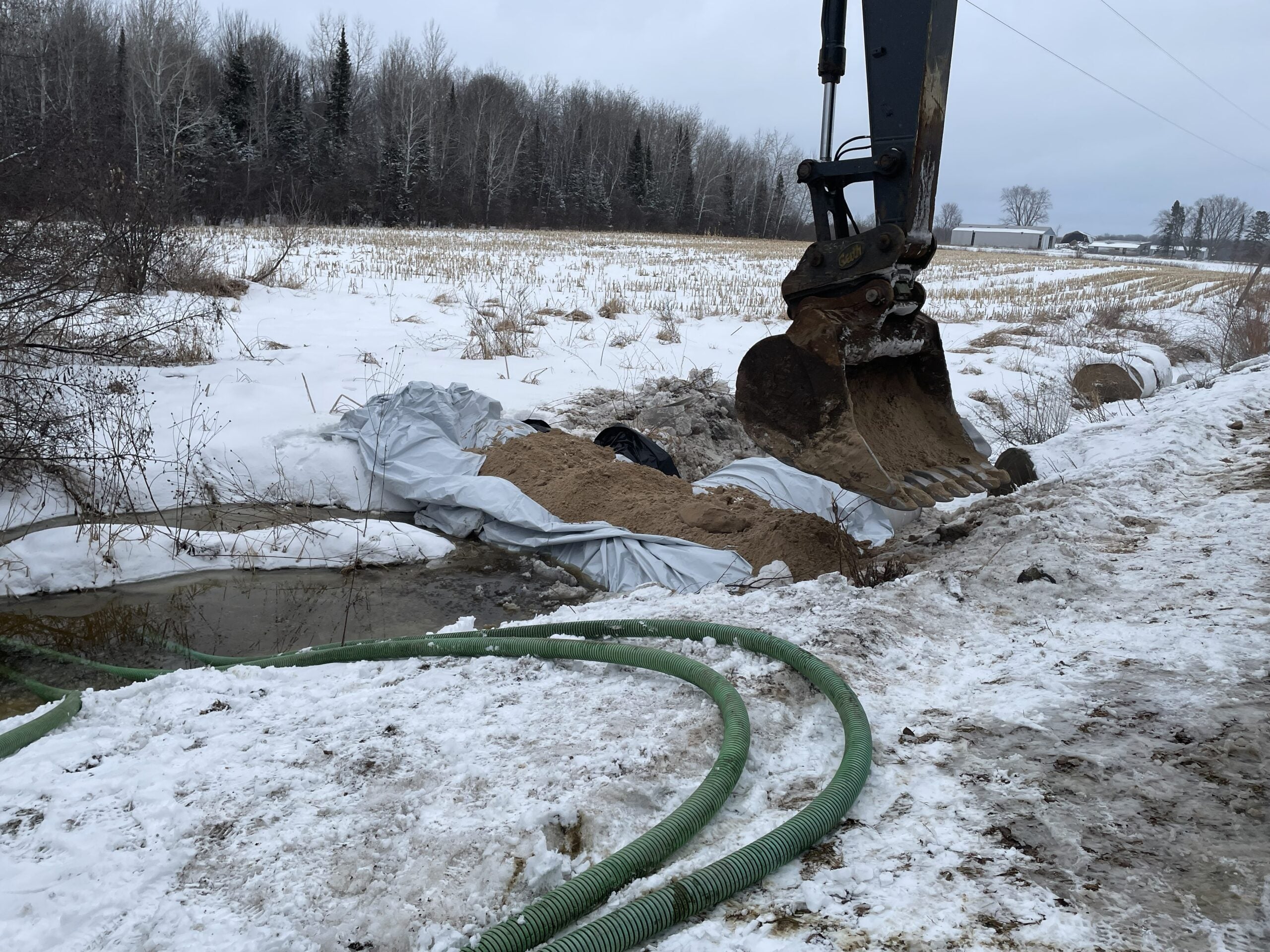
Manure spilled from the farm’s production site through a field into a stream that flows into Black Creek. The farm used vacuum trucks to collect manure from the waterway and a nearby wetland.
The cold has complicated efforts to clean up frozen manure within the wetland. The DNR is working with the farm to develop a plan for stream monitoring and further cleanup when snow and ice begin to melt.
“The department encourages farms to monitor these temporary transfer systems when they’re transferring manure … because these kind of accidents can occur,” Salscheider said.
The agency is reviewing the incident to determine what enforcement actions are necessary.
From 2020 to 2024, preliminary figures show the state has seen reports of 495 manure spills and incidents, according to Kevin Erb. He’s the manager of the Conservation Professional Training Program at the University of Wisconsin-Madison Division of Extension, which trains manure applicators. Erb did not have figures on the amount of manure spilled, saying releases are often estimated.
The incidents include manure runoff from fields, manure storage leaks or spills from manure haulers. More than 50 percent are related to large farms. However, he noted large farms are required to report spills under their CAFO permits unlike small farms.
Erb said the number of recorded incidents increased between 2005 to 2019, which he attributed to more reporting. The number of incidents has leveled off in recent years.
DNR data of known spills shows at least 10 million gallons of manure spilled between 2007 to 2019, according to the Legislative Fiscal Bureau.
Changes in state and local regulations around winter spreading and manure storage have led to less field runoff over the last two decades, said Erb. He added that releases on the farm represent around 40 percent of all manure spills and incidents.
“We will occasionally see situations where farms may have two or three different manure storages on the farm, and they have to transfer it from one to the other as they get further into winter,” Erb said. “Just like any other industry, when you’re moving a product, you need to be watching what’s going on. Mechanical failures are going to happen.”
In recent years, transportation-related problems have increased from about one-third to 45 percent of reported spills and incidents as farms have gotten larger and manure is applied to fields farther away.
Erb estimated that the state’s more than 1.25 million dairy cows generate about 12.5 billion gallons of manure and wastewater each year.

Wisconsin Public Radio, © Copyright 2026, Board of Regents of the University of Wisconsin System and Wisconsin Educational Communications Board.