
More than one year into Donald Trump’s second term as president, two analysts say sweeping changes to the Affordable Care Act and Medicaid will stress America’s health system.
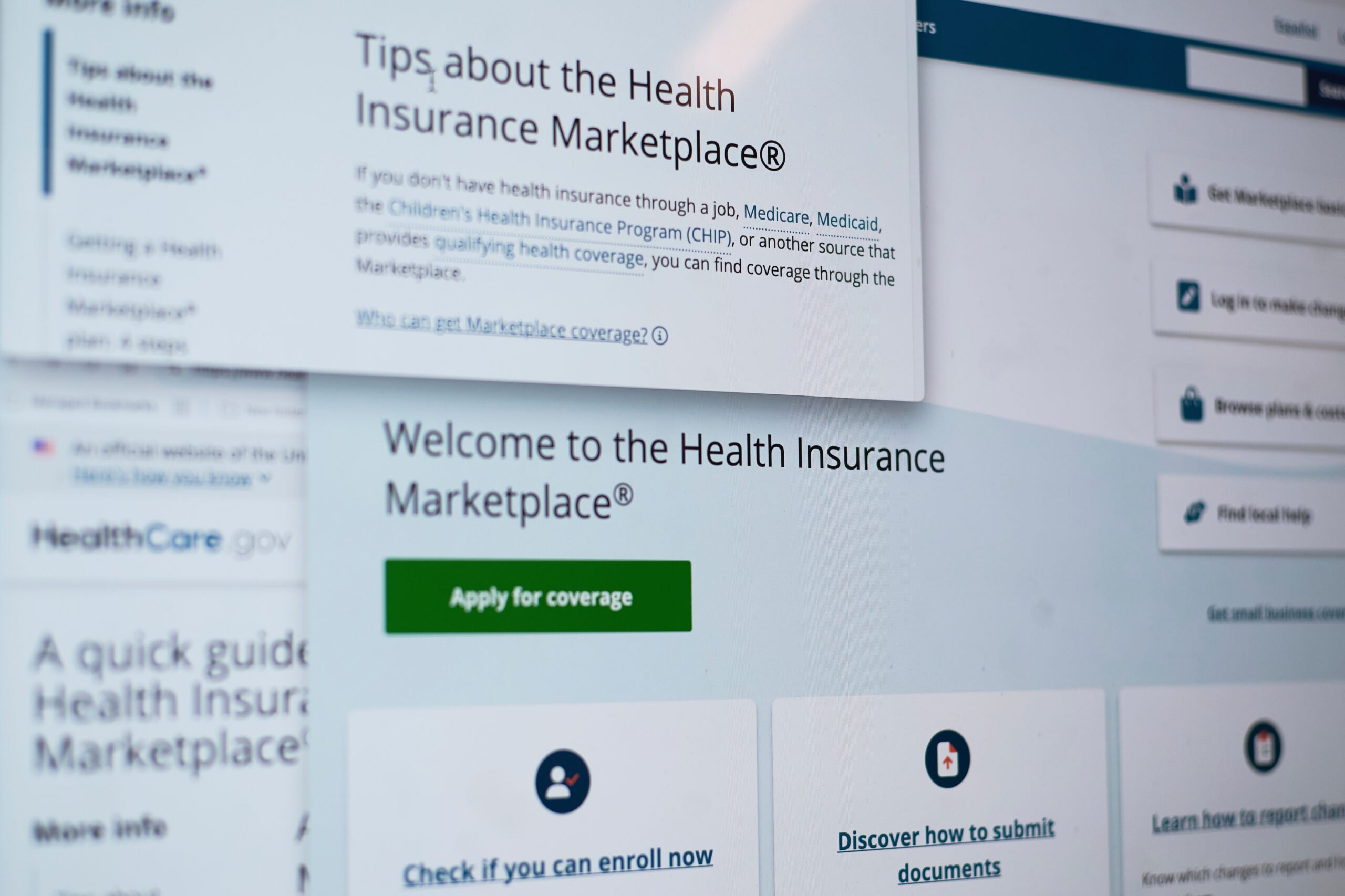
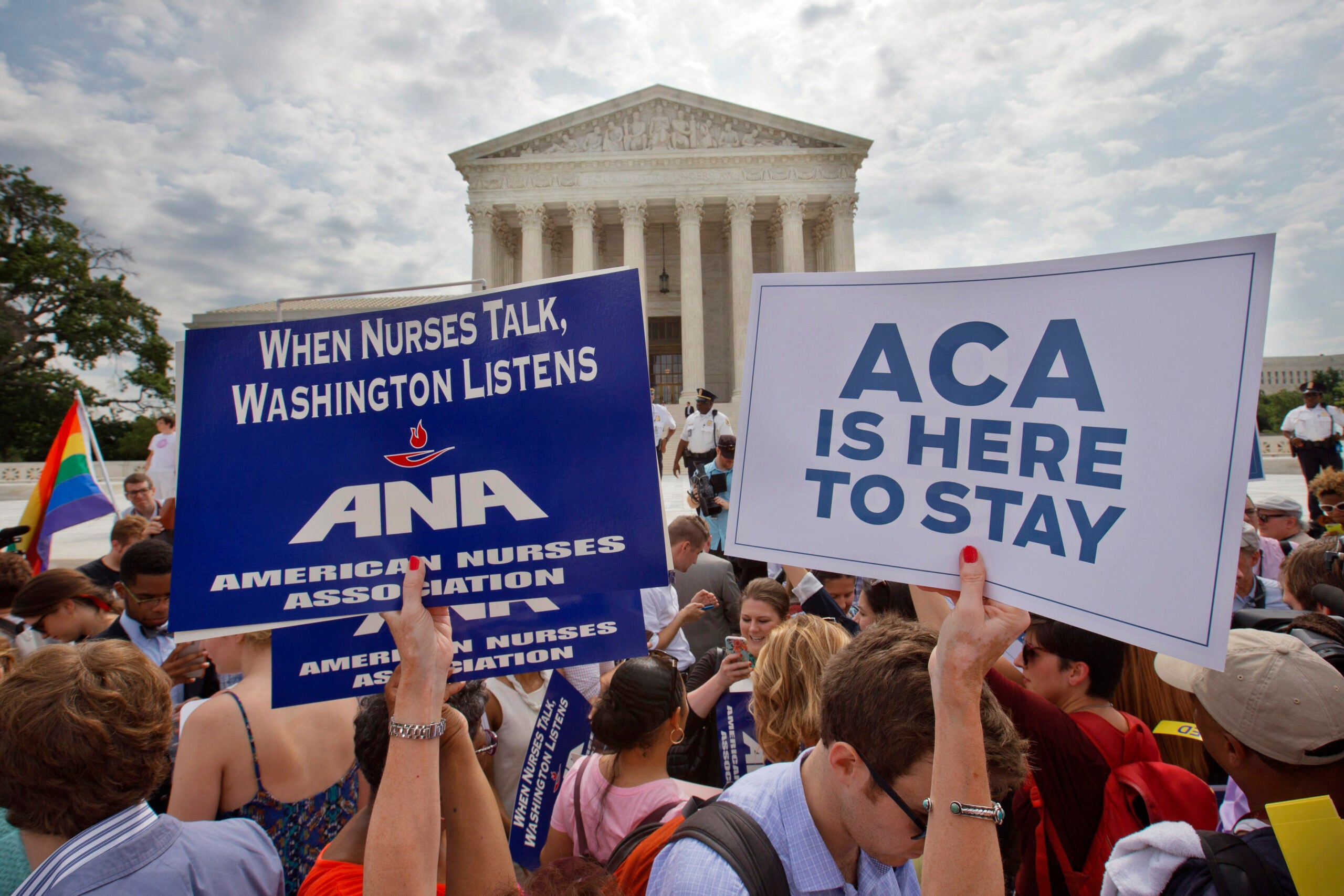
Recently, the Trump administration and Congress have fought over whether to extend Obama-era enhanced premium tax credits for the Affordable Care Act, culminating in the longest-ever government shutdown over the issue which began in October last year. The government reopened after 43 days without extending the subsidies.
In September, KFF estimated premium payments would more than double if the tax credits were to expire.
News with a little more humanity
WPR’s “Wisconsin Today” newsletter keeps you connected to the state you love without feeling overwhelmed. No paywall. No agenda. No corporate filter.
Bobby Peterson is the founder, executive director and public interest attorney at ABC for Health, Inc., a nonprofit public interest law firm in Wisconsin focused on access to health care coverage. He told WPR’s “Wisconsin Today” that he’s concerned about the ripple effects from people skipping health insurance altogether due to cost, leading to additional financial strain on clinics, hospitals and patients.
“It becomes emergency room care — some of the most expensive care that’s out there,” Peterson said. “It’s going to increase uncompensated care in Wisconsin — which was $1.8 billion in 2023, the last year reporting was available — and it’s going to keep going up. This is going to be paid for by all of us.”
Julie Rovner is the chief Washington correspondent for KFF Health News. She told “Wisconsin Today” that while the debate over ACA subsidies has been the biggest health story nationally in recent months, the nearly $1 trillion cut to Medicaid in last year’s budget bill will also result in significant repercussions across the American health care system.
“I think everybody sees the impact of those cuts,” Rovner said. “People think, ‘Oh, well, I’m not on Medicaid, or I’m not on the Affordable Care Act, so this won’t impact me.’ But, frankly, as more and more people lose their health insurance, that puts more and more strain on the entire health system, writ large.”
This strain comes as another aspect of the bill requires states like Wisconsin to roll out and enforce work requirements by the end of 2026. Rovner said other states have faced concerns that new work requirement systems made it extremely difficult for Medicaid recipients to report their work hours — leading to them being unfairly dropped from coverage.
“The Trump administration says they’re going to be able to use AI and other tech advances to make (work requirement systems) more accurate and easier. But we will see,” Rovner said. “It’s going to be tricky, and states are going to end up spending resources that they don’t necessarily have to create the infrastructure for this work requirement reporting.”
An analysis from KFF found that President Trump’s approach to reforming America’s health care system has veered away from comprehensive, sweeping change. He opts instead to strike a series of isolated deals with health care companies that the administration can tout to voters.
“They put out all these press releases saying they’ve reached these deals. Many of the deals would save some money for Medicare and Medicaid, and people who have to buy their medications without the help of insurance,” Rovner said. “But the vast majority of people do have insurance for drugs, either through Medicare, through Medicaid or through their private insurance.”
Rovner said that insurance premiums have risen so much in recent years because the cost of health care generally has spiked.
“It’s not that the insurance companies are not making these gigantic profits,” Rovner said. “They’re just trying to keep up with the cost of health care in general.”
ABC for Health’s Peterson said Wisconsin residents who are underinsured or struggling to afford health care could visit the WisCovered website and explore hospital charity care programs for assistance.
“It takes some work. It takes some tenacity, but keep digging,” Peterson said. “There’s help out there, through Aging and Disability Resource Centers, through Covering Wisconsin. I think it’s just a little tougher and it’s going to be rough for a while.”