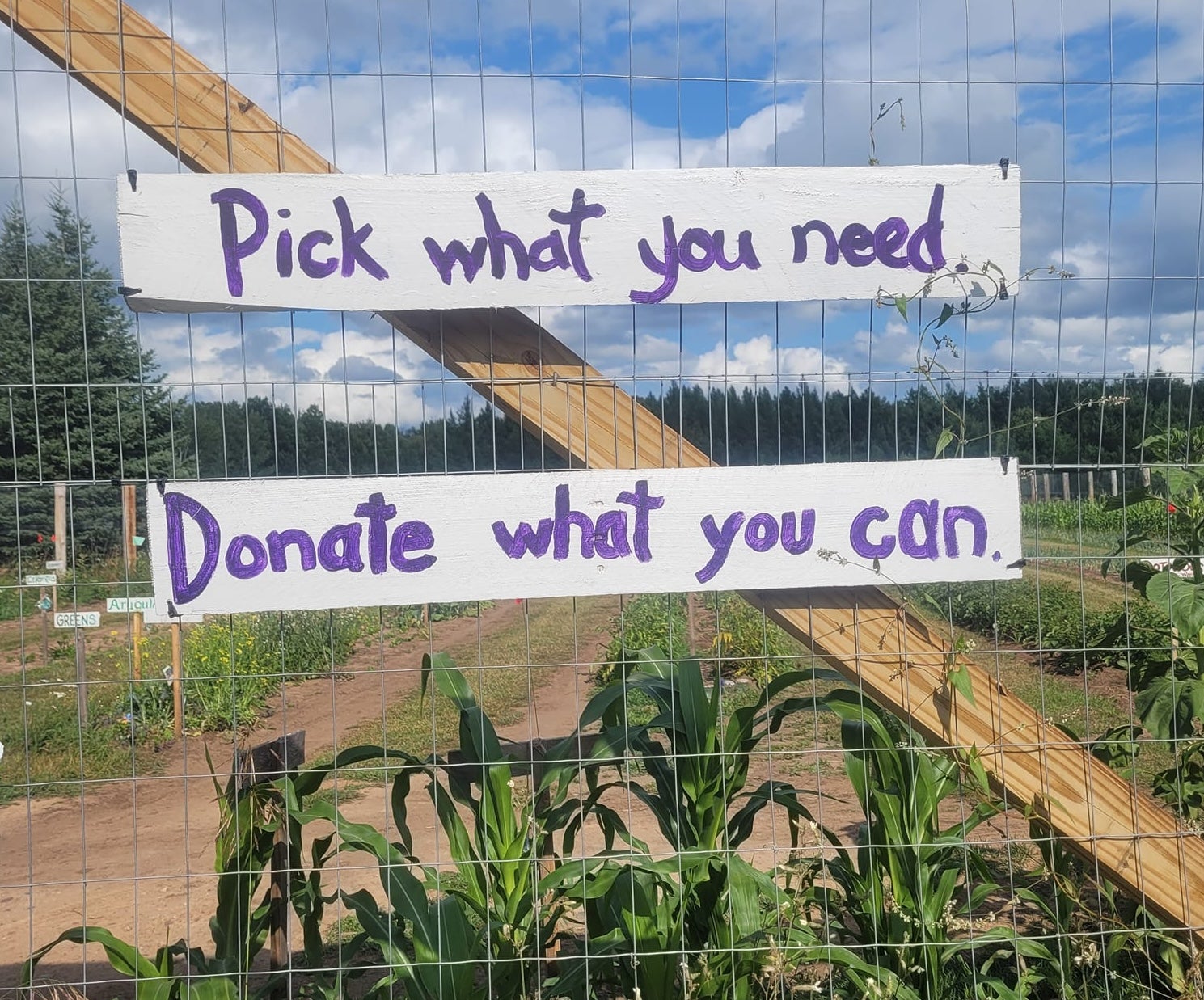
At Tranquil Acres in Tomahawk, visitors aren’t greeted by cash registers or price tags. Instead, a hand-painted sign explains the rules: pick what you need, donate what you can.
Heather Smith created the community garden with her husband, Bill, to increase access to healthy food while fostering a deeper connection between people and the land. Inspired during the isolation of the pandemic, the couple envisioned a space where anyone could harvest fresh produce — regardless of income — and learn about how their food is grown.
In a conversation on “Morning Edition,” Smith said that by removing cost as a barrier, she and her husband hope to ease financial struggles for others while creating a stronger, more connected community.
News with a little more humanity
WPR’s “Wisconsin Today” newsletter keeps you connected to the state you love without feeling overwhelmed. No paywall. No agenda. No corporate filter.
“It’s definitely a garden that is doing the magic that we wanted it to do,” Smith told WPR.
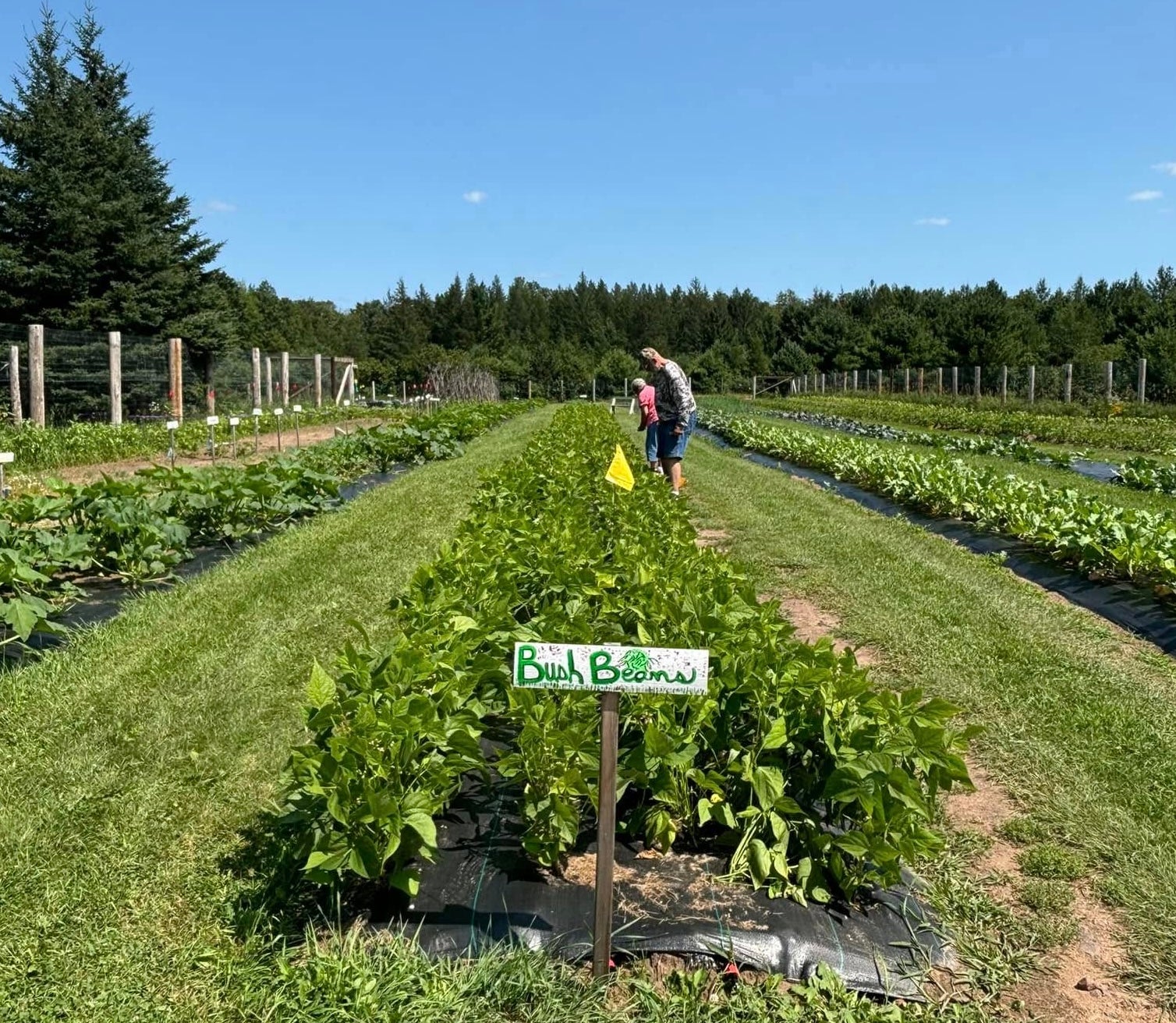
Tranquil Acres produces a wide variety of fruits and vegetables, including tomatoes, zucchini, winter squash, pumpkins, herbs, raspberries and blackberries. Color-coded flags guide visitors on what is ready to pick, while the Smiths offer hands-on lessons in harvesting and cooking.
Smith said she has watched families bond over something as simple as pulling a carrot from the soil, and has seen those small moments provide a boost to people facing hard times.
For those inspired to try something similar, Smith offered simple advice.
“Have a strong back,” Smith said. “It’s a lot. But if doing something like this is something that will fuel you, go for it and follow your dreams. It’s only going to make the world better.”
The following interview was edited for brevity and clarity.
Shereen Siewert: What inspired you to open your farm to the public?
Heather Smith: I think that hiding at this property during the pandemic fueled this decision because we realized that not sharing it would be selfish.
After we made it through the pandemic and isolation was over, my husband and I brainstormed on how to share it with the community.
Pretty soon, we had brainstormed this huge dream garden and neither of us was reining the other in. It was crazy.
SS: What have you learned by watching people interact with this space?
HS: I’ve learned that we’ve come so far away from being connected to our food. It’s sad. Most people don’t know how their food grows or where it came from. It’s eye opening to see.
I’ve seen many families come through the farm. Some can afford the highest end produce from the most exclusive organic markets. But there are also people who can’t afford it. I’ve seen families get themselves back on their feet by having this little helping hand. I’ve seen families come together and bond over just talking about food, talking about how you pull a carrot and how you know it’s ready.
There are a lot of back-to-basics kinds of things happening here and it’s really wonderful to watch.
SS: Take me through the experience visitors have when they come to your farm.
HS: When you arrive, you see the rules painted on a sign to remind you how it all works. You walk through the garden with your wagon or bag to pick what you need. There’s a flag system in place that signals whether something is still growing or is ready to be picked.
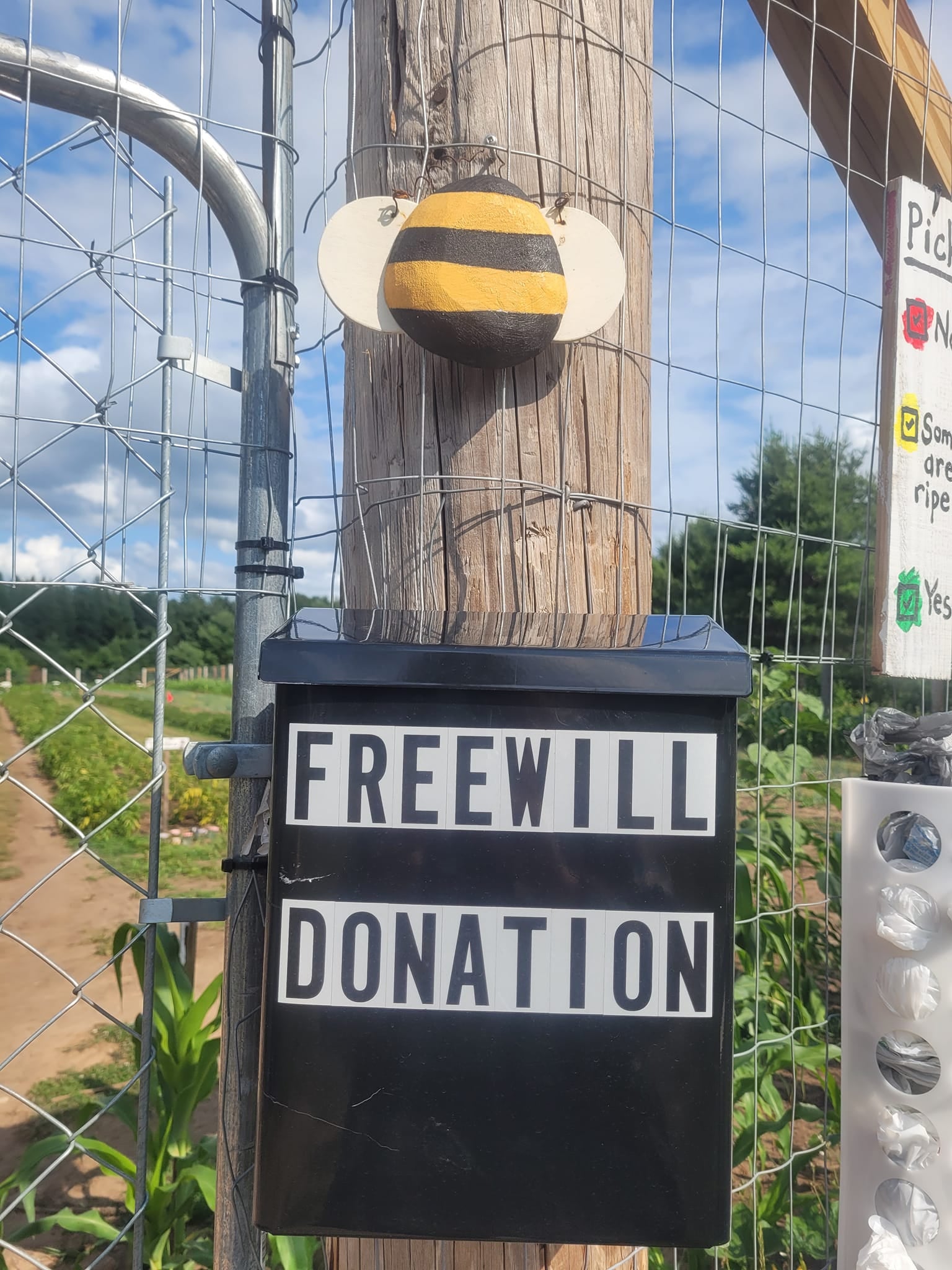
And if you don’t know how to pick it, we’ll teach you. If you don’t know how to cook it, we’ll teach you. Once you have everything you need, you put your donation in the box.
SS: Do people generally pay?
HS: There are people paying $50 for one zucchini while another is paying $5 for something that’s worth much more. I don’t want to know what individual people are paying because that’s not what we intended to make here. We wanted to make something that was open to everyone.
SS: Why was it so important to you that cost not be a barrier in accessing healthy food?
HS: That’s an interesting question. When my husband Bill and I talked about it, accessibility fueled both of us because at different times in our lives, we had both been without. It’s not a good place to be.
We wanted to make sure we were creating something that could lift someone up, someone who was possibly in the same shoes we had been in the past.
If you have an idea about something in central Wisconsin you think we should talk about on “Morning Edition,” send it to us at central@wpr.org.