Amid stepped-up immigration enforcement, Wisconsin’s dairy industry is confronting a familiar tension: farms rely heavily on immigrant labor to keep cows milked around the clock, even as policymakers, advocates and producers disagree over how to balance workforce needs, labor protections and the rule of law.
The debate has sharpened calls to modernize visa rules for year-round agriculture while scrutinizing working conditions on large farms.
Francisco Guerrero, with the Wisconsin Institute for Public Policy and Service, works directly with Latino workers on dairy farms throughout central Wisconsin. In a conversation on WPR’s “Morning Edition,” he said that while many of these employees do not have permanent legal status, they have become indispensable to the industry over time.
News with a little more humanity
WPR’s “Wisconsin Today” newsletter keeps you connected to the state you love without feeling overwhelmed. No paywall. No agenda. No corporate filter.
“There would be no dairy industry without these workers,” Guerrero said.
The growing labor shortage, along with stepped up immigration enforcement, is prompting renewed calls for reform of the federal H-2A visa program — a system that allows foreign nationals to fill temporary farm jobs in the U.S.
Growers have long argued that the program is cumbersome, expensive, and poorly suited to the year-round demands of dairy production. Many see the current crisis as a potential turning point, one that could finally push Congress and federal agencies to modernize the process and make it more responsive to the realities of the industry.
“We’re doing everything we can right now, within the statute, to make it better, easier, more efficient, and cheaper for our producers to use that program,” said Agriculture Secretary Brooke Rollins, speaking in Kansas City in September.
That unrelenting schedule also means any disruption in the workforce can have an immediate and costly impact. Guerrero said he hopes policymakers will recognize the value of immigrant labor to Wisconsin’s economy and identity.
“The dairy industry is the pride of Wisconsin,” Guerrero said. “We need that heart to keep beating.”
The following interview was edited for brevity and clarity.
Shereen Siewert: Some people might assume that migrant workers are in this country illegally. What is the reality?
Francisco Guerrero: The reality is that a large number of these workers are undocumented. Part of that is true. At the same time, for a farm owner that is employing undocumented immigrants, there is no easy solution to that problem. There is a strong need for a trained workforce in the dairy industry.
In the past, that workforce came from Europe. But today, it comes from Central America, South America and other countries. It is largely Latino.
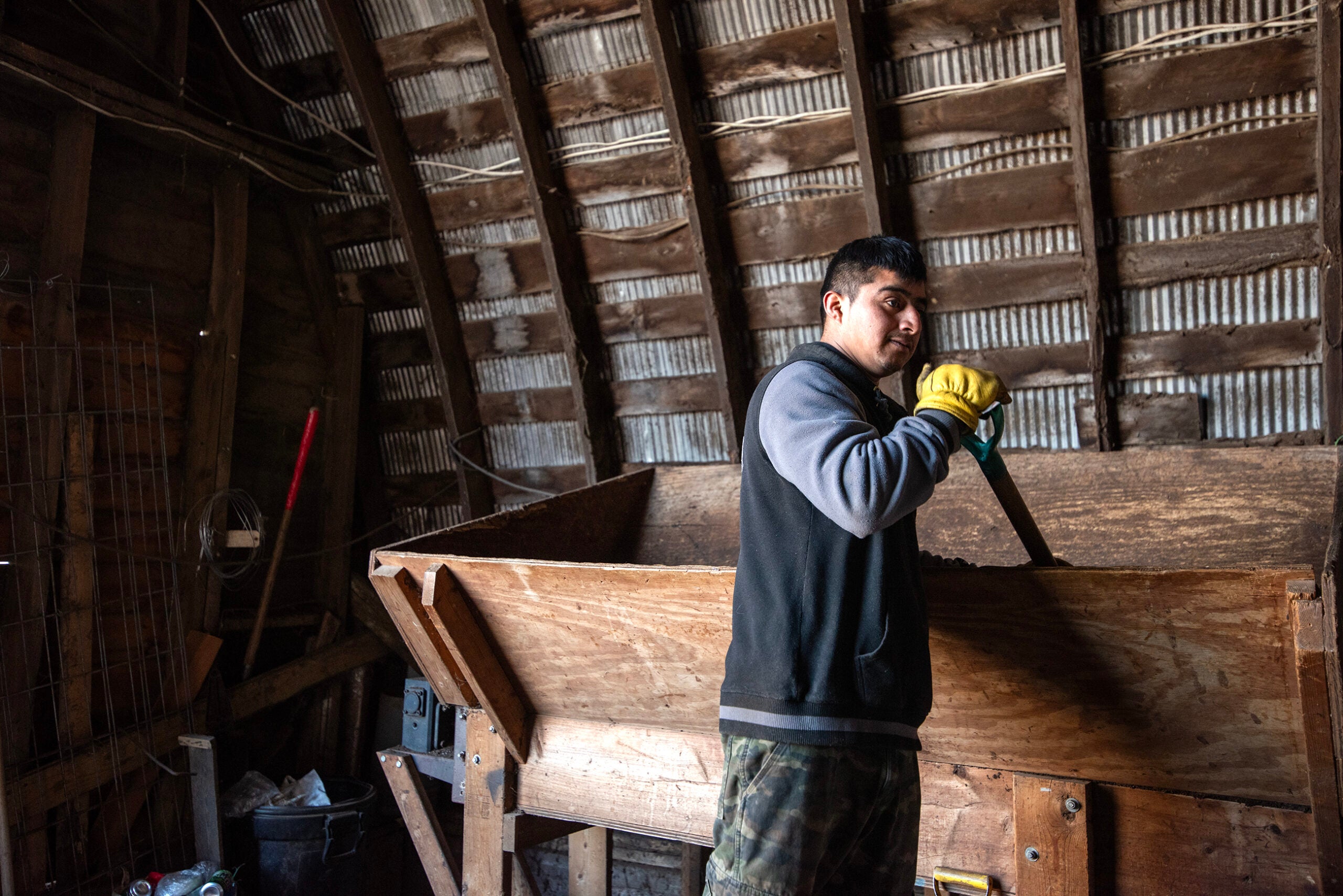
If you go to a dairy farm today in Wisconsin, nearly every single one will have Latino workers who play a crucial role in the industry. These workers have been here for more than 10 years, more than 15 years, and they know how to care for the animals and how to keep production going. They have gained the knowledge that Wisconsin has right now to keep the dairy industry running.
SS: How do immigration policies shape the reality of hiring and keeping workers on farms here?
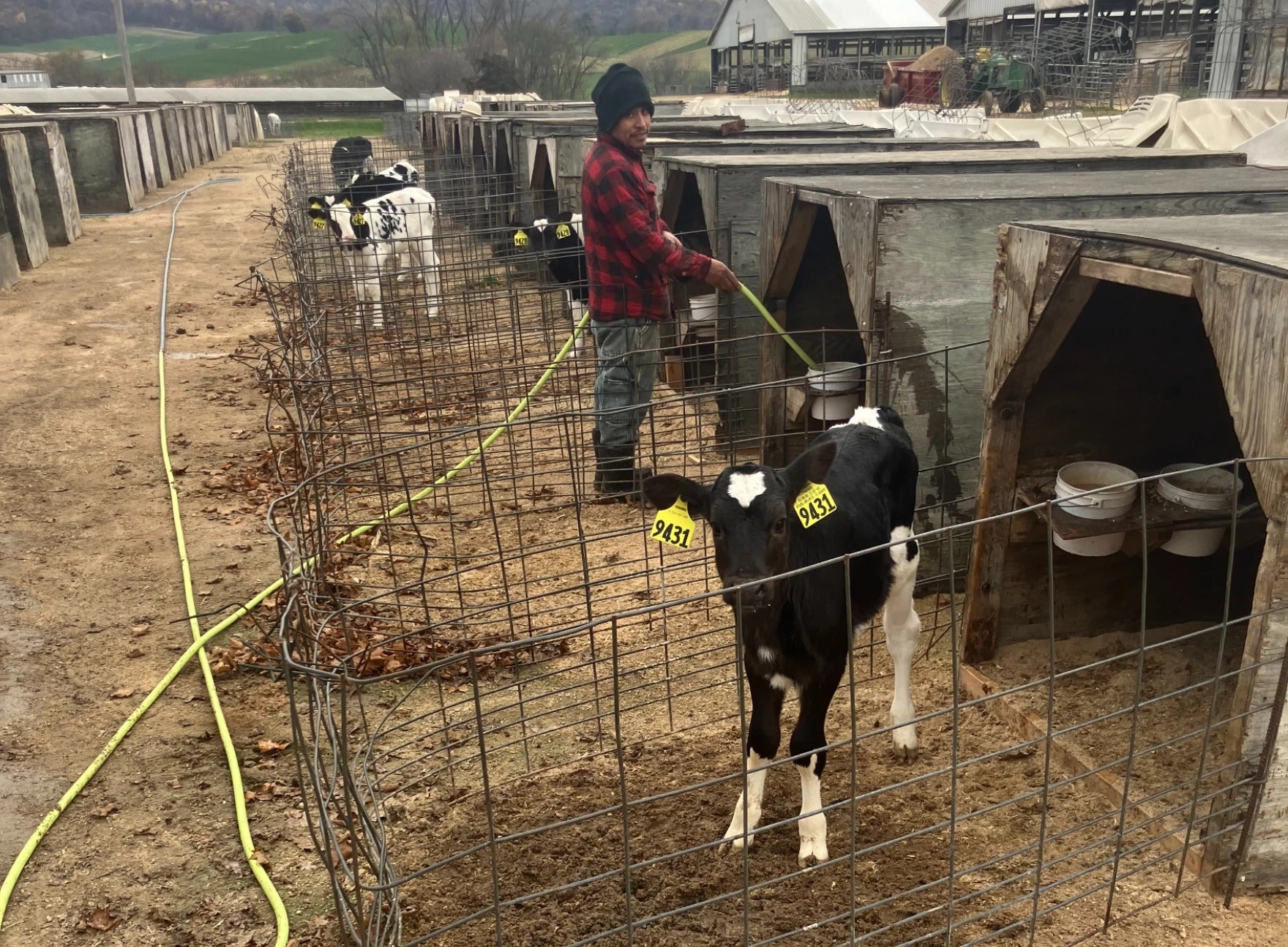
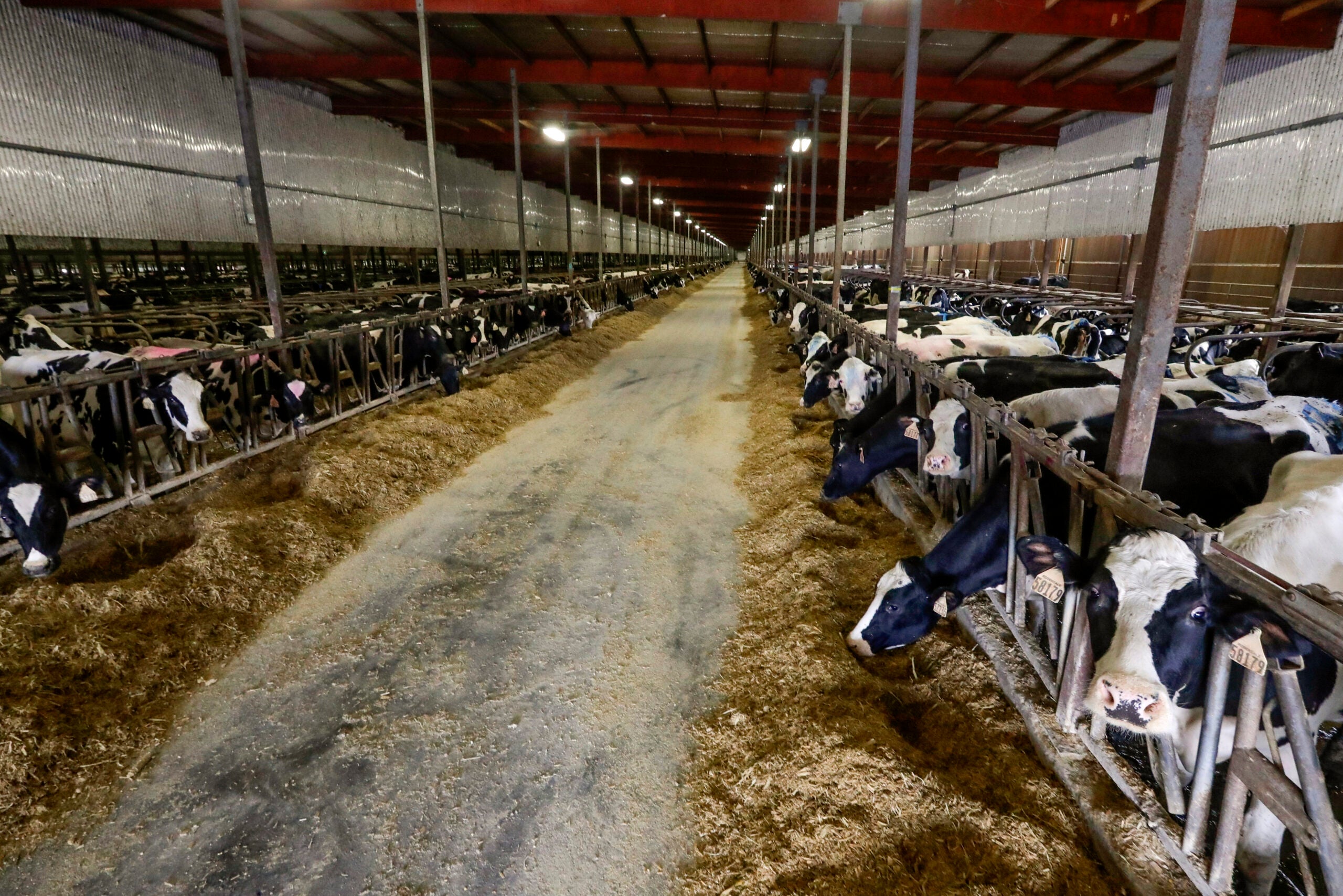
FG: In the agricultural world, the dairy industry is considered a permanent job. Farmers cannot just bring in workers on an H2-B visa or a temporary worker from another country to work at the farm, because a dairy farm doesn’t stop. It is year-round, 24/7, 365-day-a-year work.
Comparatively, other agricultural workers from ginseng farms or potato farms can be temporary because the work is seasonal.
The dairy industry doesn’t have that, and farm owners need trained labor. If they brought workers in for just a few months out of the year, the crew would change regularly, and those workers would need to all be newly trained. But a dairy farm requires expertise for day-to-day operations to run smoothly.
SS: Some critics say that factory farms exploit labor when they hire migrants. How do you respond to that concern?
FG: We’ve been very fortunate to see the opposite in many cases. Here, employers take care of their workers, but at the same time there are also bad actors who can use a worker and abuse them.
We do need a safe place for people to report those abuses without being afraid of being deported because they are undocumented. Wisconsin does have a good industry full of people who are trying to move forward.
SS: How is the increased fear of deportation affecting farm operations in our area now?
FG: I think farm owners are probably very concerned and worried about it. One of the main jobs done by Latino workers on dairy farms is milking. And this is an industry that again, doesn’t stop. You’re milking the cows every day. If you don’t have those workers, who will show up to milk the cows? It is not an easy job.
People in this industry are concerned because if you don’t have the workforce, you can’t harvest the product that you worked so hard to produce. If you go to any farm today and look at the milking parlor, that looks Latino. That is Latino work.
SS: What do you think needs to happen from a policy standpoint to ensure that farms in central Wisconsin continue to secure the workers they need to survive?
FG: Wisconsin legislators need to realize that while these workers are undocumented, they have the knowledge and passion to do the work. They love the work they do, and they contribute to Wisconsin’s economy in large numbers.
We need these workers. The state also needs to recognize that this labor is something that you do not want to let go to another state. If we do that, we aren’t going to have a dairy industry anymore.
If you have an idea about something in central Wisconsin you think we should talk about on “Morning Edition,” send it to us at central@wpr.org.