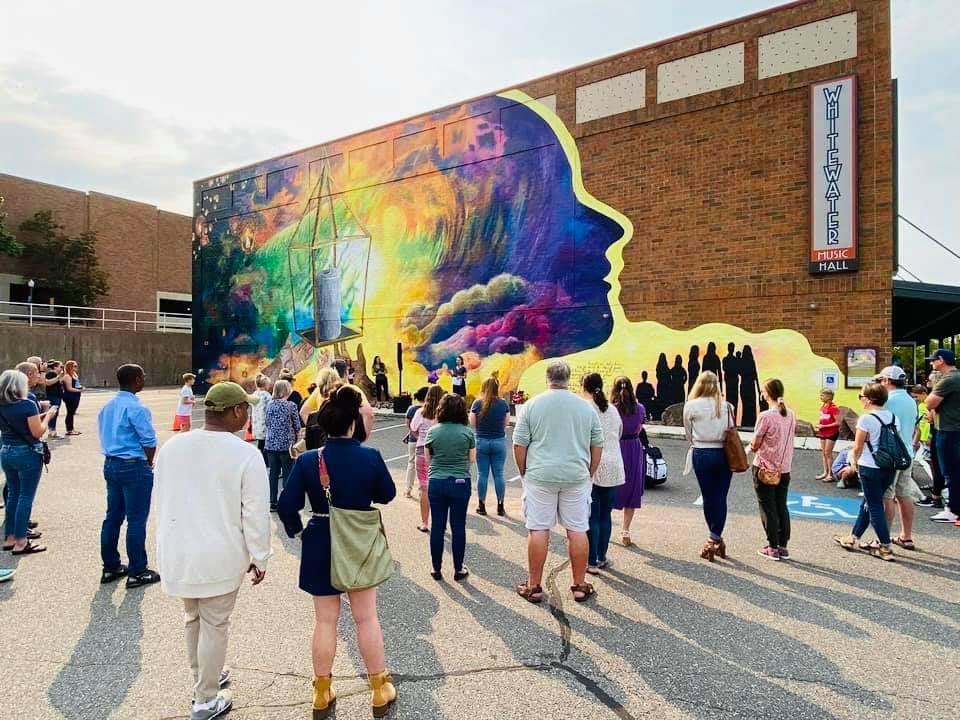
A new creative hub in central Wisconsin is redefining community artmaking by turning donated supplies into a free, sustainable space where anyone can experiment and create.
That hub is Collect & Gather, a secondhand art-supply thrift store and free makerspace tucked inside Artist & Fare in Plover. Open since September, the project blends accessible materials, recycled creativity and community connection into a model that feels both practical and quietly radical.
News with a little more humanity
WPR’s “Wisconsin Today” newsletter keeps you connected to the state you love without feeling overwhelmed. No paywall. No agenda. No corporate filter.
In a conversation on WPR’s “Morning Edition,” founder Jacquelyn Tolksdorf said the idea is simple: donated art supplies are resold to help fund a no-cost makerspace, where anyone — seasoned artist or first-time maker — can drop in and start working.
“You can come and put your headphones on and ignore everyone else there, or you can start talking to some people and make new friends,” Tolksdorf said. “And a lot of it is learning new techniques on different things.”
Tolksdorf created the space with one goal in mind: lowering the barriers that often keep people from exploring art.
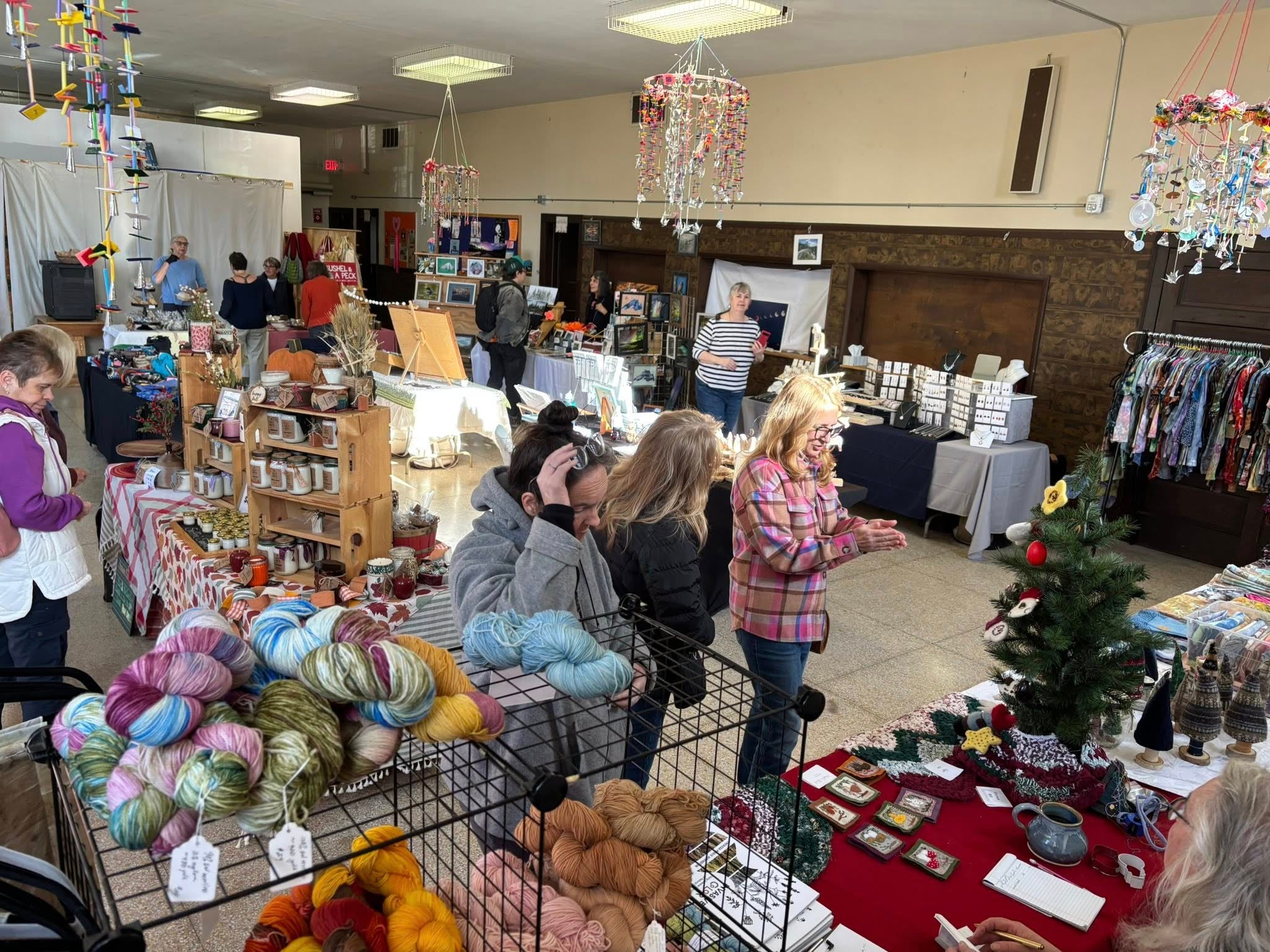
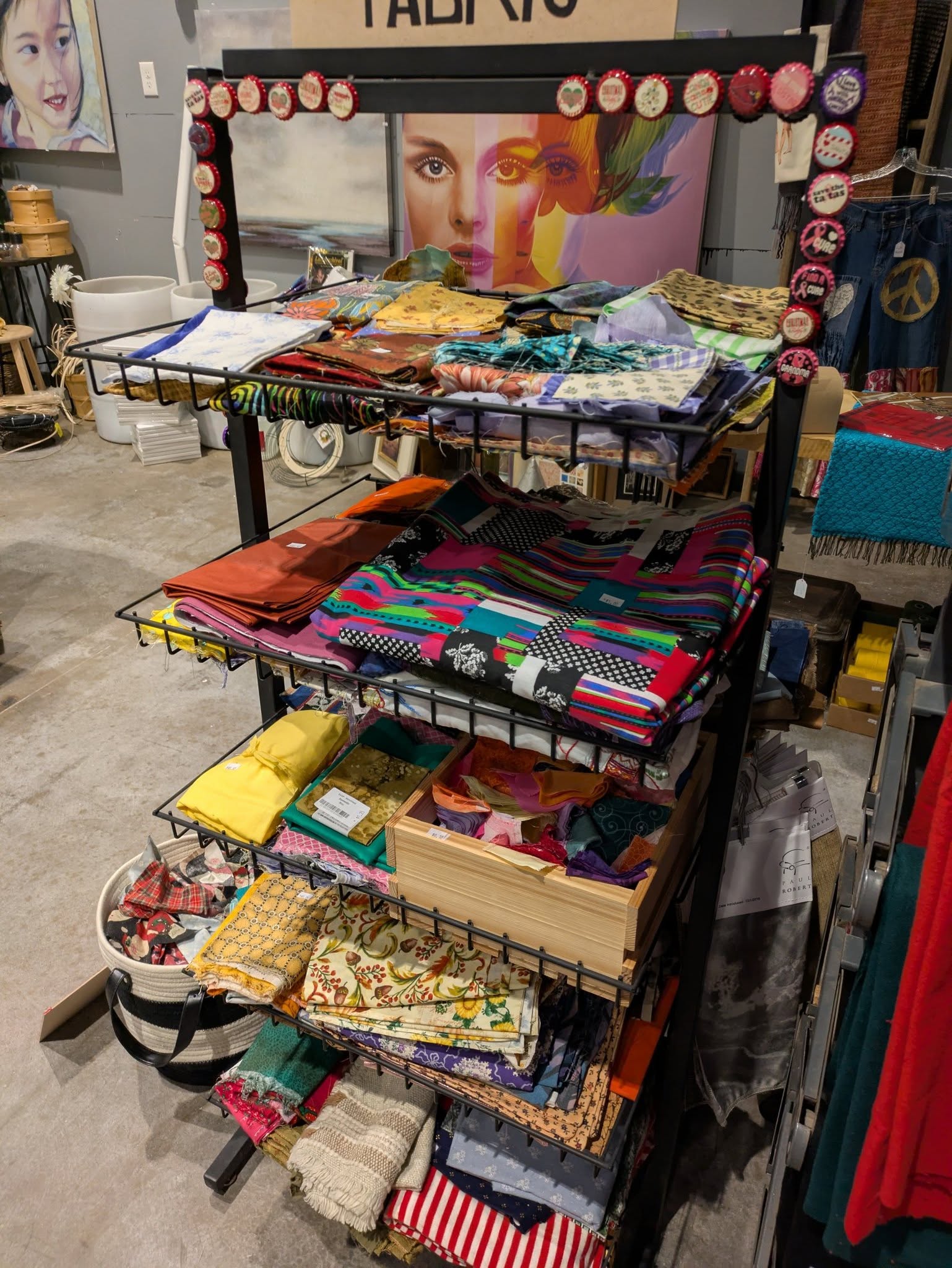
On the thrift side, visitors will find everything from gently used painting supplies and rug-hooking kits to recycled fabric, future screen-printing materials and odd hardware pieces.
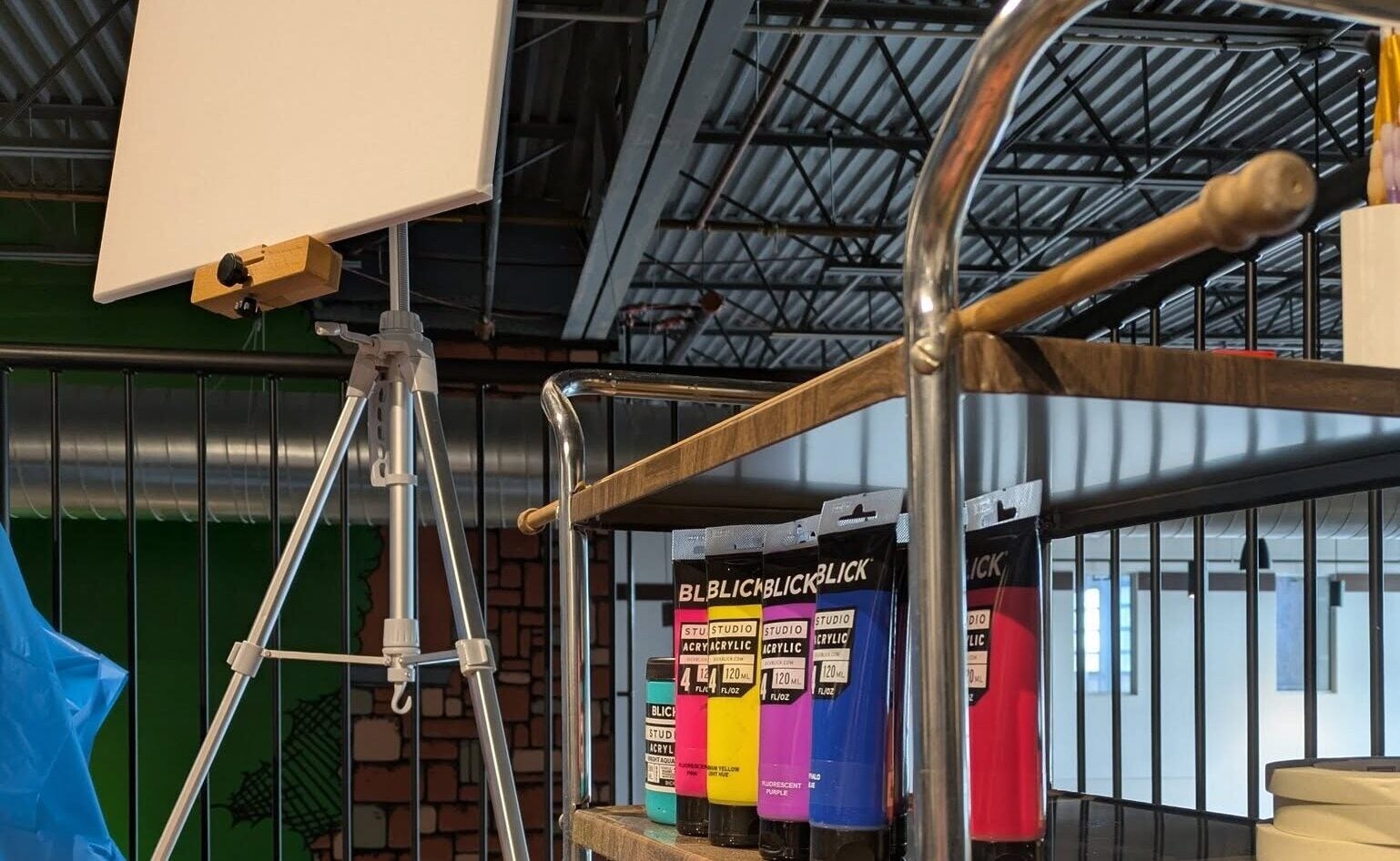
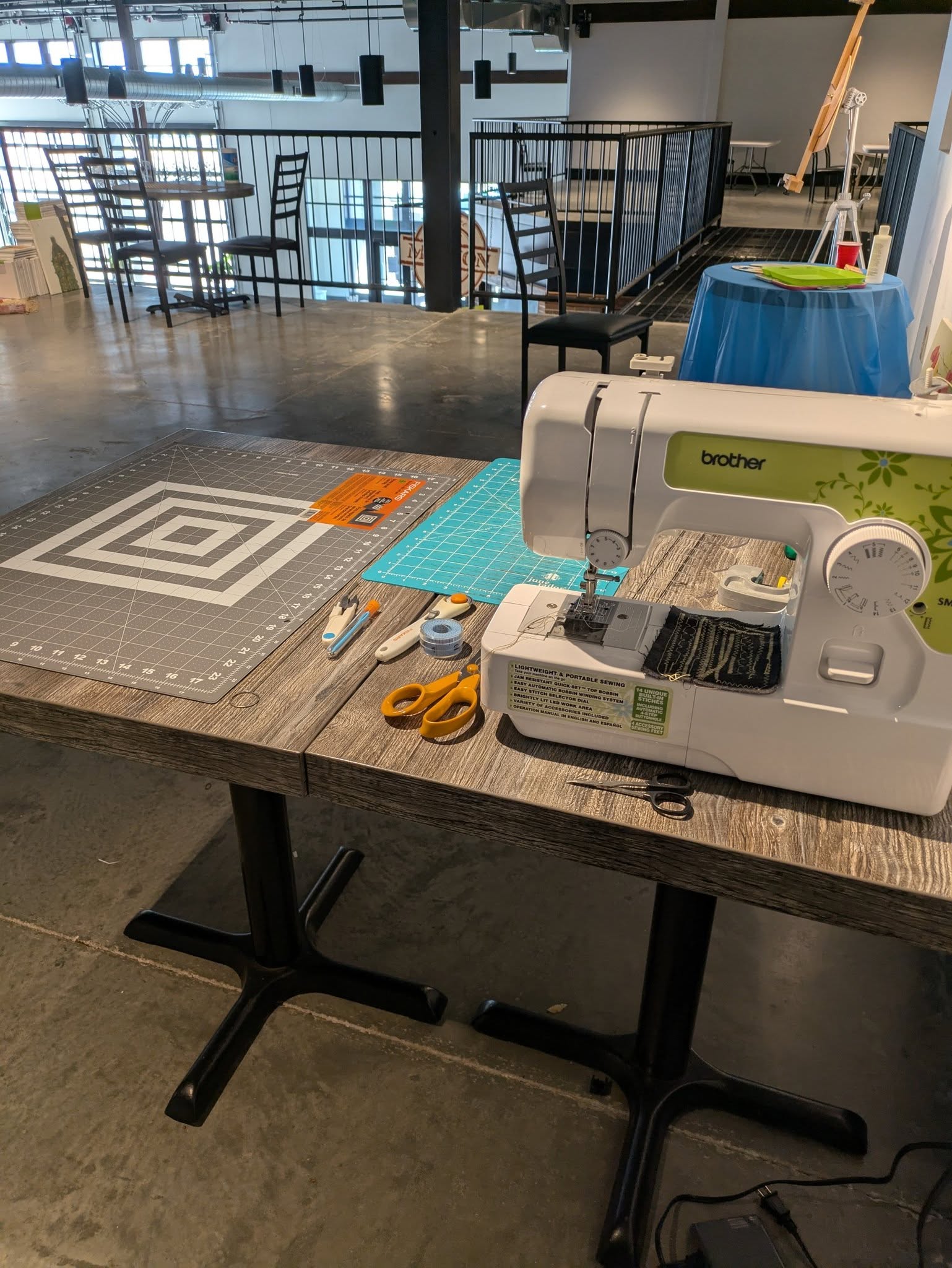
Upstairs, the free community makerspace offers room to paint, sew, mend, sculpt or simply tinker with new ideas.
As demand for low-cost, accessible creative spaces grows, Tolksdorf sees the model as one with potential far beyond Plover. For now, Collect & Gather is becoming a go-to spot for Portage County makers — a place where sustainability meets imagination, and where creative play feels truly open to everyone.
The following interview was edited for brevity and clarity.
Shereen Siewert: How do you describe the mission of Collect & Gather to someone who’s walking in for the first time?
Jacquelyn Tolksdorf: This is a space where you can start creating.
We have galleries in every city full of talented artists, but those artists had to start somewhere. They had to play around with stuff. They had to experiment to find their medium. And a lot of artists don’t have the funds to play around with different types of paints or different techniques, or even to go out to workshops because those cost money, too.
A makerspace is at the heart of artistry, a place to go whether you’re brand new and starting out, whether you’re a little kid doing macaroni crafts or whether you’re an accomplished artist who doesn’t have a studio they’re renting.
Maybe you need a space that fills you with more creativity or gives an opportunity to be around people. We find that a lot of people after the pandemic want to go to workshops and sit next to people to paint, do stained glass or whatever it might be, but there is still a lot of anxiety around that now.
The makerspace is a gateway into that.
SS: What kind of artwork is being created there?
JT: About a third of it is local junk artists who take recycled materials as their medium. We have metal artists. We have people who recycle fabric into art.
The things available on the thrift side are all donated. People have donated rug hooking stuff and painting supplies, a future screen-printing station to go there. We’re hoping to build a completely stacked up, free community makerspace for Portage County.
SS: Why was free access so important to you when you launched?
JT: It is just something that we’re losing a lot of, not just in the arts world but in a lot of ways. It’s about serving the community.
The population below the poverty line is not decreasing, it’s increasing, and we need to think about that.
SS: How does sustainability shape the way you collect and sort and repurpose materials?
JT: It’s pretty much everything. If you’re creative, you can make something out of anything. We have a whole section in the thrift store of junk, like disassembled oil lamp parts that artists have made robot sculptures from.
We had an empty your junk drawer day in the store and people go crazy for all the bits and bobbles because you might just need one tiny little piece of something to finish your sculpture. Removing things from landfills, diverting plastics, that’s all a big part of this. We do have big recycling bins inside the store, too.
SS: What is the coolest thing that you’ve seen come out of that space?
JT: There is so much funky stuff. Our junk metal artists, who don’t like being called artists because they’re welders, make very cool stuff.
We have one artist who made a guitar sculpture out of a tractor seat, an old cast iron tractor seat. Or, he takes whiskey barrels and bends them into shapes. He’s made owls out of saw blades. The stuff that is sitting in your garage that you wonder how to get rid of — he thinks of a way to use it.
SS: What about volunteers and community partners? What role do they play in making this a success?
JT: Volunteers are a big part of our mission. Makerspaces always need someone to oversee the group every day, not so much a hall monitor, but someone who wants to be there to teach something.
Maybe they want to teach mending techniques on the sewing machine, how to let in your pants, or put patches on. Even little popups like that with volunteers are invaluable to us because it adds programming that normally we would have to raise grant funding for.
SS: Do you see this as a model that could be replicated in other communities?
JT: Yes. The thrift store model would do well anywhere. There are always people who neeed supplies or need to hone a craft. They come here and the ideas start flowing.
It’s a great way to help fund, especially for nonprofits during a time when grants are on pause or less certain. The world is changing in how people donate their money, and we have to get creative in how we fundraise.
If you have an idea about something in central Wisconsin you think we should talk about on “Morning Edition,” send it to us at central@wpr.org.