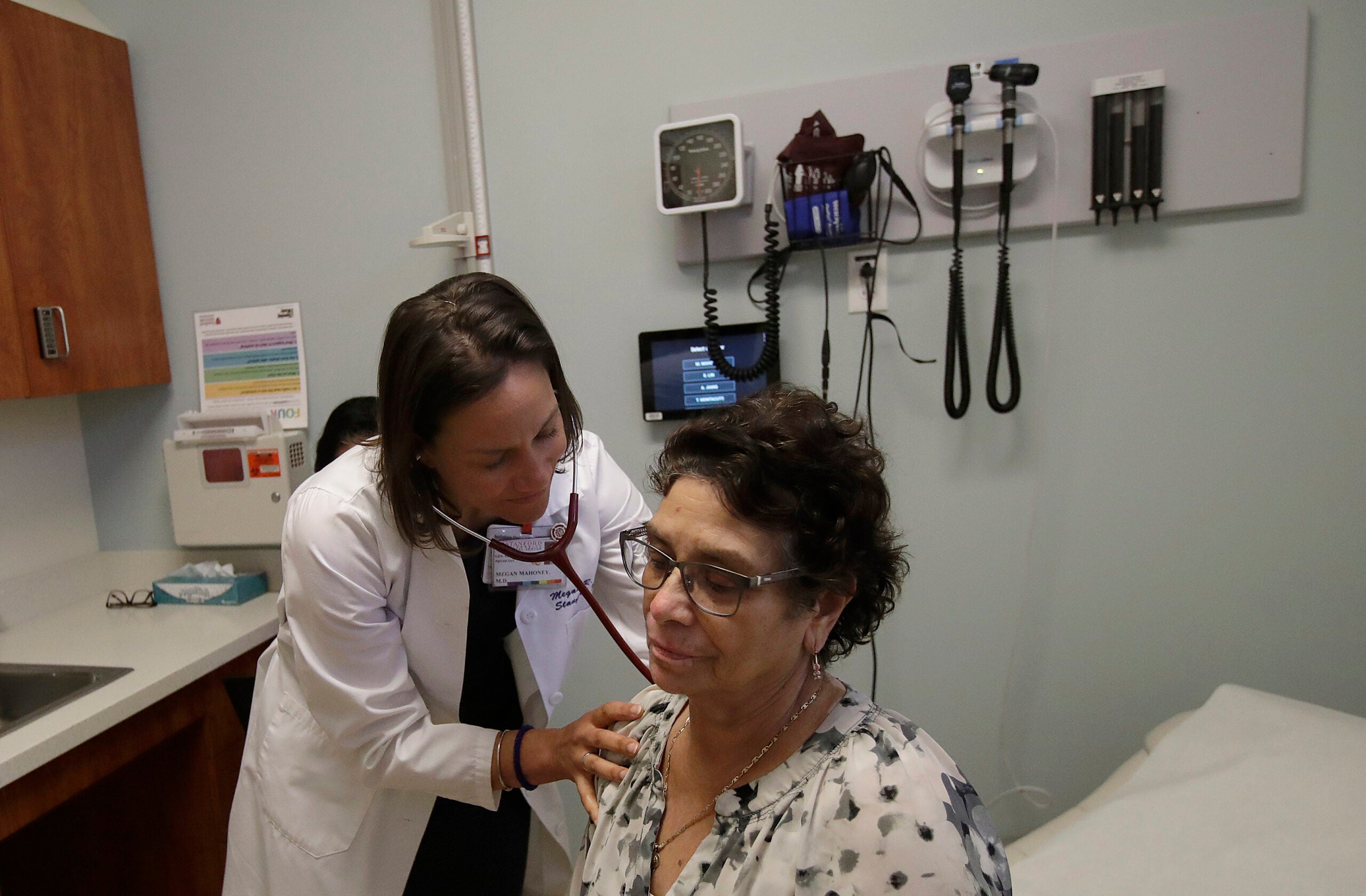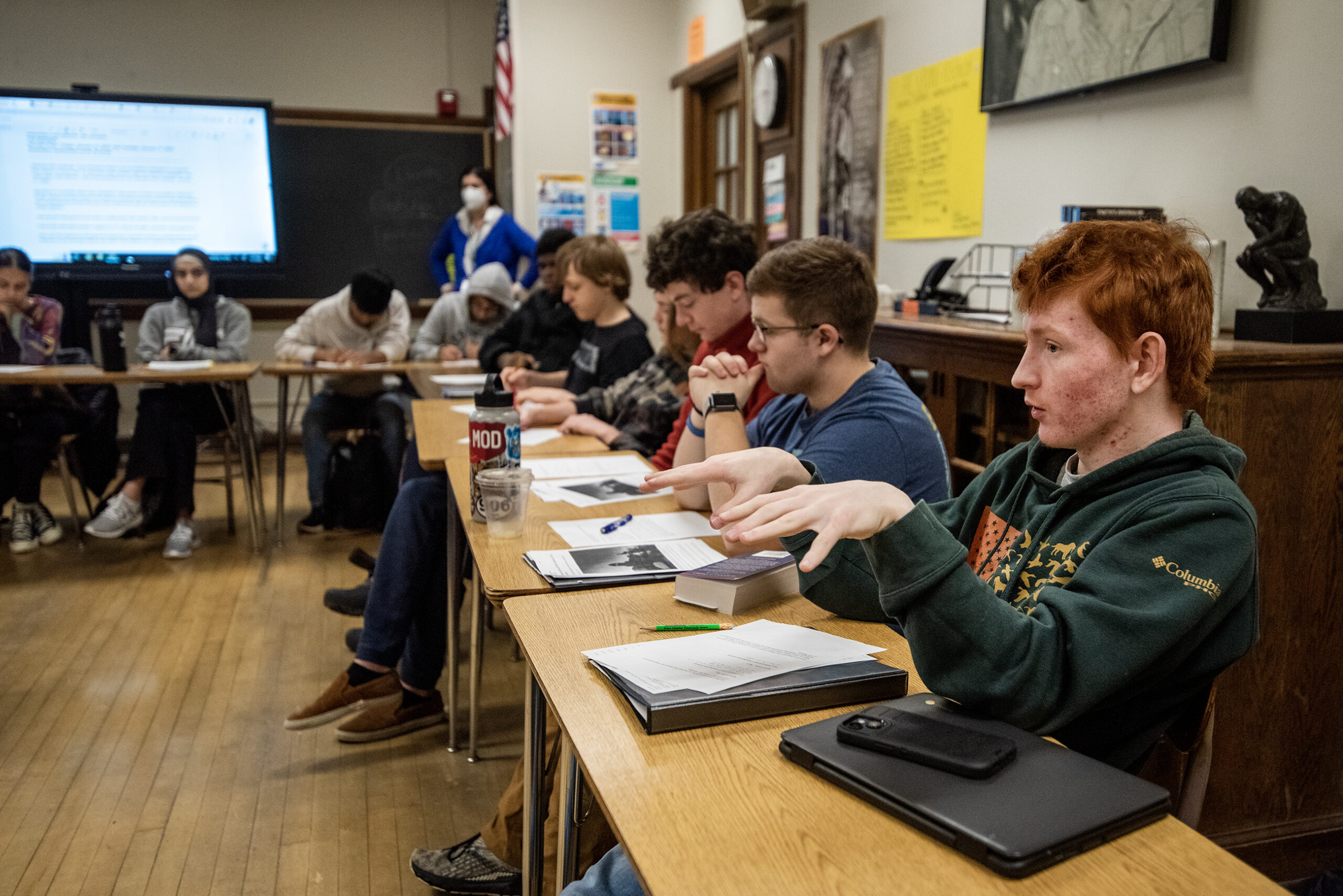

The average full-time teacher in Wisconsin makes $61,000 a year. But nearly 20 percent of that salary pays for health care benefits.
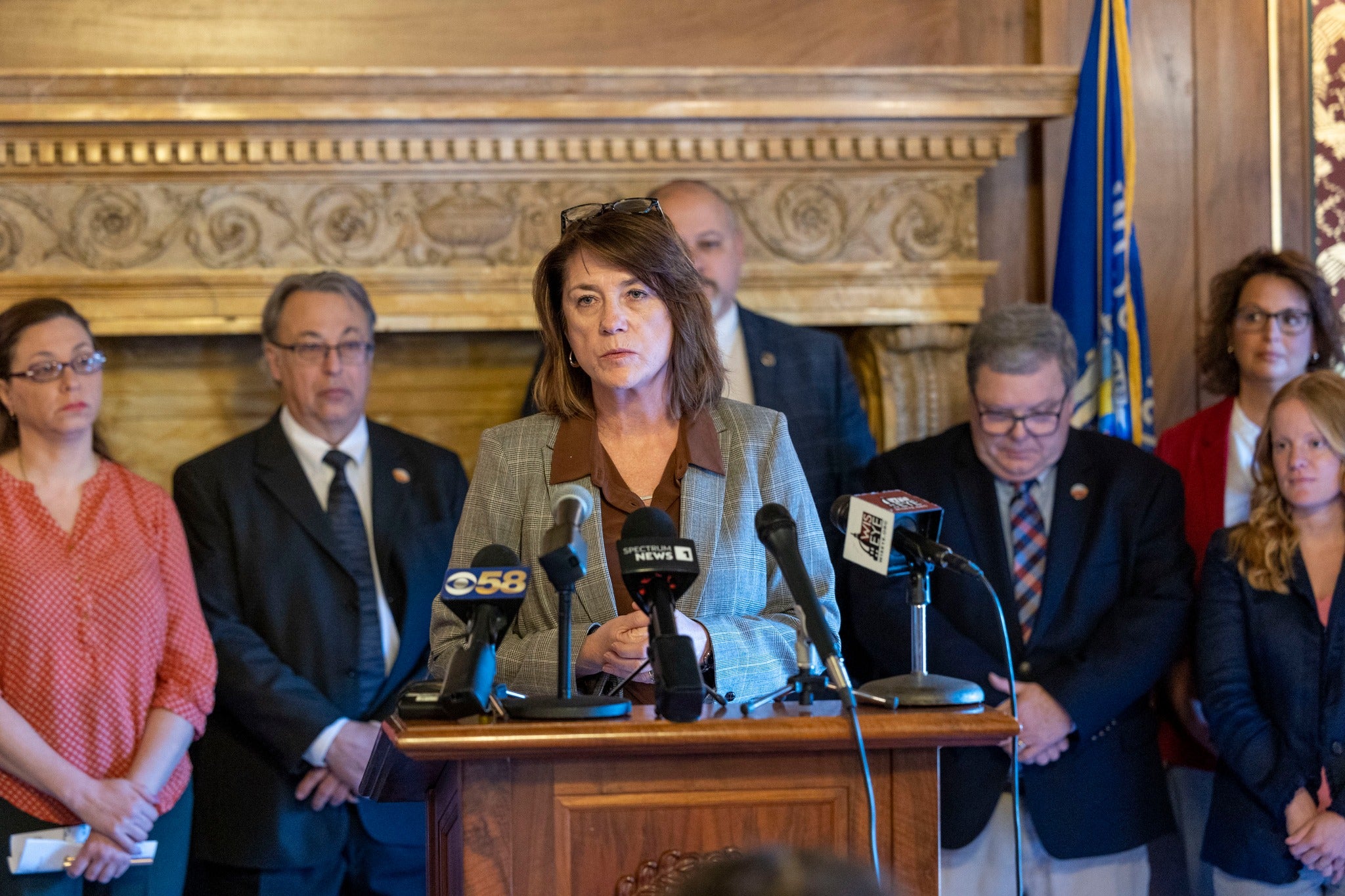
The average member of the Wisconsin Legislature is also paid $61,000 a year but pays about half as much for their health care benefits.
Educators and some legislators want to explore allowing school districts to purchase health insurance together to save money, similar to how other state employees pay for their benefits.
News with a little more humanity
WPR’s “Wisconsin Today” newsletter keeps you connected to the state you love without feeling overwhelmed. No paywall. No agenda. No corporate filter.
Vaughn Vance, president of WEA Trust, created a website using data from Wisconsin school districts, the Department of Administration and the Department of Public Instruction showing how much each school district is paying for health benefits.
He said data shows the majority of teachers are one health care crisis away from financial ruin.
“Most taxpayers don’t want teachers who get cancer to have to have a GoFundMe page or bake sale to pay for their cancer treatment, and we’re not far away from that,” Vance said.
Multiple districts reported that their employees have more than 50 percent of their total gross compensation on the line for health insurance expenses.
For example, employees in the School District of Shell Lake have an average salary of $53,000 but pay $20,000 towards family coverage, have an $8,000 family deductible and a $10,000 maximum out-of-pocket limit. That is more than 56 percent of an employee’s gross wages exposed to health care costs.
According to the WEA Trust website, the Merton Community School District in Waukesha County has the largest deductible, costing $11,756 for a single plan and $26,670 for a family. The average salary in that district is $63,953.
The Plum City School District in Pierce County has the largest out-of-pocket maximum at $26,000. The average salary is $54,703.
Thirteen school districts reported that less than 50 percent of staff are eligible for health insurance.
Act 10 ended collective bargaining for health care costs
In 2011, the state law known as Act 10 blocked unions from negotiating members’ benefits through collective bargaining.
Christina Brey, with the Wisconsin Education Association Council, said for years, teachers would bargain for lower salaries in exchange for better benefits.
“What’s happening is their salaries are stagnant or going backwards as these health insurance premiums and the co-pays increase, and nothing’s being done to help them,” Brey said. “Teachers aren’t being paid enough to keep them in the profession, as we see by the shortages.”
The issue is not unique to public school employees. Private sector businesses are also facing this crisis. But Vance said the private sector generally has more options when dealing with rising health insurance costs.
According to a 2025 Employer Health Benefits Survey from the health research organization KFF, workers contributed an average of $6,850 toward the cost of family coverage. The average deductible among covered workers in a plan with an annual deductible was $1,886 for single coverage.
Democrats in the Wisconsin Senate introduced a bill in October that would initiate a study on placing educators in the state group health insurance program.
The average family deductible for an educator is $4,889. State employees pay $500 for a family deductible.
The proposal was moved to the Committee on Insurance, Housing, Rural Issues and Forestry. Sen. Romaine Quinn, a Republican who chairs the panel, did not respond to requests for comment from WPR on whether the bill would get a hearing.
A teacher in Quinn’s home town of Birchwood makes $49,255 a year. Twenty-four percent of that salary pays for health care benefits, according to the WEA Trust website.

Wisconsin Public Radio, © Copyright 2026, Board of Regents of the University of Wisconsin System and Wisconsin Educational Communications Board.