Dr. Wendy Molaska has been fielding a lot of calls lately at her direct primary care clinic in Fitchburg from people looking for affordable alternatives to expensive health insurance plans.
During open enrollment, which ends today, people with health insurance through the government marketplace are finding that prices have jumped significantly from the previous year. In Wisconsin, the average monthly premium for 2026 plans more than doubled.
Facing these price hikes, some people “are going with the catastrophic, higher-deductible plans and then coming in and saying, ‘Hey, what do we do to help supplement that?’” Molaska told WPR’s “Wisconsin Today.”
News with a little more humanity
WPR’s “Wisconsin Today” newsletter keeps you connected to the state you love without feeling overwhelmed. No paywall. No agenda. No corporate filter.
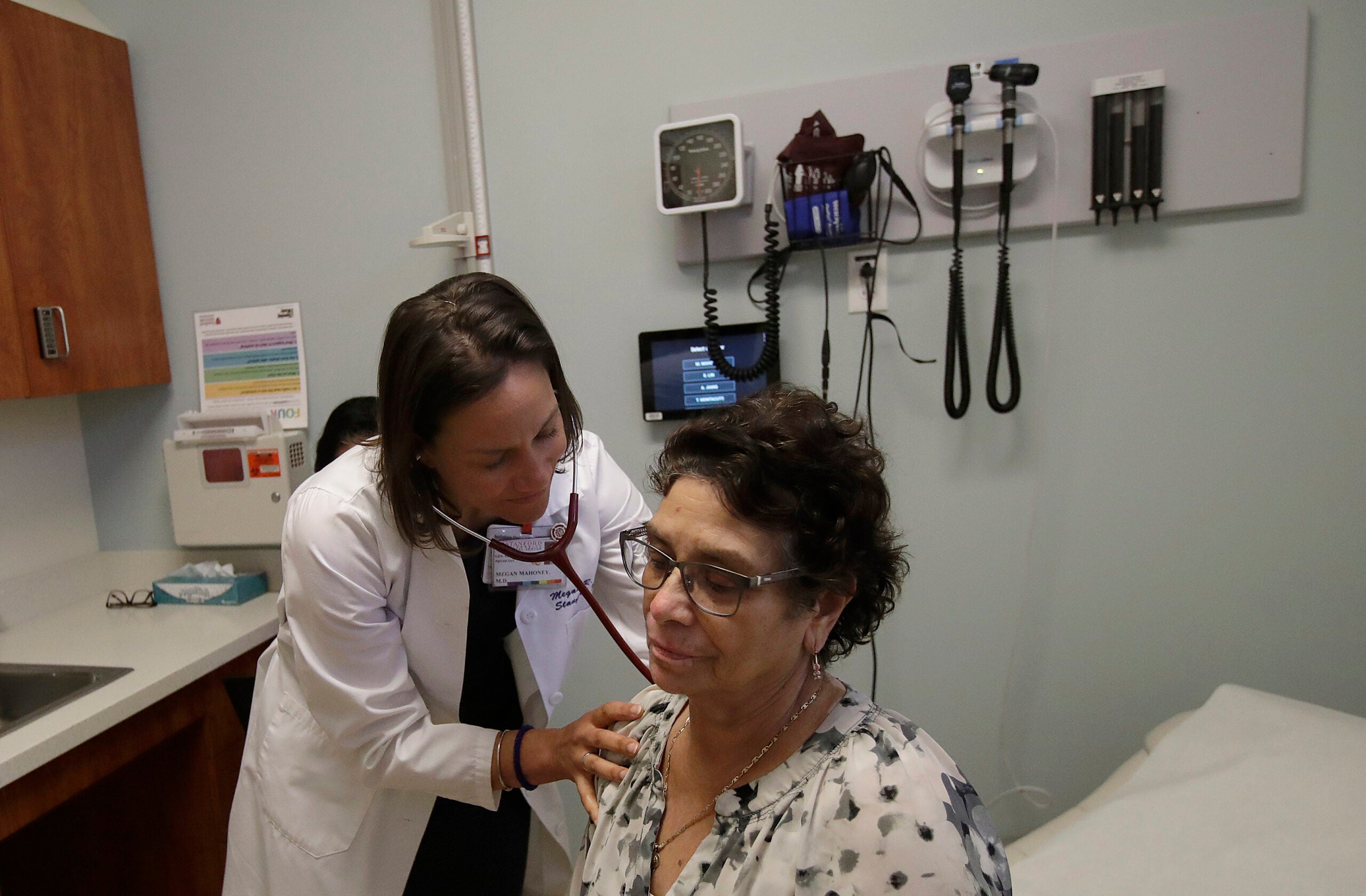
Molaska is offering a possible solution. Direct primary care, or DPC, is a health care business model where patients bypass insurance companies and pay a recurring membership fee directly to their doctor for unlimited access to primary care services. The fee covers regular doctor’s appointments for basic illnesses and injuries along with preventative services like physicals and cancer screenings. It does not cover prescription medications, specialist care or hospitalizations.
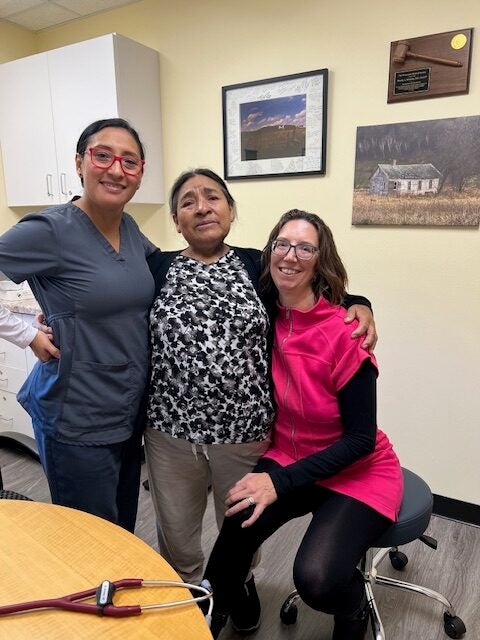
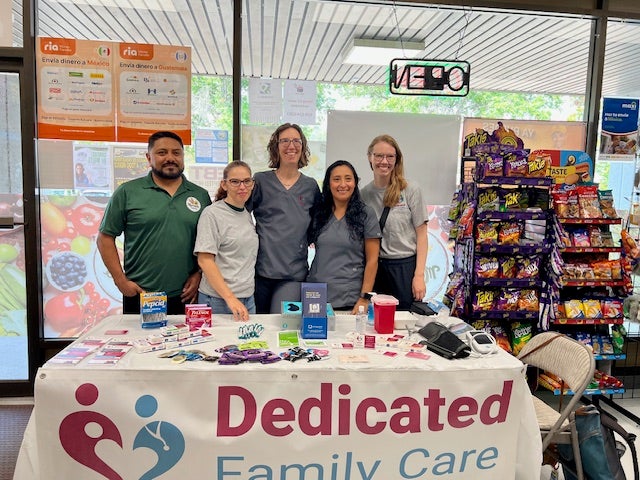
At Molaska’s practice, Dedicated Family Care, members pay between $45 and $110 per month based on their age. The list of available services includes family planning and nutritional counseling, treatment for minor infections and injuries, in-office procedures like wart removals and chronic disease management for conditions like diabetes and arthritis. Molaska calls it “womb to tomb medicine.”
Molaska opened the clinic in 2019 after experiencing burnout in the health care system and nearly leaving the profession. She says that the direct primary care model allows her to practice medicine the way she wants.
“I can have a clinic that serves underserved populations. I can focus on patient care,” she said. “I’m no longer seeing 2,500 patients on my panel, I’m seeing 600, but I would say that those 600 are getting much better care than when I was in the system.”
Direct primary care grows in popularity
A small but growing number of doctors are moving to a direct primary care model. Between 2018 and 2023, the number of DPC and concierge practices grew by 83 percent nationwide, according to research published in December. In Wisconsin, there are more than 100 DPC practices around the state, some with multiple clinics.
The demand is expected to increase after enhanced subsidies for the Affordable Care Act lapsed at the end of last year, increasing monthly premiums.
Last year, around 300,000 Wisconsin residents qualified for and used the enhanced subsidies, said Dan Sacks, associate professor of risk and insurance with the Wisconsin School of Business at the University of Wisconsin-Madison.
“It’s just going to be a lot harder for many people to get coverage,” he said.
Direct primary care has traditionally been thought of as a “boutique” service that affluent patients might layer on top of existing health insurance to get better access to their doctor. Because DPC physicians tend to have a smaller pool of patients, members of their clinic can often get same-day or next-day appointments.
“In the past, it’s mainly been appealing to high-income patients who can afford it and are willing to pay extra for that really quick turnaround,” Sacks said.
However, the clientele interested in this membership model of primary health care seems to be changing as health insurance becomes less affordable. At Molaska’s practice in Fitchburg, 40 percent of the patients don’t carry health insurance.
“We actually have a huge proportion of our patients who are completely uninsured because they’re kind of falling through the cracks of making too much for BadgerCare here in Wisconsin, but not having health care through their employers,” Molaska said.
With those patients, Molaska recommends pairing her direct primary care services with a catastrophic health plan with a low monthly premium that will kick in for major expenses like hospitalizations after the deductible has been met, limiting the financial blow for unexpected emergencies. In 2026, these plans have annual deductibles of $10,600 for individuals and $21,200 for families.
The costs can still add up, though, even with just one ER visit or surprise diagnosis. Sacks, the health economist, said that up to 95 percent of health care spending is on services that don’t fall under the umbrella of primary care.
“Although for a lot of people, their primary care provider is the face of their interaction with health care, only about 5 percent of health care spending is on primary care,” he said. “The vast majority of it is on everything else — so that’s drugs, but also specialist care, hospitalization, surgeries, cancer care. And, essentially, none of that would be covered with direct primary care.”
Cost and health benefits of direct primary care
While there has been limited research on the cost benefits or health outcomes of direct primary care at a systemic level, advocates argue that DPC can reduce overall spending on health care because people see their doctor instead of waiting until a problem is too urgent to ignore.
About one-third of American adults say that in the past 12 months they have skipped or postponed getting health care they needed because of the cost, according to the latest polling from KFF, a nonpartisan health policy organization. The number goes up to 75 percent for uninsured adults under age 65.
People are less likely to delay seeing a doctor when paying for direct primary care, said A.J. Moore, director of compliance and strategy at ViaroHealth in La Crosse.
“With direct primary care memberships, once somebody is a member, that idea that you would delay or deny yourself care is kind of out of question,” Moore said. “It’s no longer part of the equation that you have that anxiety of the dollar sign or how long it’s going to take to get in to see or talk to your provider.”
Molaska has witnessed this at her practice.
“A lot of my patients say that the little things can now stay little,” she said. “They don’t put off going to the doctor because of the worry of co-pays and coinsurance and deductibles.”

Direct primary care sees a changing policy landscape
The policy and regulatory landscape for direct primary care has been evolving. The 2025 federal budget reconciliation legislation passed in July included a provision allowing people to use a health savings account to pay for direct primary care services.
In Wisconsin, legislation that would exempt direct primary care practices from being regulated like insurance has been introduced multiple times with bipartisan support since 2017. So far, it has failed to advance because of disagreements between Republicans and Democrats in the Legislature over discrimination provisions.
In August, Gov. Tony Evers vetoed one of these bills because it failed to provide “sufficient protections for patients receiving care under direct primary care agreements from being discriminated against and potentially losing access.”
Molaska wants to see this legislation passed with the discrimination protections.
“Direct primary care practices tend to keep their overhead low by avoiding having to have coders and billers and somebody to follow up on denied claims and all of that kind of stuff that goes with insurance,” Molaska said. “If we were able to get this passed here in Wisconsin, we would join the majority of states that have this legislation already in place, saying that direct primary care is not insurance but is another option for people to get health care.”
Doctors with other medical specialties are starting to open their own fee-based practices in Wisconsin that operate outside the insurance model.
“Now we have an independent neurologist and rheumatologist, and we’ve got an independent endocrinologist in the Madison area. We’ve got several surgery centers of excellence around the state,” said Ben John, vice president at Self Fund Health, a Wisconsin business that helps employers purchase health care plans directly. “It’s just incredible to see this really working.”
John, who previously worked as a health insurance broker, believes the system is broken and needs an overhaul. He sees direct primary care and other independent health care models as a way forward.
“In Wisconsin, we’re top five in the country as far as high health care costs,” he said. “How do we just buy health care like we buy everything else in our lives? That’s all we’re trying to do.”