New cancer screening technology from Madison-based biotech firm Exact Sciences is now available to the public.
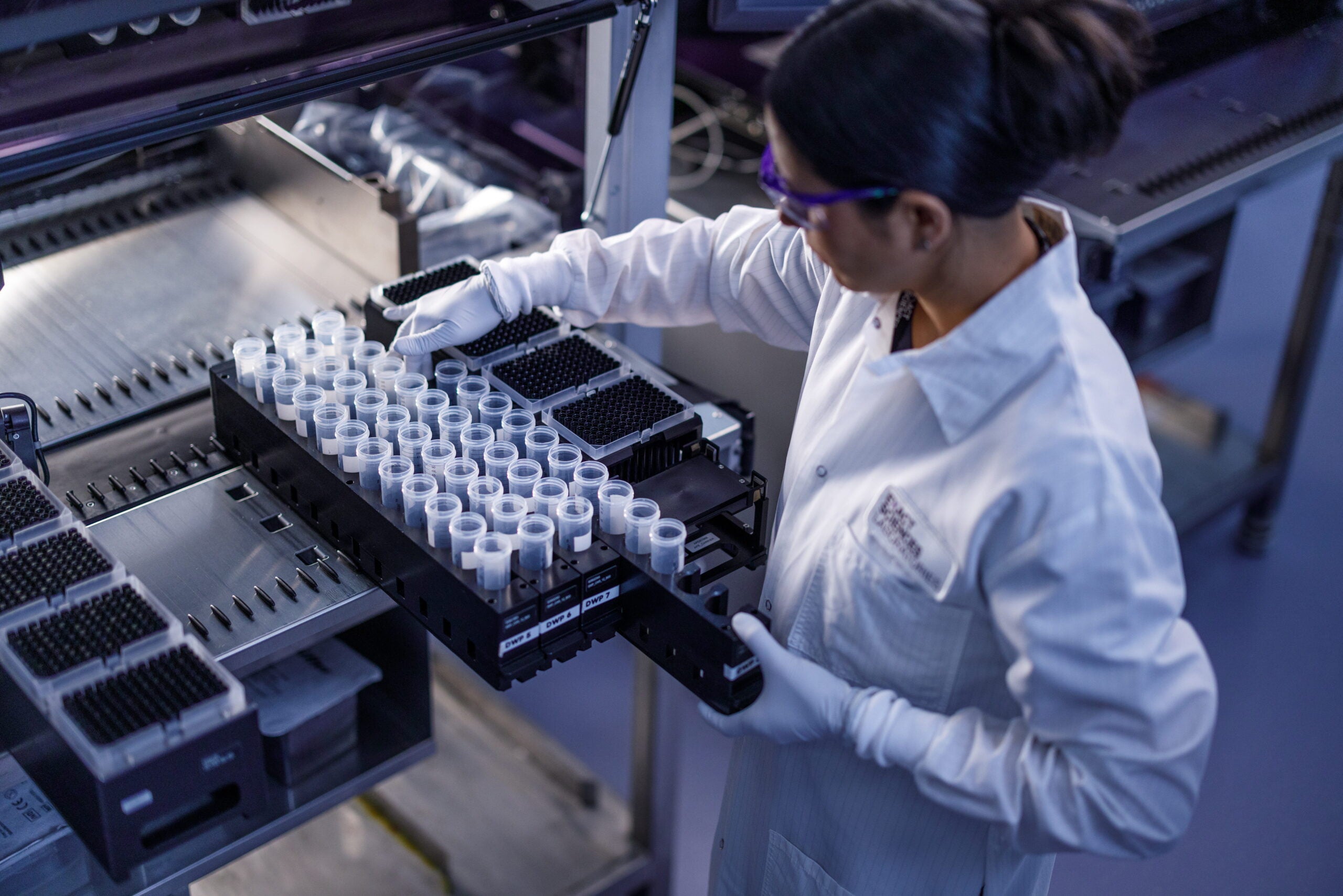
With what the firm calls a “liquid biopsy” test, Cancerguard is “designed to detect more than 50 cancer types and subtypes” using blood samples, according to its website.
While the Cancerguard test is not yet approved by the U.S. Food and Drug Administration, some consumers can already request a prescription for it through their personal health care provider or online from Exact Sciences. The kit costs $689 and is not covered by health insurance.
News with a little more humanity
WPR’s “Wisconsin Today” newsletter keeps you connected to the state you love without feeling overwhelmed. No paywall. No agenda. No corporate filter.
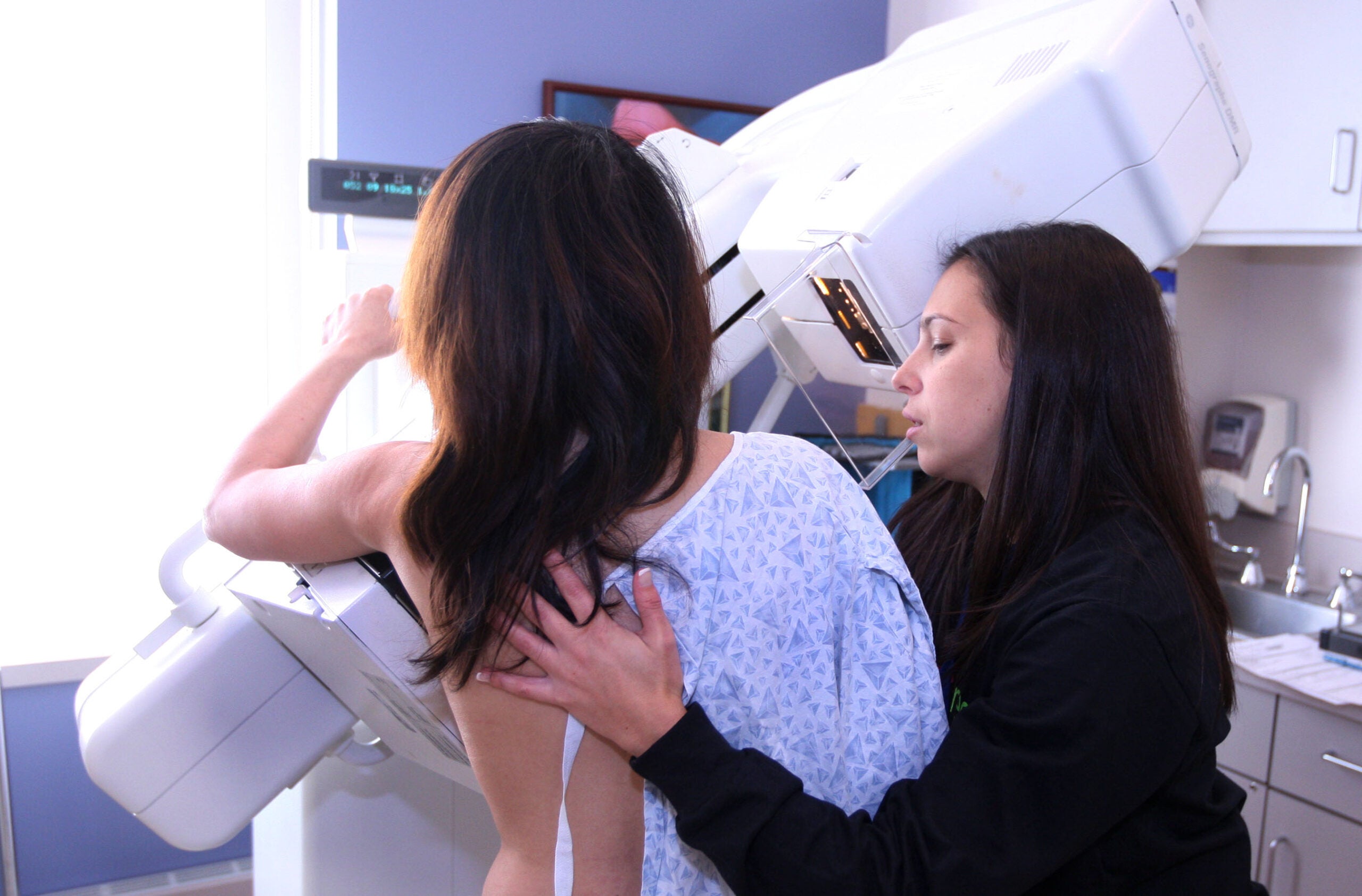
Dr. Tom Beer, chief medical officer of multi-cancer early detection at Exact Sciences, told WPR’s “Wisconsin Today” that the test is not a replacement for typical cancer screenings such as colonoscopies and mammograms. It is meant to complement them.
“We know that early detection of cancer saves lives,” Beer said, “but recommended screening options are only available for four common cancers. About 70 percent of cancer diagnoses and cancer deaths are due to cancers that we do not screen for today.”
Beer hopes the Cancerguard test can help fill in that gap and provide a simple method of detecting cancer as early as possible.
Another biotech company, Foresight Diagnostics, shares this goal with Exact Sciences. But according to Dr. Max Diehn, a professor of radiation oncology at Stanford University and co-founder of Foresight Diagnostics, false positive results from cancer screening blood tests might be cause for concern.
“These false positives are very, very important in the context of cancer screening and remain a challenge,” Diehn told “Wisconsin Today.” “With these blood tests that we are thinking about applying to a very large swath of the population, even a small percentage of false positives could be hundreds of thousands to millions of patients. So it’s something that is still being actively researched.”
In the interview, Diehn shared more about his concerns, his thoughts on current routine cancer screenings and how research funding cuts by the federal government are affecting his work.
The following interview was edited for clarity and brevity.
Kate Archer Kent: How invasive are these tests and how much information can you get from them?
Dr. Max Diehn: It usually requires a couple of tubes of blood, but there are now many different kinds of cancer tests that are being developed. Some are already clinically available that let us either detect cancer in patients where we don’t yet know if they have cancer. Or in patients who are undergoing treatment for cancer, (tests) can tell whether or not the treatment has worked and whether there’s still cancer left in the body.
KAK: And what about the false positives? How accurate are these new tests?
MD: The false positives are a critically important issue, particularly in cancer screening. The reason is that they, of course, lead to a lot of anxiety in patients.
If one has a test come back that says the patient may have cancer, when the patient really doesn’t, that can be extremely stressful, understandably.
It also leads to additional costs and potential procedures that can cause side effects. Even with non-blood tests like mammograms, false positives are a major concern.
KAK: Can you talk about how a routine blood test could predict cancer years before someone would develop symptoms or show clinical signs in a routine physical?
MD: These new generations of cancer blood tests are looking for molecules that are released by cancer cells into the bloodstream.
They can be different types of molecules, such as DNA or proteins, but these are microscopic molecules that are floating in our blood at very low concentrations when we have cancer. The tests look for those molecules. They’re like little traces of cancer that are being shed into the blood.
In some even early-stage cancers, when the cancer is still quite small so it’s not causing symptoms, there’s enough of those molecules shed into the blood that these tests can pick up.
KAK: How exciting is this type of screening technology compared to the range of ways we have to diagnose cancer now?
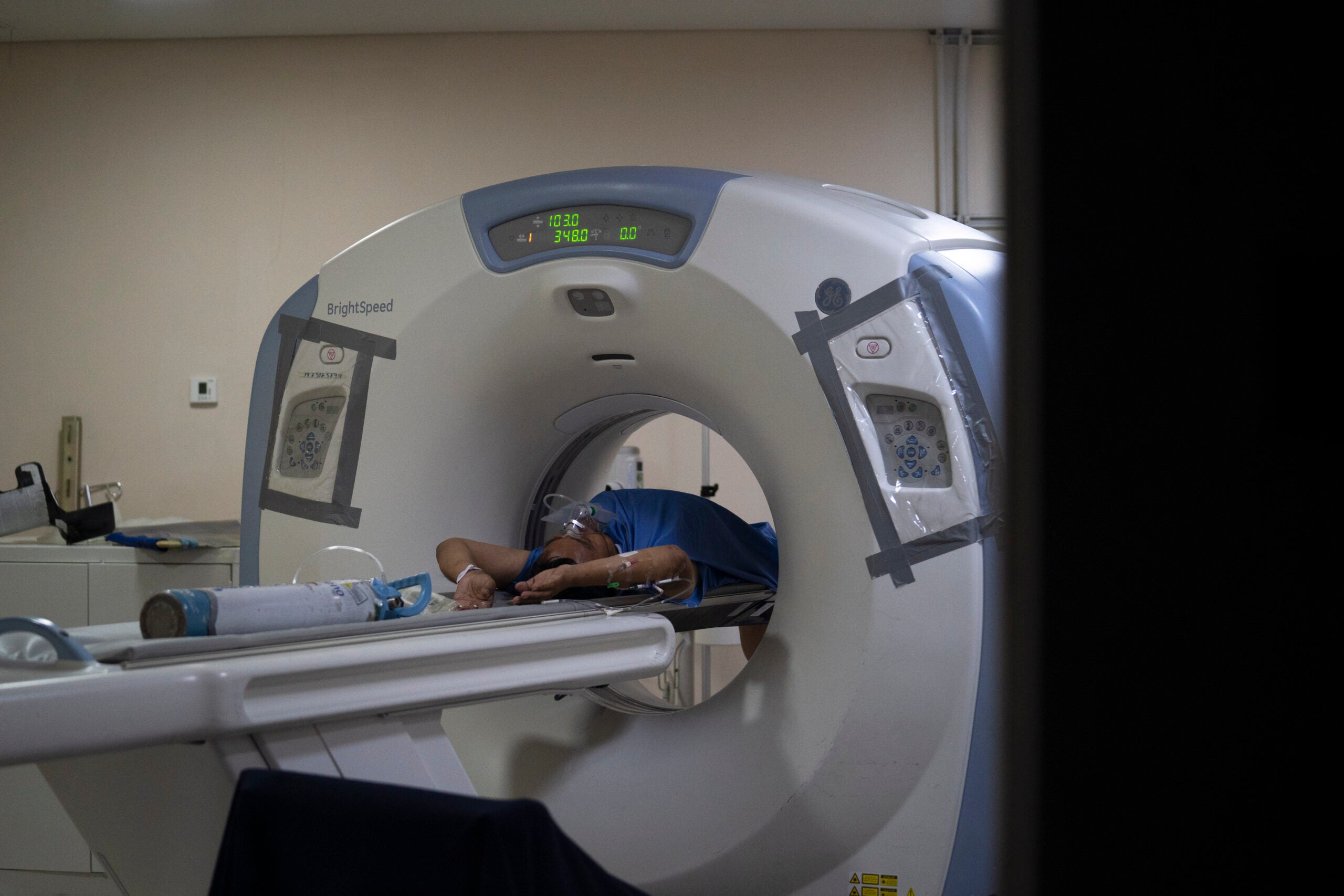
MD: I think it’s very important to point out that the standard of care — the ways we have of detecting cancer such as colonoscopy, mammography, low dose CT scan for lung cancer — those are well vetted and very important, and these tests will not and should not replace those modalities.
These tests are exciting because they can, at one time, test for multiple cancers, where those others each generally test for a single type of cancer. However, these tests are not yet proven. While they’re becoming clinically available, they are still very much in the early stages of their clinical development.
None of the tests have yet demonstrated high-level evidence that they actually save lives from cancer. In order to do that, what’s required is a randomized study where half the patients get the test and half the patients don’t, and then those patients are followed for years to see which group has fewer deaths from cancers.
These studies are time intensive and expensive, and they have not been completed. Until we have those studies, we can’t be certain that these tests actually save lives from cancer. And so while we’re all very excited that these tests (are) available, I think it’s important to recognize that these are still at the bleeding edge of medical science and there’s a lot we don’t know yet.
KAK: In light of the time and money these studies take, the Trump administration has canceled hundreds of millions of dollars in cancer related research. It’s reducing the percentage of expenses that the government will cover for federally funded cancer research labs. What impact will this have on tests like this and finding a cure for cancer?
MD: Yes, we’re all very concerned about the significant funding cuts that have happened to biomedical research in general. But for cancer research in particular, these cuts for sure will decrease progress. They will mean that we cannot do some of the types of studies I mentioned that really need to be done.
The National Cancer Institute has a big effort of trying to launch some clinical trials that would do exactly what I said — to actually try to prove that these tests save lives from cancer. Because the biotech companies, by and large, have not done that on their own. They’ve been trying to avoid doing those studies for a variety of reasons and so I think it’s really important that the government steps in here and does this kind of research to really tell us whether there’s societal benefit for these tests. That’s unfortunately going to either not happen or happen much more slowly because of the funding cuts we’re dealing with.
KAK: What is the next step for your research?
MD: I think that we are still in a phase where we really need some additional technological advances in order to really develop screening blood tests that will be guaranteed to save lives. So my research is intently focused on trying to develop the next generation of blood tests that is even more sensitive and even more specific, so it has even less false positives to hopefully, eventually achieve the goal of saving lives from cancer with a simple blood test.