Madison immigration attorney Natalia Lucak is working to help a couple apply for green cards. Her clients, both in their 60s, are refugees. She said a year ago, the process would have been fairly straightforward because of the amount of vetting refugees are required to go through before entering the United States.
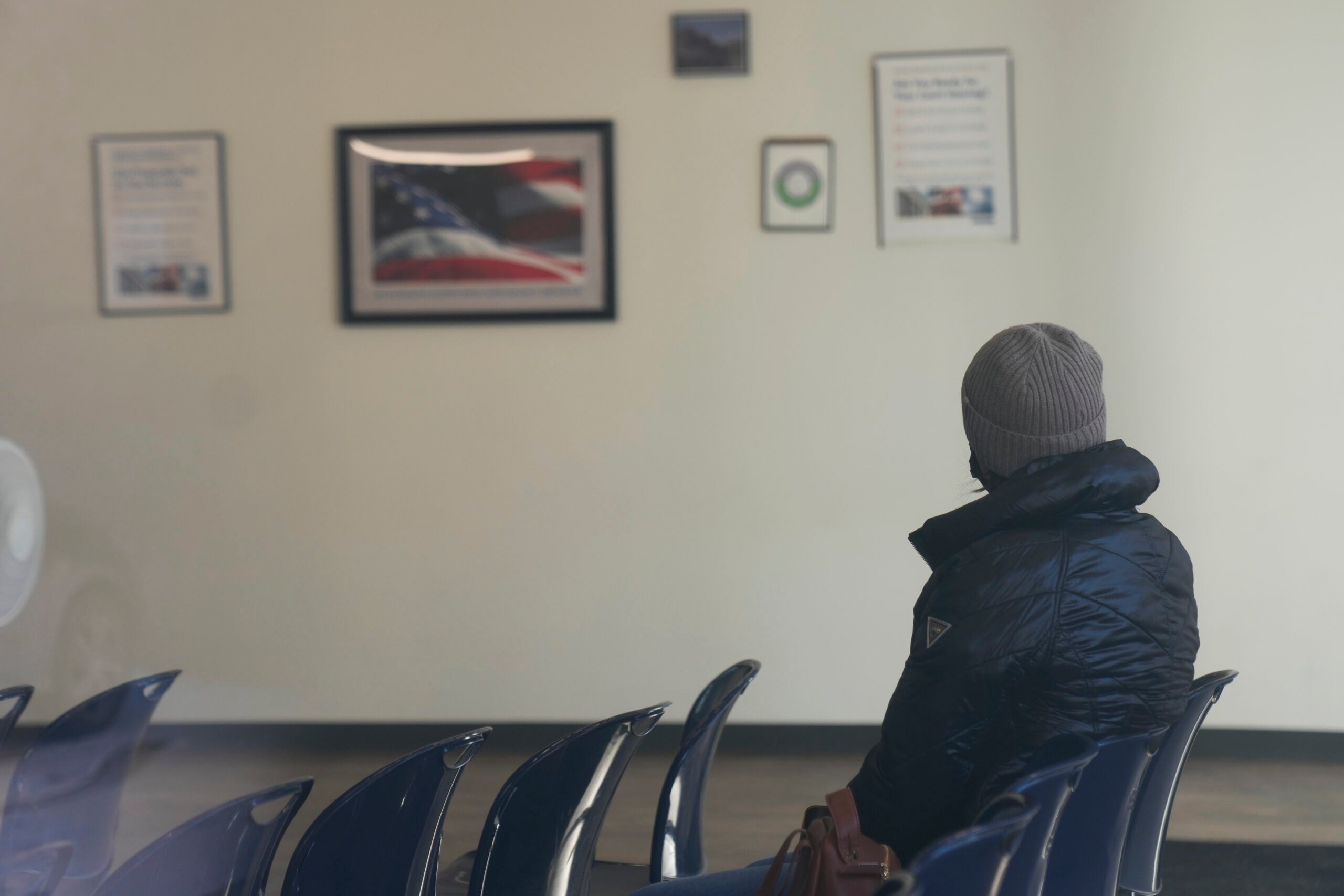
But now, it’s a different story. Her clients needed to travel to Milwaukee for an in-person interview. In the past, they only would have needed to submit documents. The trip was logistically complicated, Lucak said, as the clients managed health issues and medication timing throughout the day.
Lucak said most of her cases are more complicated now. Over the past year, President Trump’s administration has radically changed the immigration landscape in the United States.
News with a little more humanity
WPR’s “Wisconsin Today” newsletter keeps you connected to the state you love without feeling overwhelmed. No paywall. No agenda. No corporate filter.
Meanwhile, Wisconsin’s immigration attorneys are feeling strained as they try to keep up.
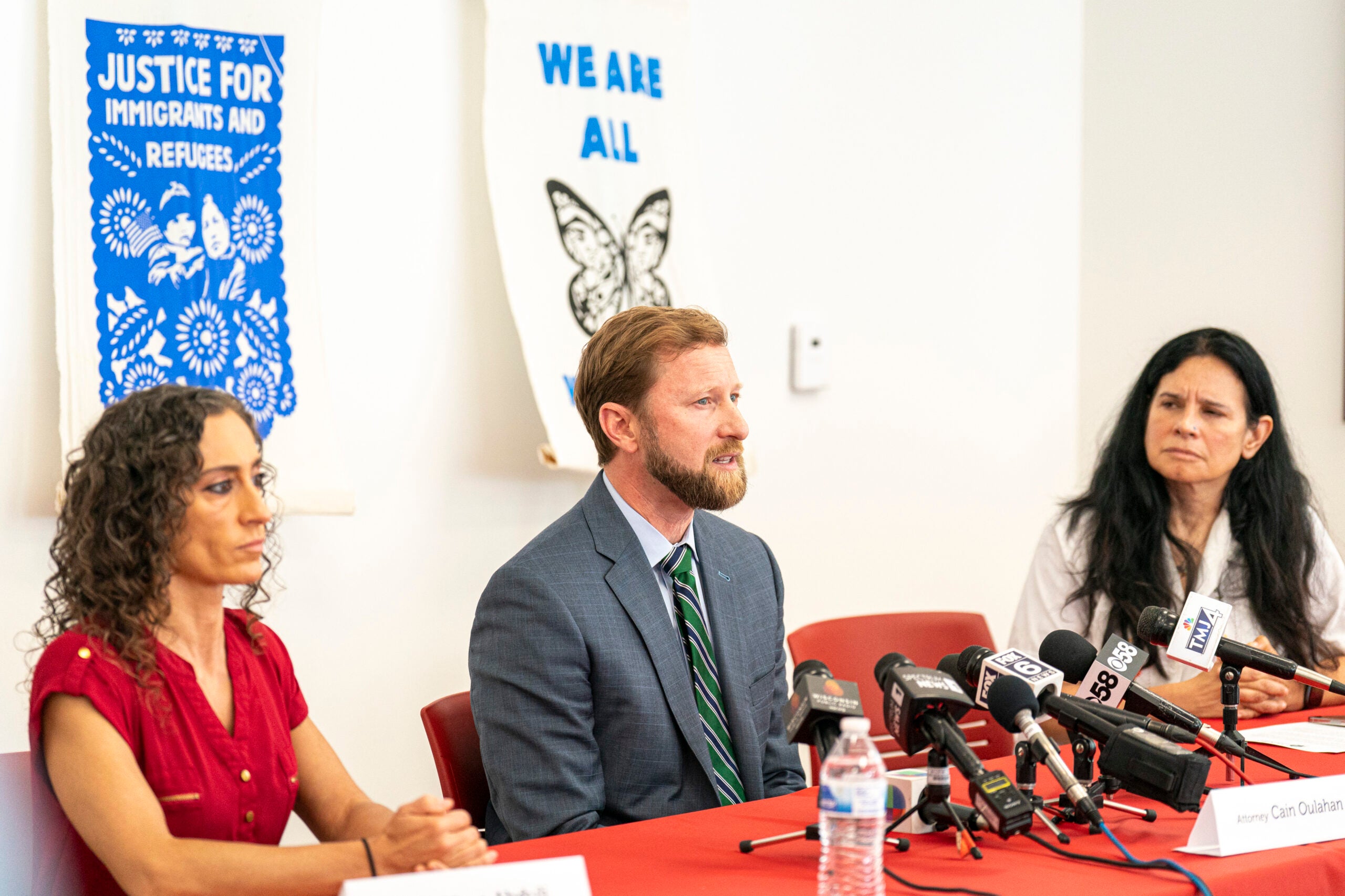
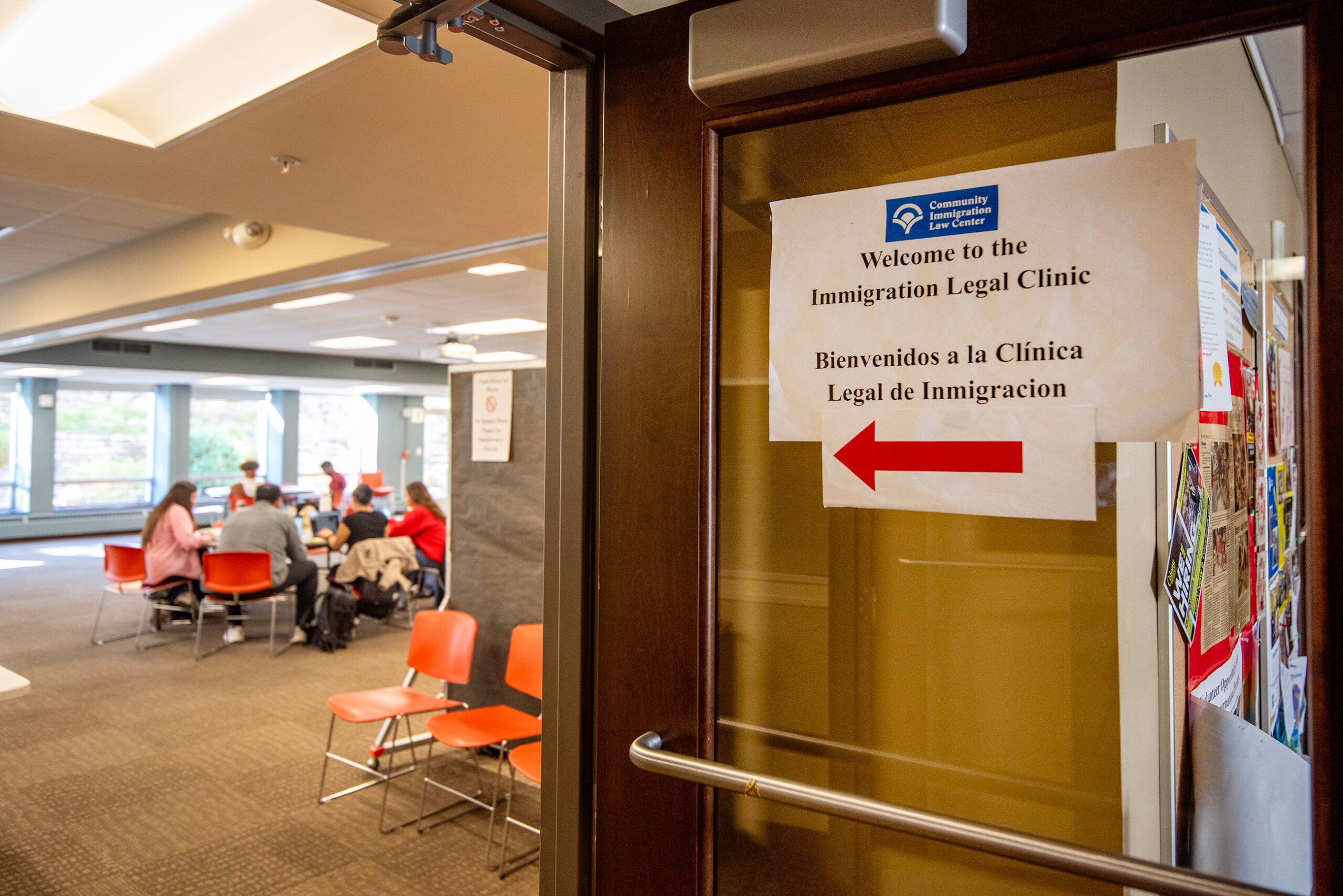
“These cases that we’re taking forward now take many more resources than they did before,” said Aissa Olivarez, legal director at the Community Immigration Law Center, the Madison nonprofit where Lucak is on staff. The center provides lawyers for people at risk of deportation, free of charge.
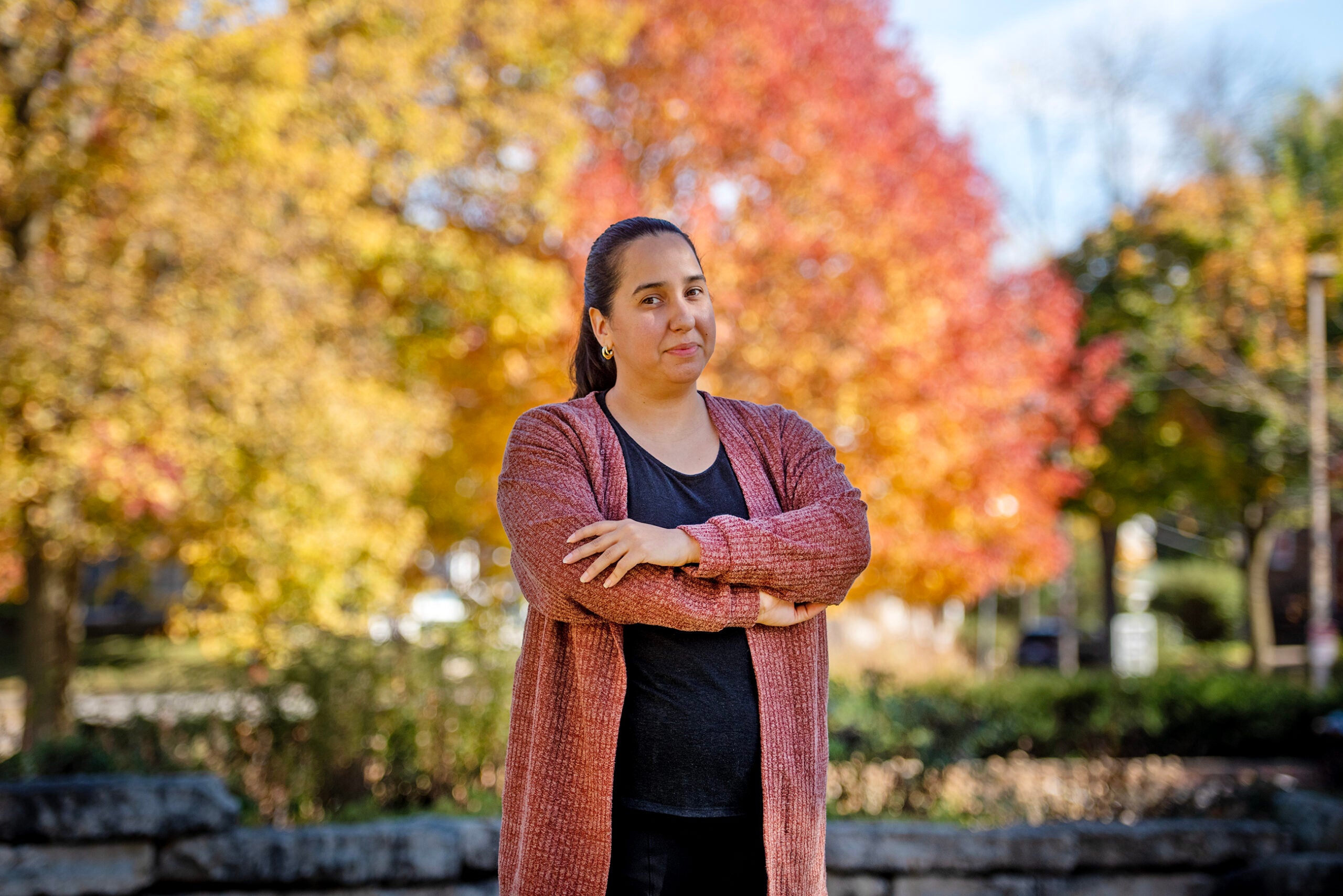
They’ve been in high demand for a few years, Olivarez said, because of an increase in asylum seekers in the state. The organization’s lawyers are now juggling more than 100 cases including people detained for Immigration and Customs Enforcement at the Dodge Detention Facility in Juneau, Wisconsin.
Almost a year into Trump’s second term, their workloads are surging more than ever before, Olivarez said — largely due to near-constant policy changes from the administration amid an immigration crackdown. As attorneys try to navigate the changes, they’re also dealing with clients’ increased fear and anxiety.
“We do this work because it is important to us, due process is important to us, justice is important to us,” she said. “But when those things are starting to be eroded by the system itself, it’s difficult.”
Trump made ‘flurry’ of policy changes in the first year of his second term
President Trump began his second term by signing a slew of immigration-related executive orders. Since then, the administration has continued implementing changes such as expanding the scope of who can be detained by federal immigration officers, deporting people to “third-party” countries, and arresting people outside of immigration courtrooms. As federal agents have moved into cities across the country, immigration detentions have hit record highs.
Most recently, the administration announced it would pause all asylum decisions and pending green card and citizenship applications for immigrants from 19 countries.
Simon Hankinson, a research fellow at the conservative Heritage Foundation, said while the “flurry” of policy changes within the last year has been difficult to keep up with, he believes it is a needed correction.
“Things were so wildly out of order under the Biden administration,” he said, citing record numbers of people without legal status in the country during those years.
“I think if we’d never had that initial massive change, then we wouldn’t have had to have the reaction in response,” he said.
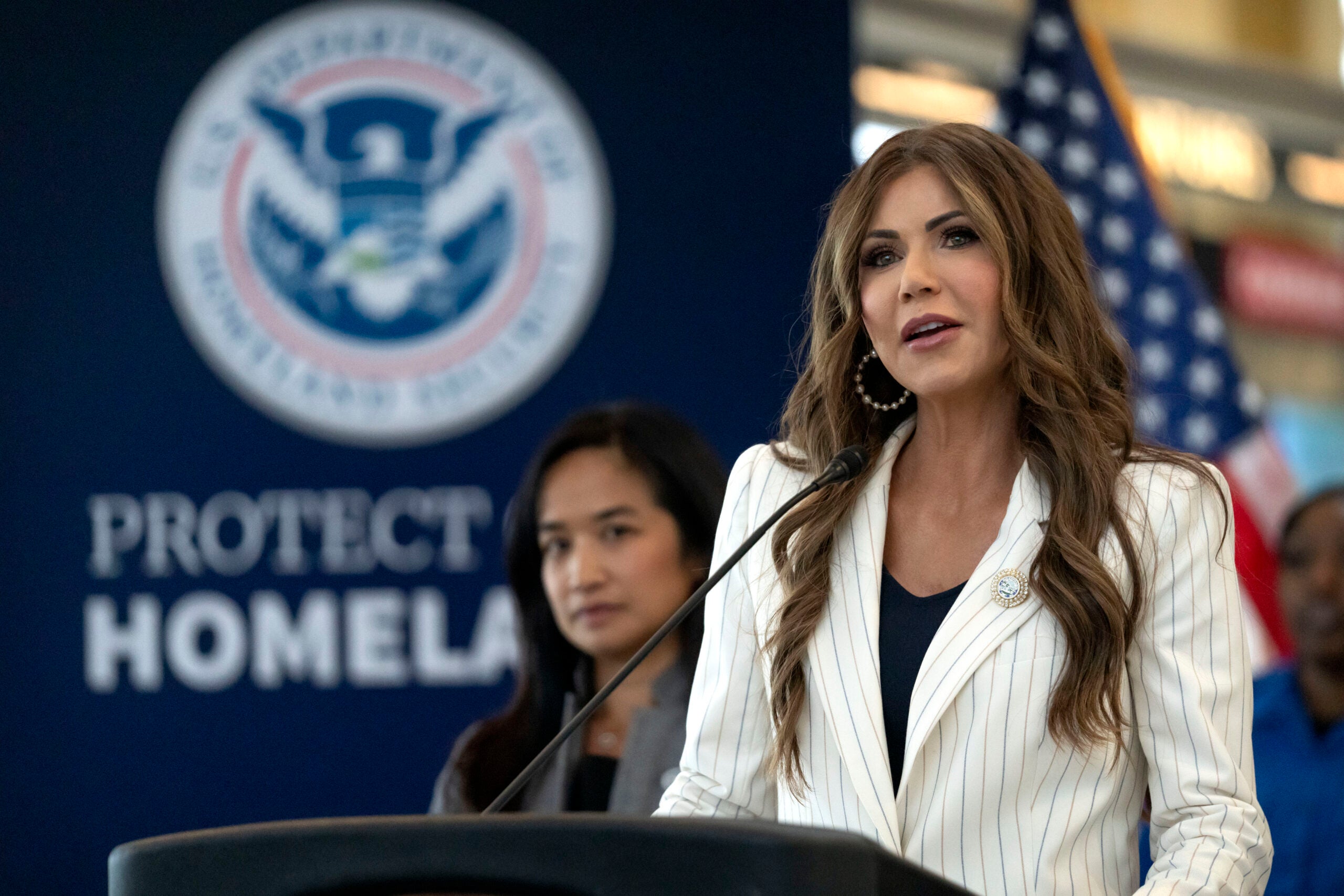
While some of the policies have been challenged in court, Department of Homeland Security assistant secretary Tricia McLaughlin said in a statement that changes made by the administration are responsible for a dramatic uptick in deportations in the last year.
“This is just the beginning,” the statement read. “President Trump and Secretary Noem have jumpstarted an agency that was hamstrung and barred from doing its job for the last four years.”
Although the deportation numbers cited by DHS have come under question, immigration reform advocates say the administration’s policies are having an effect.
‘It is substantially more complex now’
The Trump policy changes have left immigration attorneys scrambling to offer the best advice at any given moment, said Liz Kenney of the Vera Institute of Justice.
“It has always been an incredibly complex field,” she said. “It is substantially more complex now. And the consequences are very severe.”
The administration’s goal, Kenney said, is to deport more people quickly. More than half of people facing deportation go to court without legal representation, which was the case even before Trump’s second term began.
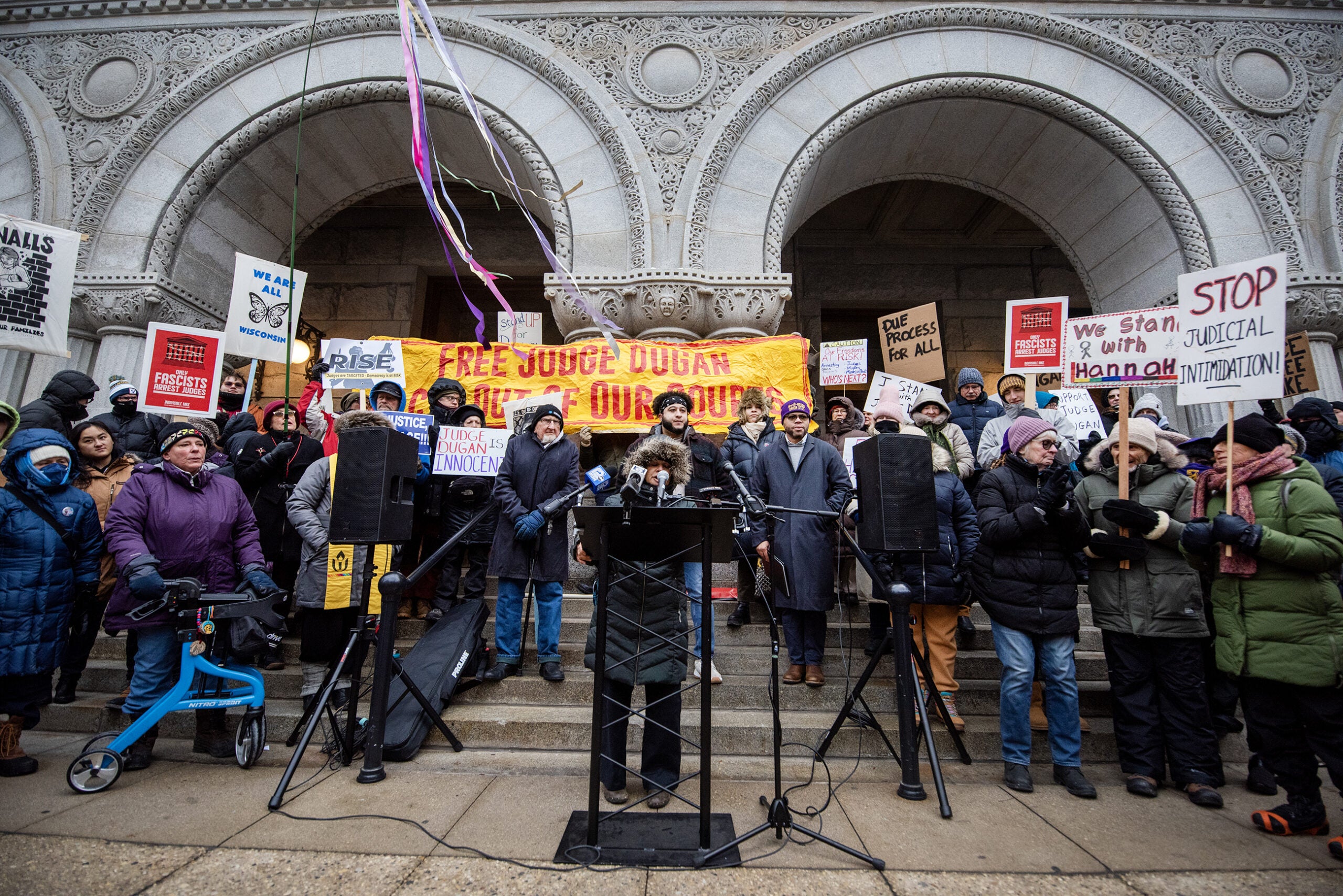
Attorneys are also grappling with the consequences of increased immigration enforcement in cities. There is no immigration court in Wisconsin, so nearly all of the Community Immigration Law Center’s cases go through the court in Chicago.
Attorney Natalia Lucak said the recent heavy ICE presence in the city is causing her clients a lot of fear.
“People have to make a decision about whether to go to their hearing, knowing that if they don’t go, they will get a deportation order for not attending, or if they do go, they risk being arrested and being detained,” she said.

Attorneys can request virtual court appearances, she said, but they’re not a guarantee.
“It’s really just an awful decision, which a year ago, wasn’t a question,” Lucak said.
Enforcement landscape leads to fear, even among people with legal status
Other areas of immigration law are also feeling the strain. La Crosse attorney Chuck Berendes focuses on family-based cases rather than potential deportations. That includes green cards for spouses and family members, and naturalization.
This year, he has handled more naturalization cases than the last two or three years combined, he said. It shows that even people with legal status are scared, he said.
“People who’ve been relatively comfortable and have raised families and have had careers in the United States with a green card are like, ‘I don’t know if this is safe anymore,’” he said.

Just this year, Pro Publica found more than 170 cases of U.S. citizens being held by immigration agents.
Berendes has also been frustrated by clerical changes and resulting delays. He says three of the last green card applications his clients have submitted have been rejected, for a reason he’s never seen before.
“I think it’s a game,” Berendes said. “I don’t think there’s anything wrong. I can’t find the error.”
Aside from his own heavy workload, Berendes says all the changes are creating a lot of stress for his immigrant clients.
“When you have all these twists and turns that we don’t expect, and they’re hard to explain, that just increases this feeling of like, ‘What’s going to happen?’” he said.
But even with the added difficulty, he said he’s still helping clients successfully navigate the immigration system. Just about one year into Trump’s term, Berendes doesn’t expect demand for his services to lessen any time soon.

Wisconsin Public Radio, © Copyright 2026, Board of Regents of the University of Wisconsin System and Wisconsin Educational Communications Board.