As an attorney leading a law clinic that helps immigrants facing deportation, Erin Barbato knows her clients often face the bleak prospect of being deported to countries where they are not safe.
But the consequences for her clients have become catastrophic now that the U.S. Supreme Court is allowing the Trump administration to quickly deport people, even to countries where they have never been and do not hold citizenship.
“It’s actually quite shocking that this is what people are now facing,” Barbato told WPR’s “Wisconsin Today.” “Not only are they facing the fear of returning to a country where they may be persecuted, or already have been persecuted, they could be returned to a country that they have never been to and have no connection to and could be disappeared. That’s the word that just keeps coming up.”
News with a little more humanity
WPR’s “Wisconsin Today” newsletter keeps you connected to the state you love without feeling overwhelmed. No paywall. No agenda. No corporate filter.
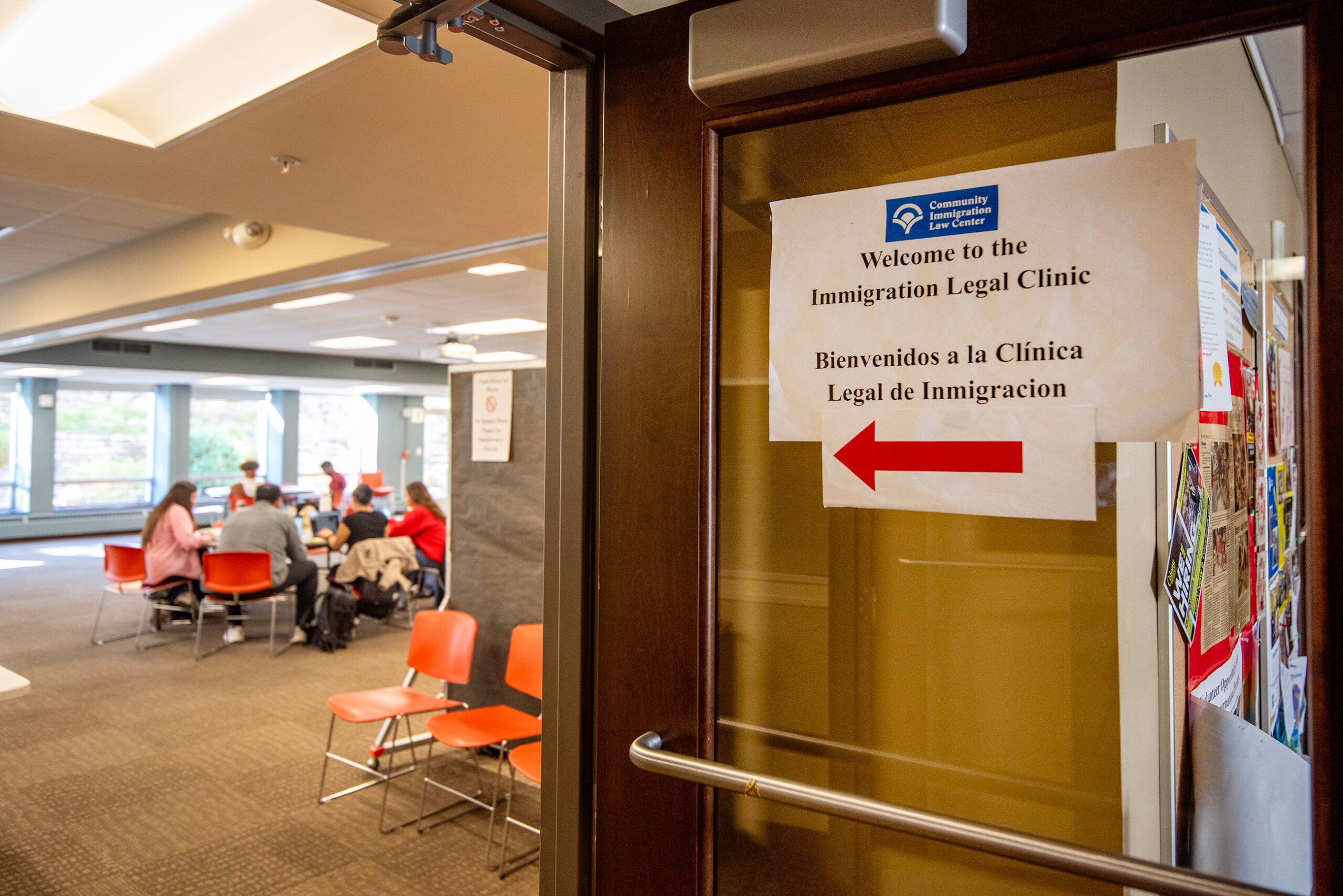
Attorneys at the University of Wisconsin Law School’s Immigrant Justice Clinic, which Barbato is the director of, regularly travel to the Dodge County Detention Facility — the only facility in the state serving as immigration detention center — to offer people free consultations and information about their rights.
Barbato and her colleagues are seeing a spike in the number of people needing representation from immigration attorneys.
“This Supreme Court decision and the policies of the Trump administration to potentially deport people to countries they’ve never been to and to countries where they may see other danger without any due process is terrifying,” she said.
Barbato explained the situations immigrants and their families face and what options they have.
The following was edited for clarity and brevity.
Kate Archer Kent: How could this ruling change the process of representing immigrants at the Immigrant Justice Clinic?
Erin Barbato: Practicing immigration law, especially in deportation proceedings, is incredibly difficult as it is. When you’re working with people in detention, it’s very difficult to communicate with them to prepare for their testimony because contacting them is incredibly difficult.
But now we’re adding another layer. We’re not only arguing that they can’t return to their home country — we have to worry about whether they would be returned to another, third country. And how do we know what country they could potentially be taken to — whether it’s South Sudan, which has come up, whether it’s El Salvador — could be placed in one of the most dangerous detention facilities in the world?
So the dynamics have changed. The fear people are facing has increased, and how we represent people in the situation has become more tenuous and really difficult to handle.
KAK: If someone were deported, would they be able to return to their professions, or will they be starting over?
EB: I think those are questions that these families, these individuals, are facing and haven’t had to think about in a long time. Last week, we met a man who’s been in the United States for 30 years and is likely to be deported to his home country that he hasn’t been to in 30 years. He doesn’t have any family there. His professional license probably no longer is valid. Their lives are completely turned upside down.
And especially when people are traveling with children who may be U.S. citizens, life could generally be much more difficult for them in their home country now that they don’t have a connection to it. They don’t know the culture or have the education or even potentially the language that’s necessary to live there.
“They’re facing these unconscionable decisions of whether they remain separated or whether they return to a country where they may be unsafe and their children potentially don’t have a future.”
Erin Barbato
KAK: You work with people detained at the Dodge County Detention Facility in Juneau — the only one in Wisconsin that holds immigrants for Immigration and Customs Enforcement, also known as ICE. What have you noticed?
EB: We visit there at least once a month to provide information and consultations to people that are detained and would like legal information. We then look to find them legal representation.
But there’s a lack of immigration attorneys in Wisconsin, and with a number of people being detained and deported right now, most people are not going to be represented by attorneys. And what we’ve recently noticed over the past two months is there are an increased number of people that are detained there from various parts of Wisconsin, many of whom do not have any sort of criminal record and have lived here peacefully for many years.
KAK: What happens to families?
EB: We will often speak to a father whose wife is a U.S. citizen, but he’s ineligible to get lawful status for various reasons. But you also may have a family who are all undocumented, and they may never see one another again.
This is what they’re facing now. If someone is undocumented and they are deported, and their family remains here, and they’re also undocumented, they can’t go visit that country. They can’t leave. They’re facing these unconscionable decisions of whether they remain separated or whether they return to a country where they may be unsafe and their children potentially don’t have a future.
KAK: Can your Immigrant Justice Clinic take on the number of cases at this moment that could assist these people?
EB: No, we have never been able to do that. The deportation system allows people to have representation from an attorney, if they can afford an attorney or if they can find a pro bono attorney. There’s only maybe five attorneys in Wisconsin that can do this work pro bono. The need is so much higher than that, and the government doesn’t provide representation to people unless they can afford it.
So the stakes are incredibly high. If you have an attorney and you’re in detention, you’re three times more likely to receive relief to remain in the United States. But most people are going in front of an immigration judge and a trained Immigration and Customs Enforcement attorney by themselves and defending their right to remain in the United States while they’re fearing for their life.
KAK: ICE is waiting at some immigration hearings to detain people. Have your clients been reluctant to go to their proceedings?
EB: The fear is definitely increased. People who are not in detention are incredibly fearful of appearing in immigration court. But if they don’t appear in immigration court, they can’t seek the relief that they may be eligible for under the law. So people are having to take that risk and show up in court when they’re already terrified. That level of terror has increased a great amount.