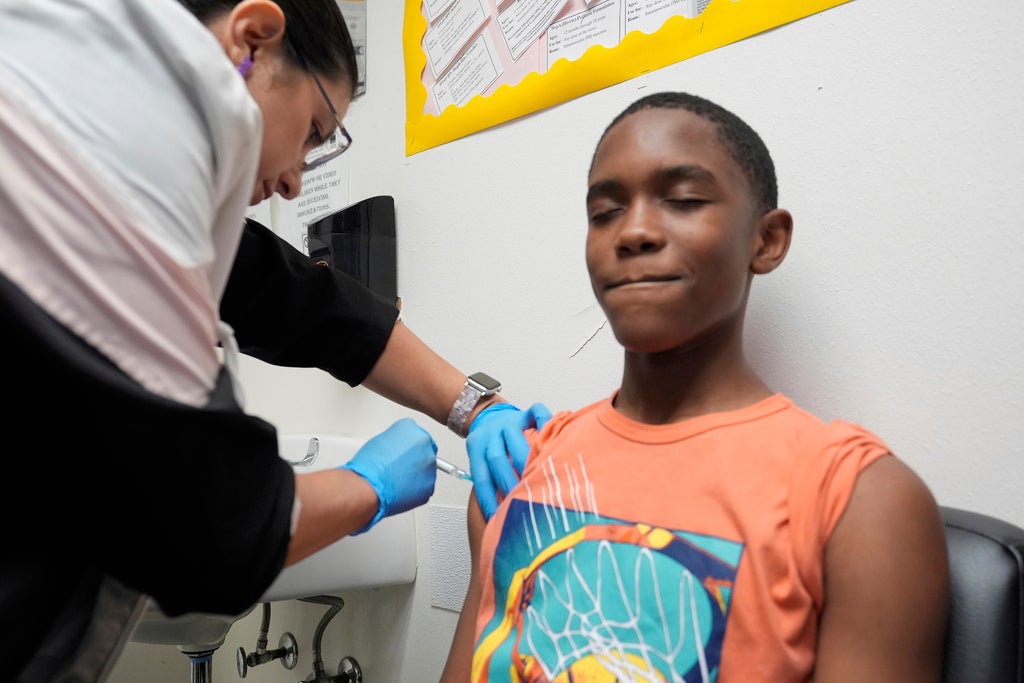
Wisconsin health leaders say they are “greatly concerned” about the new vaccine guidelines released Monday by the federal government.
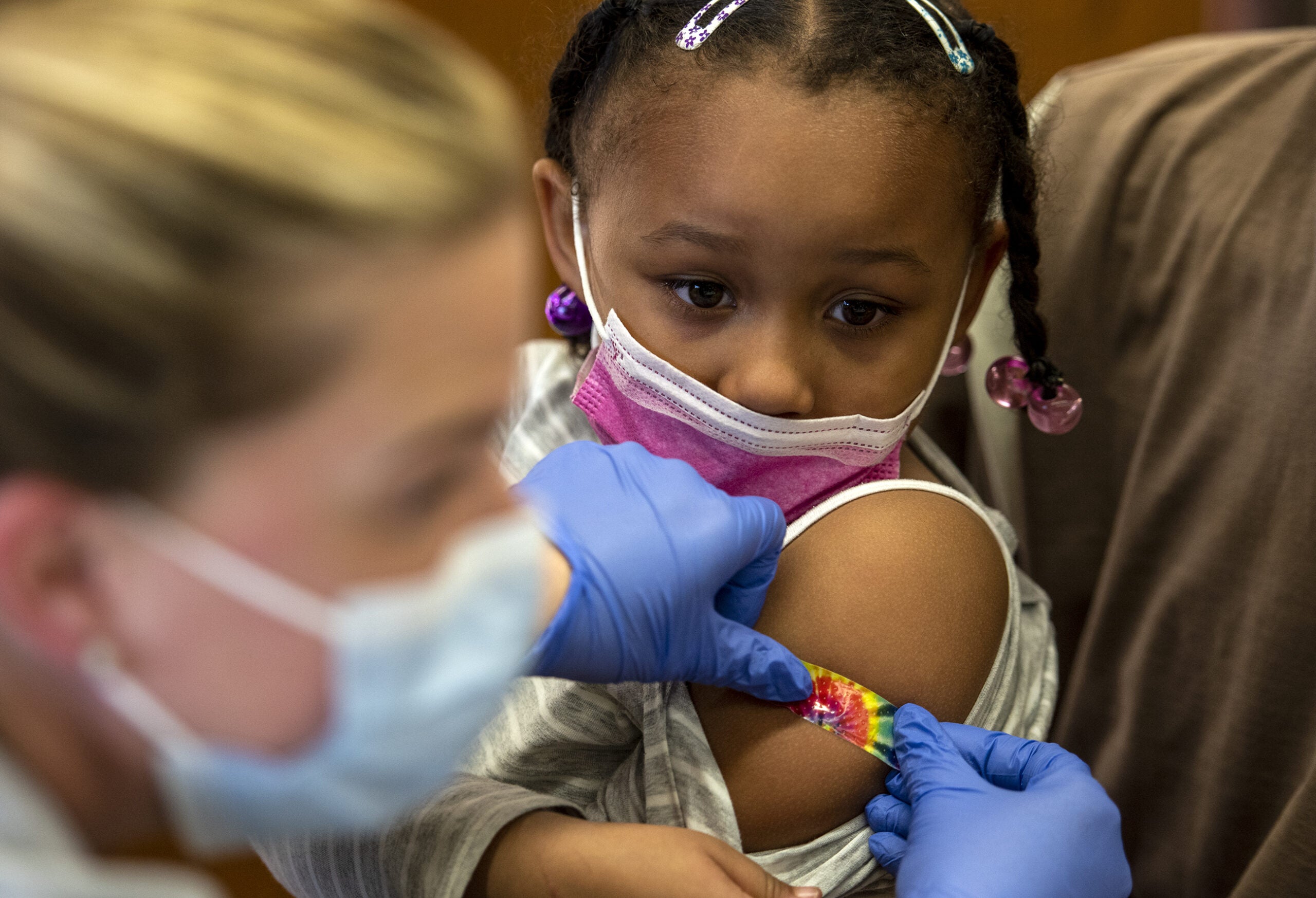
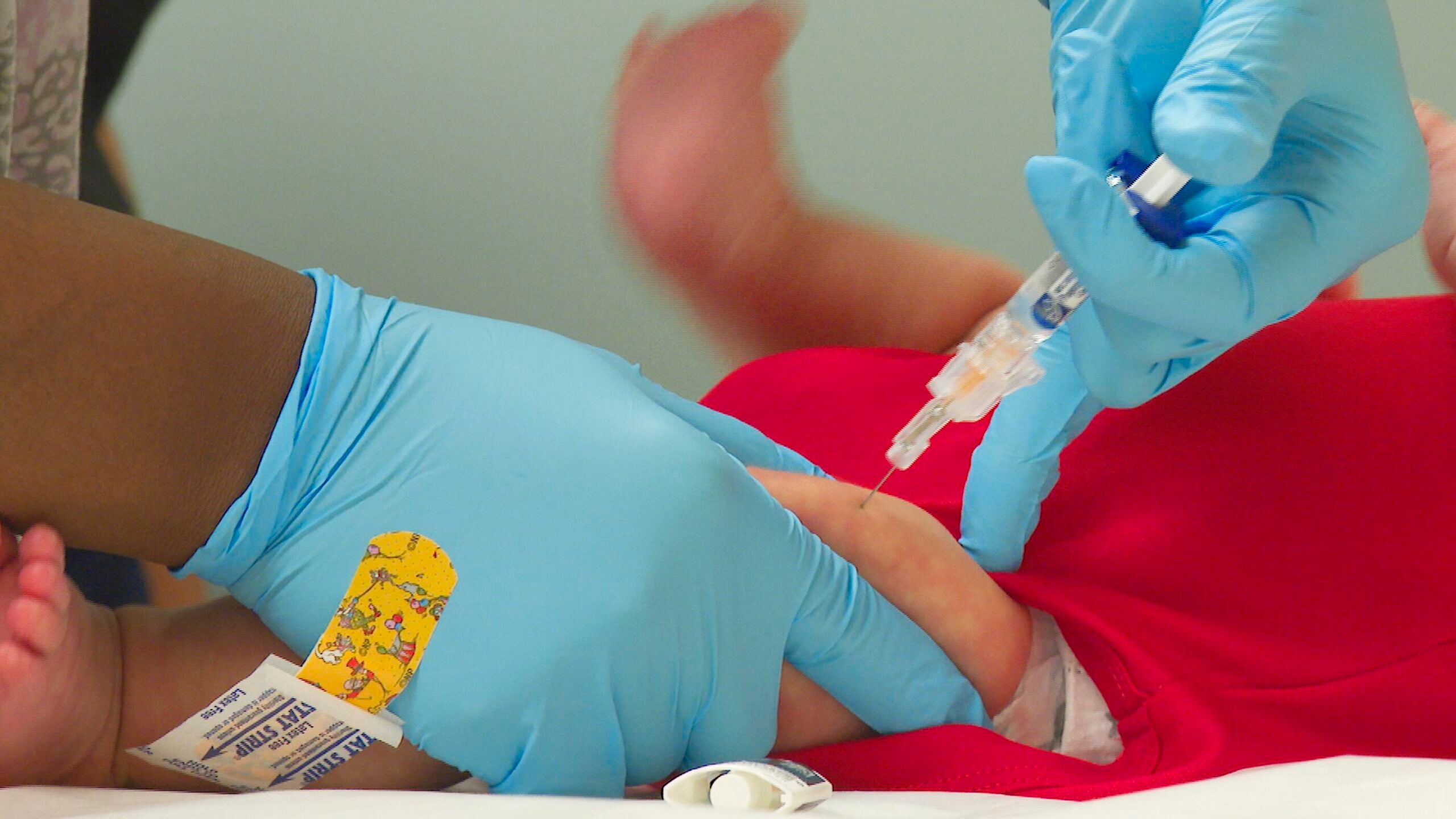
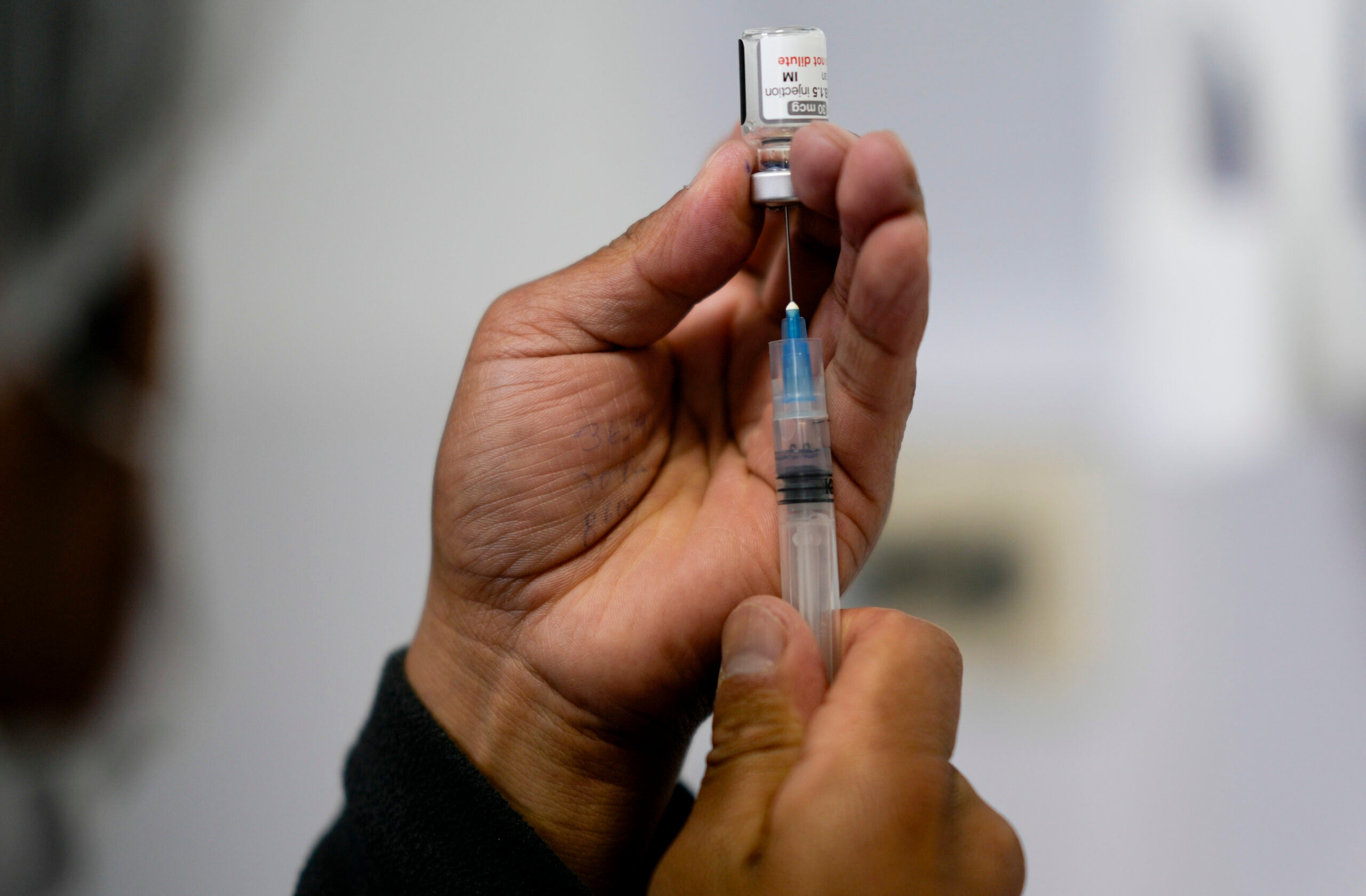
The U.S. Centers for Disease Control and Prevention guidance now recommends that children are vaccinated against 11 diseases instead of 17.
What’s no longer broadly recommended is protection against flu, rotavirus, hepatitis A and B, some forms of meningitis or RSV.
News with a little more humanity
WPR’s “Wisconsin Today” newsletter keeps you connected to the state you love without feeling overwhelmed. No paywall. No agenda. No corporate filter.
Instead, protections against those diseases are only recommended for certain groups deemed high risk, or when doctors recommend them in what’s called “shared decision-making.”
Jennifer Miller, a spokesperson with the Wisconsin Department of Health Services said there has not been any new scientific evidence that would justify changes to longstanding recommendations that have and continue to protect the health of children in the United States.
“Health professionals and parents deserve accurate, credible information,” Miller said in a statement to WPR.
DHS will continue to assess the changes to the recommended childhood vaccination schedule made by the CDC as well recommendations from other trusted medical and public health agencies, Miller said.
States, not the federal government, have the authority to require vaccinations for children in school. However, states typically follow federal guidelines.
DHS and the state Department of Public Instruction did not immediately respond to questions regarding immunization requirements for Wisconsin children next school year.
Caroline Reinwald, spokesperson for the City of Milwaukee Health Department said the childhood immunizations are a cornerstone of public health.
“Vaccines have been studied for decades and have proven to be safe, effective and essential in preventing serious illness and death among children,” Reinwald said. “Changes to federal recommendations can understandably raise questions, but from a public health standpoint, vaccination remains one of the most reliable ways to strengthen children’s immune protection and reduce the spread of preventable disease.”
The U.S. Department of Health and Human Services said the overhaul was in response to a request from President Donald Trump in December.
“President Trump directed us to examine how other developed nations protect their children and to take action if they are doing better,” said Health Secretary Robert F. Kennedy Jr., a longtime vaccine skeptic, in a press release about the changes. “After an exhaustive review of the evidence, we are aligning the U.S. childhood vaccine schedule with international consensus while strengthening transparency and informed consent.”
The department said its comparison to 20 peer nations found that the U.S. was an “outlier” in both the number of vaccinations and the number of doses it recommended for all children.
Editor’s note: The Associated Press contributed to this report.

Wisconsin Public Radio, © Copyright 2026, Board of Regents of the University of Wisconsin System and Wisconsin Educational Communications Board.