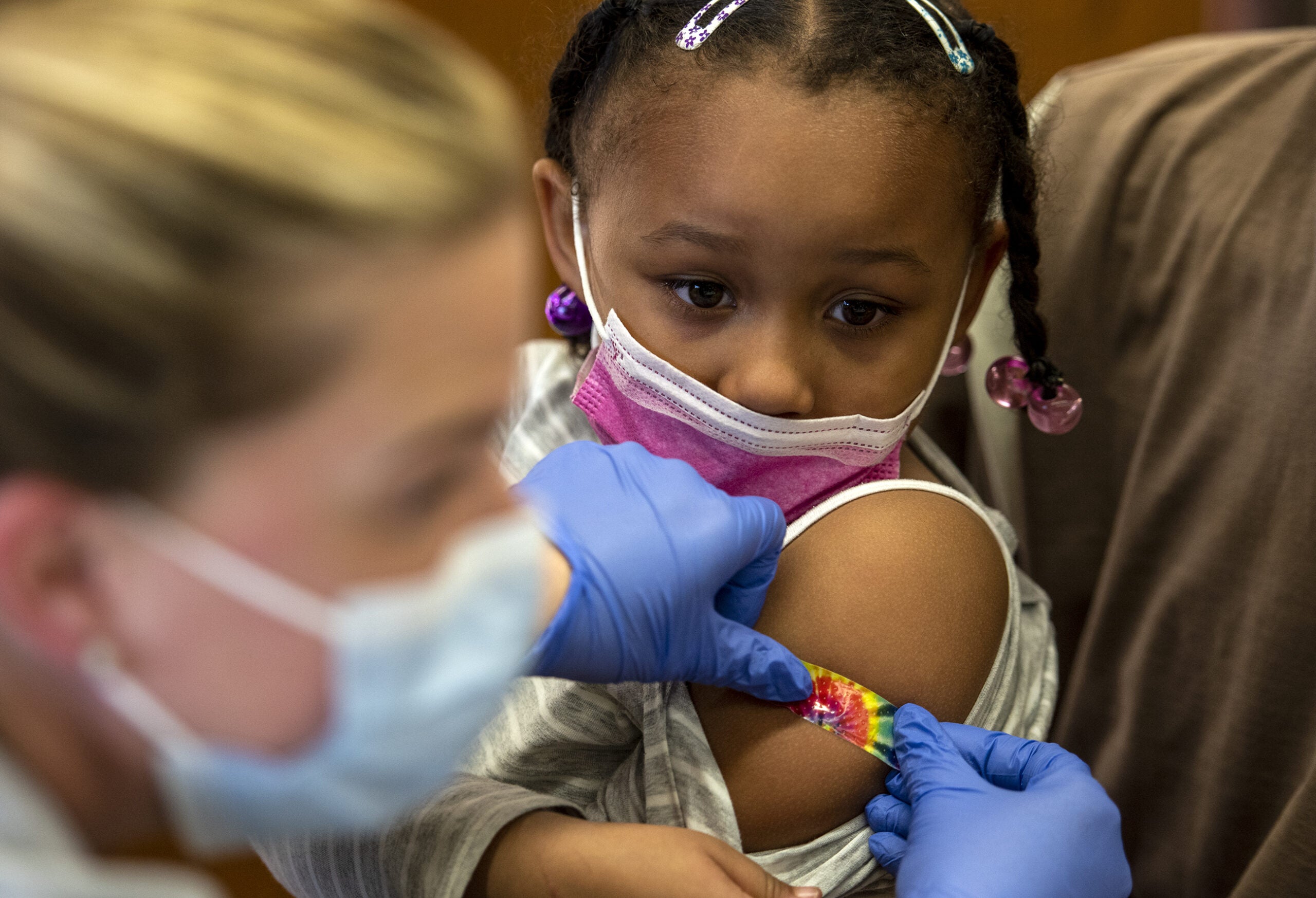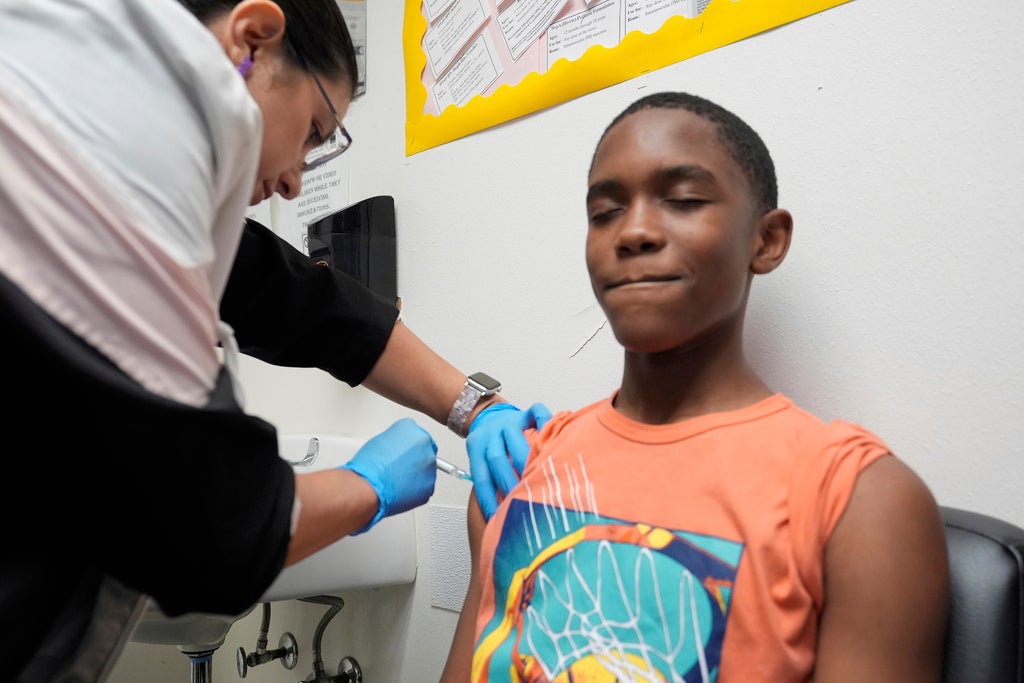
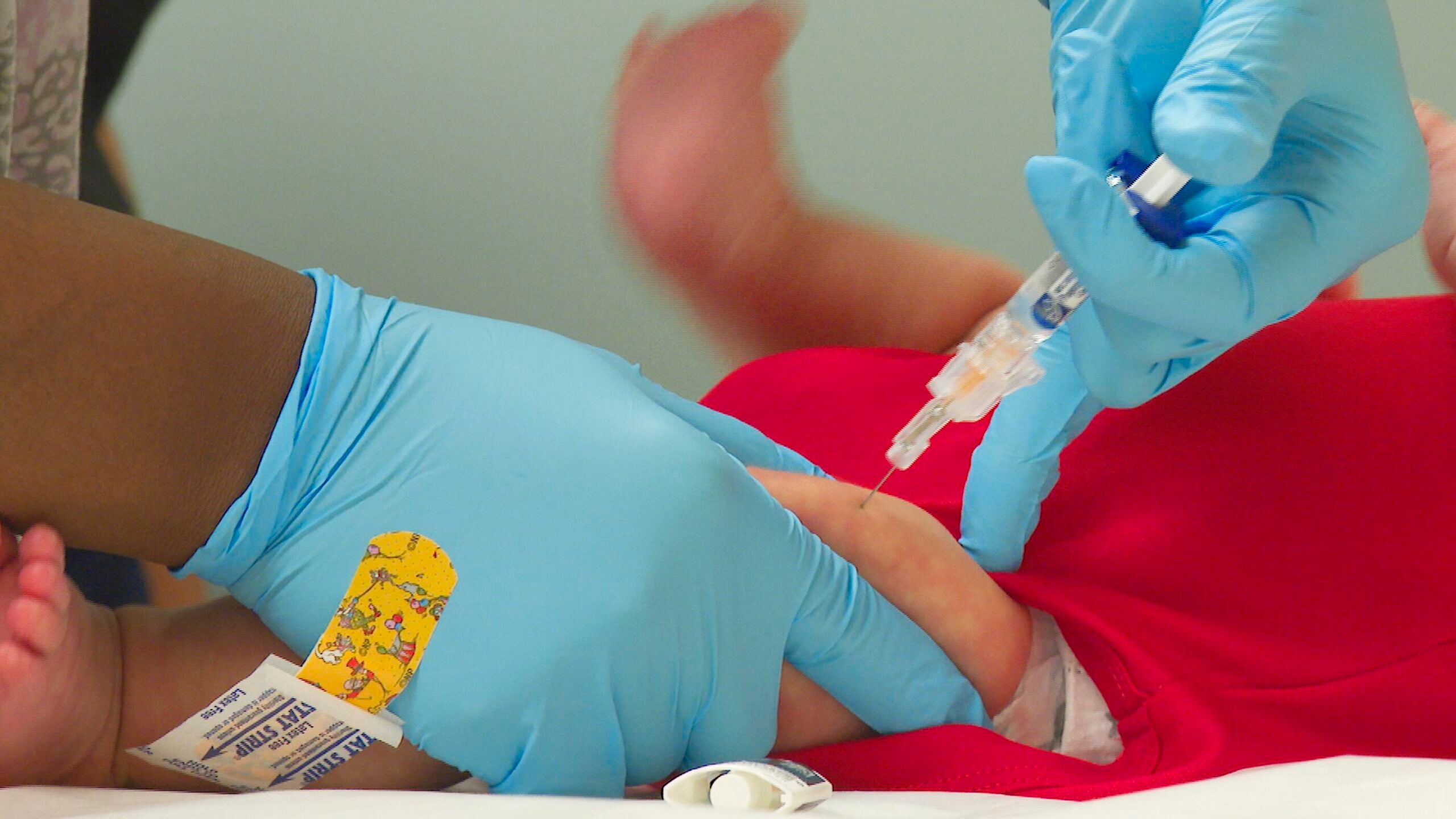
Wisconsin health officials say all babies should be vaccinated against hepatitis B at birth despite a recent change from federal vaccine advisers.
Last week, the Advisory Committee on Immunization Practices recommended that babies receive the hepatitis B shot in the first 24 hours of life if their mothers tested positive for the virus or if the mothers’ status is unknown. The recommendation, which goes to the Centers for Disease Control and Prevention, says women who test negative for the virus should talk to their doctors about the vaccine.
Dr. Ryan Westergaard, chief medical officer at the Wisconsin Department of Health Services, said Thursday that decades of evidence supports hepatitis B vaccination as a safe and effective strategy to protect infants.
News with a little more humanity
WPR’s “Wisconsin Today” newsletter keeps you connected to the state you love without feeling overwhelmed. No paywall. No agenda. No corporate filter.
“The headlines have sent mixed messages, and that can be confusing for parents. What’s important to know is that the science hasn’t changed,” Westergaard said on a call with reporters.
That’s why DHS issued guidance to Wisconsin health care providers on Thursday reaffirming that all babies should receive the shot in the first 24 hours of life and go on to complete the three-dose series in their first 18 months.
Hepatitis B is a serious viral infection that affects the liver, and can lead to lifelong disease including liver failure and cancer. Up to 90 percent of infants who are infected will develop chronic liver disease. But in adults, an infection can be asymptomatic. Roughly half of people with hepatitis B don’t know they carry the virus.
Since the universal birth dose recommendation was adopted in the 1990s, pediatric hepatitis B infections have declined by 99 percent, according to Westergaard. He said there were no cases in Wisconsin newborns last year, and the state has seen between 0 and 2 cases annually over the last decade.
“That success reflects a simple, reliable approach that aims to protect every baby, including when screening and follow up doesn’t go perfectly in the real world,” Westergaard told reporters.
DHS data shows that just over three-quarters of Wisconsin babies received the birth dose of hepatitis B vaccine last year. Eighty-three percent of the state’s 2 year olds had received the entire three-dose series.
Even with changes being discussed at the federal level, Westergaard said he doesn’t anticipate availability of the shot to be affected. He said the vaccine should continue to be covered by insurance as well as the Vaccines for Children program for uninsured kids.
“The evidence hasn’t changed, so the practice shouldn’t change,” Westergaard said. “There shouldn’t be new barriers, as I mentioned, for vaccines getting paid for. So we really want to get the word out that let’s carry on with this successful program.”

Wisconsin Public Radio, © Copyright 2026, Board of Regents of the University of Wisconsin System and Wisconsin Educational Communications Board.