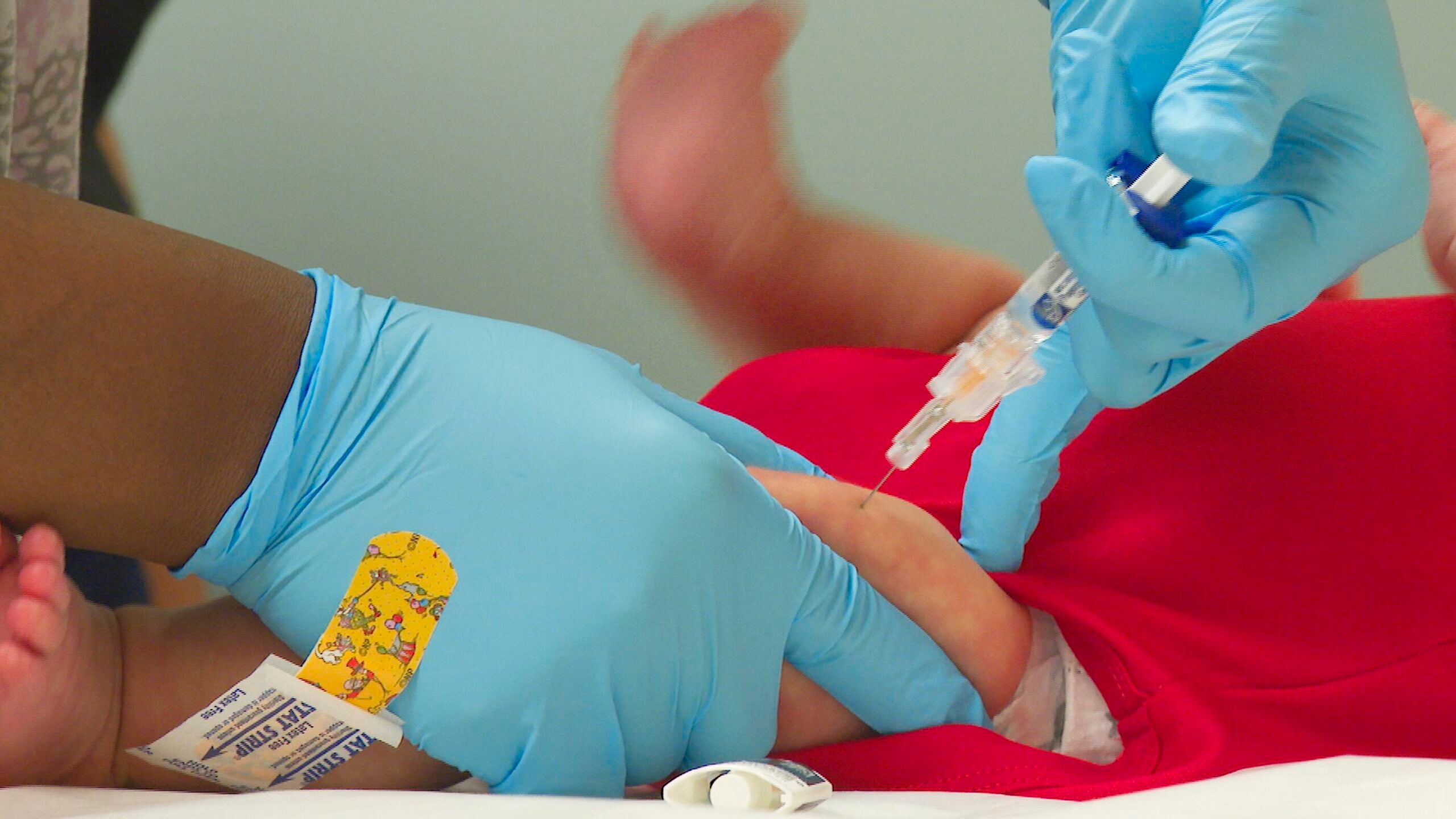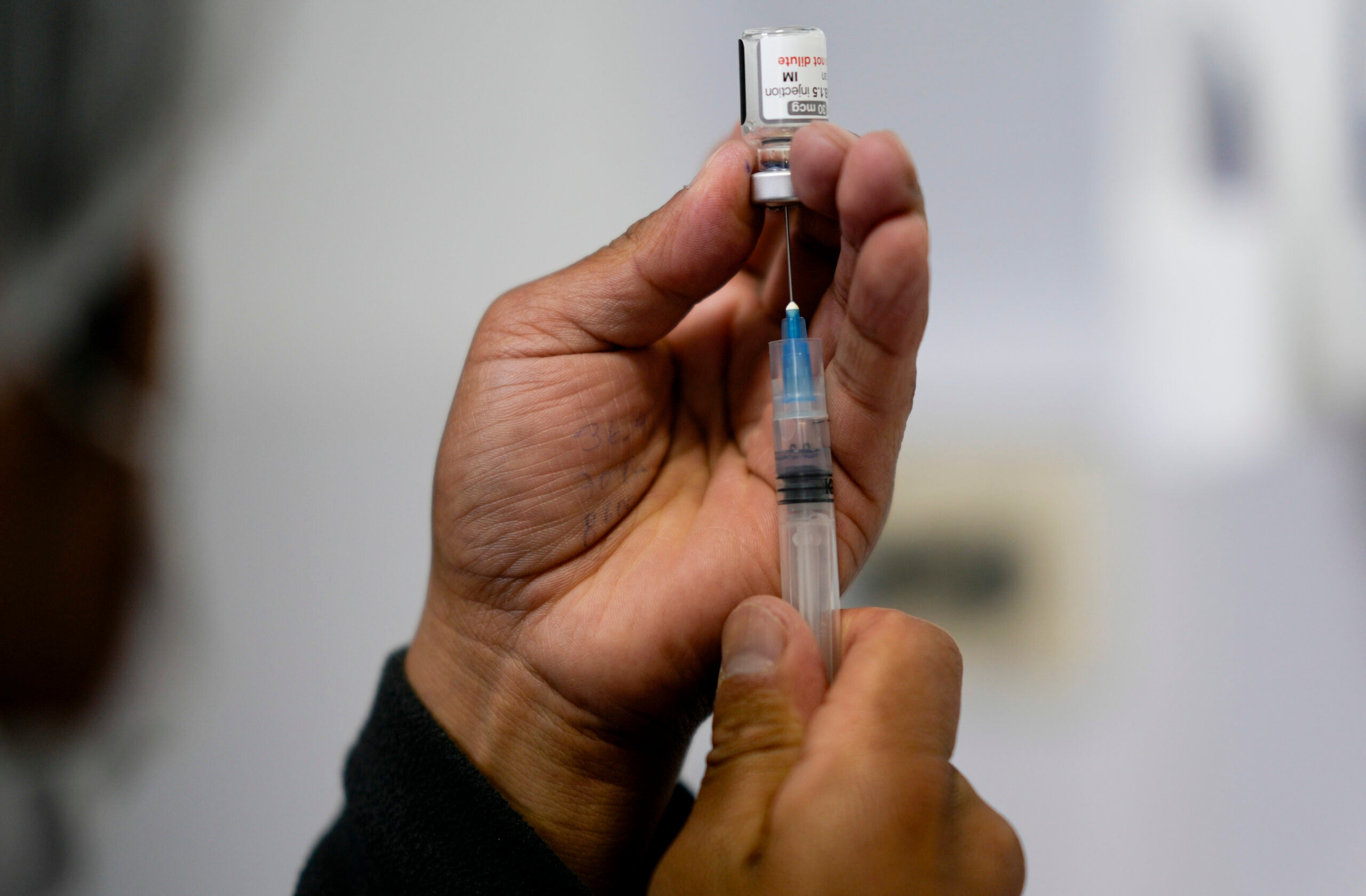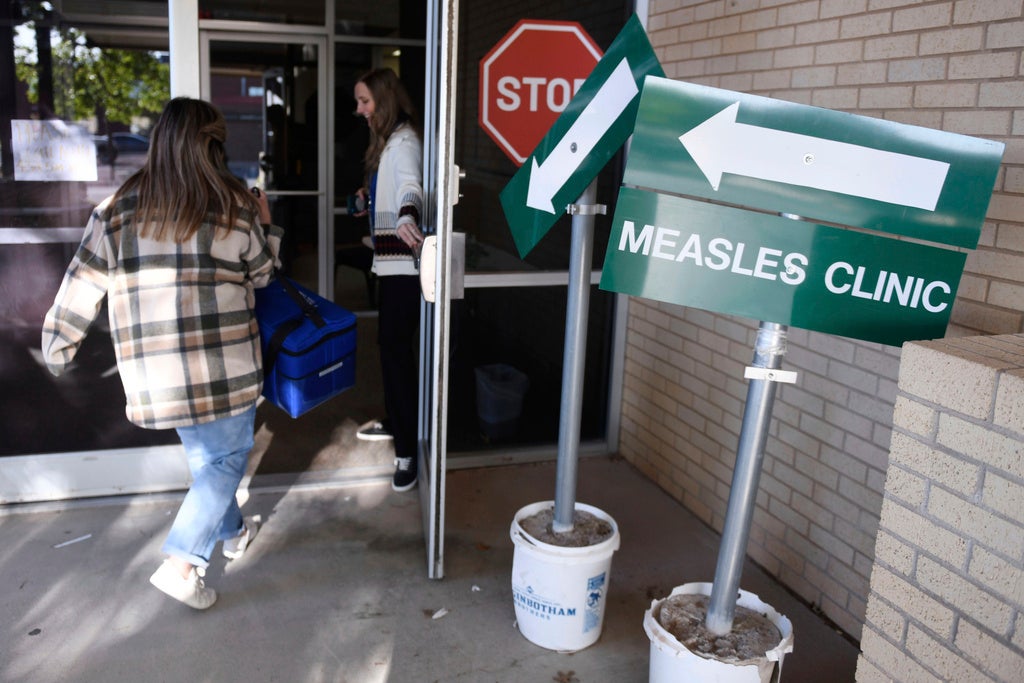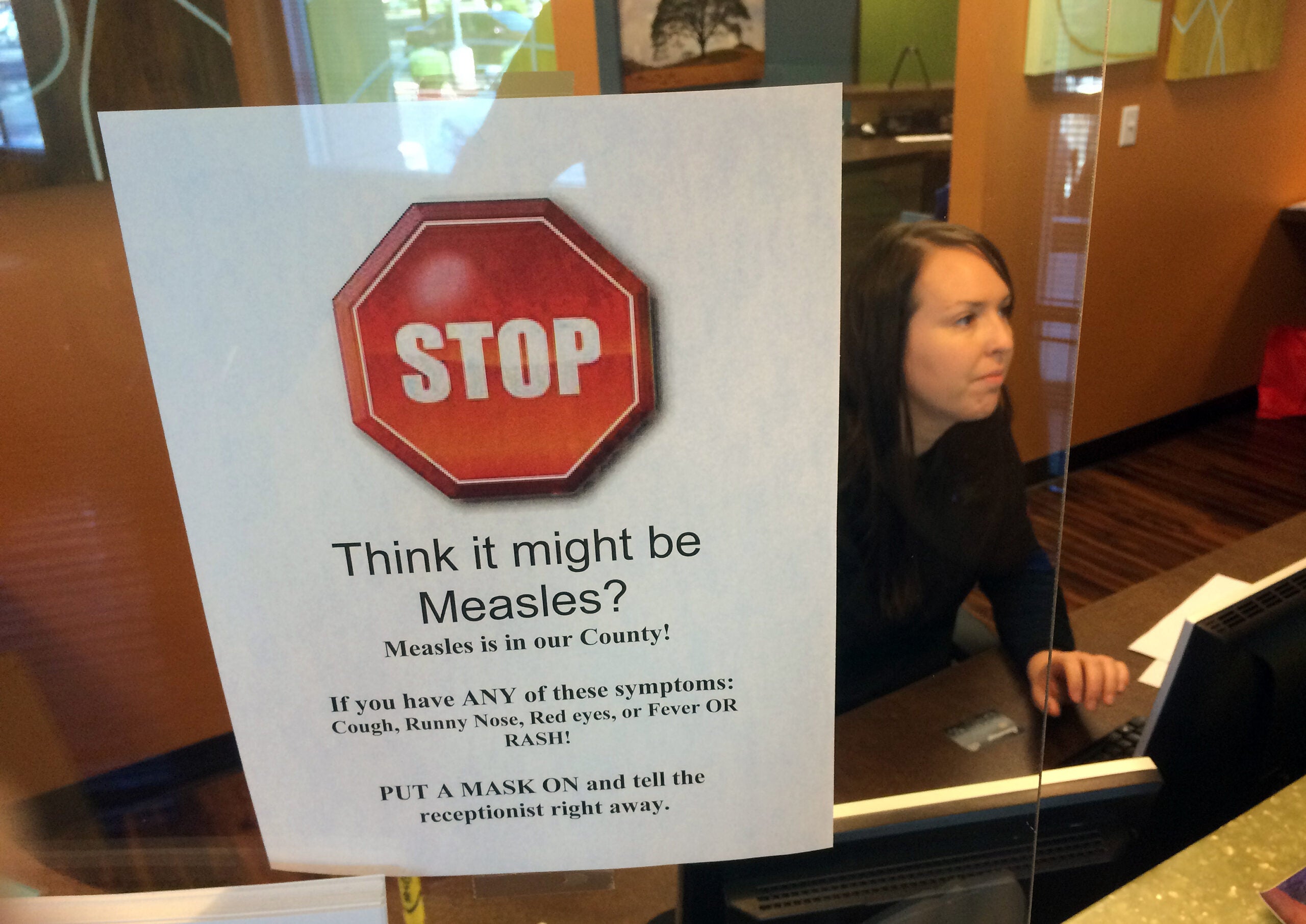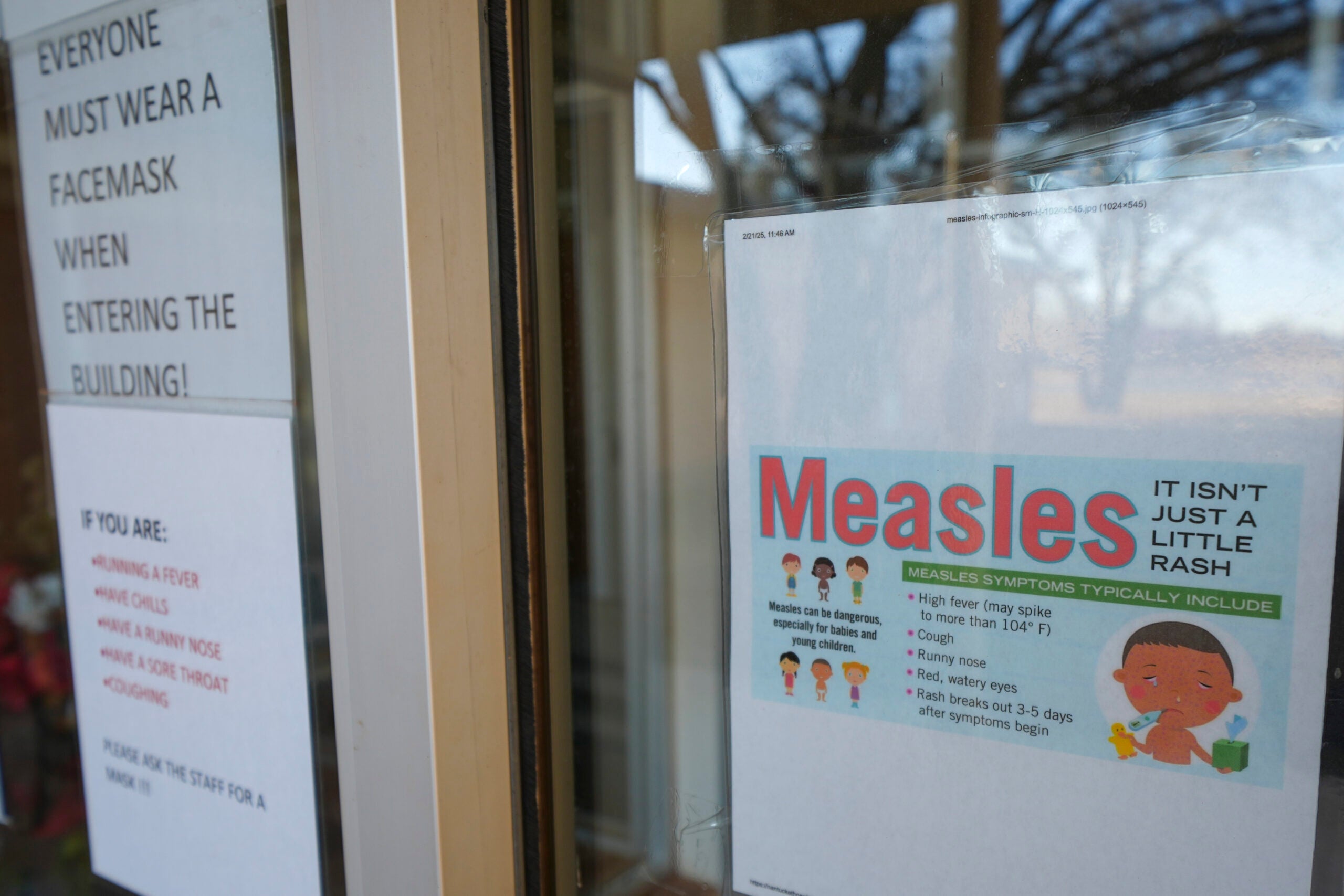
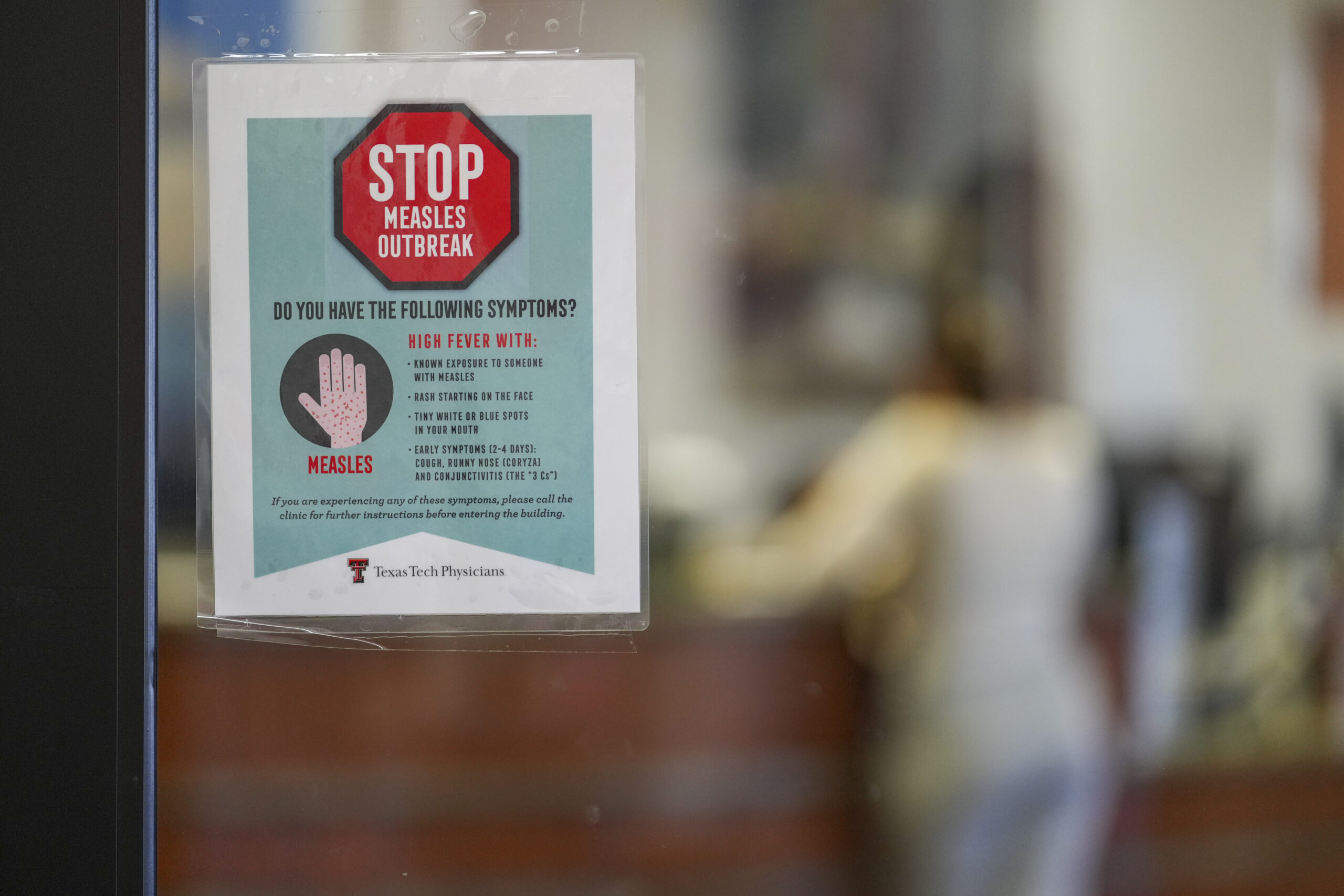
State health officials are urging families to vaccinate their children before the upcoming school year, following the first cases of measles reported in Wisconsin this weekend.
Though the cases were linked to the same out-of-state exposure and deemed low risk to the public through contract tracing, officials at the Wisconsin Department of Health Services are still discouraged by the state’s school vaccination rates.
“It tells us that we still have work to do.” Dr. Ryan Westergaard, chief medical officer for communicable diseases at the Wisconsin Department of Health Services, told reporters Monday.
News with a little more humanity
WPR’s “Wisconsin Today” newsletter keeps you connected to the state you love without feeling overwhelmed. No paywall. No agenda. No corporate filter.
About 86 percent of students had the minimum immunization requirements for the 2024-25 school year, a nearly 3 percent decline from the previous school year, according to a DHS announcement released Monday.
“Unfortunately, this level is below where we need to be to protect our state against outbreaks,” Westergaard said.
A community vaccination rate of 95 percent is the target to stop the spread of infectious diseases like measles. Wisconsin’s kindergarten-age children had among the lowest vaccination rates for measles in the United States, according to 2023 data.
Wisconsin’s school year vaccination rates have been on the decline for years. Health officials attributed this year’s drop to a new meningitis vaccination requirement.
“There are more people who are not up to date with that one because it was so recently added,” Westergaard said.
Without it, the number would have been closer to 89 percent and nearly the same as the previous school year, officials estimated.
“The fact that the levels have remained more or less stable tells us that we need to keep doing the strategies of education and encouragement and championing evidence based practice,” he added.
Westergaard hopes parents who are uncertain about vaccinating their child can connect with a local physician.
“I want to encourage all caregivers to reach out to a trusted health care provider with any questions or concerns that you have,” he said.
Nationwide, this year’s measles cases are the highest they’ve been in decades. Forty states have reported cases to the Centers for Disease Control and Prevention. As of July 29, a total of 1,333 were confirmed, with only 4 percent of those cases among people who were fully vaccinated. Three people have died and 81 children under the age of 5 have been hospitalized.
The nine cases in Oconto County, north of Green Bay, were traced back to a common out-of-state source, officials said.
“The risk that secondary cases occur in that region is not zero, but because of our discussions with (the) local health department, we feel that the risk is low,” Westergaard said.
In cases like this, local health departments use contact tracing to notify those who could have been exposed to the infected people and work to determine whether they’ve been vaccinated against the disease and if not, whether they could get vaccinated, he added.
“We’ve been generally pretty successful with that over the past couple of decades,” Westergaard said. “Meaning, if you look at our numbers of cases of measles over the past 20 years, that you’ll see a lot of zeros, ones and twos.”
DHS officials have been preparing to respond to a possible outbreak for months, he added, along with making sure they have an adequate measles-mumps-rubella vaccine supply. Vaccination protects people from getting the disease.
“We are below 95 percent and then our school vaccination rate is below 90 percent,” Westergaard said. “So it’s a target that we all want to aim for to try to get our vaccination rate up to that level.”

Wisconsin Public Radio, © Copyright 2026, Board of Regents of the University of Wisconsin System and Wisconsin Educational Communications Board.