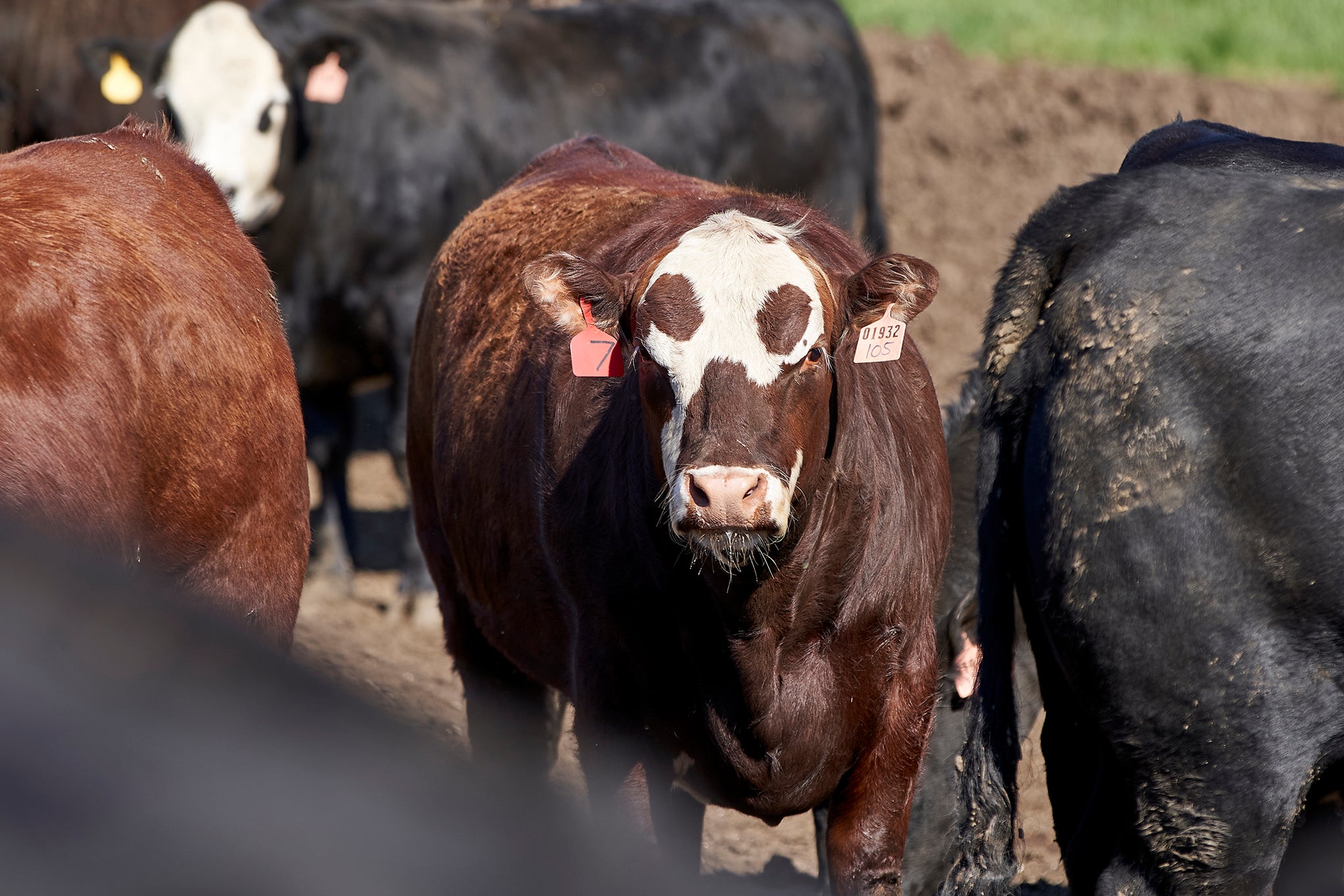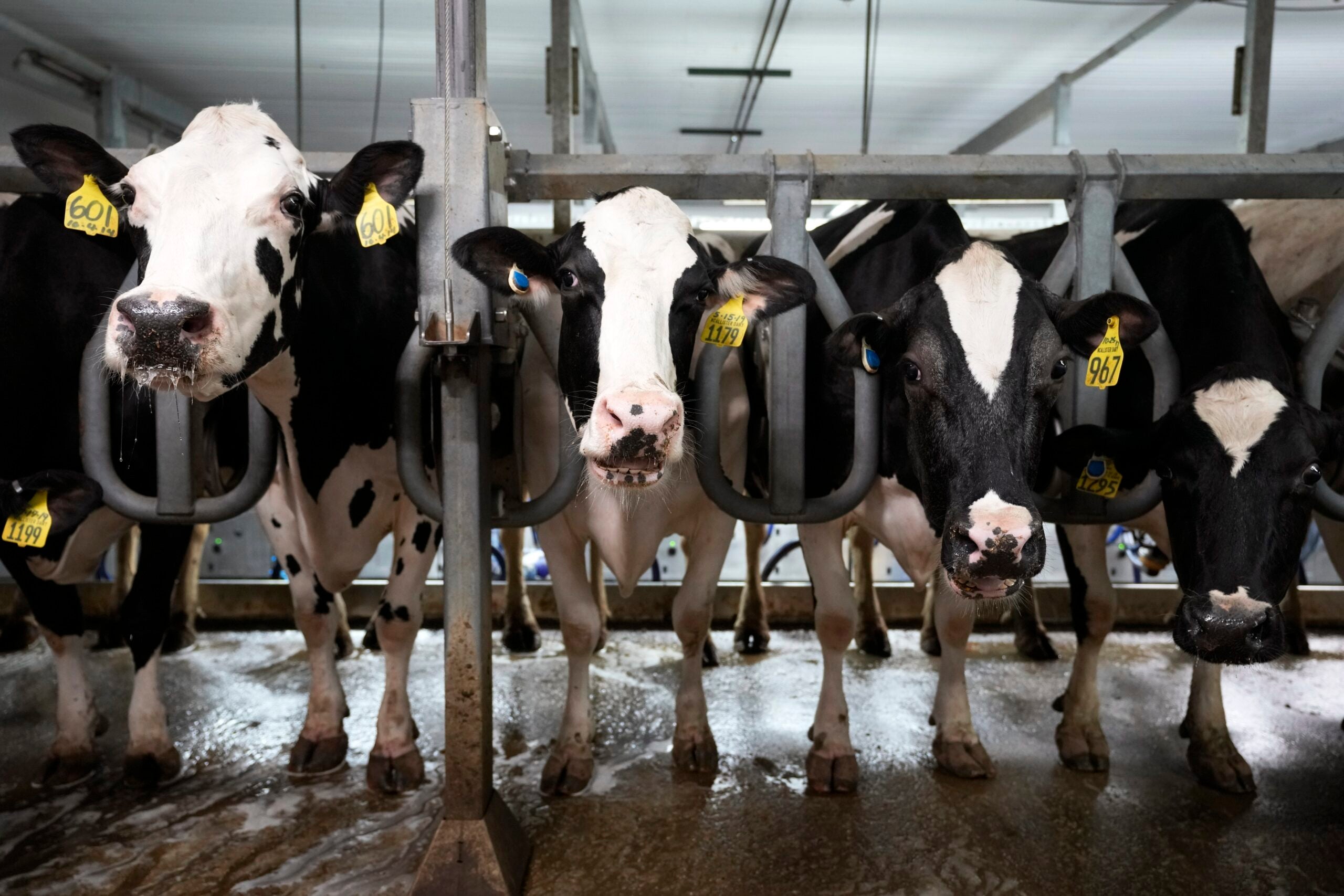
Wisconsin livestock markets, dealers and truckers would see massive fee increases under a rule change proposed by state agriculture regulators.
Some fees would increase by nearly 1,700 percent, and a Republican state lawmaker says the Legislature can’t block the proposed changes because of a July ruling from the Wisconsin Supreme Court.
The fee increases proposed by the Wisconsin Department of Agriculture, Trade and Consumer Protection, or DATCP, would affect auction barns, livestock dealers and truckers who transport animals like cows and pigs.
The license fee for what the department calls “Animal Market Class A” would change from $420 to $7,430. A late fee for those markets would also increase by nearly 1,700 percent by shifting from the current price of $84 to $1,486. The registration fee paid by about 1,000 truckers transporting livestock in the state would increase 517 percent, from the current price of $60 to $370.
According to the scope statement for the proposed department rule, the fees haven’t been increased since 2009 and the department “no longer has adequate revenue to recover costs.” DATCP said it has also had to reallocate funding due to “decreased federal funding” for other programs.
News with a little more humanity
WPR’s “Wisconsin Today” newsletter keeps you connected to the state you love without feeling overwhelmed. No paywall. No agenda. No corporate filter.
Wisconsin Farm Bureau Federation issues call to action
The fee increases would go into effect July 1, 2027, when DATCP estimates the animal market, dealer and trucker registration programs would face a deficit of more than $1.1 million.
The Wisconsin Farm Bureau Federation has raised the alarm and is urging farmers, dealers, truckers and auction house owners to attend DATCP public hearings scheduled in September or submit written comments about how the new fee structure would impact their businesses.
Wisconsin Farm Bureau Federation Government Relations Director Jason Mugnaini told WPR the state agency is “now shifting the entire cost of the program” onto the livestock industry by way of the fee increases.
“These are businesses that operate to ensure that our supply chain is consistent, traceable and of high quality,” Mugnaini said. “These fee increases will unavoidably be passed down to farmers. That is the way that this will go. They will transfer these costs onto the people who are selling animals in those markets and who are paying to have animals transported.”
He said the Farm Bureau also worries that farmers living in border communities will ship their animals to be sold in other states, which have far lower fees.
The DATCP rule proposal states that livestock market licenses in places like Iowa, Michigan, Minnesota and Illinois range from $50 to $300, making Wisconsin’s proposed $7,430 market license a notable outlier.
Mugnaini said he questions DATCP’s rationale for the fee increases. He acknowledged the fees haven’t changed for more than 15 years and costs have increased. But Mugnaini said the agency is making the decision to shift around $626,000 out of the programs when DATCP’s own figures show “federal funding remains consistent.”
“The long and short of it is that these fees are unattainable for any of the agricultural businesses and farmers that are selling at these markets and transporting animals around the state,” Mugnaini said. “It’s just not workable.”
In an email sent to WPR, DATCP spokesperson Sam GO said the agency has seen inflationary costs gradually increase over the past 16 years, and DATCP has had to use state money allocated for animal health programs to cover the deficit in the animal markets, dealers and truckers programs.
DATCP has seen less federal funding from cooperative agreements related to animal disease surveillance and animal traceability, GO said. As a result, she said that means there’s less state money to cover the shortfall from the fees assessed to segments of the livestock industry.
GO said DATCP “has not previously sought additional funding from the Legislature to cover the deficits with regard to the Animal Markets, Animal Dealers and Animal Truckers programs.”
Since 2009, GO said DATCP “has exhausted efforts to manage program costs to avoid fee increases.”
“The cost to run these important programs has exceeded the revenues necessary to fulfill DATCP’s regulatory obligations,” GO said. “The proposed rule would impact animal health, animal industries, and public health. While Wisconsin’s program fees are collected from a small number of licensees, these critical programs have impacts and benefits across animal health, animal industries, and public health.”
July Wisconsin Supreme Court ruling looms large amid DATCP fee increase proposal
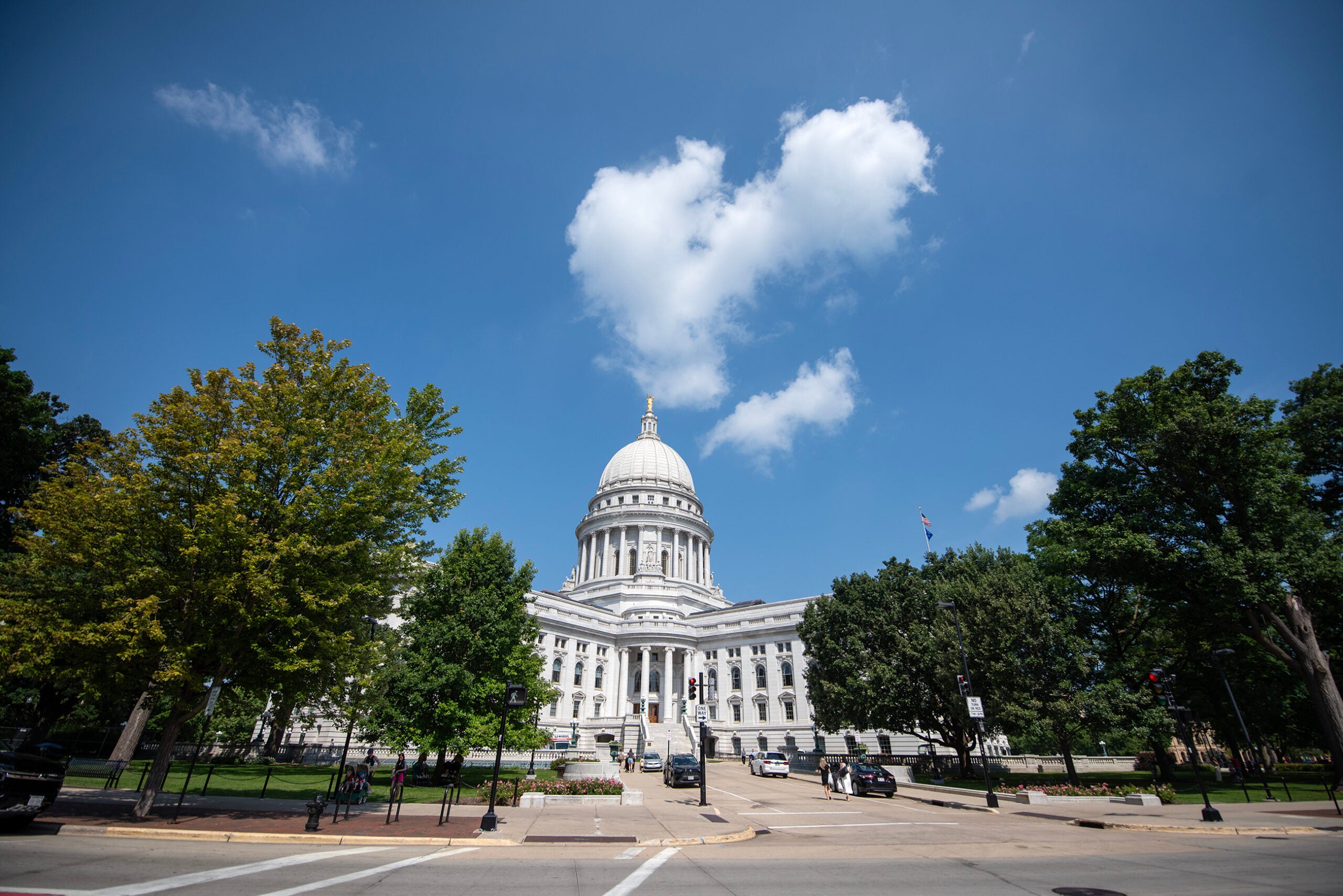
In the past, the type of fee increases proposed for segments of Wisconsin’s livestock industry would almost certainly be slowed or halted by the Republican-controlled state Legislature. But a July ruling by the Wisconsin Supreme Court, currently controlled by liberal justices, has changed the game.
The court struck down parts of state law that allowed the GOP-controlled Joint Committee for Review of Administrative Rules, or JCRAR, to indefinitely block proposed rule changes like the fee increases proposed by DATCP. In August, Democratic Gov. Tony Evers told the heads of state agencies not to wait for Republican-led legislative committees to sign off on a backlog of proposed rules before publishing them and giving them the effect of law.
State Rep. Adam Neylon, R-Pewaukee, is a cochair of the joint rules committee. He told WPR the fee hikes proposed by DATCP “are going to be devastating” for the livestock industry, and he wishes “there was something that we could do from the legislative standpoint.” Neylon said he’s never seen the scale of fee increases recommended by DATCP in any other rule proposed before.
“I think that there’s going to be more willingness from the administration and from these agencies to look at these type of fee increases on different types of industries now that the Legislature does not have the power to object,” Neylon said.
The Legislature can still play a role in raising awareness of the fee changes suggested by DATCP, Neylon said, but it’s unclear whether lawmakers can make binding requests for modifications. He said opposition to the fee increases will “really have to come from the people” during public hearings.
“Public opinion still matters,” Neylon said. “And, if Gov. Evers’ administration hears people loud and clear that this could put people out of business, it could raise the cost of food … then there might be some willingness to reevaluate such a substantial fee increase.”

Wisconsin Public Radio, © Copyright 2026, Board of Regents of the University of Wisconsin System and Wisconsin Educational Communications Board.