The new state budget signed into law by Gov. Tony Evers will fund the expansion and reconstruction of some of Wisconsin’s most heavily used interstate highways.
That’s according to Wisconsin Department of Transportation Secretary Kristina Boardman, who said increased funding and vehicle fees in the budget are helping maintain Wisconsin’s roads and ensure her department is staying ahead of rising costs of construction.
This comes as she and other state officials are navigating cuts to federal transportation funding and grant programs coming out of the Trump administration’s budget law.
News with a little more humanity
WPR’s “Wisconsin Today” newsletter keeps you connected to the state you love without feeling overwhelmed. No paywall. No agenda. No corporate filter.
Boardman joined WPR’s “Wisconsin Today” to discuss how these changes to state and federal funding will affect infrastructure in the state.
The following was edited for clarity and brevity.
Kate Archer Kent: The new state budget increases transportation funding by hundreds of millions of dollars. What will that allow your department to do?
Kristina Boardman: This is the fourth budget in a row to increase transportation revenue, and it’s really going to allow us to strengthen some programs. We’re going to have some enhanced funding opportunities for local communities, which is always good news.
The I-39/90/94 corridor from Madison to the Wisconsin Dells was enumerated in this budget, so we’ll get started on that. I-94 East-West, connecting the [Milwaukee County] Zoo and Marquette interchanges, we’ll be working on that. It keeps all of our other projects on schedule.
KAK: Municipalities around the state have struggled with funding for road maintenance. Will this new budget help to address that?
KB: Yes, there is new funding coming in with this budget. So for the routine maintenance on our interstate system that counties are taking care of, there is an additional $30 million on top of the base in the budget. So that will definitely help.
In terms of general aids, there’s a 3 percent increase. For local road improvement, we’re getting $100 million for a supplemental program on that. I also just wanted to mention the agricultural road improvement program that was new in the last budget, funded at $150 million. We have another $150 million in this budget, and that’s really for those agricultural projects, those first and last miles, getting it from farm to market.
KAK: The Trump administration rescinded funding for the U.S. Department of Transportation’s Neighborhood Access and Equity Grant Program, canceling a $36 million street reconstruction project in Milwaukee. Do you know if other Wisconsin projects are being affected by federal cuts?
KB: We’ve been looking very closely at the reconciliation bill and the impacts of that rescission. There is a city of Madison project, and a couple of other projects that were [funded through federal programs]. Those funds were obligated prior to the change in administration, so those are locked and available for our use. It’s really the city of Milwaukee that is the primary impact here in Wisconsin.
KAK: Wisconsin has received billions of dollars from the 2021 bipartisan infrastructure law and the 2022 Inflation Reduction Act. Are these funds still coming through?
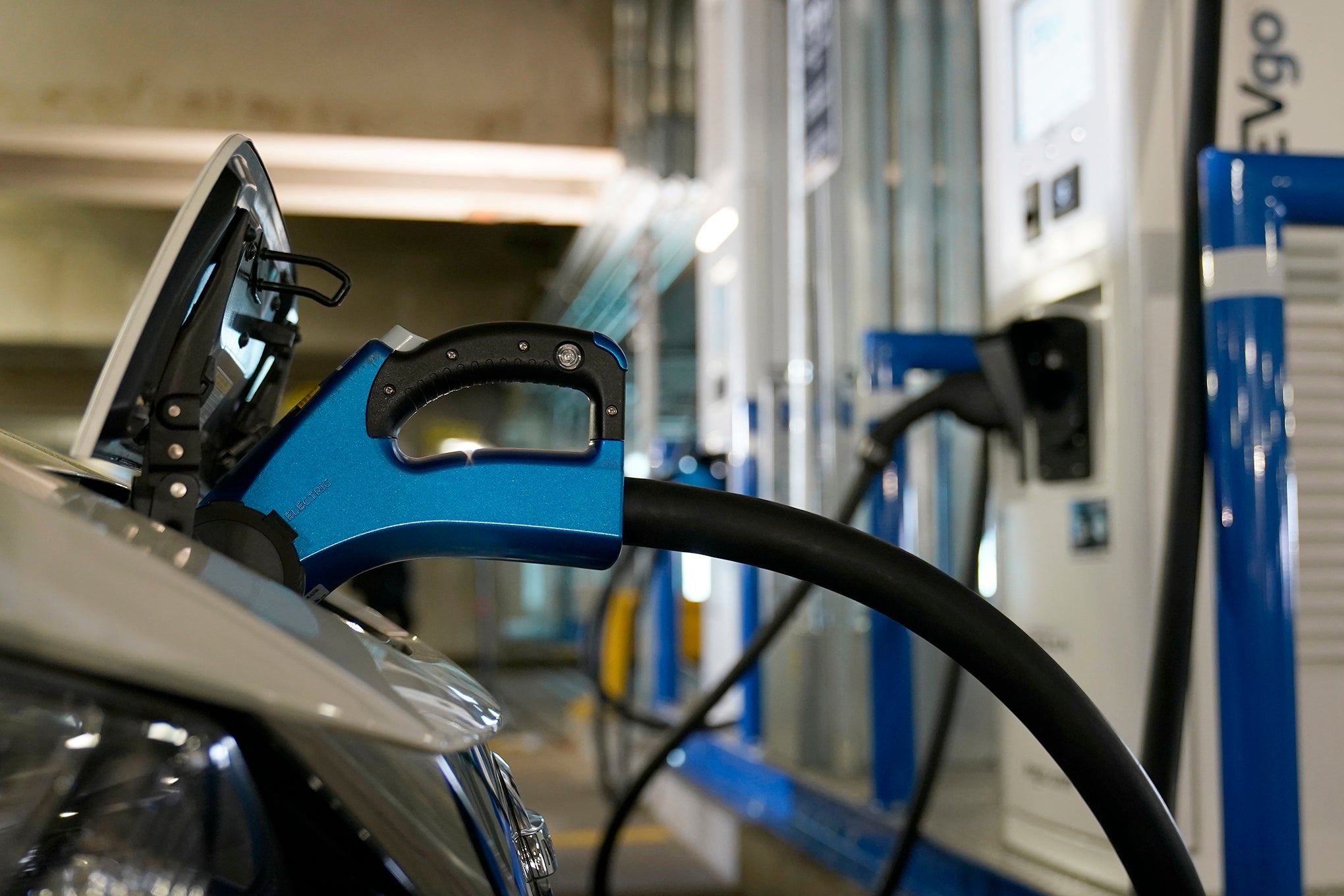
KB: We have our regular formula funds. That is all continuing forward. Bills are getting paid. That is all good news. We have had some discretionary programs where there have been some language changes that we’re keeping close tabs on. One that was recently impacted was the electric vehicle charging stations that we were putting out statewide.
There was a pause on that program, but we had a recent court ruling, and we are now able to open up the use of more of those funds. We had 15 projects that we had awarded through an RFP [request for proposal]. Those funds were not yet obligated. We are moving those forward, and we may reopen another RFP to fill any gaps that we have on that fuel corridor.
KAK: In the new budget, Wisconsin will see an increase in vehicle title and driver’s license fees. Why did those go up and what will those help fund?
KB: There’s been a lot of discussions about this during these negotiations on creating new sustainable revenue for the transportation funds, so that we can better plan and know that the funds are there to maintain our roads moving forward. To maintain that 21st century infrastructure, we do need to have additional funds in there.
In addition to the title fee, there is a registration fee for heavier trucks, and then the driver’s license fee, which people pay once every eight years. That had not gone up in many years, so that has a modest increase, as well.
Since 2019, with some of this new revenue, we’ve been able to redo more than 8,600 miles of roads and more than 2,000 bridges. So we can assure people that those extra funds are being well used to make sure that we have safe infrastructure across Wisconsin.