The state budget signed by Gov. Tony Evers in early July includes some wins for education, like a 15 percent boost in school reimbursements for special education and a $256 million boost in funding to the Universities of Wisconsin rather than previously threatened cuts.
But to the dismay of some school leaders, the budget included no increase in general state aid for K-12 schools, despite a $4.3 billion budget surplus.
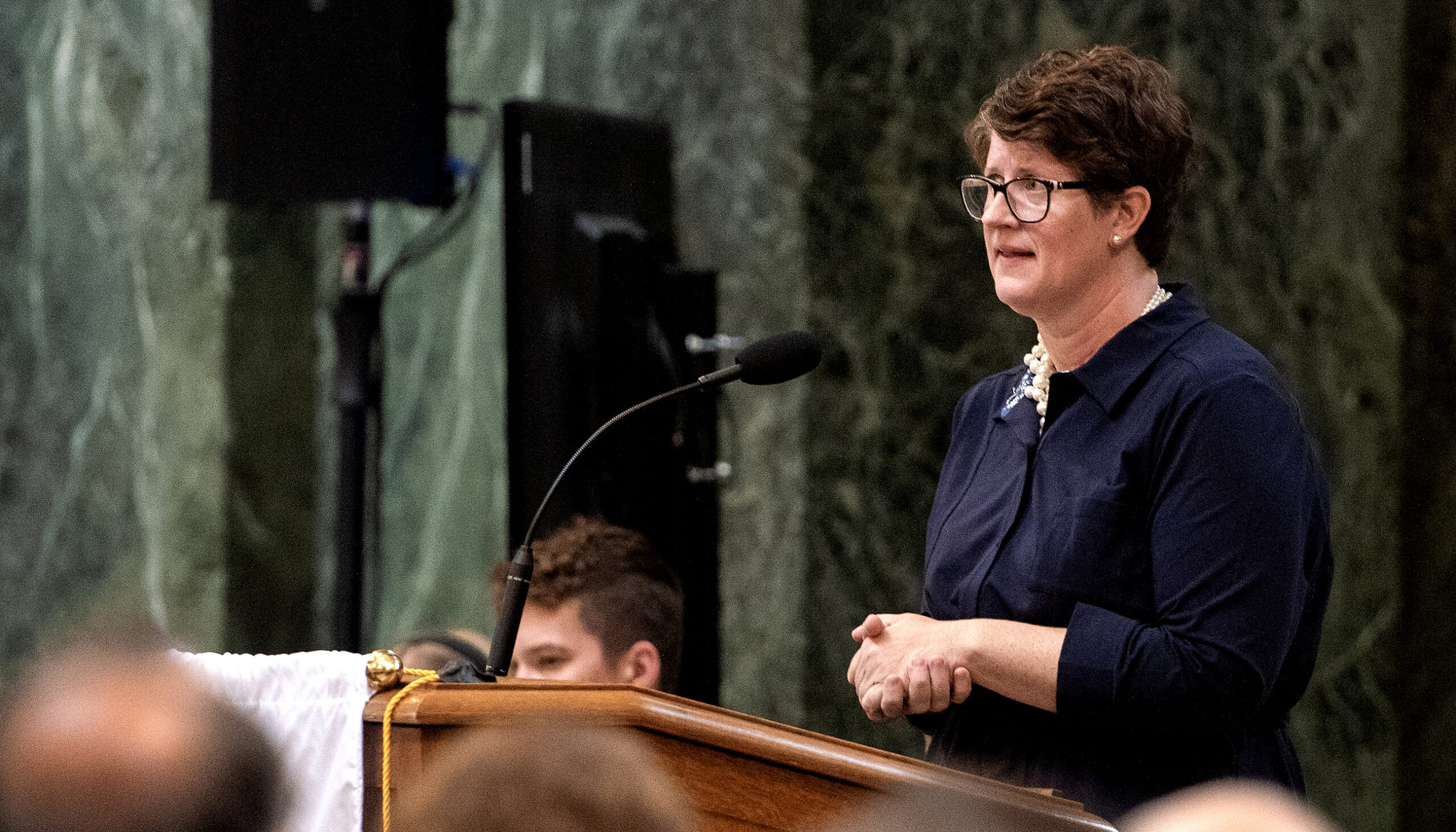
WPR’s “Wisconsin Today” spoke with Wisconsin State Superintendent of Public Instruction Jill Underly about her thoughts on the new budget and the state joining a lawsuit against the Trump administration’s hold up of education funds.
News with a little more humanity
WPR’s “Wisconsin Today” newsletter keeps you connected to the state you love without feeling overwhelmed. No paywall. No agenda. No corporate filter.
The following was edited for clarity and brevity.
Rob Ferrett: I want to start with the breaking news. Wisconsin joined this federal lawsuit after some funds that were supposed to be dispersed to schools on July 1 were blocked by the Trump administration on June 30. What are those funds? What is the impact on schools, if that money isn’t coming?
Jill Underly: Well, these were funds that were already approved by Congress. These are funds that impact after school programs, before school programs and summer school care.
RF: What are you hearing from school leaders about this abrupt change and indefinite pause on that funding?
JU: When we had the green light a few months ago, our schools had already proceeded to budget these dollars into the next school year, because Congress had appropriated them. And now they’re left trying to figure out how to fund those programs.
RF: Turning to the state budget. Let’s start with the positives that school leaders are pointing out: the increase in special education reimbursement from the state. What is that special education reimbursement? Why is it important to local districts?
JU: There’s progress we’re celebrating around special education, but there’s more work to be done.
As it is, school districts currently were 30 percent reimbursed on their expenses for special education, and the state budget increased that to 45 percent reimbursement. So that’s progress in the right direction. It will give school districts a little bit more relief.
RF: On the other hand, no increase in general aid for schools. You were critical of a lack of that kind of general funding increase. What do you make of this compromise budget between the governor and Republican leaders that didn’t really boost that?
JU: This is the first time they’ve gotten zero increase in new dollars since 2010. So even with the offset of that small bump in special education, it’s not going to be enough to cover the gap that exists between what schools need to operate and what schools are receiving in aid.
Citizens need to know that our school districts, our school boards and our superintendents — this is not a problem that they created, and they’re going to have to make some tough decisions about programming [and] hiring staff. And especially when you couple that with the uncertainty at the federal level with funding.
Times are really tough for our local public school districts, and I just hope our citizens understand that this was not something that they created, and our school districts are going to have to make some tough decisions.
RF: Do you think that school districts are going to turn toward property taxes or going to referendums?
JU: That’s the issue that local school districts are going to have to struggle with. If they’re not getting the aid from the state, they’re going to have to rely on local property taxes to make that up.
[The issue is] whether our communities, our local school districts and the voters [have the] appetite for having to constantly increase their local taxes is when the responsibility for funding our public should be coming from the state.
RF: Student mental health funding: $30 million came through in that budget. There were calls for as much as $300 million. What do you see that student mental health funding going toward, and is it enough?
JU: It’s not enough, but it’s going to continue to help in areas that we’ve been able to support, such as anti-bullying programs, peer-to-peer mentoring, potentially professional professional development for teachers — there’s different ways local school districts could use it.
But when we look at a rise in anxiety and depression and mental health issues that we’ve seen as a result of our youth mental health survey, we know that there is a dire need for programming, and so that’s why we had proposed such a large amount.
It’s really meant to help kids who are struggling. Because ultimately, we want to make sure kids are healthy. Ultimately, let’s address the problems now when kids are young, so that they can grow into being healthy adults and productive citizens.