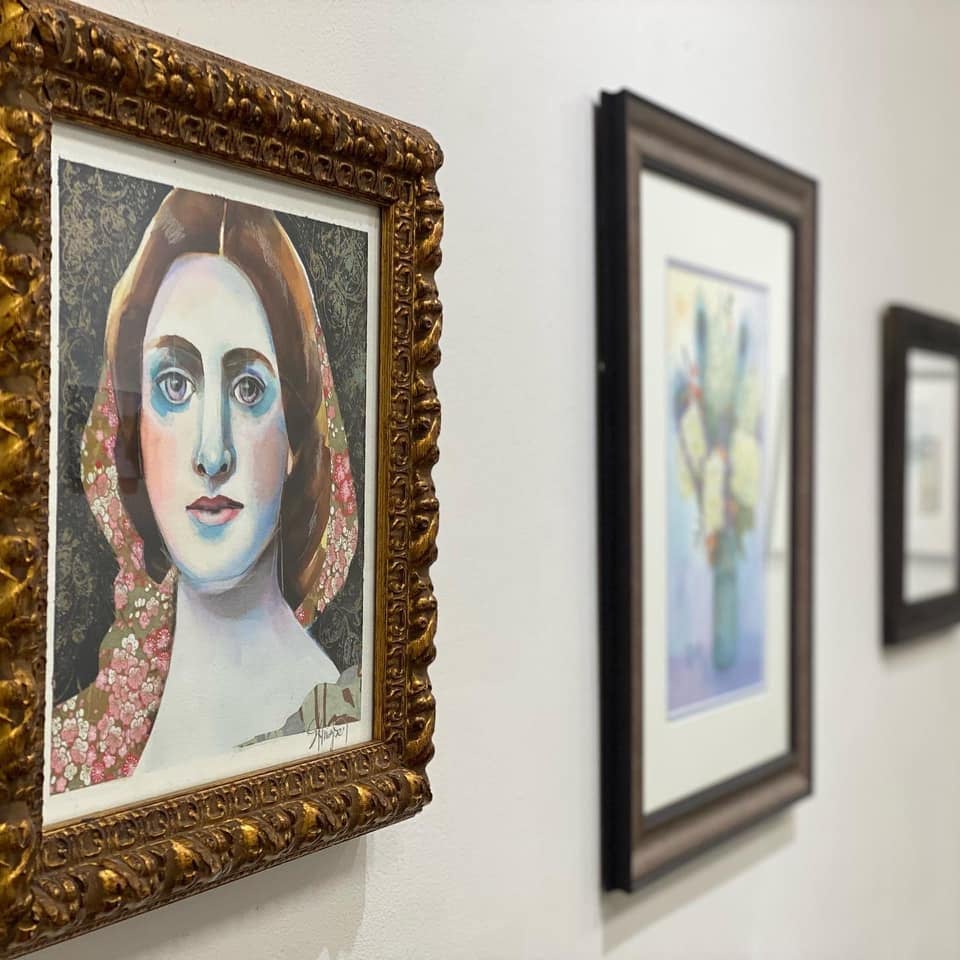
In a bright, art-filled space at ArtStart in Rhinelander, people living with memory loss and their care partners gather to paint, sing, share stories and — most importantly — connect.
The SPARK! program, led by trained staff and volunteers, is part of a nationwide initiative that offers a place where creativity becomes a bridge between memory and the moment. Sessions offer hands-on experiences that encourage conversation, movement and creative expression.
In a conversation on WPR’s “Morning Edition,” ArtStart Program Director Ashley McLaughlin said SPARK! gives participants a reason to get out and engage with others.
News with a little more humanity
WPR’s “Wisconsin Today” newsletter keeps you connected to the state you love without feeling overwhelmed. No paywall. No agenda. No corporate filter.
“Programs like SPARK! help people have a reason to get out of their homes and into the public,” McLaughlin said. “It’s helpful to have an outing, mingle with others, connect with others and share stories. It also helps people move their bodies in ways that they otherwise wouldn’t be at home. There are a lot of benefits, but mostly it’s about getting out of the house and building a community with others.”
McLaughlin, who has a background in nursing and decades of nonprofit leadership experience, said the benefits extend to caregivers, as well.
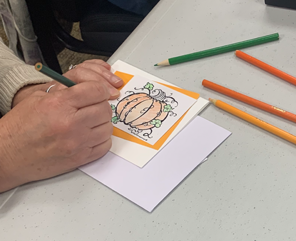
“Caregivers can experience isolation, and it’s helpful for them to have a reason to come out and connect, to have conversations and have a bit of a break,” McLaughlin said.
SPARK! is not an acronym. It represents the “spark” that happens between care partners when they share meaningful experiences — a moment of joy and connection that transcends memory loss.
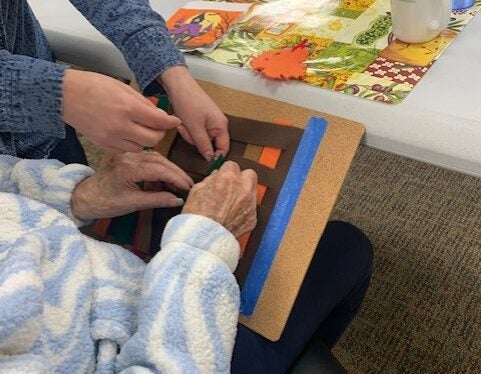
All SPARK! facilitators receive training and work closely with community partners to continually enhance programming. Programs range from art-making and poetry to cooking, music and dance, all tailored to meet participants where they are.
Sessions are free, but group sizes are limited and preregistration is encouraged. To register or volunteer, call ArtStart at 715-362-4328 or sign up online.
The following interview was edited for brevity and clarity.
Shereen Siewert: How do people living with memory loss and their caregivers respond to these programs?
Ashley McLaughlin: Positively. I would say the program is just as much for caregivers as it is for people with memory loss. For people who do experience memory loss, art is something that everybody can experience and do. Everyone can be creative. The program is very much about being in the moment, wherever people are that day, and just enjoying each other. We don’t want people to stress if they can’t remember a certain thing, or come up with the right word they’re searching for. It’s not about that. It’s more about a conversation centered on something we’re creating. Maybe we can share a story or memory along the way, but that isn’t necessarily the goal of the program. It’s just about bringing joy and understanding, and about being in the moment.
SS: What do you personally love about this program?
AM: I get a lot of joy out of this. I’m a very empathetic person with a background in nursing and working with people who have dementia, so this is very near and dear to my heart. There’s definitely a lot of stigma and shame around dementia, which is really unfortunate. I think people should celebrate where they are and share their stories. We should be kind and understanding to everyone in our community, while trying to make a better place for all.
SS: Walk us through a typical program.
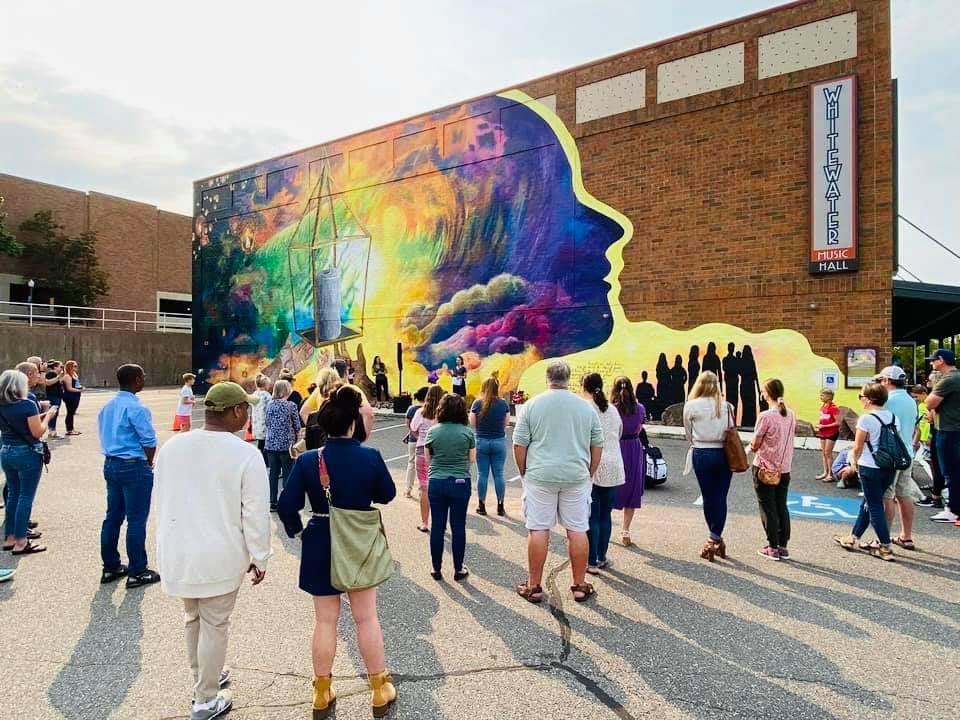
AM: We start by experiencing the artwork in our galleries with our artists. These are exhibitions we bring in, mostly from Midwestern artists, and art that you might not typically see in a small town. Participants explore the gallery, then have a conversation with the artist. They might choose a particular piece to discuss and center the theme of the program around that piece. They might find a connection. For example, there might be a flag in one of the pieces of art, and they might base the program that day around flags and just see where the conversation takes them throughout the day.
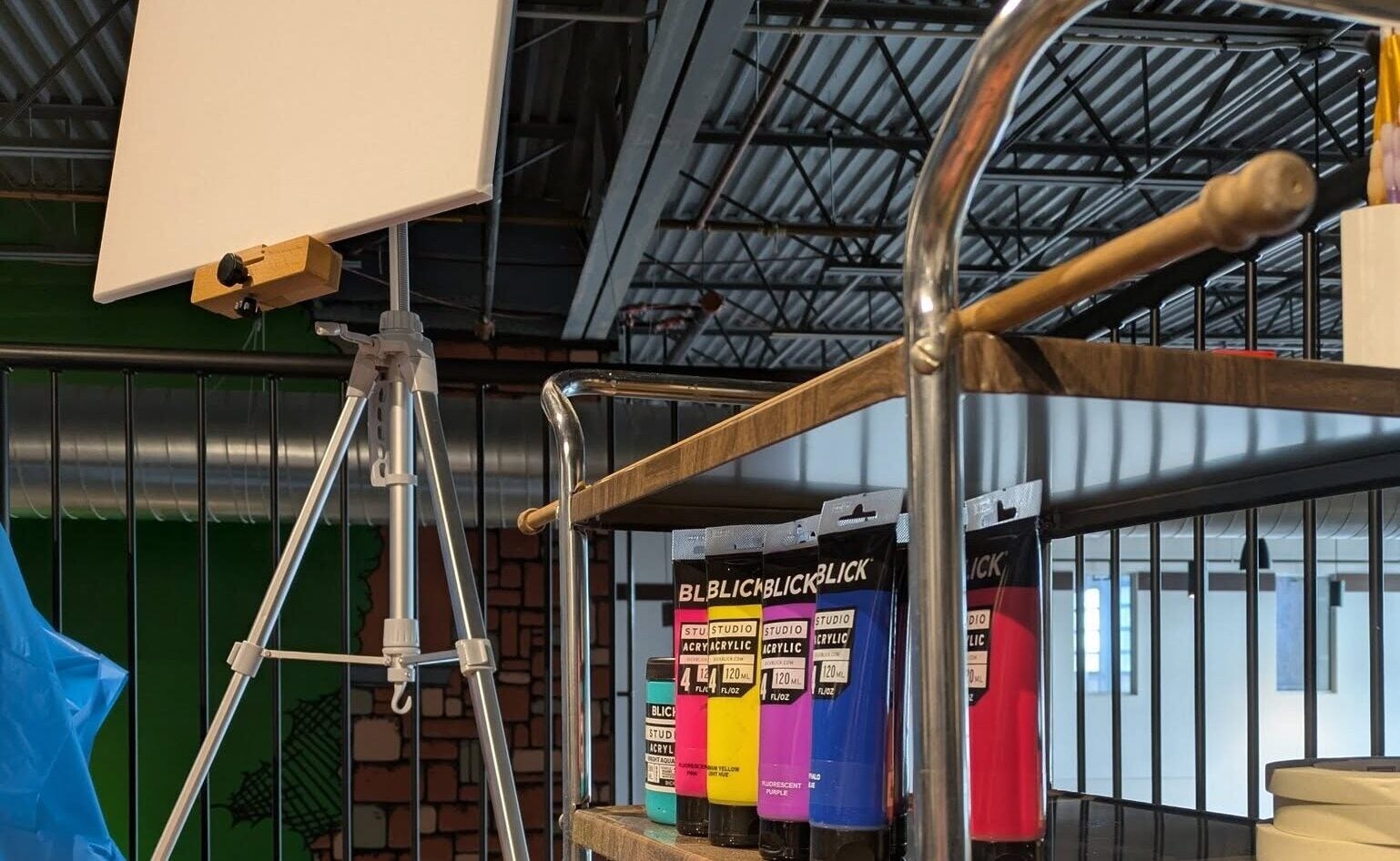
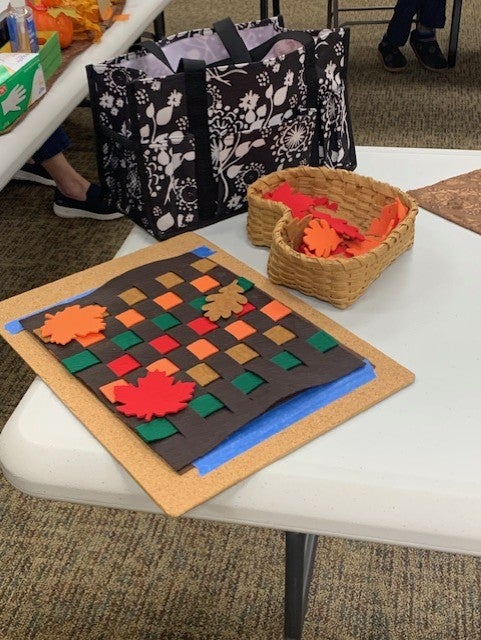
Then, they’ll move from the galleries into the classroom, where artmaking actually happens. Our artists are great about setting up different projects based on participants’ interests. It’s not necessarily the same project for everyone. They also take into account each participant’s specific obstacles or challenges to make sure it is a beautiful experience for everyone involved. We have a bit of social time, too, with some coffee and cookies or a donut, and there are flowers around to engage the senses.
Even the smells can sometimes open up a memory or prompt some feeling. After the artwork is made, participants can hang out with us and continue their conversations, as well as the caretakers. We generally stick around for a half hour to an hour after the program wraps up to just connect with people.
SS: How do people sign up?
AM: Anyone can sign up. We would like to know who’s coming to help us prepare. If someone is interested in coming for the first time, we recommend that they give us a call so that we can just connect and learn a bit more about who is participating. We fill out a short questionnaire by phone, and that allows us to have the right supplies ready. Our artists are warm and inviting, and very friendly, just great people. So anyone can participate in the program, and it is free.
If you have an idea about something in central Wisconsin you think we should talk about on “Morning Edition,” send it to us at central@wpr.org.