
Multiple sclerosis is a lifelong, often debilitating neurological disease. Neurologist Dr. Ahmed Obeidat in Milwaukee said the list of possible symptoms is vast and can range from vision difficulties and fatigue to debilitating pain.
Everyone’s experience of symptoms of multiple sclerosis is unique. And although there is no cure, Obeidat said there is one treatment that everyone seems to benefit from: creating art.

News with a little more humanity
WPR’s “Wisconsin Today” newsletter keeps you connected to the state you love without feeling overwhelmed. No paywall. No agenda. No corporate filter.
Obeidat, who works at the Froedtert & the Medical Center of Wisconsin health network, encourages his patients to create art, because a regular artistic practice can be healing for the brain.
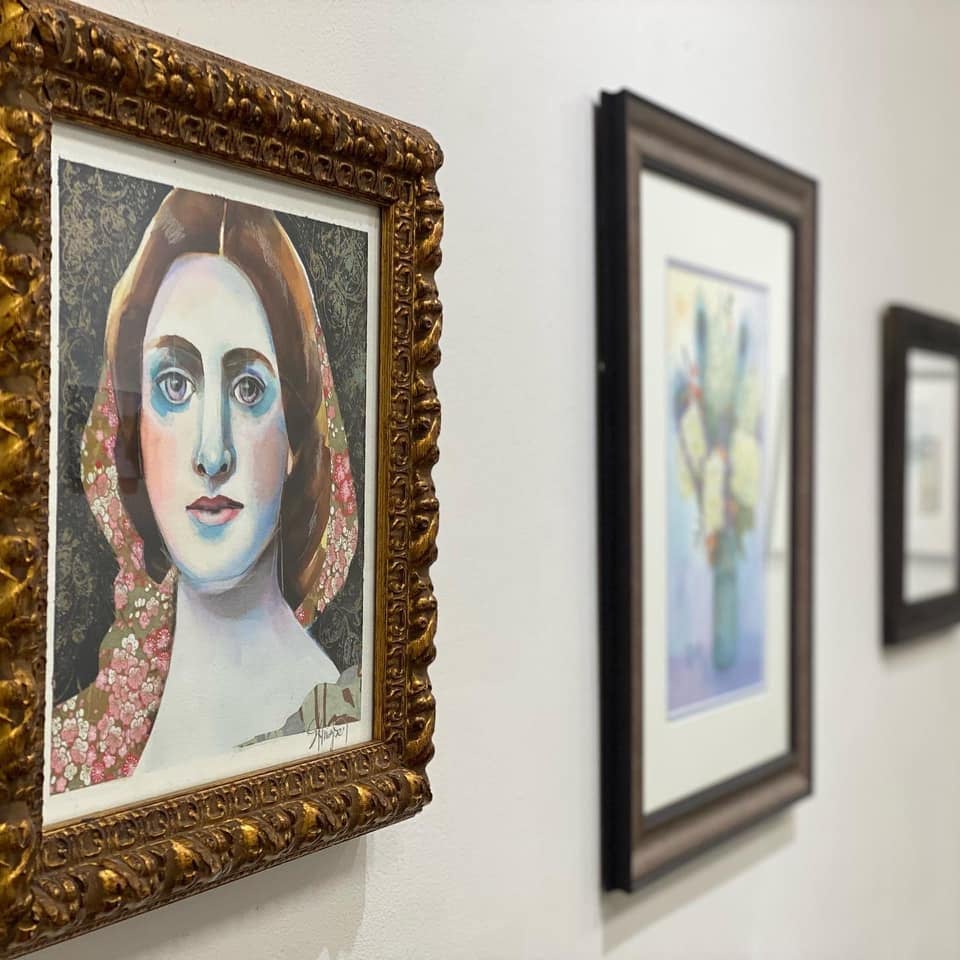
“When you think about us as humans, we are born creative. Sometimes we get busy in life, and we forget about the creative side of us,” Obeidat told WPR’s “Wisconsin Today.” “Creating art will help build new (neuronal) pathways, or even improve the connectivity in some areas where there is no damage.”
“This is a lifelong disease, but we can work together to be able to live well with it,” he added.

In his interview with “Wisconsin Today,” Obeidat explained how further research could allow for more access to the healing benefits of art and a higher quality of life for patients with multiple sclerosis.
The following interview was edited for clarity and brevity.
Kate Archer Kent: Art practice may not be something that everyone has financial access to. How do you work with patients to make sure that they have the resources to participate in art in meaningful ways that could impact their life?
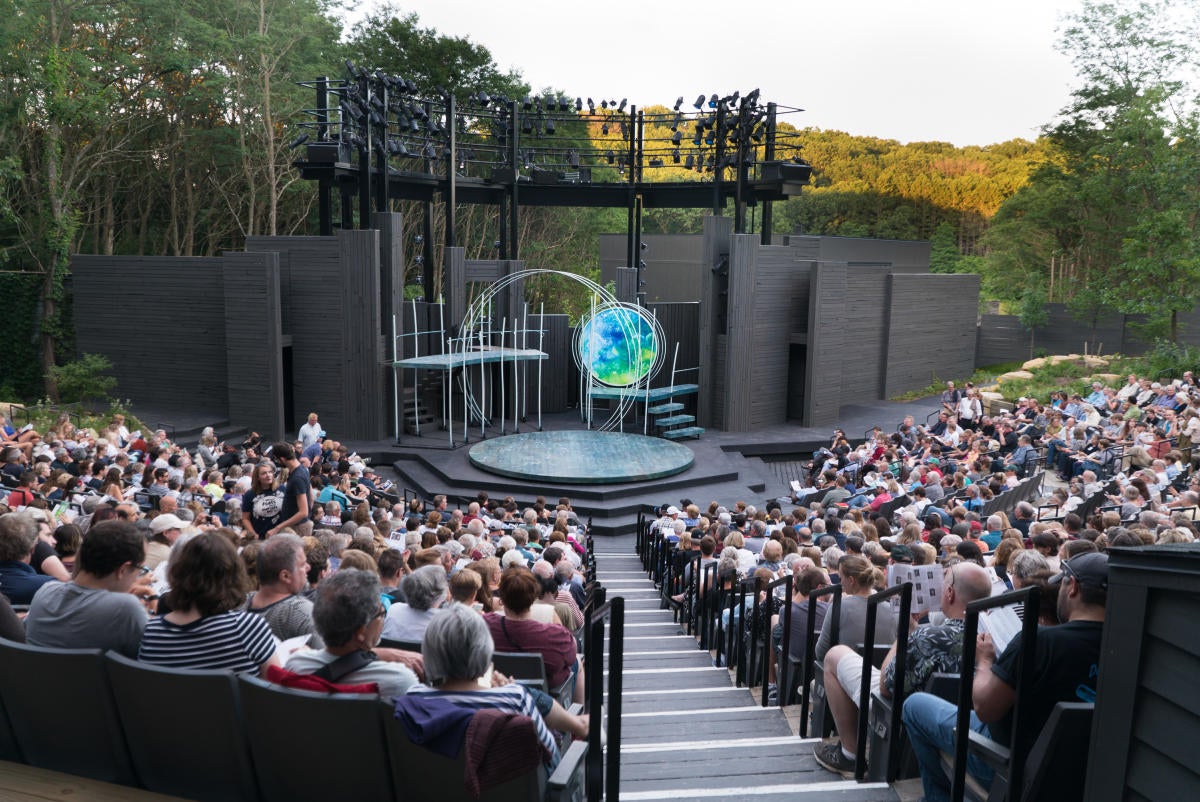
Dr. Ahmed Obeidat: Creating art is something that may come at a financial or time-related cost. We try to utilize those things that you already have. If not, then we try to partner with nonprofit organizations to design certain art programs. We actually did work with multiple groups, including an art museum and a dance nonprofit organization that promotes performing arts here in Milwaukee.
We tried to get funding to cover the cost of doing something like this. The first pass we didn’t get funding, but we’re not going to stop. Ultimately, to be able to provide this at a larger scale for people who may not have the resources to do the arts in their homes, we have to develop these programs.
As we move forward, I think we’re going to be able to provide more access to people to be able to enjoy their creativity and be able to produce more and help them through the healing process. When we developed the program that we submitted for funding, we actually intentionally had sessions that are during the weekend, because we want to make sure that people who are working during the week are able to still have access to such programs.
So we’re hoping that … we will ultimately get some funds to implement this in Wisconsin on a larger scale, in the state as a whole, not only in Milwaukee.
KAK: How might the scientific community do research to better measure the impact of art in the treatment process for MS?
AO: This is a very, very important question. Do we really need clinical trials to prove that art helps people with neurological disease or help people in general? Probably not. But do we have to prove it? Maybe yes.
Why is that? Because there may be resources needed to support some of these activities. For organizations or payers to recognize this as part of the healing process, they’ll need data, right? You need data showing that this works. We all know that art makes people happy. Art promotes healing, but we need to prove it through the scientific method.
KAK: Because you can’t bill insurance for it?
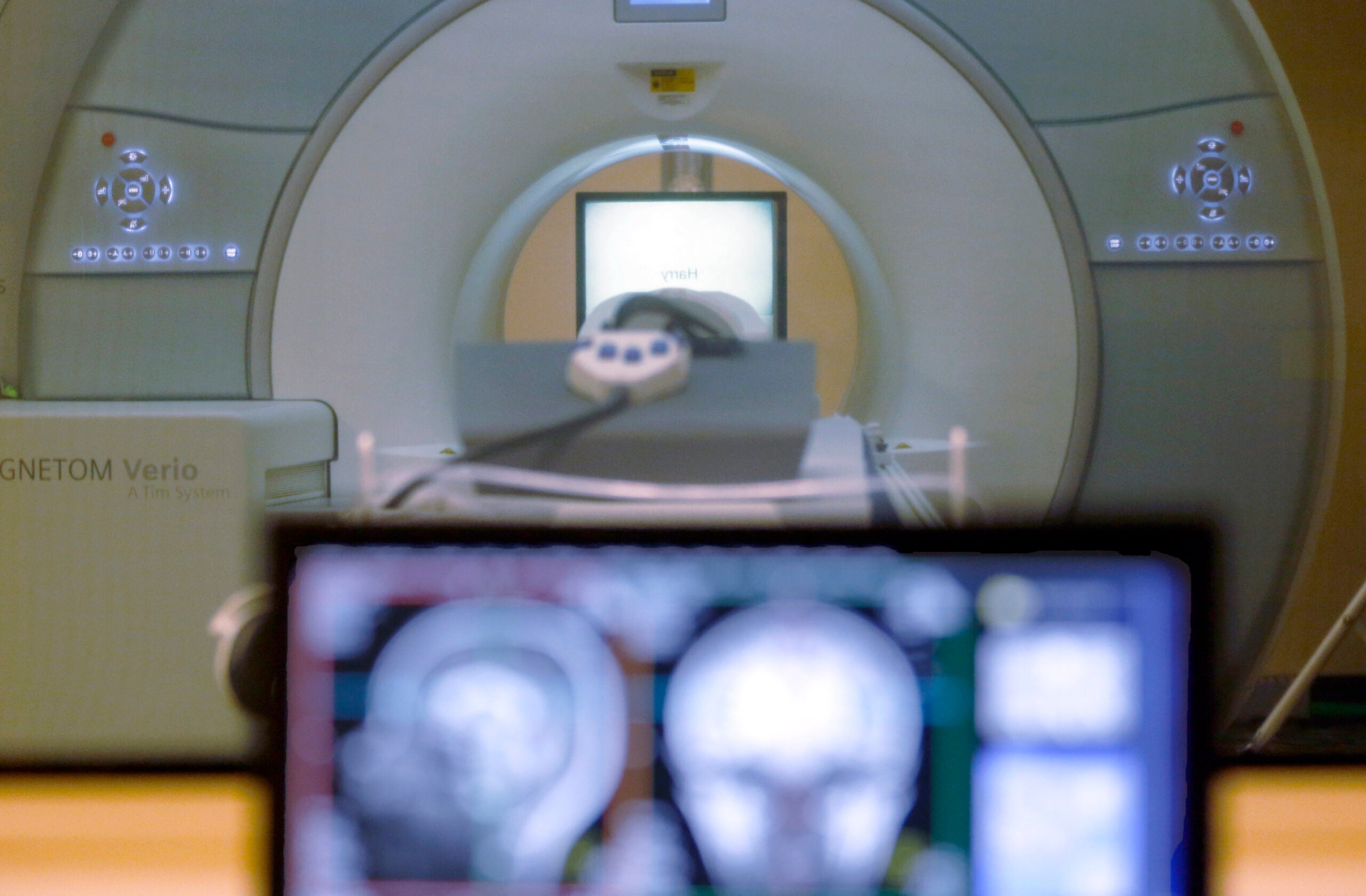
AO: Correct, exactly. There has been work done around this, and there are studies that looked at specific qualitative outcomes. And of course, people are going to be feeling great after doing an art activity most of the time. But also, there is a role for what we call the functional MRI: an advanced type of imaging that looks at the structure and the function of the brain as someone is engaged in creative activity. And what those studies have shown, on various levels, is improved connectivity in certain brain areas and certain neuronal pathways and connections.
The connection between healing through the arts and multiple sclerosis is an area that is very much under-studied and under-recognized, I would say, from a scientific method and from the scientific community. More studies and maybe developing specific programs incorporating arts into the healing of people living with multiple sclerosis is going to be the next thing we have to do. It’s going to be the future.
Yes, we want to treat people with the medication that we have. These medications have transformed the field and what we can do. But we also want to incorporate holistic approaches — we don’t want to forget about diet, exercise or the power of arts in the healing journey.
Editor’s note: This article was updated to include the full name of the institution where Dr. Ahmed Obeidat works.