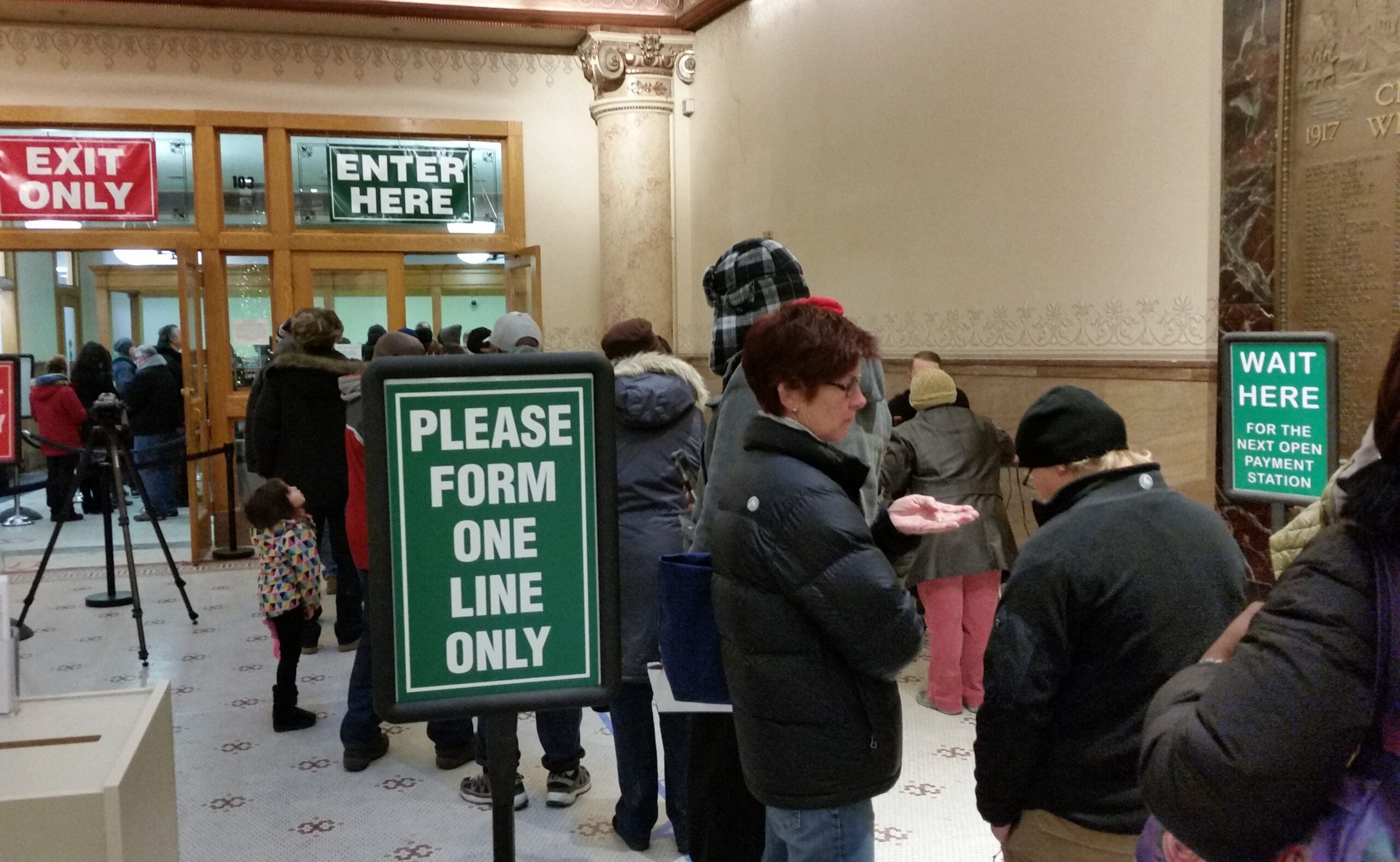
Many Wisconsinites are noticing significant increases to their property tax bills arriving this month, and the sticker shock is showing signs of becoming a campaign issue in next year’s elections.
A new analysis from the Wisconsin Policy Forum finds that school property tax rates rose an average of 7.8 percent this year, driven by flat state aid and a rise in per-pupil aid limits from the 2025 state budget.
Anthony Chergosky, a political science professor at the University of Wisconsin-La Crosse, expects these issues to be featured in the 2026 midterm elections as both parties blame each other for the increases.
News with a little more humanity
WPR’s “Wisconsin Today” newsletter keeps you connected to the state you love without feeling overwhelmed. No paywall. No agenda. No corporate filter.
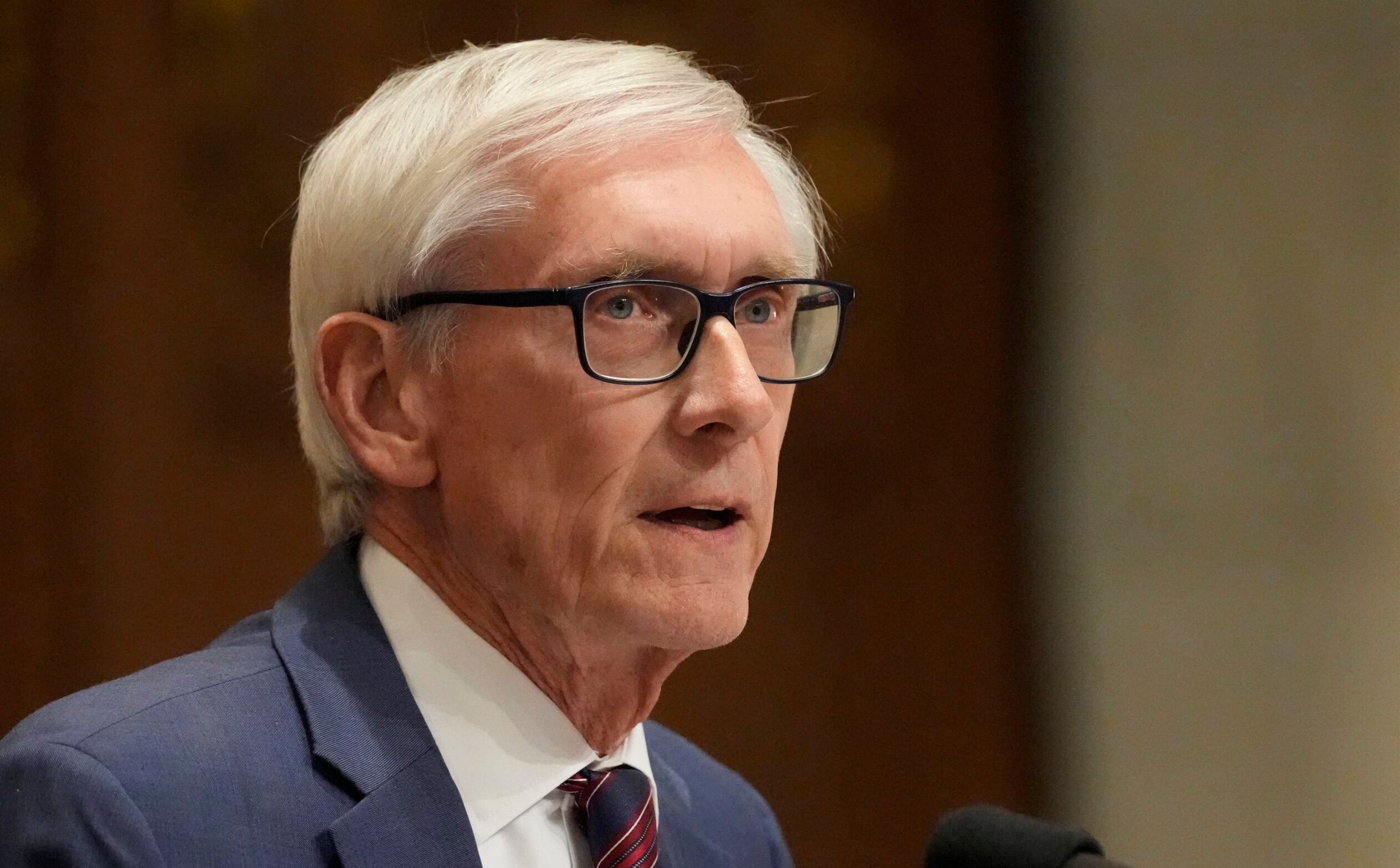
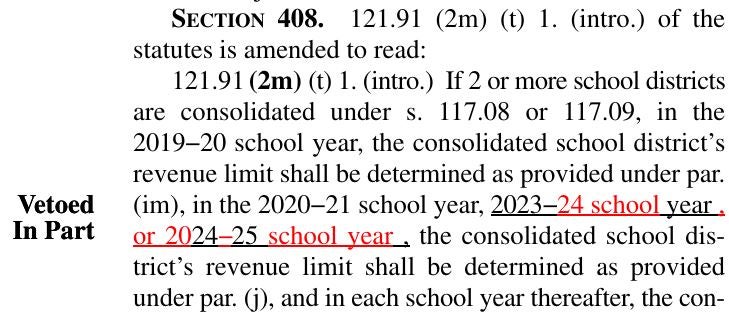
“Republicans can point to the so-called 400-year veto that Gov. (Tony) Evers put in place in 2023,” Chergosky said. “Meanwhile Democrats are pointing to the Republican legislature keeping that general school aid flat.”
He joined WPR’s “Wisconsin Today” to discuss the partisan policy choices that created the current tax situation and how this could play into next year’s gubernatorial election in Wisconsin.
The following interview was edited for clarity and brevity.
Kate Archer Kent: We saw Republican gubernatorial candidate, U.S. Rep. Tom Tiffany, among the politicians blaming high property tax bills on Evers’ partial veto that allowed for increased school funding for 400 years. Do you see this as an effective issue for Republicans to campaign on?
Anthony Chergosky: It could be potentially, because if there’s one word that captures the current political moment, that word is “affordability.” The political parties right now are scrambling to make the best possible case to voters on that issue of affordability, and this political controversy surrounding property taxes has been a long time coming.
KAK: Democrats have made the argument before that Republicans are not funding schools and local governments enough. Will that same message still resonate with voters in 2026?
AC: What’s going to be so interesting is if this issue stands on its own as a signature issue in the campaign or if it gets swallowed up into that broader issue of affordability. None of this is a surprise when we look at the domino effect, the series of events that took place to get us to this point, whether it was the budget signed in 2023 and then the budget signed in 2025. So the parties have seen this coming for a long time.
Now it all fits within that context of the midterm elections, where not only is there a highly competitive race for governor, but these state legislative candidates are going to be making their case to voters on these issues of the property tax and school aid as well. Both chambers of the state legislature are up for grabs when it comes to that fight for majority control.
KAK: Wisconsin had a budget surplus this year, and lawmakers chose to use some of that to lower income taxes. Do you think that decision had some political motivations to it, in addition to the financial aspect?
AC: That is such an interesting thing to consider. Just as the budget set the stage for these property tax hikes, that same budget also cut income taxes.
So politically, it’s going to be really interesting to see how much attention is paid to the sticker shock with these property tax letters coming. The overall tax burden in Wisconsin has not really been on an increase, and if anything, it has been on a decrease, when we look at the overall percentage of people’s paycheck that they’re paying in state and local taxes.
KAK: Do you anticipate economic concerns and affordability will be among the top issues in the 2026 gubernatorial race?
AC: In the gubernatorial race, there are going to be a number of key issues.
There will be national political factors that affect the outcome of the race for governor in Wisconsin. The national brands of the political party and the candidate quality will also make a big difference. And then those unique state level issues also play a strong role in gubernatorial elections, so there’s going to be a lot that plays into determining the outcome of the race for governor, but I have no doubt that unique tax issues here in Wisconsin will play at least somewhat of a role.