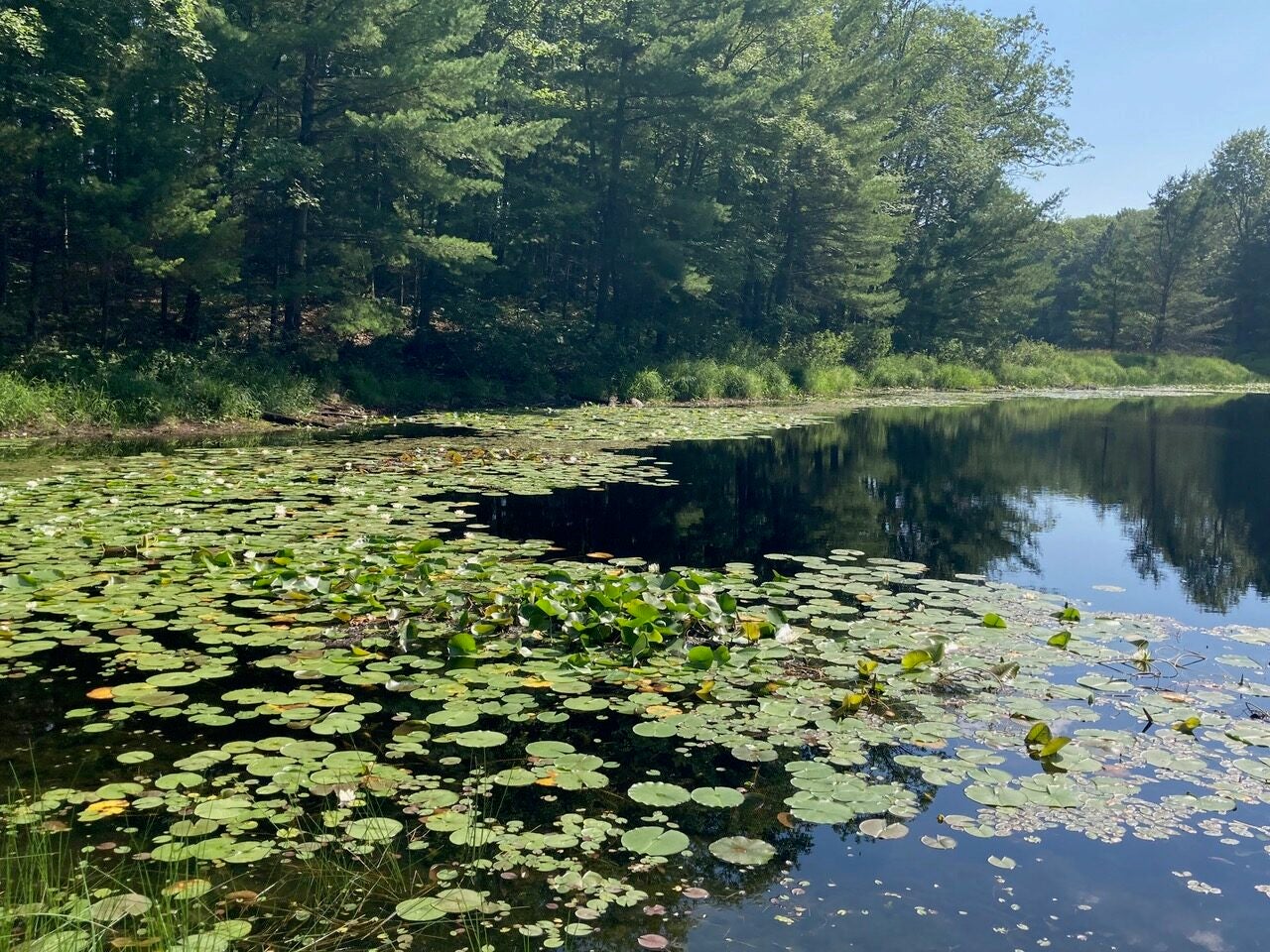
April 22 is Earth Day — a celebration many around the world mark by getting back to nature in some way.
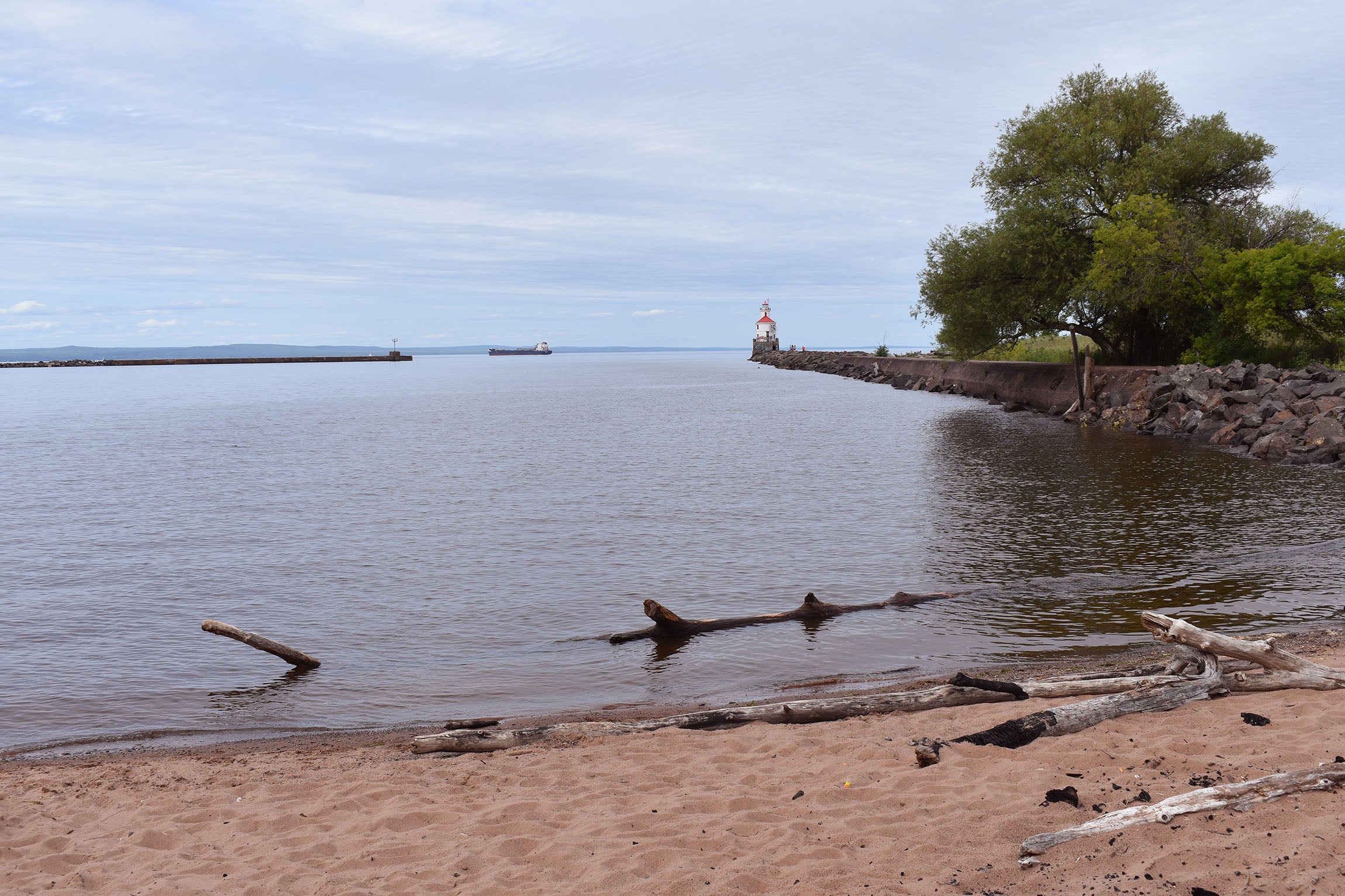
The observance has its roots in northern Wisconsin, specifically with the visit by President John F. Kennedy to the Apostle Islands in 1963.
For many local residents, coexisting with nature is a yearlong passion and responsibility.
News with a little more humanity
WPR’s “Wisconsin Today” newsletter keeps you connected to the state you love without feeling overwhelmed. No paywall. No agenda. No corporate filter.
“I took inventory about what our impacts were on nature at our home in the woods,” said Peter Nordgren, a professor emeritus at the University of Wisconsin-Superior who chronicled the experience in his new book, “A Place on Water: A natural history memoir of northwest Wisconsin.”
“We bought the land and had a house built there. We really were part of the natural community, which is certainly how nature looks at us.”
Nordgren, of Cornucopia, spoke with WPR’s Robin Washington on “Morning Edition” about the book, which is available from North Branch.
The following interview has been edited for clarity and brevity.
Robin Washington: Do you still live in the same house on the water that you write about?
Peter Nordgren: Actually, no. In fact, what stimulated me to come up with the book was our move to Cornucopia. I wanted something that would help me and my family remember our time there. Our move from the house happened 11 years ago, but we were there for almost 24 years.
RW: Was it your primary home or more of a cabin? You did have to commute to UW-Superior many of those years.
PN: It was our home. I’ve got at least one reference to my commute in an essay about the blue iris. I would drive by a little swamp out on County Road B near Hawthorne and see them suddenly appear, with the ground turning a wonderful violet color.
RW: You wrote about the chickadees at your feeder.
PN: The essay is called “Investigating.”
Here is an excerpt: “We are in the land of the deer, the land of the squirrel and of the frog and the crow. But more than all this, we are in the land of the chickadee. They are masters of the airspace at six feet above ground. Surely their nests are close by, but hidden. …. Their calls are all around us at the feeder. They chatter, conversing in some intense way about who goes next and the quality of the sunflower morsels.
They are year-round residents and owners of the place. We see them all the time [but] hardly notice them and rarely give their presence a thought. Yet they must know so much that we don’t.“
RW: Back to the theme of living among nature with minimal interference — you have another essay in which you describe dealing with ants in your house. Some of them you had to exterminate, but not all.
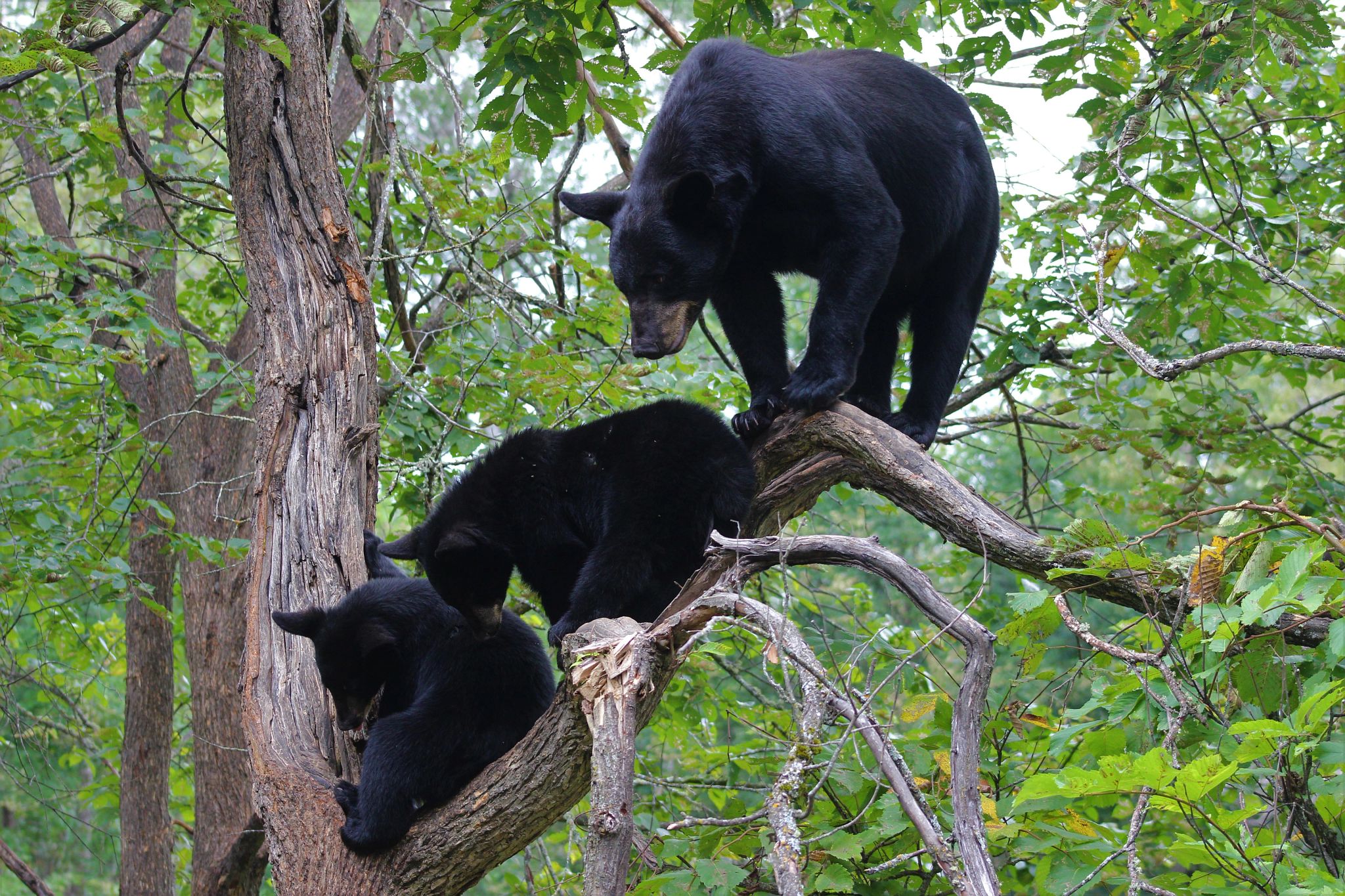
PN: The whole idea, of course, is you think that your house is impermeable. But nature doesn’t look at it that way. Nature looks at it as something that might be used by flora and fauna to take up residence. I’ve got another essay about bears, and I point out that if you live in the country and leave your garbage out, you’re going to have a bear visit.
RW: You also talk about bears eating ants in dried wood stumps. Maybe instead of exterminating the ants, you could invite a bear over.
PN: We could have done that, but they’re a bit hard to manage.
If you have an idea about something in northern Wisconsin you think we should talk about on “Morning Edition,” send it to us at northern@wpr.org.