Democratic Rep. Mark Pocan wants to see his colleagues in the Capitol and working on a solution to what is now the longest federal government shutdown in U.S. history.
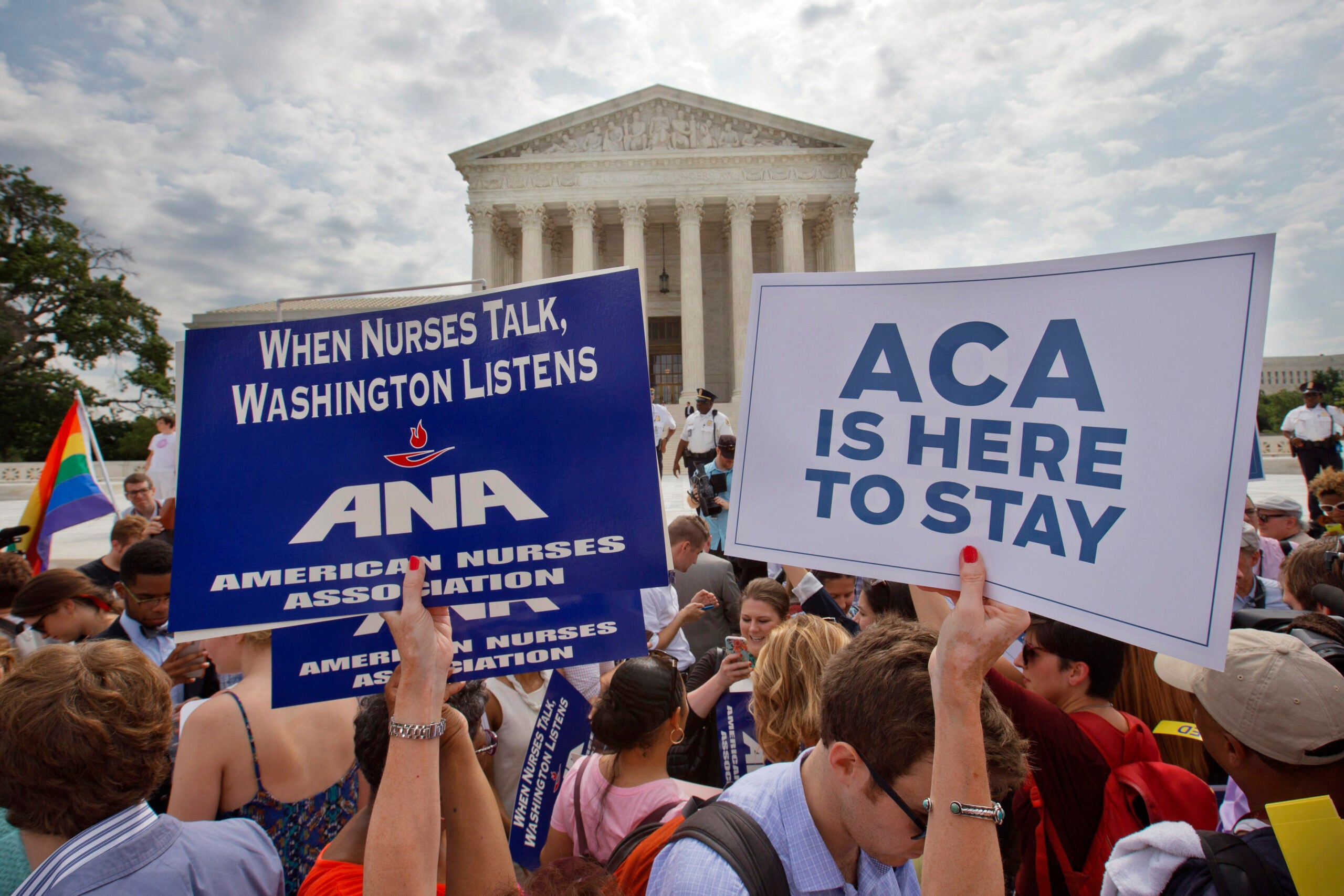
Democrats in the Senate have been calling for a deal that would extend Affordable Care Act subsidies past the end of the year, and Republicans are blaming Democrats for not joining them to pass a funding package approved by the House.
Meanwhile, about 1.4 million federal workers are either furloughed or working without pay, and food assistance didn’t go out at the beginning of the month for the first time in the program’s history.
News with a little more humanity
WPR’s “Wisconsin Today” newsletter keeps you connected to the state you love without feeling overwhelmed. No paywall. No agenda. No corporate filter.
WPR’s “Wisconsin Today” invited members of Wisconsin’s Congressional delegation to weigh in on a way out of the shutdown.
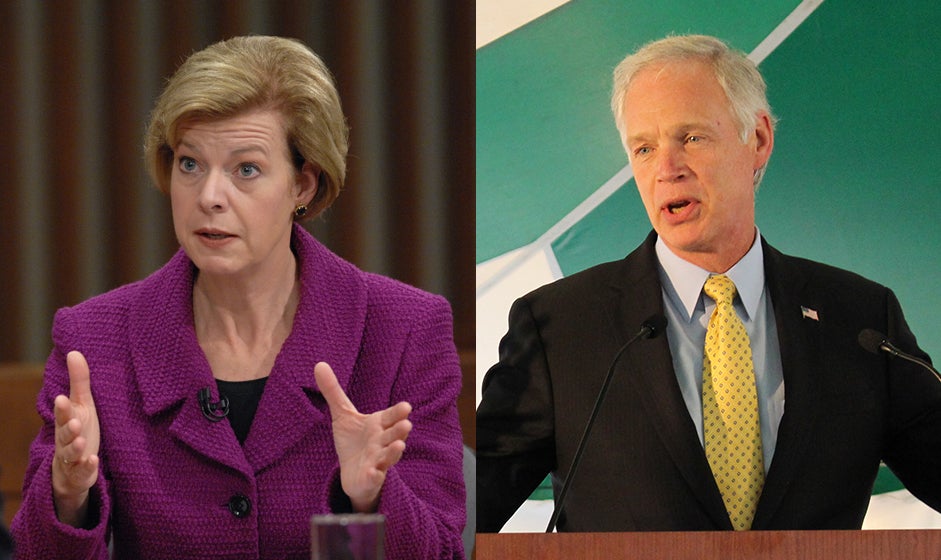
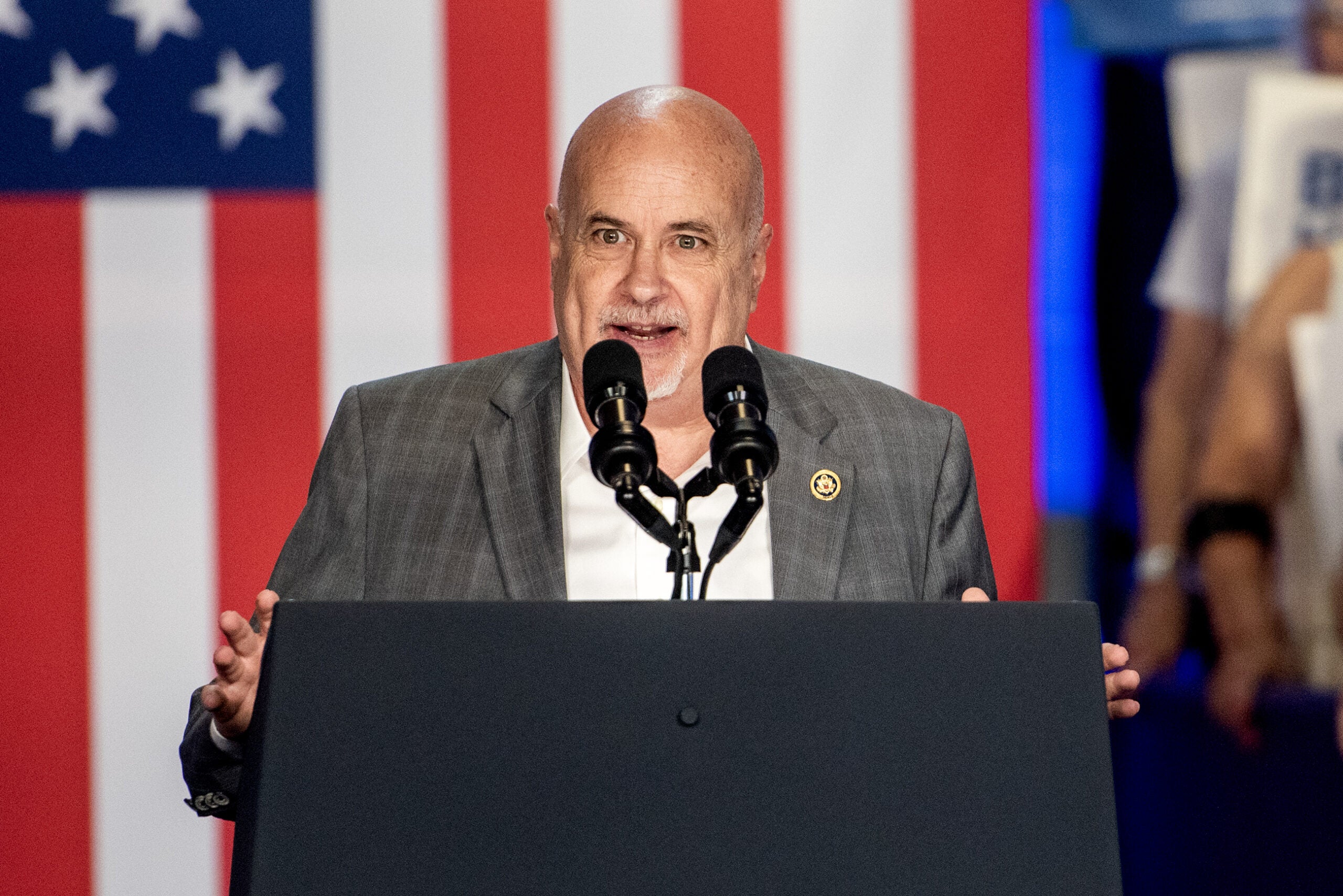
Democratic Representative Mark Pocan’s district includes Madison, Reedsburg and Dodgeville. He joined “Wisconsin Today” to talk about why he and fellow Democrats believe it’s important to keep fighting for health care subsidies. WPR also will interview Republican Sen. Ron Johnson on Monday.
The following interview has been edited for brevity and clarity.
Rob Ferrett: Your Democratic colleagues in the Senate have been saying throughout that health care subsidies are what’s keeping them from extending government funding. For you, what is the minimum commitment on health care that you would want to see?
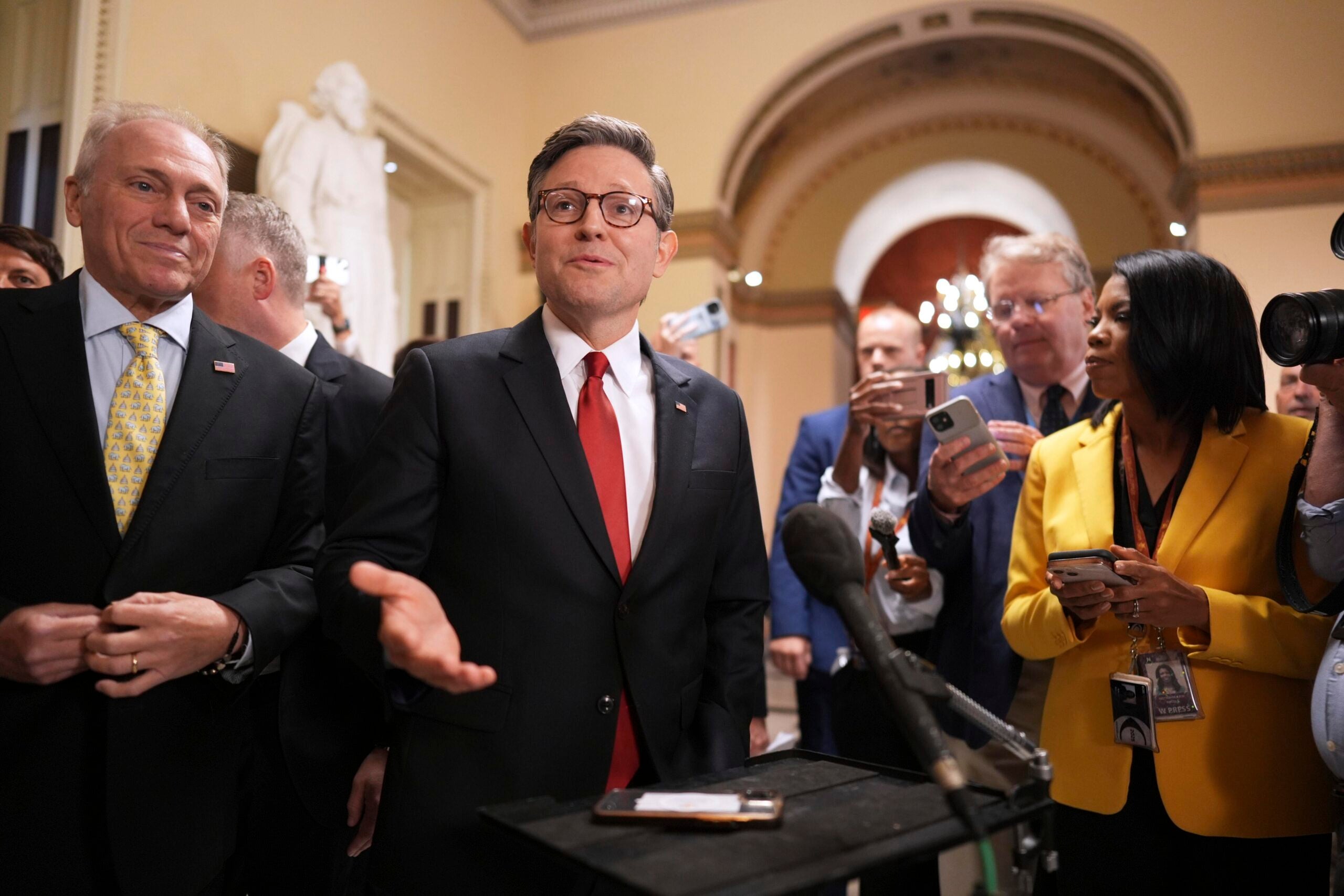
Mark Pocan: I think you have to take it to a 30,000-foot level. You have to show up in Washington to do anything. And we are now on our seventh week of essentially paid vacation because Mike Johnson hasn’t had the House in session. So from the top 30,000-foot level, we have to get back to work. We have a farm bill that’s two years overdue. We have the Older Americans Act, I think that’s a year overdue. We have a bunch of bills to do, and holding your breath isn’t the answer.
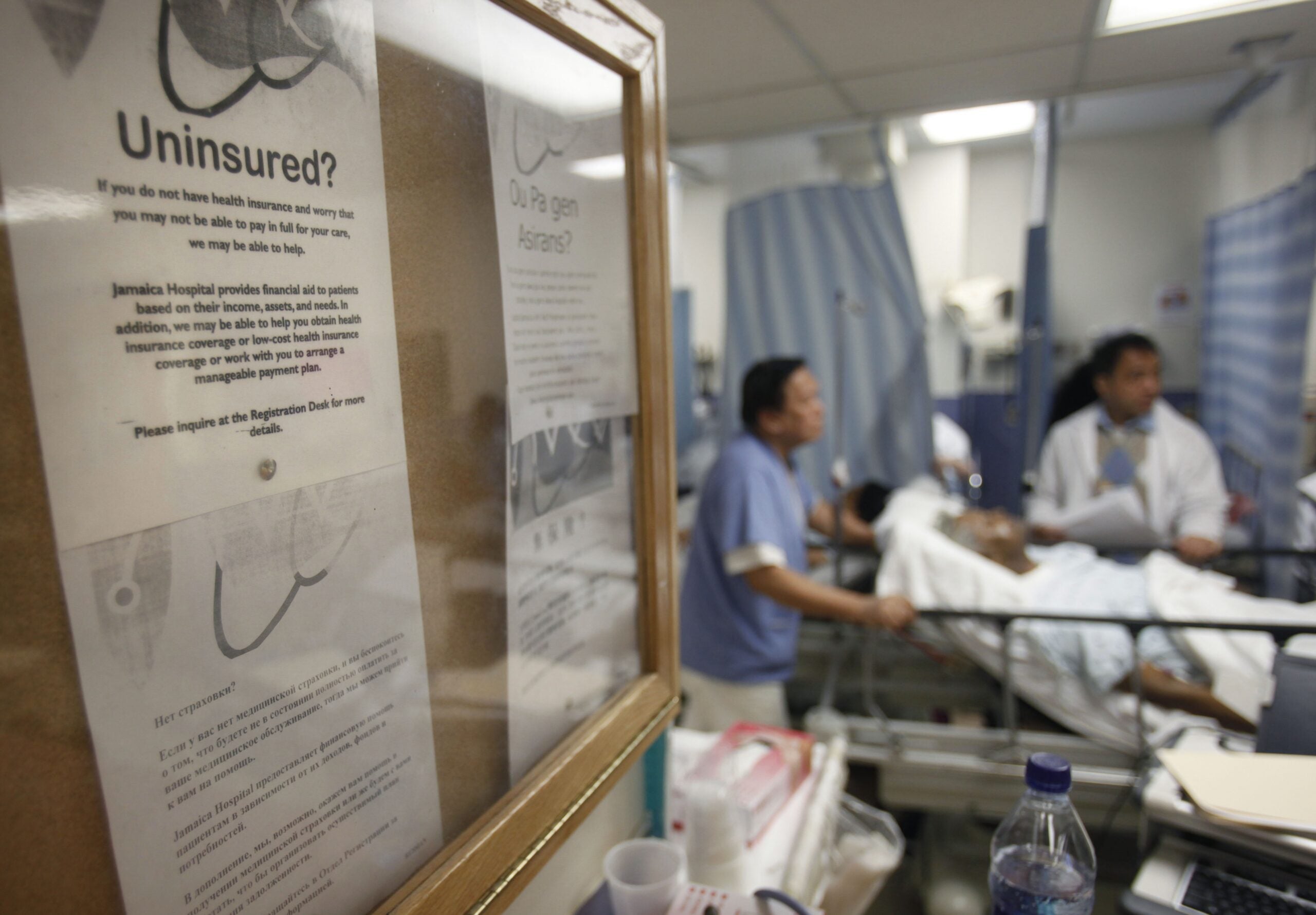
Having said that, this fight is clearly about health care, because in the big, ugly law (One Big Beautiful Bill Act) that was passed a few months back, they took away health care from 15 million people, raised all of our rates in the process, and they did it without a plan. For 15 years they have, since the Affordable Care Act was passed, not had a plan. The closest we’ve got has been a “concept of a plan” that Donald Trump told us about in a debate, but there is nothing even to that concept. So yes, you can’t take away health care without having some alternative plan. And the fight is largely about that.
RF: These are subsidies that were added during COVID, the idea being, “Okay, yes, we’ve got this health emergency. We need a little extra something here.” That emergency is done. Isn’t it time, maybe — as Republicans are arguing — for those subsidies to end and go back to what the plan was pre-COVID?
MP: This was just simply what we do every day: tweaking laws to make them serve their actual purpose. And in this case, it was making sure that more people had affordable health care, those who needed it, and based on the holes that we saw in the plan that was put in place.
Also, we always do sunsets so you can continue to review it, and that’s simply where we’re at. So it’s nothing related specifically to COVID or anything else. This is just what we do. You tweak laws as you see there’s holes or things didn’t work out as you intended. And to take that away from people now without an alternative is somewhere between stupid and cruel.
RF: People are shopping for coverage on the marketplace and elsewhere right now, and average rates are expected to go up. I’ve seen average increases of $1,000 or more for a year. What are you hearing from constituents?
MP: Well, that’s the thing. Averages are a tough number to use. I think it’s 23 percent or something like that average increase, but it really depends on your age and your plan. If you’re in that 57 to 65 range, you could get hit with up to a $2,000 a month increase because of the changes they did. And that’s why they’re saying 4 million people will lose their health care just from this.
But also, because of the uncompensated care that this and the Medicaid changes are going to create, we’re all paying more right now. So group plans are also coming out for next year, and I had one Madison employer (tell) me their increase was 41 percent. So while not directly in the big, ugly law, it’s very much related to the people losing health care. It’s not like you don’t get sick. Someone has to pay for that at the end of the day — insurance companies are factoring that in — and now we’re all paying more for health care.
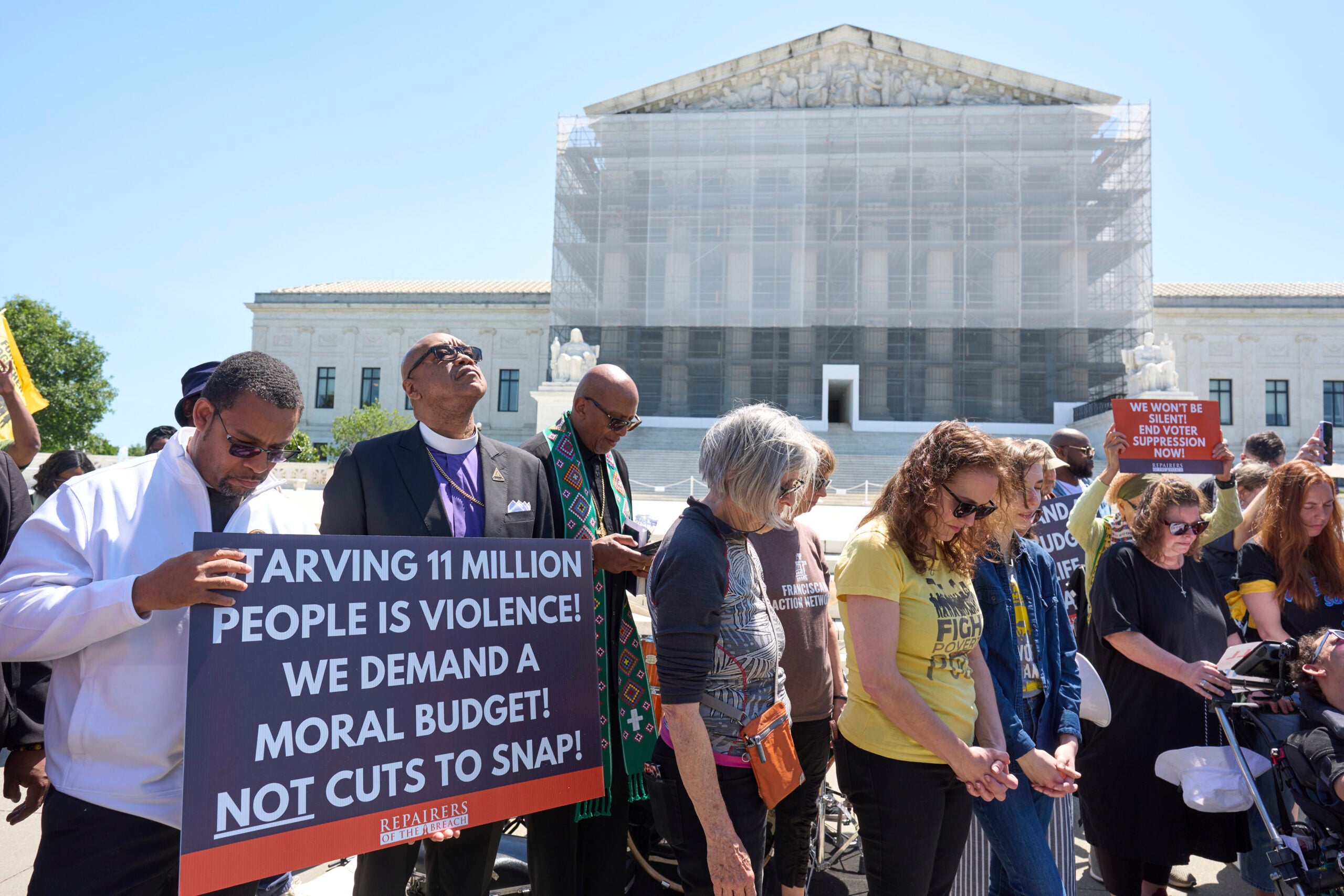
RF: The president has said that maybe half of SNAP (Supplemental Nutrition Assistance Program) benefits in November could be covered by emergency funds. Does that change the calculus?
MP: Well, first of all, we had put a contingency fund together of somewhere between $5 and $6 billion, which covers about three-quarters of a month’s worth of benefits. And even the Department of Agriculture under Donald Trump admitted that was congressional intent to use that, so the fact that they even fought it in the first place didn’t make any sense, because he accessed that fund in his first administration when there was a shutdown.
Having said that, I think the more incredulous part is Republicans in the big, ugly law cut the SNAP program — the very program they now claim to be defenders of — by $158 billion. Millions of people won’t get access to food assistance. It’s the number one program keeping kids out of poverty. So you can’t have it one way, when you cut funding for the program — so in the future, millions of people won’t have access — and then now say someone else’s fault, because it’s not happening, even though we put a contingency fund together in a bipartisan way to deal with this.
I just think the rhetoric is so far off the charts. People need to get back to Washington and work. And short of that, they’re AWOL, they’re derelict of duty, and I just don’t see how they think not showing up and getting a paycheck is accountability.
RF: To get out of this shutdown, what kind of deal do you need to see?
MP: I think in general, we have to figure out how to get some actual language or a vote, or, quite honestly, some protection for the funds that we would be passing so the president doesn’t just continue stealing them, which he doesn’t have the legal authority to do — and there are lawsuits on that — but you would need some language to ensure some of that. Otherwise, every deal we have is never a deal if the president goes in and steals the funds that we just agreed to. And that is what’s happening right now.
This is a crisis largely created by Donald Trump. He’s telling Congress what to do. They jump when he says “jump,” and right now he needs to tell them to get back to work, because we actually have things we need to do.